



Iran Crisis Triggers 38-40% Oil Surge | FBA Sellers Face 24.75% Fuel Surcharges
- Diesel prices spike to $4.86/gallon; FedEx Ground implements emergency surcharges affecting fulfillment costs for 50K+ cross-border sellers shipping from Asia

























Overview
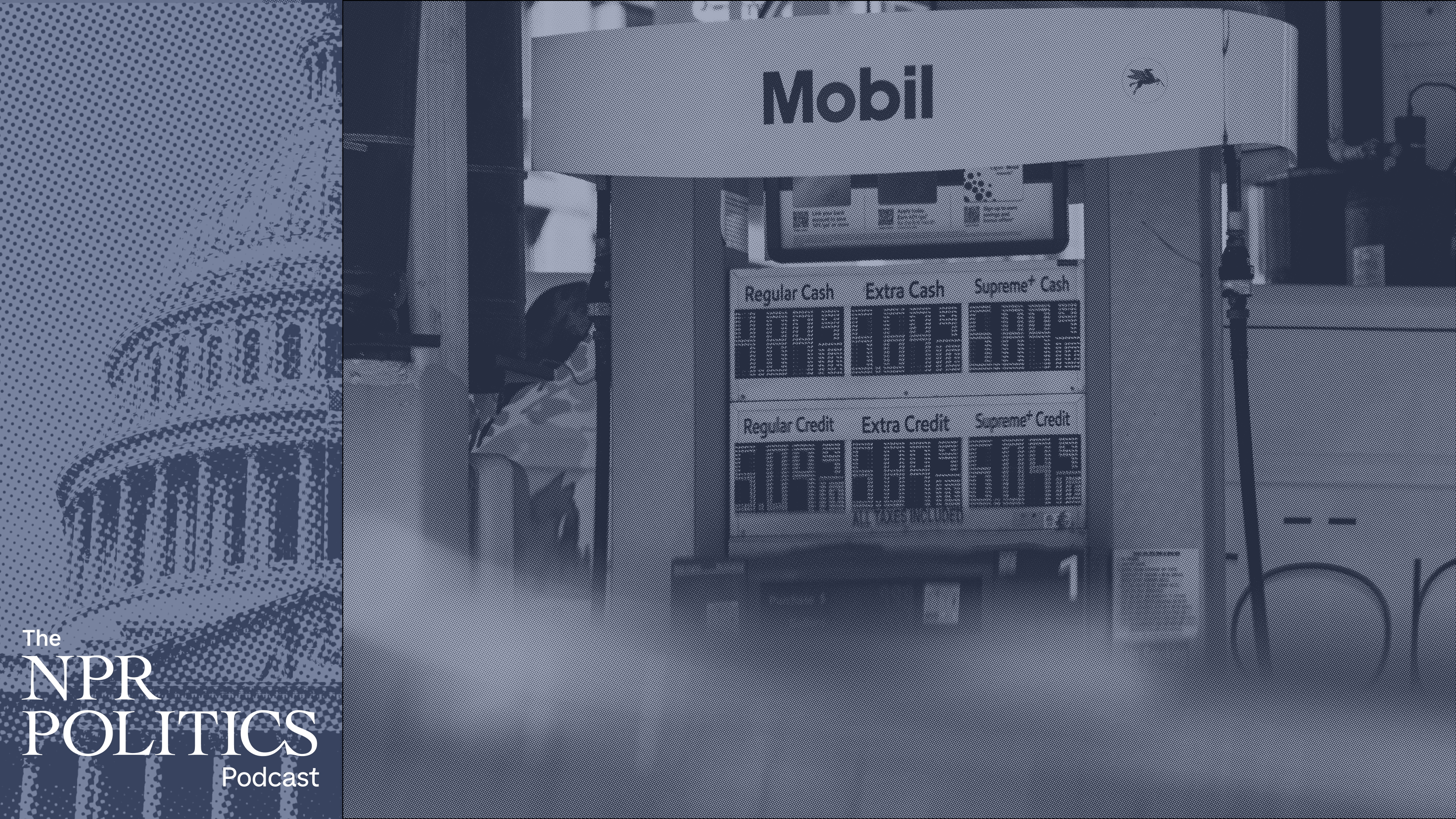
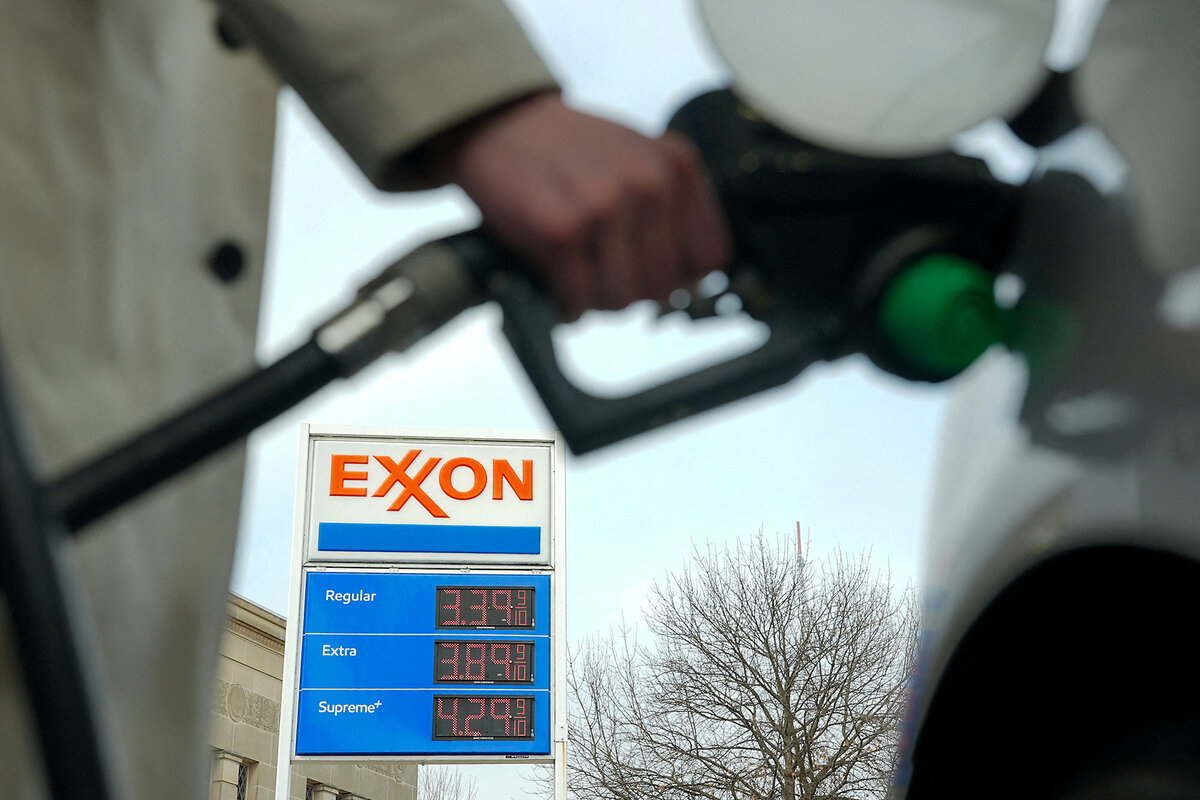
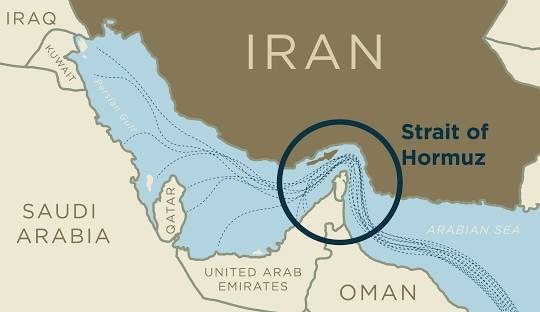
The Iran-Israel-US geopolitical escalation in March 2026 has created an immediate logistics cost crisis for cross-border e-commerce sellers. Following tensions that disrupted approximately 15% of global oil supply through the Strait of Hormuz, diesel prices surged to $4.86 per gallon as of March 9, 2026—up nearly $1 from the previous week. Brent crude oil peaked at $120 per barrel on March 8 before retreating to $80 following Trump's de-escalation announcement on March 9, creating a $40 per barrel swing in just two days. This volatility directly translates to immediate cost increases across all shipping modes: FedEx Ground activated a 24.75% fuel surcharge when diesel exceeded the $3.55 per gallon threshold, with similar structures implemented across air, rail, and ocean freight carriers.
For FBA sellers and third-party logistics providers, the operational impact is severe and immediate. Transportation expenses directly increase fulfillment costs, compressing margins across all product categories. Sellers relying on just-in-time inventory from Asia to North America and Europe face unpredictable cost structures—a $40 per barrel swing translates to significant fluctuations in freight costs for international shipments. Perishable goods sellers (fresh produce, meat, dairy) experience the most acute margin compression due to limited shelf stability and inability to stockpile inventory. Deborah Weinswig, CEO of Coresight Research, identifies grocery retailers as the first sector experiencing price increases in produce, meat, and dairy aisles. The compounding pressure is critical: businesses already absorbed tariff costs over the past year, leaving minimal financial flexibility for additional transportation expenses. Cold chain logistics for temperature-controlled goods face highest vulnerability, with insurance costs for maritime shipping through affected regions also rising.
The timing window for seller response is extremely narrow. Goldman Sachs projects Brent crude averaging $98 per barrel in March-April 2026, with worst-case scenarios reaching $110. Oxford Economics models oil potentially reaching $140 per barrel for two months under prolonged conflict scenarios. MIT professor Christopher Knittel estimates a 50% recession probability if the conflict persists beyond one to two months, which would simultaneously compress consumer spending power and increase logistics costs—a dual margin squeeze. Sellers face critical decisions: absorb costs (reducing profit margins by 8-12% for high-volume shipments), implement shrinkflation (reducing product sizes while maintaining prices), or pass costs to customers (risking demand destruction as consumer spending is already declining). The pattern mirrors 2022 Russia-Ukraine conflict impacts when oil prices similarly soared, triggering widespread shrinkflation and inventory management challenges.
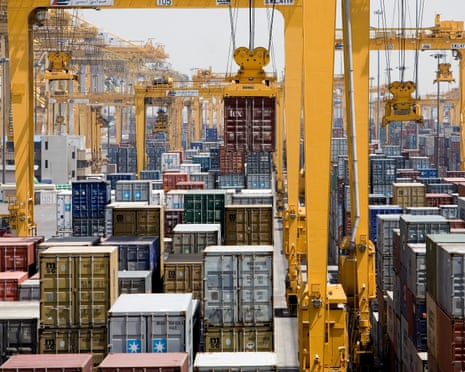
Strategic sourcing opportunities exist for sellers willing to restructure supply chains. The geopolitical instability creates lasting structural changes in energy markets regardless of immediate conflict resolution. Sellers currently dependent on Asia-to-North America air freight should evaluate: (1) shifting 20-30% of inventory to regional 3PL providers in North America to reduce fuel-dependent shipping; (2) accelerating sourcing diversification away from single-country dependencies; (3) implementing dynamic pricing models that adjust for fuel surcharge fluctuations; (4) pre-positioning inventory in US/EU warehouses before further price escalation. The window for these adjustments closes rapidly—every $10 per barrel increase adds approximately $35-50 to ocean freight costs per 40-foot container and 15-20% to air freight premiums.
Questions 8
How will recession risk from sustained oil prices affect e-commerce demand?
MIT professor Christopher Knittel warns that sustained high fuel prices could trigger economic recession, with a 50% recession probability if the conflict persists beyond one to two months. Goldman Sachs analysis indicates a sustained 10% oil price increase would boost inflation by 0.2 percentage points while reducing GDP growth by 0.1 percentage points. With typical American drivers consuming 600 gallons annually, a $1 price increase equals $600 in reduced discretionary spending, directly dampening economic activity. Oxford Economics' worst-case scenario models oil reaching $140 per barrel for two months, potentially triggering mild recession conditions. Sellers should prepare for demand compression in discretionary categories while maintaining inventory flexibility for essential goods categories that may see increased demand during economic uncertainty.
What sourcing country shifts should sellers consider to mitigate oil price impacts?
The geopolitical instability creates lasting structural changes in energy markets regardless of immediate conflict resolution. Sellers currently dependent on Asia-to-North America air freight should evaluate: (1) shifting 20-30% of inventory to regional 3PL providers in North America to reduce fuel-dependent shipping; (2) accelerating sourcing diversification away from single-country dependencies; (3) evaluating alternative sourcing from Vietnam, India, or Mexico for categories currently sourced from China; (4) pre-positioning inventory in US/EU warehouses before further price escalation. Every $10 per barrel increase adds approximately $35-50 to ocean freight costs per 40-foot container and 15-20% to air freight premiums, making supply chain restructuring economically justified.