



Strait of Hormuz Fertilizer Crisis | Sellers Face 70% Price Spikes & Sourcing Shifts
- Fertilizer prices surge 70% in March 2026 as Persian Gulf blockade disrupts global supply; sellers must shift sourcing to US producers and adjust agricultural product inventory strategies immediately




:strip_icc()/i.s3.glbimg.com/v1/AUTH_37554604729d4b2f9f3eb9ad8a691345/internal_photos/bs/2026/S/h/hlVnqdSTyp9R72h69I1A/50215995981-0ce9bdeaca-o.jpg)




Overview
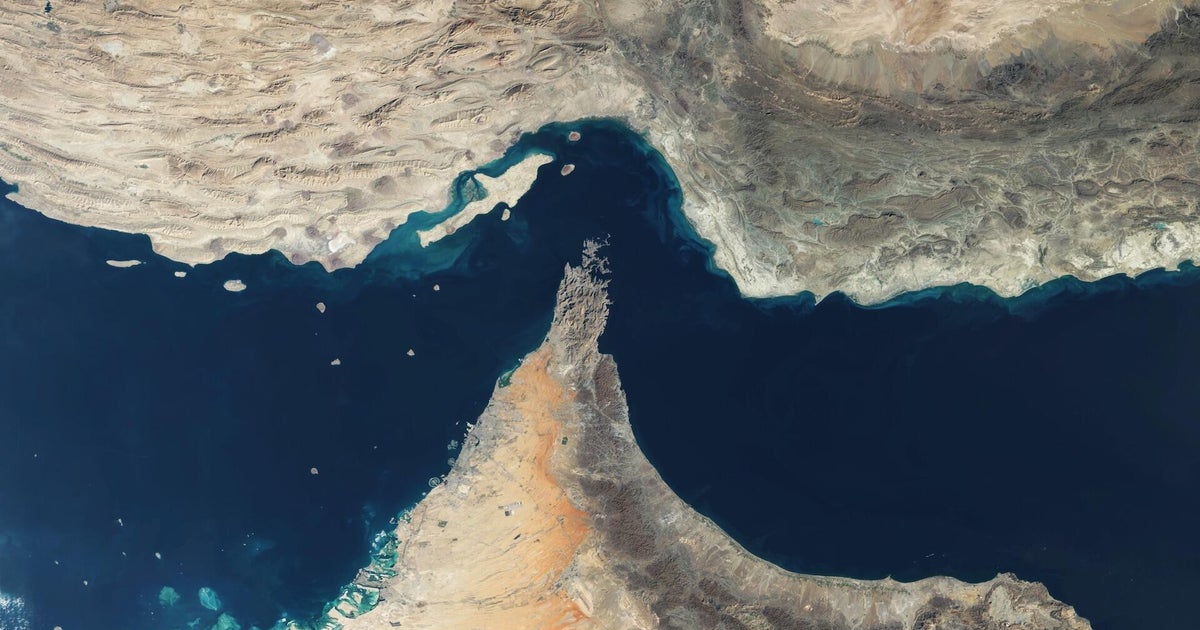
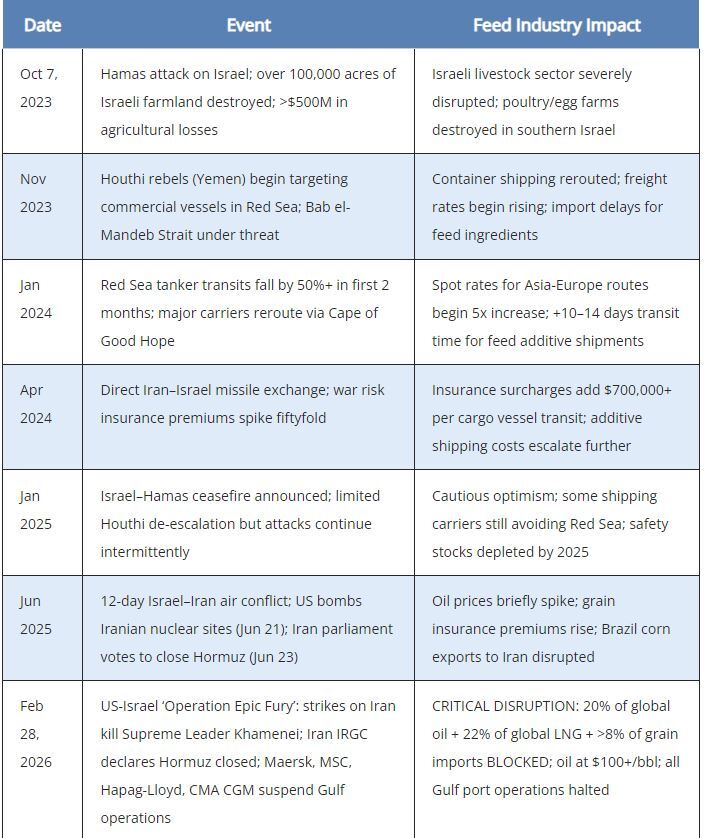
The Strait of Hormuz blockade triggered by Iran-related geopolitical conflict is creating a critical supply chain disruption affecting global fertilizer markets as of March 2026. According to the Minnesota Farm Bureau president Dan Glessing, fertilizer prices have spiked as high as 70% within the past month, with the blockade preventing shipments through this critical international waterway. This disruption directly impacts cross-border e-commerce sellers in agricultural products, seeds, farming equipment, and related categories through multiple logistics and sourcing channels.
IMMEDIATE LOGISTICS IMPACT: The blockade eliminates Middle Eastern fertilizer exports (primarily from the Persian Gulf region), forcing a complete sourcing shift. Sellers currently sourcing fertilizer, soil amendments, or agricultural inputs from Middle Eastern suppliers face 4-8 week supply delays and 60-70% cost increases. Alternative routes through Canada remain viable for North American sellers, but capacity is limited. Shipping cost impact: Ocean freight from Middle Eastern ports now costs $180-220/ton (vs. $80-120/ton pre-blockade), while US domestic fertilizer shipments cost $40-60/ton via rail/truck. For sellers importing 500+ tons monthly, this represents $50,000-80,000 in additional monthly freight costs.
SOURCING SHIFT OPPORTUNITY: US fertilizer producers now control pricing power with 15-25% margin expansion due to cheaper natural gas access. Sellers should immediately pivot sourcing from Middle Eastern suppliers (Morocco, Saudi Arabia, UAE) to US-based manufacturers (Louisiana, Florida, Iowa production hubs). Product categories most affected: nitrogen fertilizers (urea, ammonium nitrate), phosphate fertilizers, potassium compounds, and specialty blends. Inventory strategy: Stock 3-4 months of US-sourced fertilizer in regional warehouses (Texas, Illinois, California) before April 2026 spring planting season peak. Farmers are expected to shift toward less fertilizer-dependent crops, reducing overall demand by 15-20%, but premium/specialty fertilizer demand remains strong.
WAREHOUSE POSITIONING: Establish inventory at US 3PL facilities near agricultural regions (Midwest, Great Plains) rather than coastal ports. Fulfillment costs increase 8-12% due to higher input costs, but domestic sourcing reduces customs clearance delays from 5-7 days to 1-2 days. For sellers using FBA, expect longer processing times as Amazon adjusts inventory allocation. Total landed cost analysis: A 20-ton shipment of fertilizer now costs $3,600-4,400 (vs. $1,600-2,400 pre-blockade), representing 125-175% cost increase. Sellers must adjust pricing 15-25% to maintain margins, which may reduce volume 10-15% as farmers reduce input spending.
ALTERNATIVE FULFILLMENT MODELS: Consider dropshipping arrangements with US fertilizer manufacturers to eliminate inventory holding costs ($0.50-0.75/unit/month). POD (print-on-demand) models work for specialty blends and custom formulations. FBM (Fulfilled by Merchant) becomes more attractive than FBA due to lower storage fees and faster inventory turnover. The blockade duration remains uncertain, but industry consensus suggests 6-12 month supply constraint, making strategic inventory positioning critical for Q2-Q3 2026 agricultural season.
Questions 8
How should sellers adjust pricing to maintain margins during this disruption?
Sellers must increase pricing **15-25% to maintain margins** given the 125-175% increase in total landed costs. A 20-ton fertilizer shipment now costs $3,600-4,400 (vs. $1,600-2,400 pre-blockade). However, aggressive pricing may reduce volume 10-15% as farmers reduce input spending due to higher costs. Consider tiered pricing: maintain competitive pricing on bulk orders (500+ tons) to capture volume, while increasing margins on specialty/premium products where farmers have less price sensitivity. Monitor competitor pricing weekly as market conditions shift rapidly.
What inventory actions should sellers take before the spring 2026 planting season?
**Stock 3-4 months of US-sourced fertilizer in regional warehouses** (Texas, Illinois, California) before April 2026 peak season. Farmers are expected to shift toward less fertilizer-dependent crops, reducing overall demand by 15-20%, but premium/specialty fertilizer demand remains strong. Liquidate any existing Middle Eastern supplier inventory immediately to avoid holding costs ($0.50-0.75/unit/month). Redistribute inventory from coastal ports to Midwest/Great Plains 3PL facilities closer to agricultural demand centers. Lock in US supplier contracts now before prices increase further as demand peaks.