




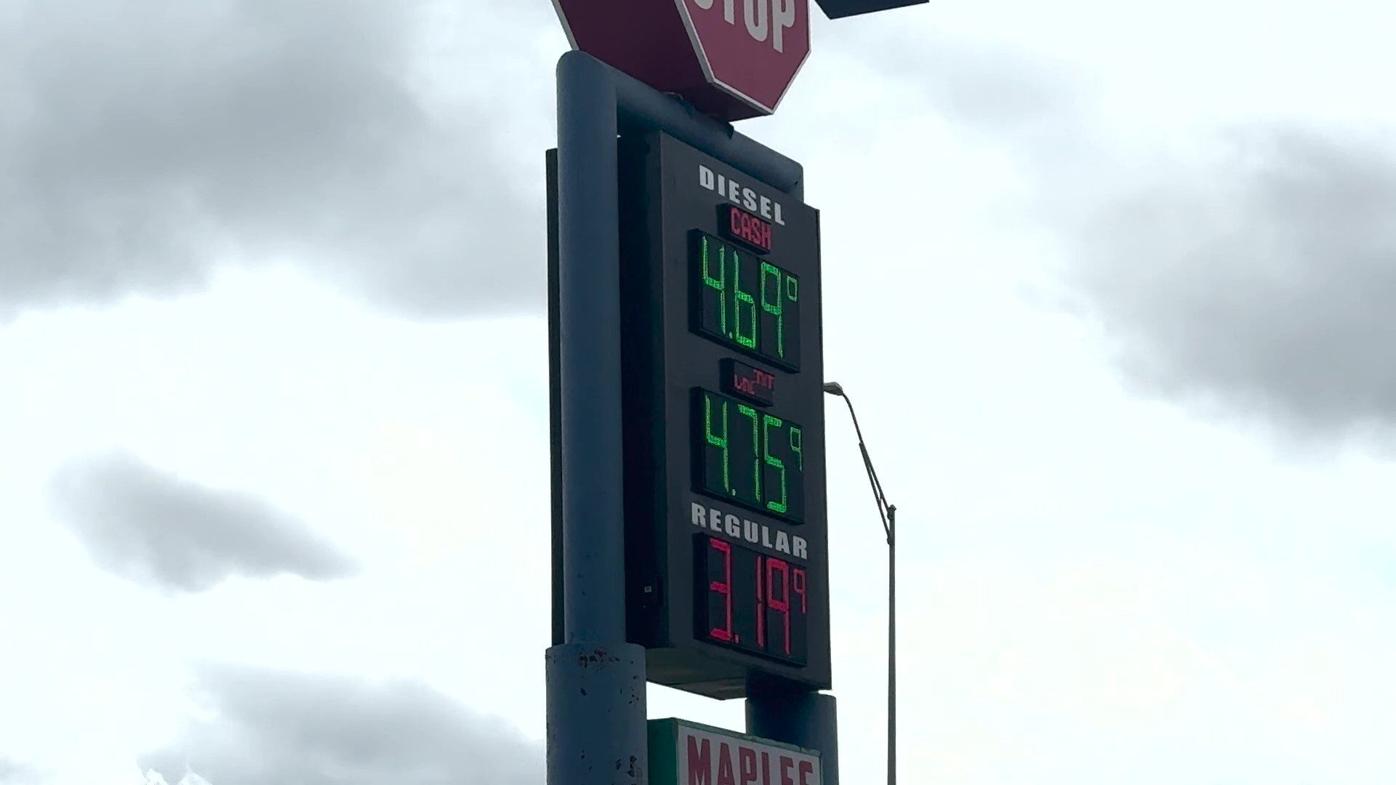
Diesel Prices Surge 60% | Shipping Costs Jump for E-Commerce Sellers
- National diesel averages hit $4.78-$4.83/gallon (up from $2.99), adding $1,875-$3,125 monthly costs for mid-size 3PL operations and 8-12% freight surcharges across all seller segments































Overview
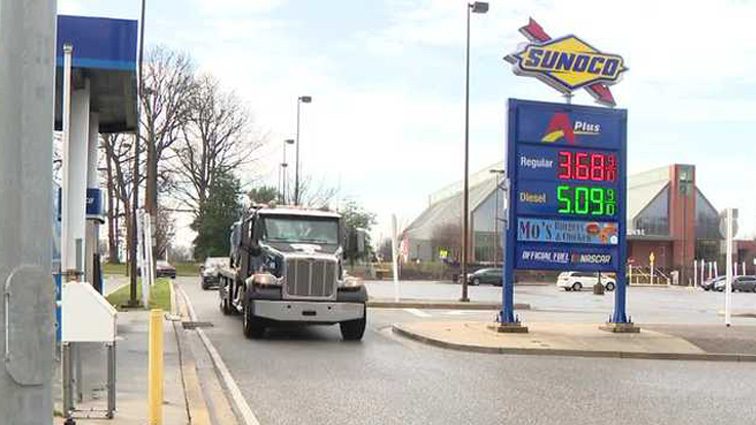
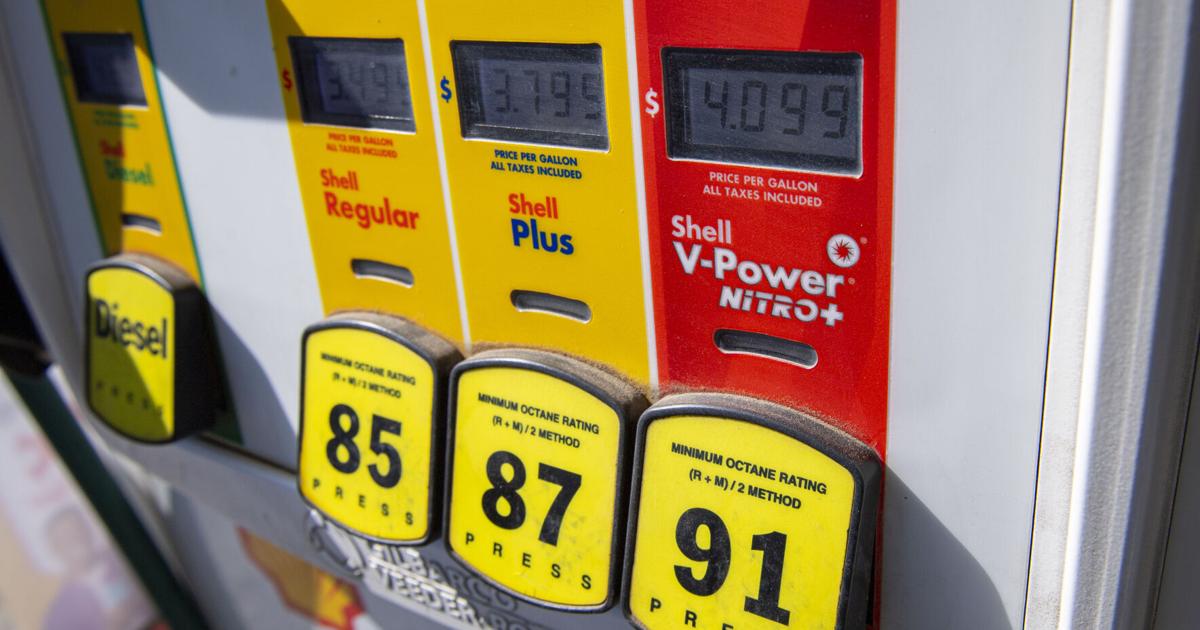
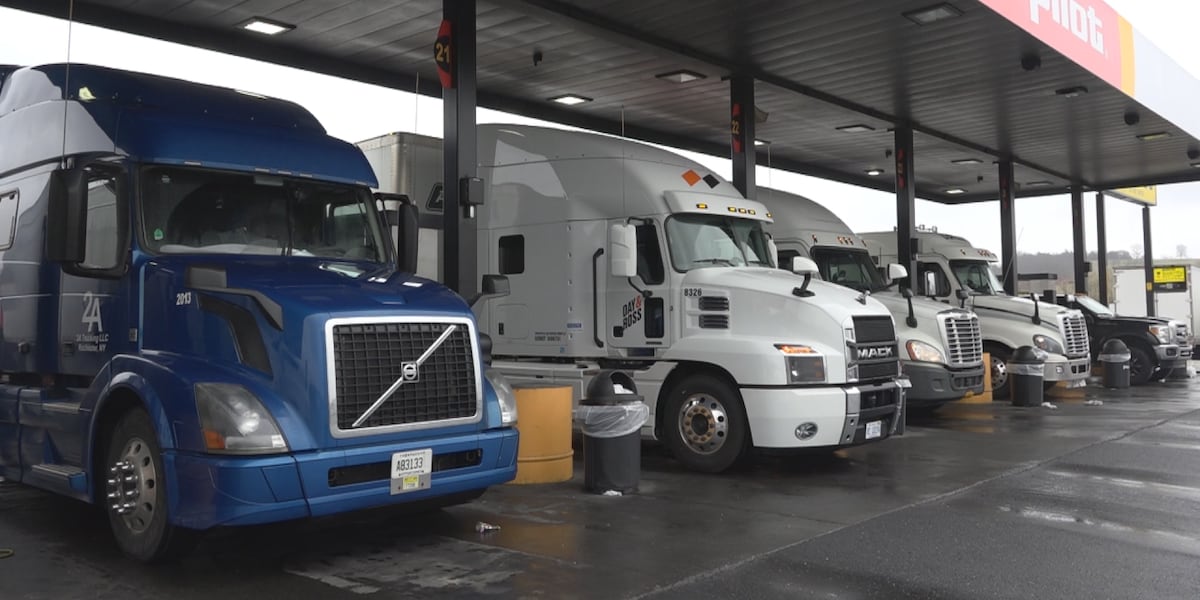
The Strait of Hormuz closure by Iranian threats has triggered a critical energy supply disruption affecting global e-commerce logistics. As of March 10-12, 2026, diesel prices surged from $2.99 to $4.78-$5.09 per gallon—a 60% increase in just two weeks—directly impacting shipping costs, last-mile delivery, and inventory management for all e-commerce sellers. The Washington Post reported that Iranian actions have effectively closed one of the world's most critical oil shipping routes, disrupting approximately 20% of global daily oil supply. For cross-border sellers, this translates to immediate cost pressures: Rowe Transfer Inc., an East Tennessee trucking company with 12 trucks, absorbed $63,000 in additional fuel costs over 2.5 weeks alone, with weekly fuel expenditures ranging $15,000-$25,000. Standard tractor-trailers achieve only 6 miles per gallon, making fuel costs a dominant operational expense.
The cascading impact on e-commerce pricing is severe and immediate. Trucking companies are implementing fuel surcharges to offset losses—a $10,000 furniture shipment quote increased to $12,500 due to fuel surcharges, representing a 25% cost increase that directly reduces consumer demand and seller conversion rates. Small and mid-sized sellers with limited pricing power face margin compression of 8-12%, while larger enterprises with scale efficiencies can partially absorb costs. Sellers utilizing third-party logistics providers (3PLs), freight forwarding services, and domestic distribution networks will experience cascading cost increases within 7-14 days as carriers pass through fuel surcharges. The sustained nature of this price elevation—expected to persist for "several weeks even after conflict resolution" according to industry analysts—creates budgeting uncertainty for inventory planning and fulfillment strategies.
Strategic logistics repositioning is now critical for seller profitability. Industry observers recommend sellers immediately optimize inventory management by consolidating shipments to reduce per-unit transportation costs, reconsider regional distribution approaches by shifting inventory to lower-cost fulfillment zones, and evaluate alternative logistics models. Sellers should prioritize high-margin product categories for ground shipping while considering air freight alternatives for time-sensitive, lower-weight items despite premium costs. Agricultural product sellers and food/beverage categories face dual pressures: increased sourcing costs from farmers managing $4.83/gallon diesel expenses plus elevated transportation costs to market. The geopolitical risk underscores vulnerabilities in fuel-dependent supply chains, making logistics diversification and carrier redundancy essential for maintaining competitive pricing and delivery timelines through Q2 2026.
Questions 8
How should I adjust pricing to maintain margins during fuel surges?
Implement tiered pricing strategies: increase prices 5-8% on high-margin categories immediately, consolidate lower-margin products into bulk shipments to reduce per-unit costs, and consider temporary price increases on expedited shipping options. Monitor competitor pricing daily—larger sellers (Amazon, Walmart) will absorb costs longer, creating temporary pricing advantages for mid-size sellers who adjust quickly. For furniture and bulk items, communicate fuel surcharges transparently to customers; industry data shows 15-20% customer acceptance of temporary surcharges when clearly labeled. Avoid aggressive price increases on price-sensitive categories (bulk commodities, food); instead, optimize shipment consolidation and reduce order frequency to lower per-unit transportation costs. Review pricing every 7 days as fuel costs stabilize.
What product categories are most vulnerable to shipping cost increases?
Heavy, low-margin categories face the greatest margin compression: furniture (25% cost increase documented), appliances, building materials, and bulk food/beverage products. These categories have thin profit margins (8-15%) and cannot easily absorb 8-12% freight increases without reducing competitiveness. Conversely, high-margin categories (electronics, apparel, beauty products with 40%+ margins) can absorb surcharges more effectively. Agricultural and food/beverage sellers face dual pressures: increased sourcing costs from farmers managing $4.83/gallon diesel expenses plus elevated transportation costs. Sellers should prioritize air freight for high-margin, time-sensitive items while consolidating ground shipments for lower-margin bulk products.