


Immigration Policy Disruption Signals Deeper Systemic Tensions in Naturalization Process
- Abrupt Citizenship Ceremony Cancellations Expose Fragile Pathways for Immigrants from High-Risk Countries







Overview
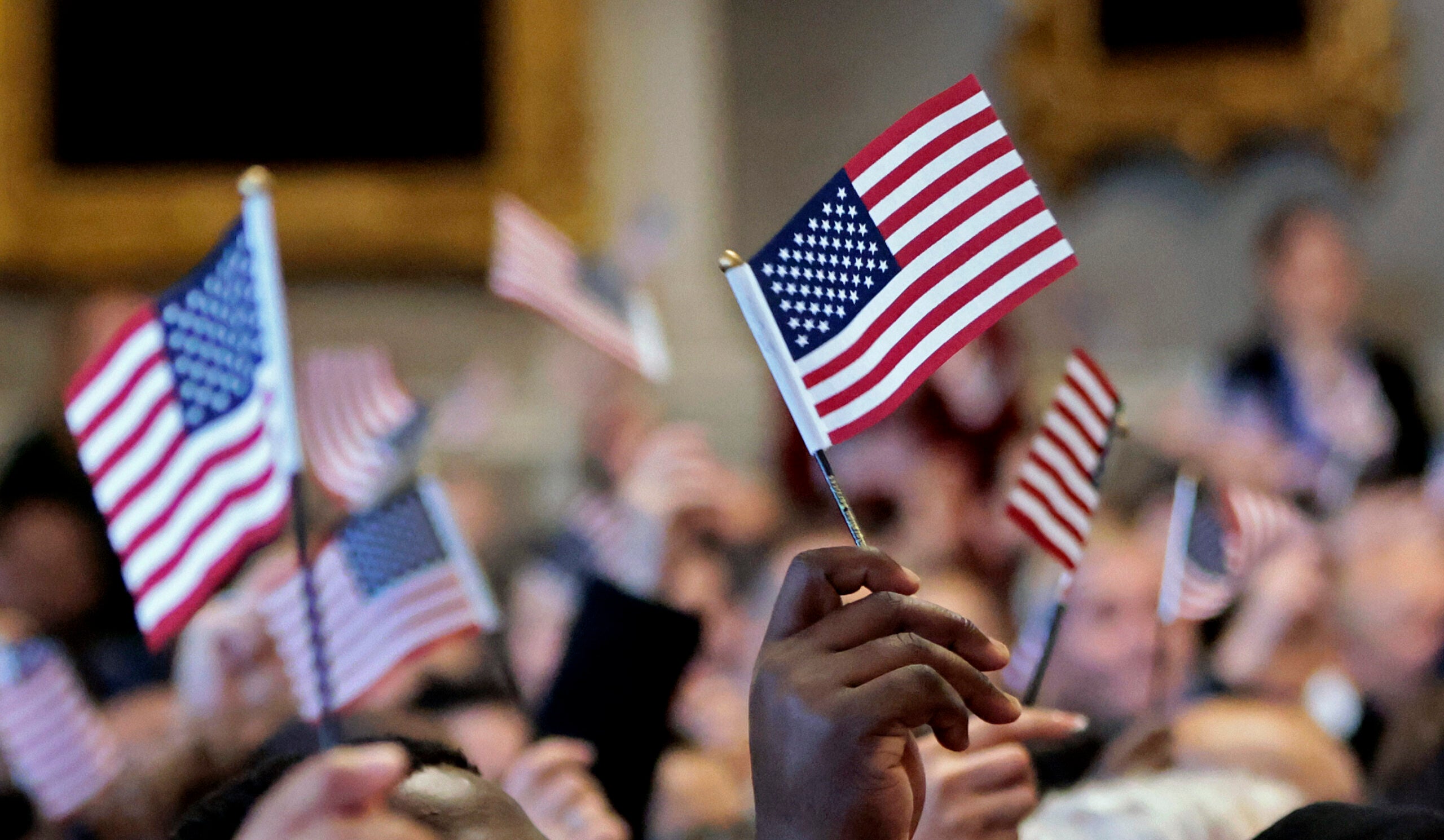
The sudden cancellation of citizenship ceremonies for immigrants from 19 countries reveals a critical inflection point in U.S. immigration policy, exposing the precarious nature of naturalization pathways and the ongoing political tensions surrounding immigration processes.
Systemic Vulnerability in Naturalization emerges as the core narrative. The U.S. Citizenship and Immigration Services (USCIS) has effectively weaponized administrative processes, using "high-risk" country designations to create unprecedented disruption for immigrants. Countries like Afghanistan, Cuba, Venezuela, Haiti, and Somalia have been particularly targeted, representing a geopolitically motivated approach to immigration control.
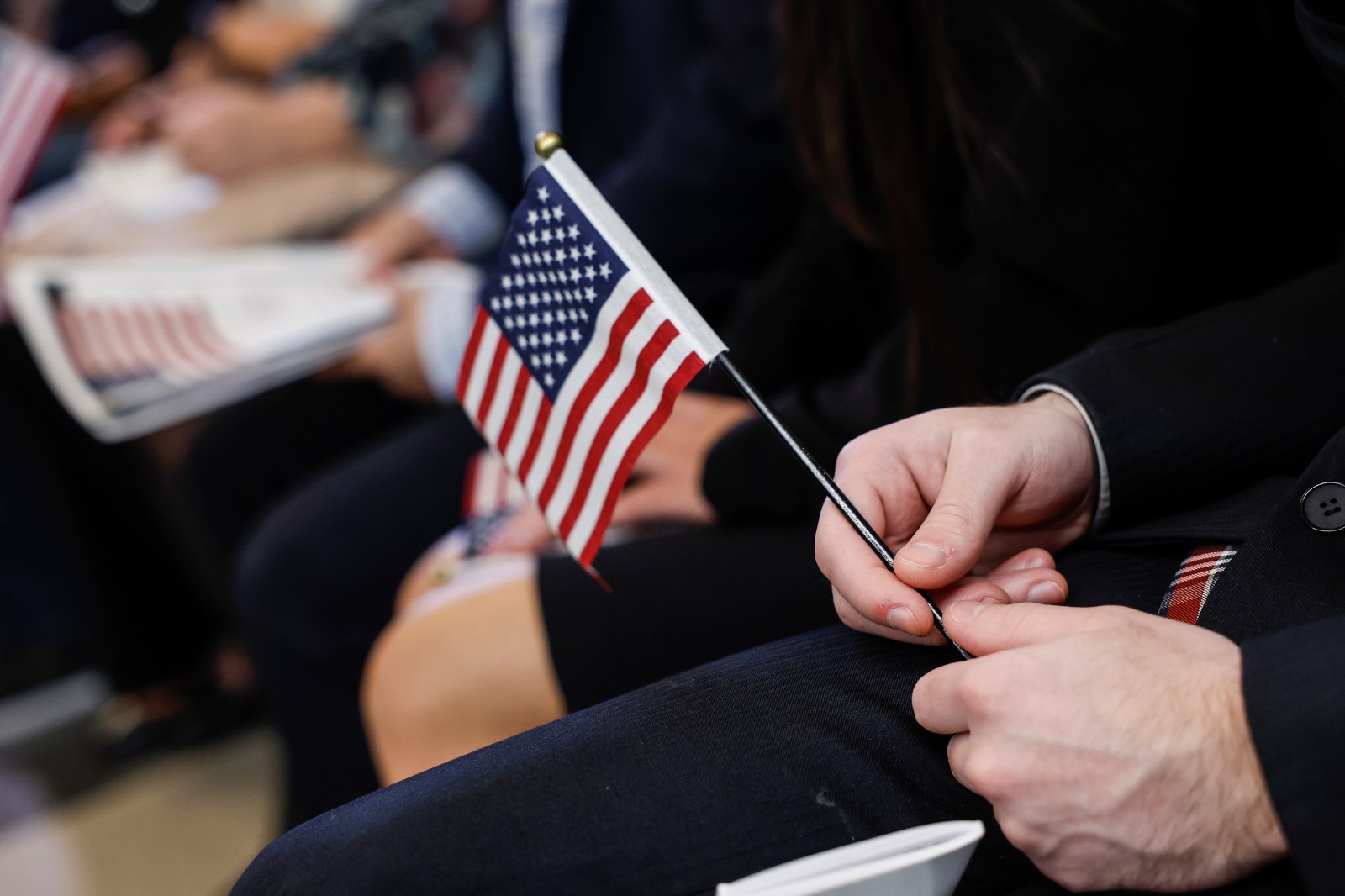
Strategic Implications of Policy Execution are profound. The abrupt nature of these cancellations—where immigrants receive sudden online notifications after investing years in their citizenship journey—demonstrates a systemic approach that prioritizes bureaucratic discretion over individual human trajectories. USCIS Director Joseph B. Edlow's justification of "building more protective measures" masks a deeper political strategy of restricting immigration through administrative complexity.
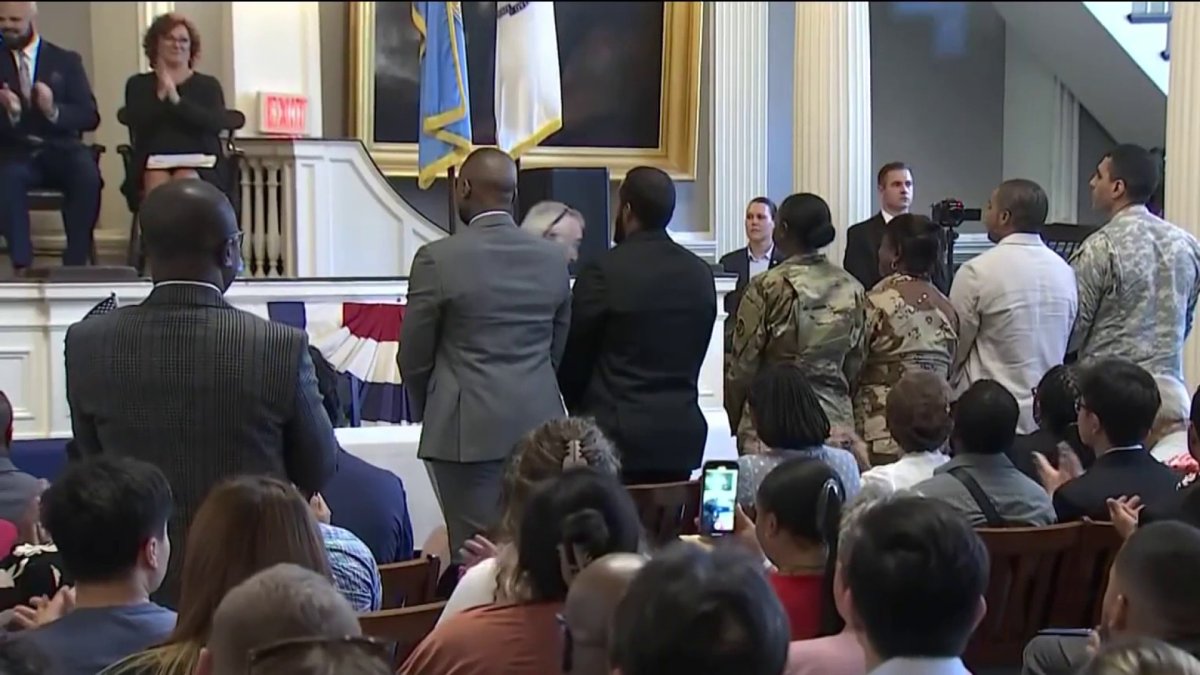
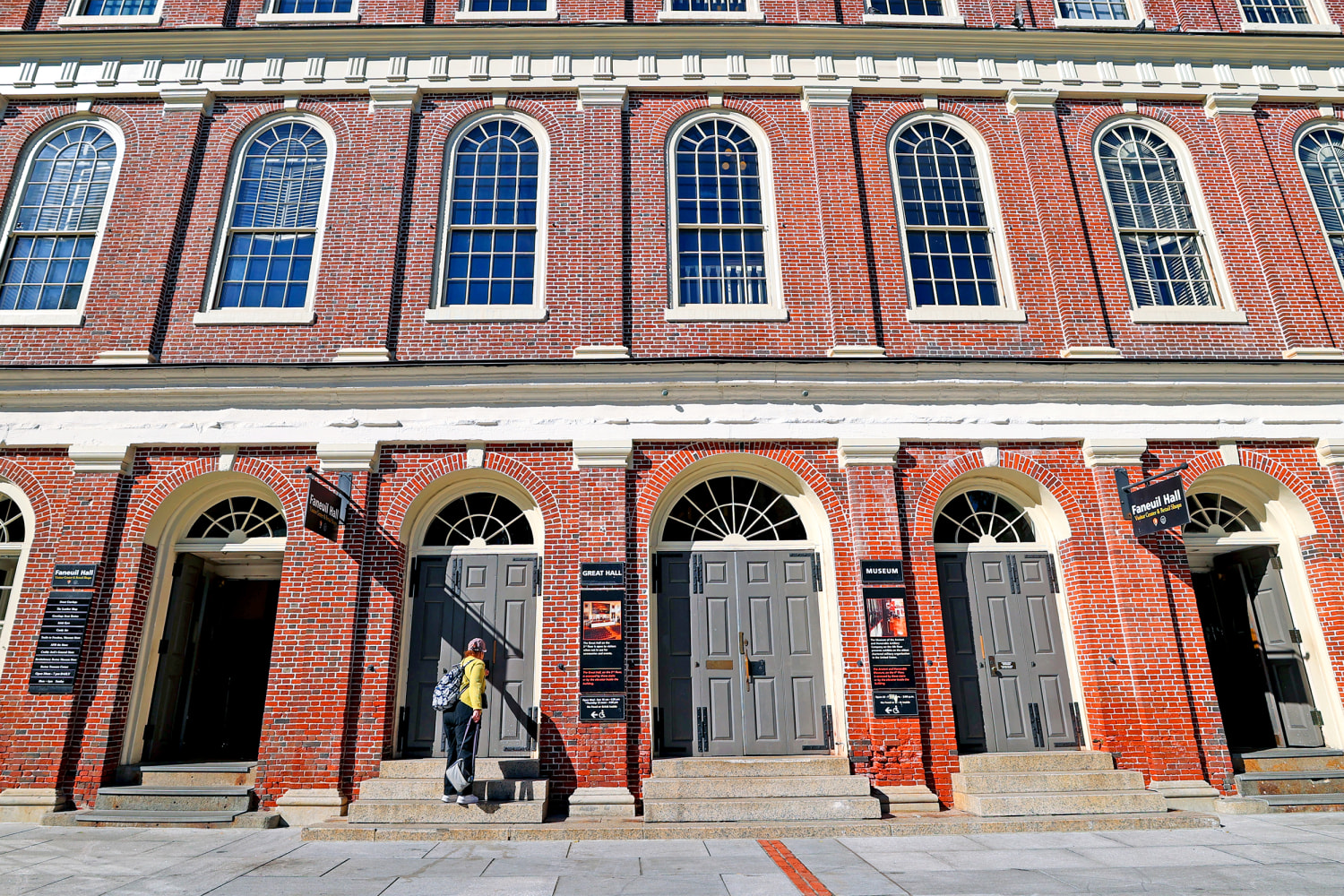
The response from local leadership, exemplified by Boston Mayor Michelle Wu's condemnation as "despicable," highlights the growing tension between federal immigration policies and local community values. By pausing naturalization ceremonies at symbolically charged locations like Faneuil Hall—a historic site representing national foundational principles—the policy creates a stark contradiction between stated American ideals and actual immigration practices.
This approach represents more than an isolated policy shift; it signals a continuation of stricter immigration approaches initiated during the Trump administration. The cancellations affect potentially hundreds of immigrants across multiple geographic regions, creating a chilling effect on naturalization processes and exposing the fragility of immigrant pathways to citizenship.
The broader context suggests a systematic recalibration of immigration policy, where administrative mechanisms become tools for restricting entry and challenging established naturalization routes. For immigrants, this means navigating an increasingly unpredictable landscape where years of personal investment can be suddenly nullified by bureaucratic decisions.
Questions 3
Why are citizenship ceremonies being cancelled for immigrants from specific countries?
The USCIS claims these cancellations are part of 'strengthening screening processes' for immigrants from countries deemed 'high-risk', including Afghanistan, Cuba, Venezuela, Haiti, and Somalia. However, the abrupt nature suggests a broader political strategy of restricting immigration through administrative complexity.
What are the immediate impacts on immigrants waiting for citizenship?
Immigrants who have invested years in the naturalization process now face sudden disruption, with ceremony cancellations potentially delaying or derailing their citizenship journey. This affects potentially hundreds of individuals across multiple geographic regions.