


Meta & YouTube Face $1.6B+ Addiction Liability Claims | Seller Ad Platform Risk Alert
- Landmark jury trial concludes with 1,600+ plaintiffs; 20+ bellwether cases scheduled through 2026-2027; potential platform design changes threaten Instagram/Facebook advertising effectiveness for 2M+ e-commerce sellers























Overview
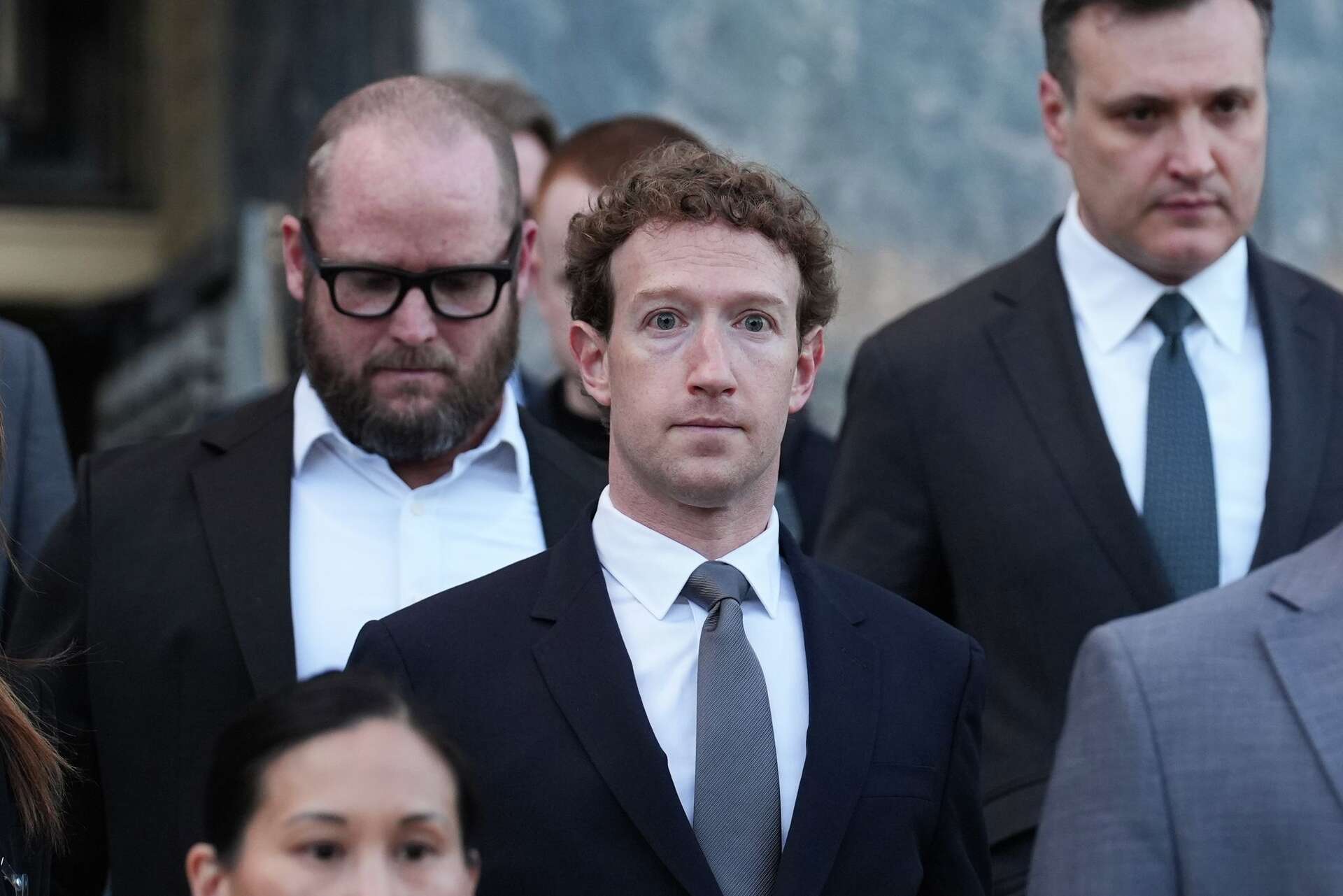
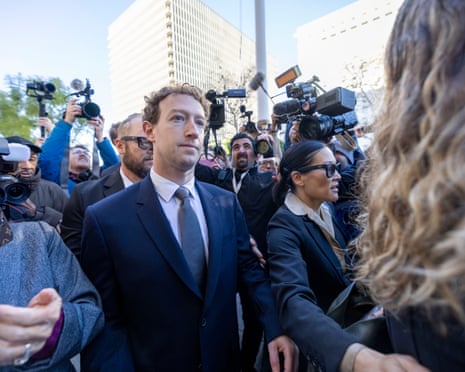
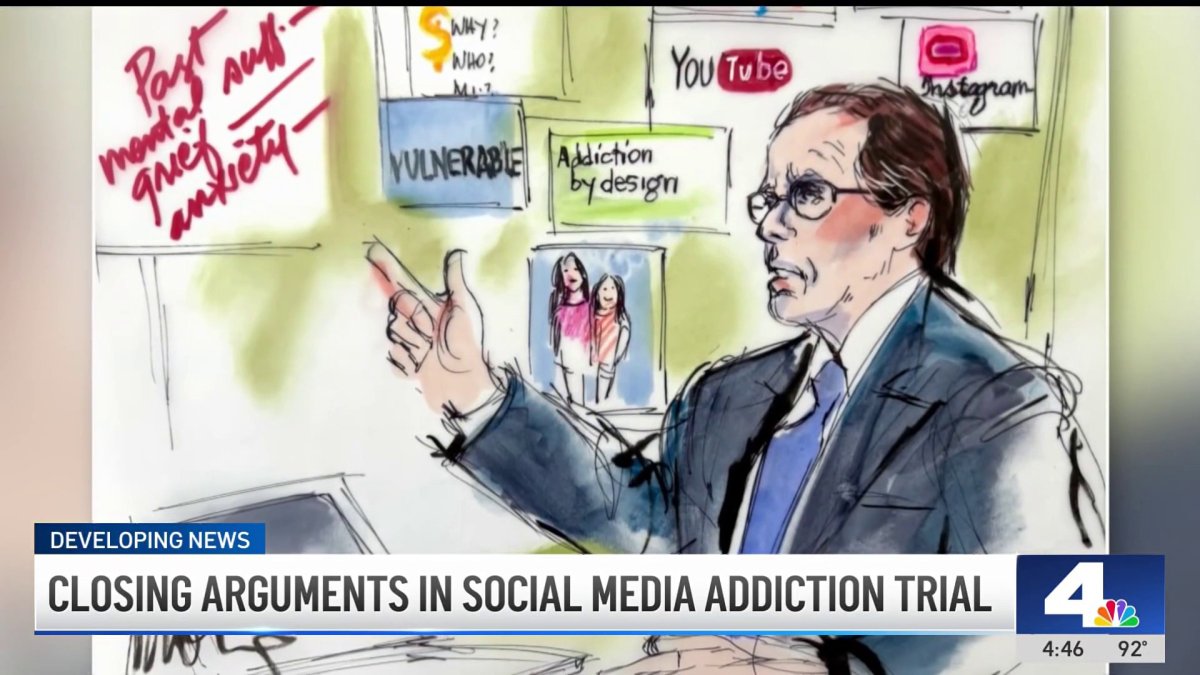
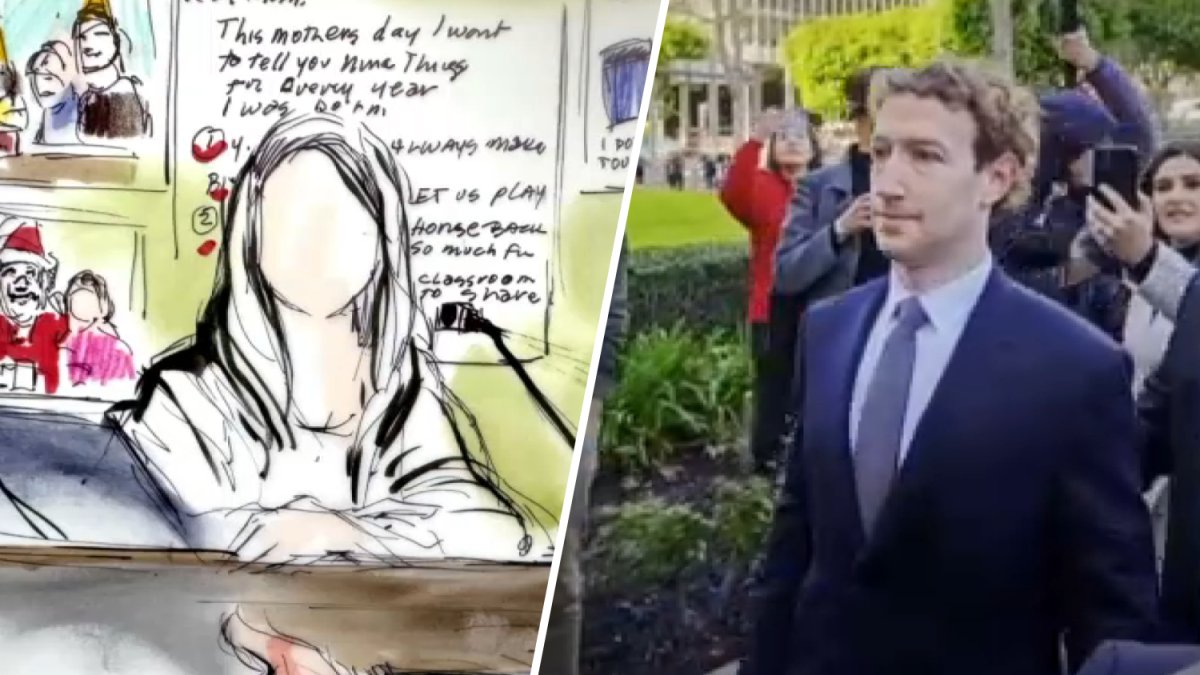
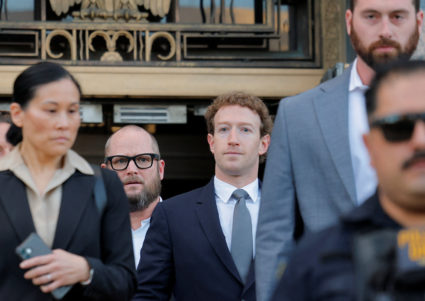
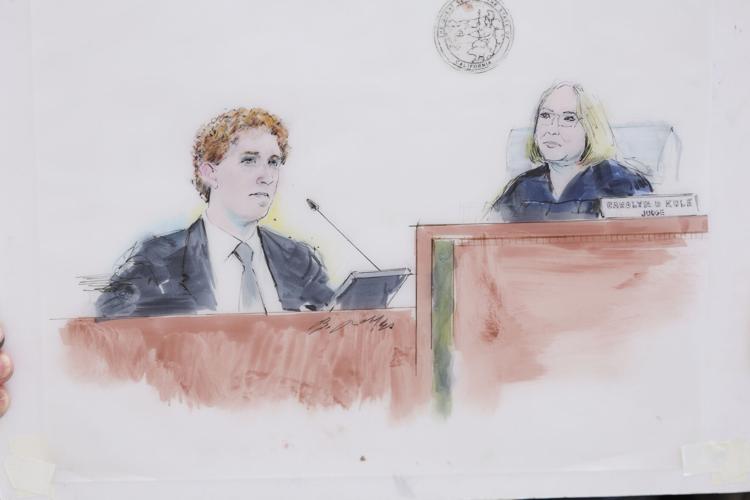
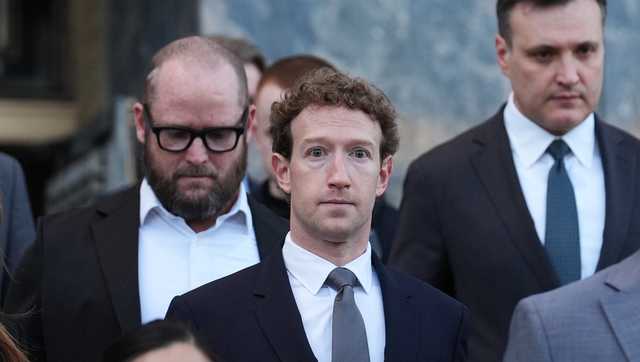
Meta and YouTube face unprecedented legal liability from a landmark jury trial involving 1,600+ plaintiffs, including 350 families and 250 school districts, alleging platform addiction features harm minors. The Los Angeles Superior Court trial concluded in February 2026 after six weeks of testimony from Meta CEO Mark Zuckerberg, Instagram head Adam Mosseri, and YouTube VP Cristos Goodrow. Sealed internal documents revealed damaging admissions: Meta employees called Instagram "a drug" with gambling-like addiction mechanics, while YouTube 2021 documents stated the platform wasn't measuring user wellbeing and functioned as a "digital babysitter" for children as young as eight. The jury must now prove negligence and causation, with deliberations beginning Friday. If plaintiffs prevail, companies face "substantial financial penalties" that could force fundamental platform redesigns affecting algorithmic feeds, autoplay features, and engagement mechanics.
For e-commerce sellers, this litigation creates immediate advertising platform uncertainty. The news articles explicitly highlight that sellers depend on Facebook and Instagram for customer acquisition, making these platforms critical to marketing operations. Potential outcomes include: (1) Algorithm modifications reducing organic reach and feed visibility, forcing sellers to increase paid advertising spend 15-25%; (2) Targeting capability restrictions limiting audience segmentation by age, interests, and behavior—directly impacting conversion rates for youth-oriented categories (fashion, beauty, gaming, electronics); (3) Content moderation policy changes affecting product listings, especially in beauty, wellness, and youth-targeted merchandise; (4) Advertising cost inflation as platforms reduce inventory to comply with new design standards, potentially increasing CPC by 20-40% for competitive categories.
The litigation represents the first of 20+ bellwether trials scheduled through 2026-2027, establishing legal precedent that social media companies can be held accountable before juries for user harms. TikTok and Snap already settled before trial, signaling industry recognition of liability exposure. This cascading litigation creates a 12-24 month window of regulatory uncertainty where platform policies could shift dramatically. Sellers relying heavily on Instagram/Facebook for customer acquisition (estimated 60-70% of social commerce sellers) face potential ROI compression if advertising effectiveness declines or costs spike. The case also signals broader regulatory scrutiny: if Meta loses, expect accelerated legislative action on platform design standards, potentially triggering FTC enforcement actions and state-level restrictions on algorithmic feeds and engagement mechanics that directly impact seller visibility and targeting precision.
Questions 8
What immediate actions should I take given this litigation outcome?
Take these steps within 30 days: (1) Audit current ad spend allocation—document % on Instagram/Facebook vs. other platforms; (2) Calculate breakeven CPC increases—determine at what cost level Instagram becomes unprofitable; (3) Begin TikTok Shop setup (2-4 weeks) and Pinterest Ads testing ($500-1,000 pilot budget); (4) Build email list capture on product pages (target 5-10% monthly growth); (5) Review product category risk—beauty/youth-targeted items face highest targeting restriction risk; (6) Monitor jury deliberations (Friday onwards) and set alerts for verdict announcement. Within 60-90 days: (1) Shift 15-20% of Instagram budget to diversified channels; (2) Develop influencer partnership strategy for organic reach; (3) Increase Amazon Advertising spend by 10-15%; (4) Audit product listings for compliance with potential age-restriction requirements. This phased approach reduces platform concentration risk while maintaining current revenue during the 12-24 month litigation uncertainty window.
How much should I budget for advertising if Meta loses this case?
If Meta loses and faces design restrictions, budget 25-40% higher advertising costs within 12 months. Current benchmarks: sellers spending $3,000/month on Instagram ads should prepare for $3,750-4,200/month post-verdict. The cost increase stems from: (1) reduced ad inventory (fewer algorithmic placements); (2) lower targeting precision (restricted audience segmentation); (3) reduced organic reach (forcing more paid promotion); (4) competitive bidding increases (other sellers shifting budgets to remaining inventory). Diversification reduces impact: sellers allocating 40% to Instagram, 30% to TikTok, 20% to Amazon, and 10% to Pinterest would see only 10-15% overall cost increase if Instagram costs spike 40%. Start building alternative channel presence now—TikTok Shop setup takes 2-4 weeks, Amazon Advertising optimization takes 4-8 weeks, and email list building requires 3-6 months to generate meaningful ROI.