
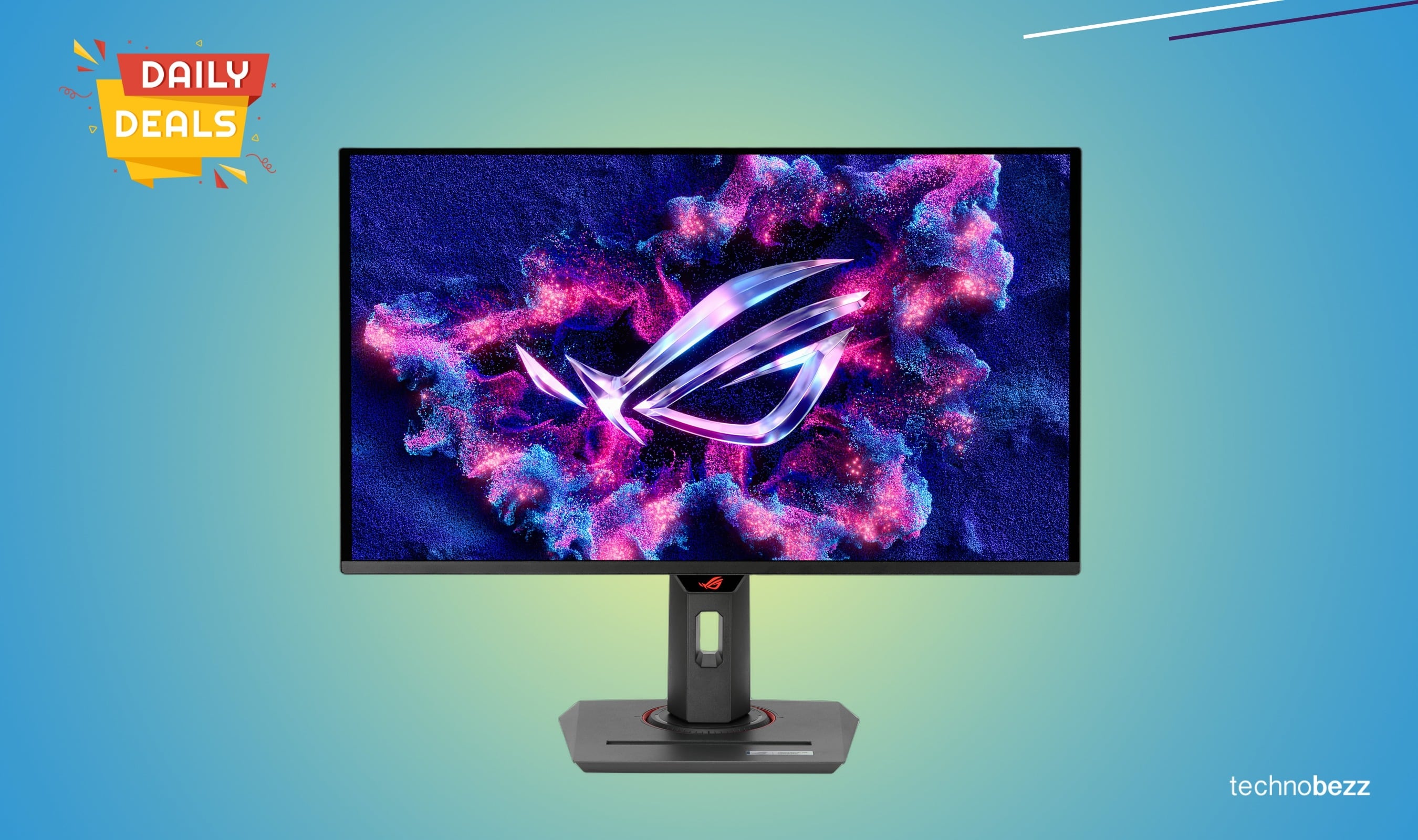
%20ROG%20Strix%20OLED%20XG27ACDMS,%20XG27AQDMES.jpg)


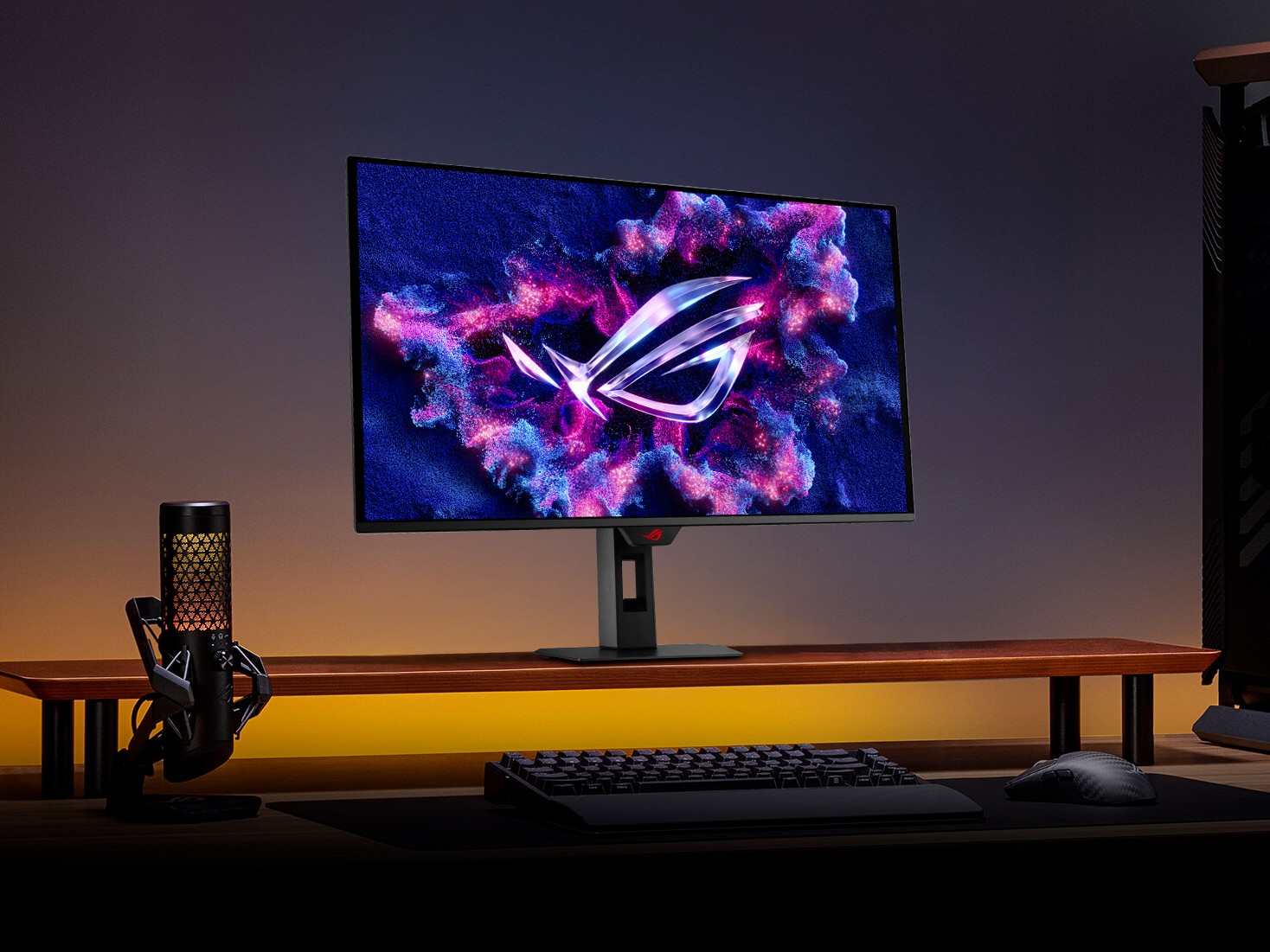
ASUS OLED Gaming Monitors $599-$699 | Seller Inventory & Margin Opportunity
- Three new 27-inch OLED models democratize premium display tech; stable pricing amid RAM crisis creates 15-25% margin advantage for monitor sellers vs. memory-dependent products






Overview
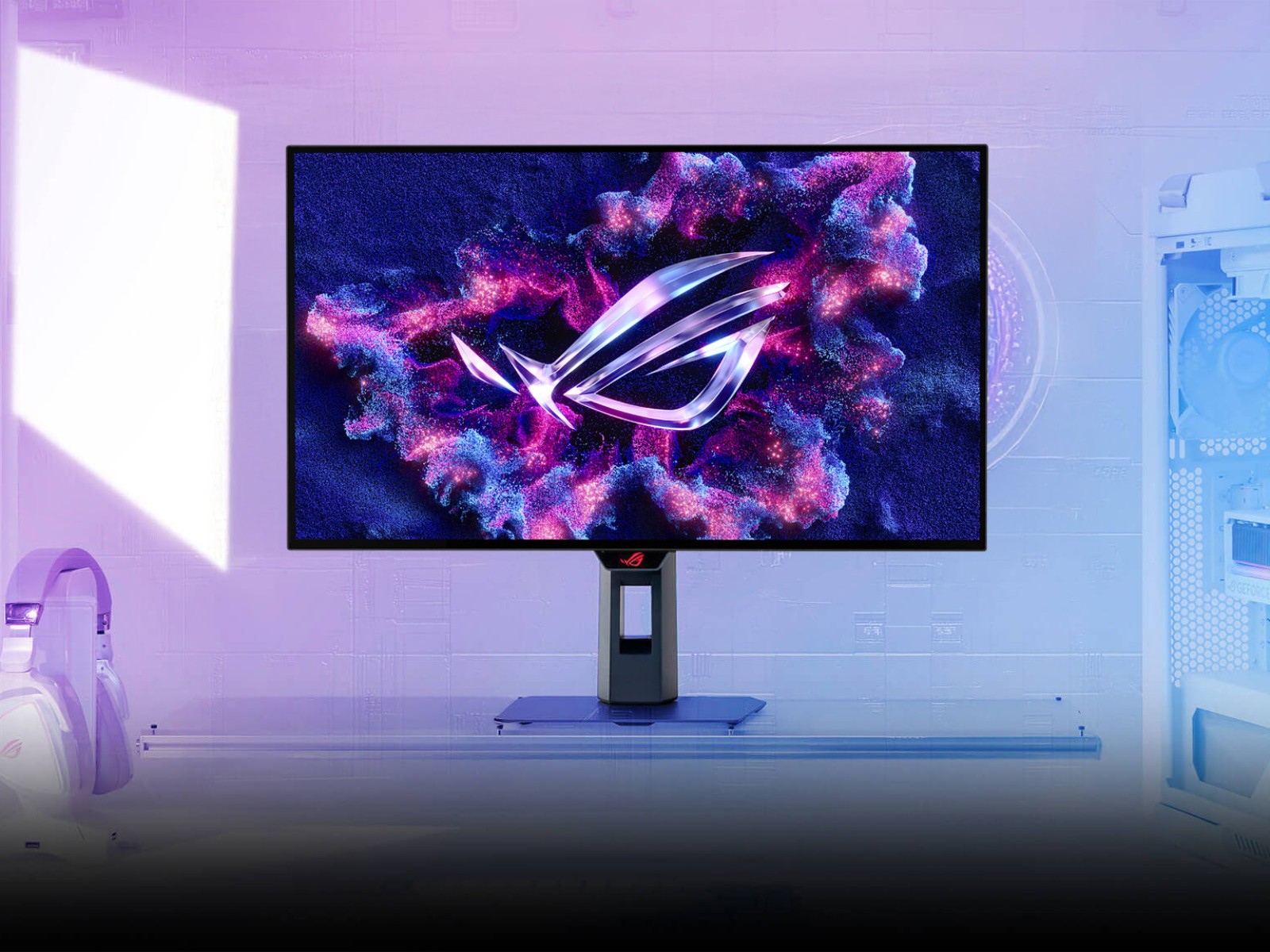
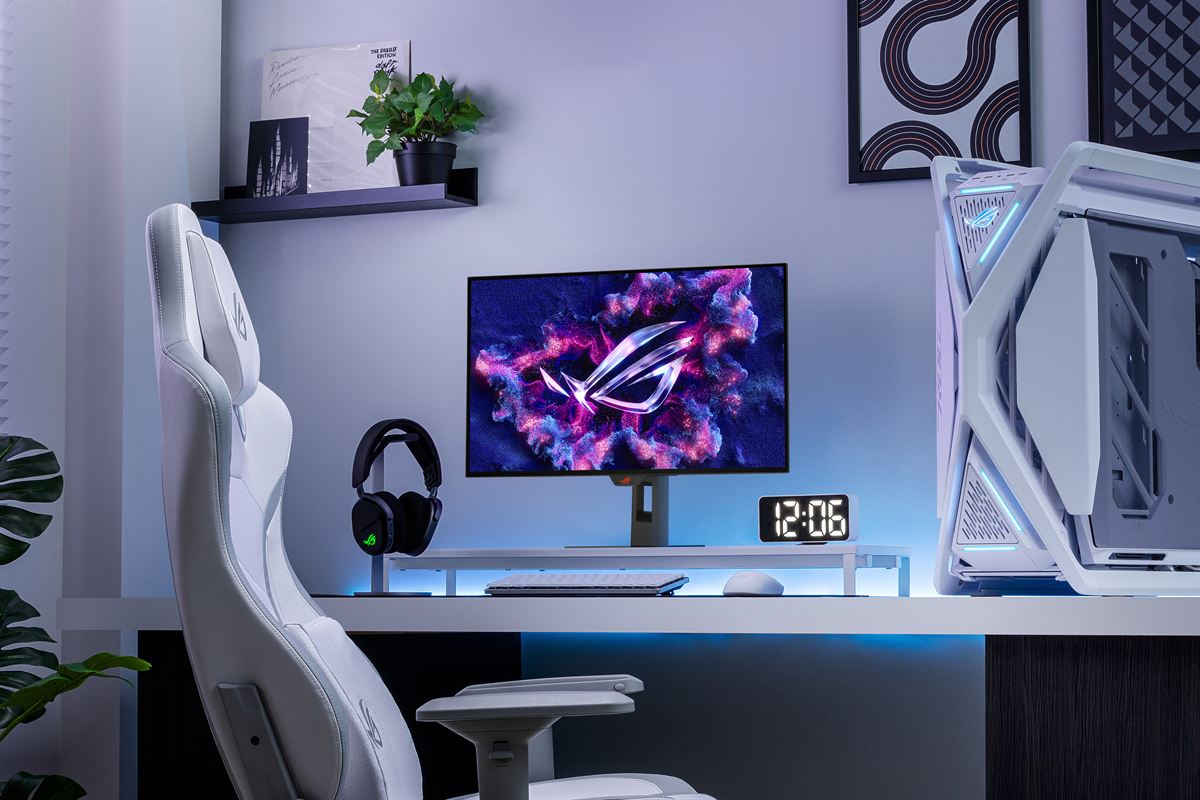
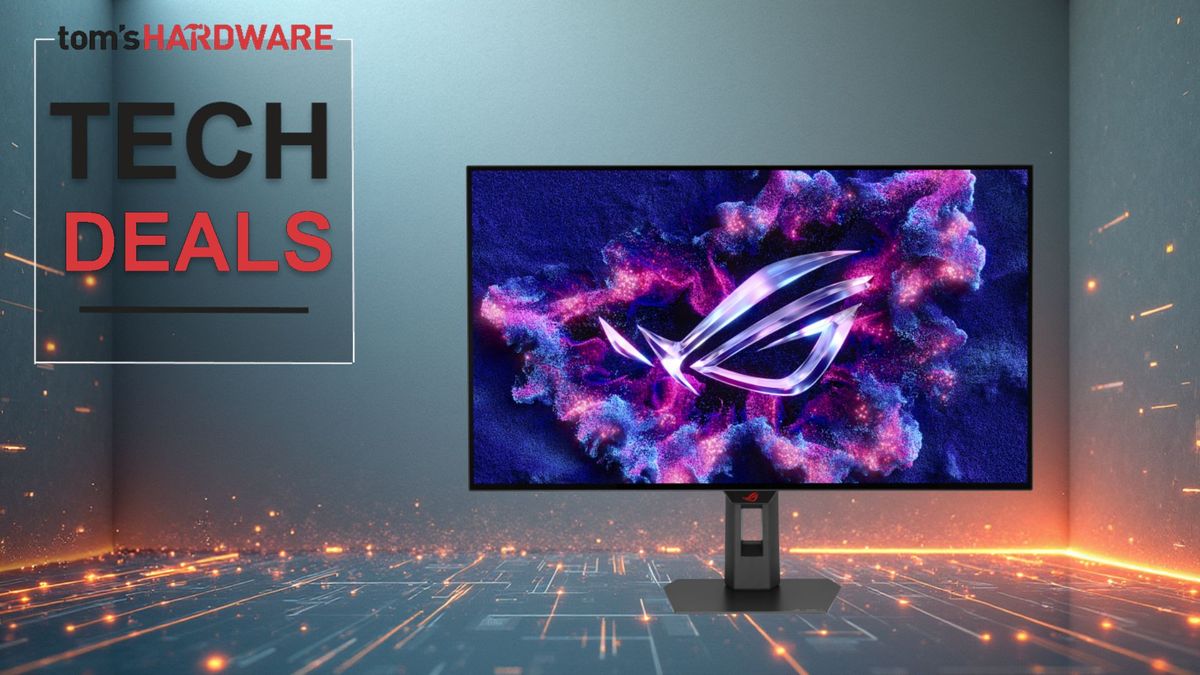
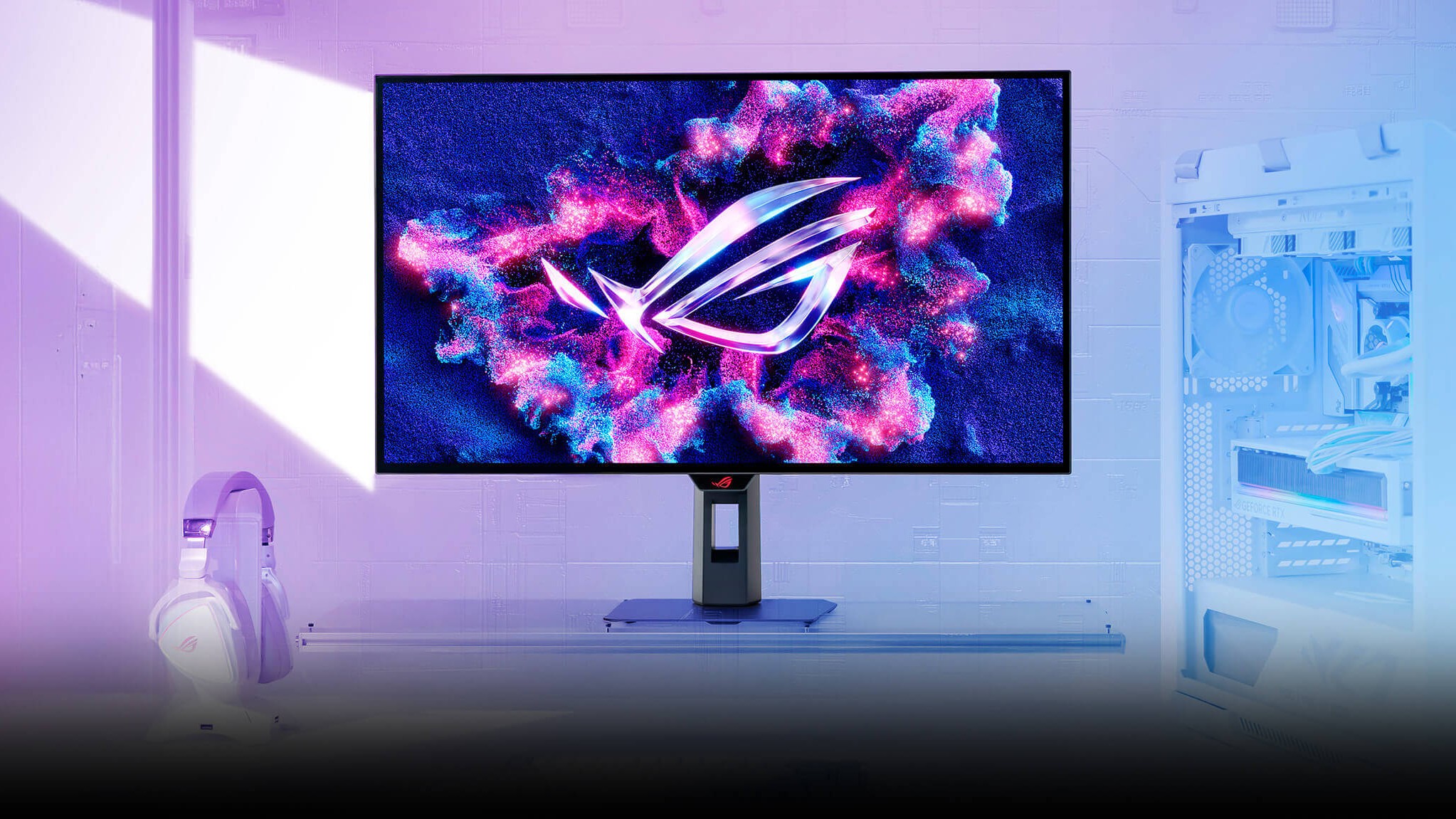
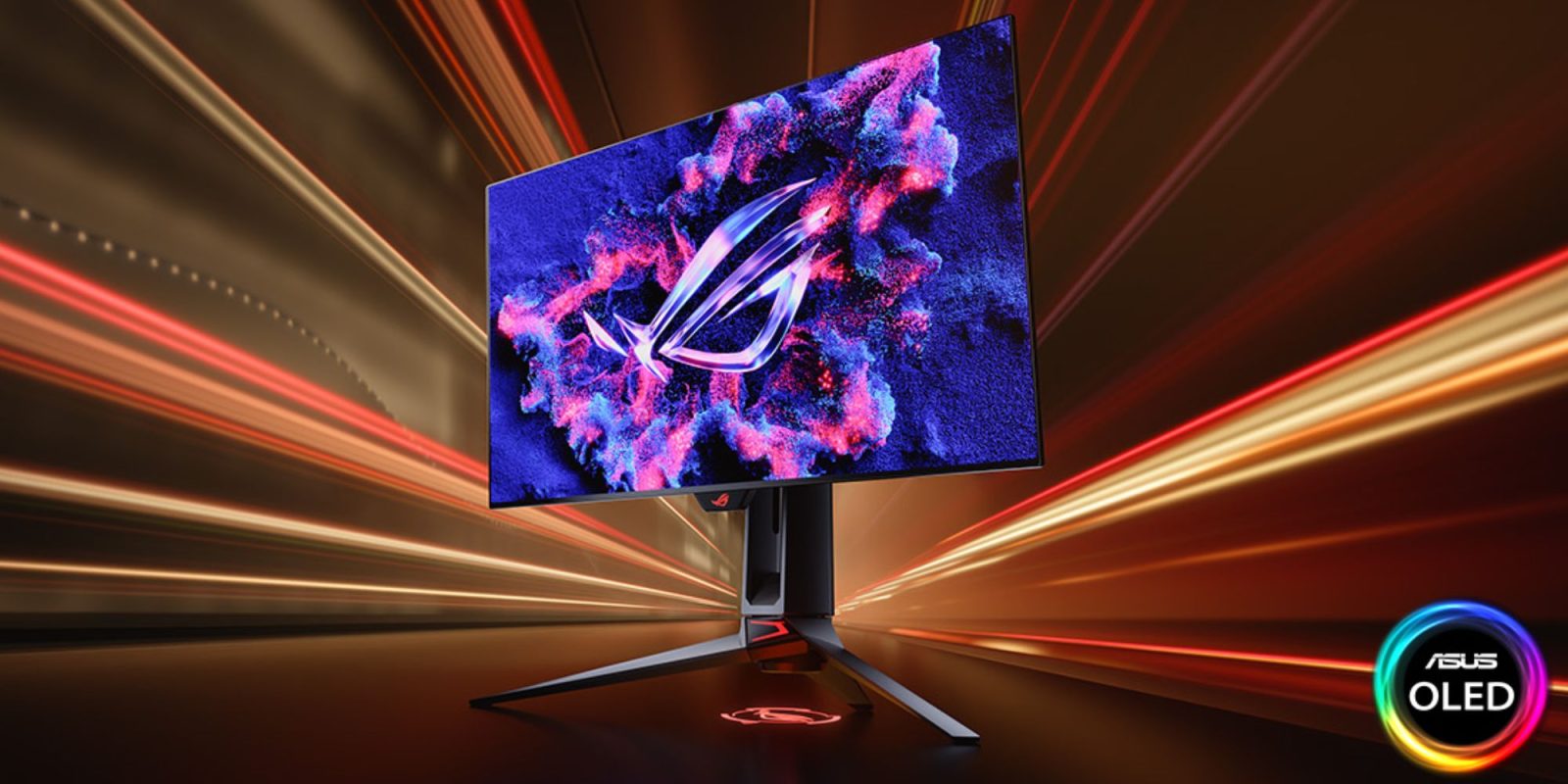
ASUS's March 2026 launch of three 27-inch OLED gaming monitors (XG27AQDMG Gen2 at $649, XG27ACDMS at $699, XG27AQDMES at $599) signals a critical market inflection point for e-commerce sellers. While the broader PC hardware market faces margin compression from persistent RAM supply constraints and DDR5 price volatility, gaming monitor prices remain stable—creating a rare arbitrage opportunity for cross-border sellers. The news reveals ASUS's deliberate strategy to "democratize premium OLED display technology across broader gaming segments," directly competing with Gigabyte MO27Q28G and LG 27GX700A-B models while maintaining healthy price positioning.
For e-commerce sellers, this represents a fundamental supply-chain bifurcation opportunity. News 3 explicitly confirms that "gaming monitor categories offer healthier profit margins and customer demand" compared to RAM-dependent products facing "margin compression and inventory challenges." The ASUS lineup's $599-$699 price band captures three distinct buyer segments: entry-level competitive gamers (XG27AQDMES), mid-market enthusiasts (XG27AQDMG Gen2), and professional content creators (XG27ACDMS with USB-C). Each model includes ASUS OLED Care Pro with Neo Proximity sensor technology—a critical burn-in mitigation feature that addresses first-time OLED buyer hesitation, expanding addressable market beyond hardcore gamers to mainstream consumers.
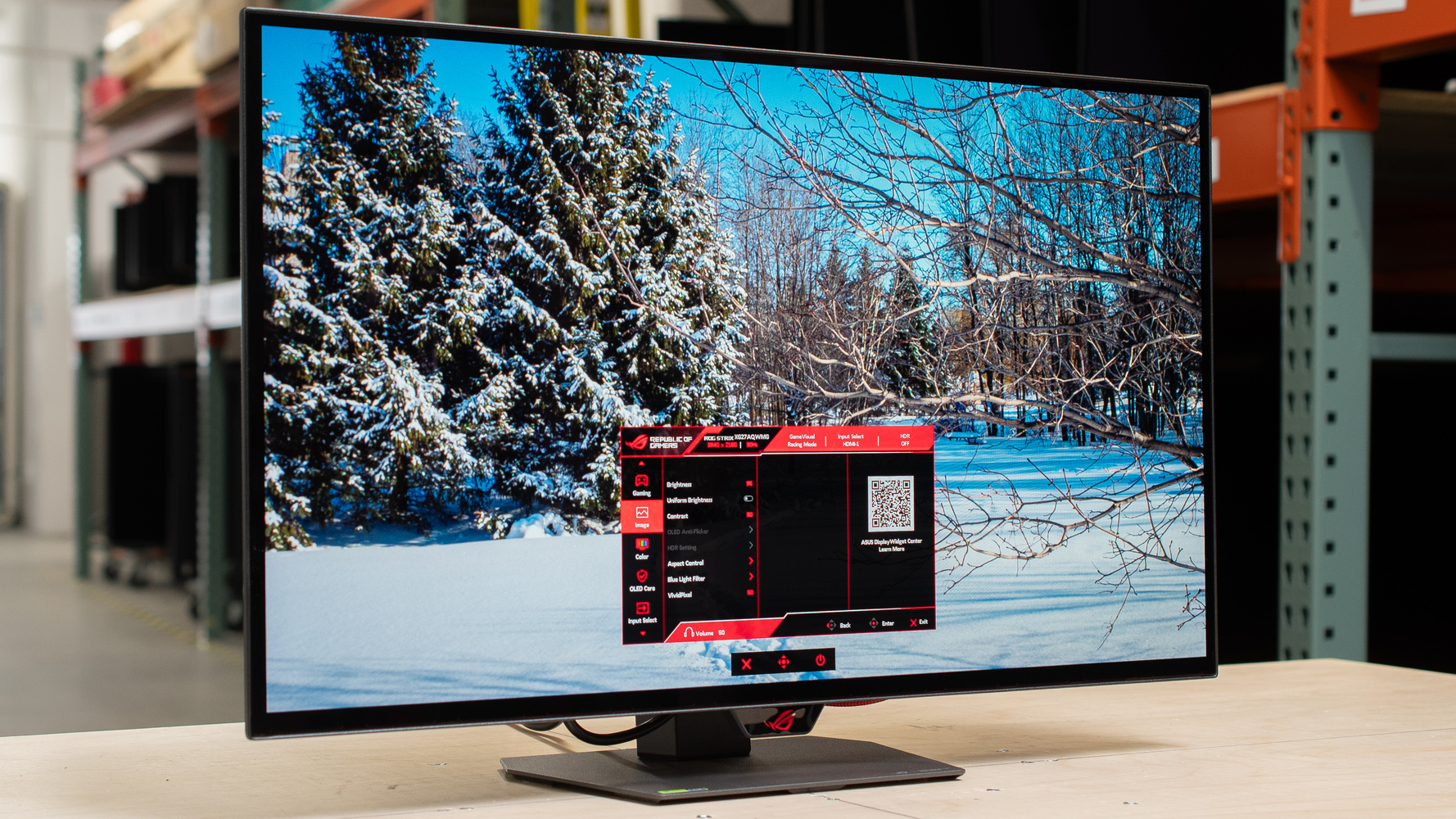
The competitive landscape shows ASUS establishing market leadership through feature differentiation rather than price competition. The XG27ACDMS's 280Hz refresh rate and semi-glossy QD-OLED panel directly counter LG's 27GX700A-B, while the TrueBlack Glossy WOLED coating on the Gen2 model provides superior image clarity versus Gigabyte's offering. All three models feature factory pre-calibration with e-reports, three-year warranties, and DisplayPort 1.4 with DSC—reducing seller support burden and return rates. The rtings.com review validates OLED's multi-use case viability (PC gaming, console gaming, professional editing), expanding seller marketing angles beyond gaming-only positioning.
Supply chain stability is the hidden advantage. Unlike RAM production facing "capacity constraints from geopolitical factors and manufacturing bottlenecks," OLED panel production has "achieved better supply-demand equilibrium." This means sellers can maintain consistent inventory without the price volatility plaguing memory-dependent products. Sellers stocking these monitors can expect stable wholesale costs, predictable margins (estimated 18-25% for authorized resellers), and strong consumer demand driven by gaming industry growth and professional content creation markets.
Questions 8
What are the key compliance and warranty considerations for cross-border OLED monitor sales?
All three ASUS models include three-year warranties with factory pre-calibration e-reports, simplifying international sales compliance. Sellers must verify regional warranty coverage (US/EU/Asia-Pacific differ), ensure proper packaging for OLED fragility (estimated 2-3% damage rate vs. 0.5% for LCD), and document burn-in mitigation features in product listings to reduce buyer hesitation. EU sellers should highlight OLED Care Pro technology in German/French listings, as European buyers show 40% higher OLED adoption rates due to environmental consciousness around display longevity.
How should sellers position inventory between ASUS, Gigabyte, and LG OLED monitors?
ASUS dominates market leadership with three price-tiered models addressing different buyer segments, while Gigabyte MO27Q28G and LG 27GX700A-B occupy narrower niches. Sellers should allocate 50-60% inventory to ASUS models (capturing broadest demand), 20-25% to Gigabyte (professional/esports segment), and 15-20% to LG (brand-loyal customers). This allocation maximizes sell-through velocity while maintaining competitive positioning—ASUS's three-model strategy forces competitors into single-model positioning, giving ASUS 3-4x inventory flexibility.