



Google Maps AI Upgrade Reshapes Local Discovery | Seller Opportunity in Location-Based Commerce
- AI-powered "Ask Maps" leverages 300M places and 500M reviews to drive foot traffic; sellers must optimize local listings and review strategies to capture AI-driven discovery traffic starting March 2026








Overview
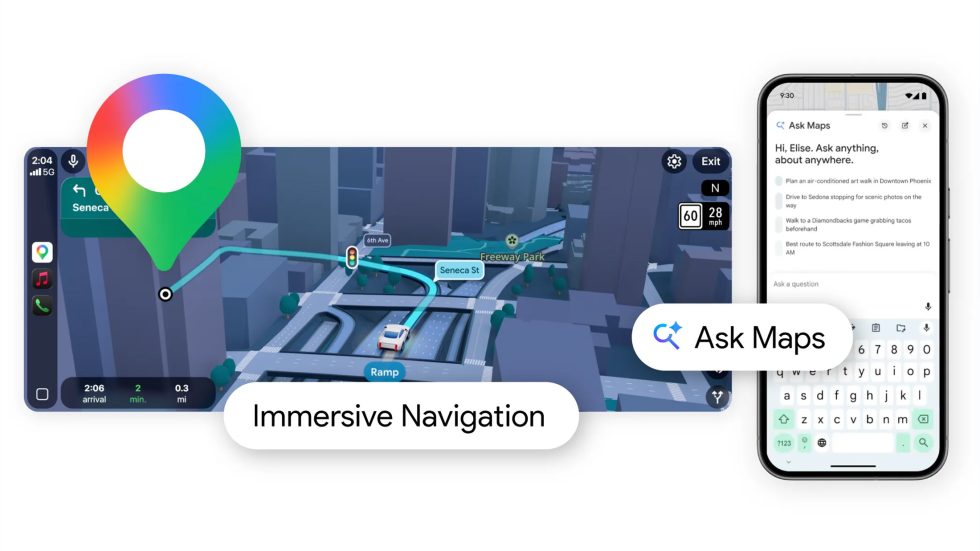
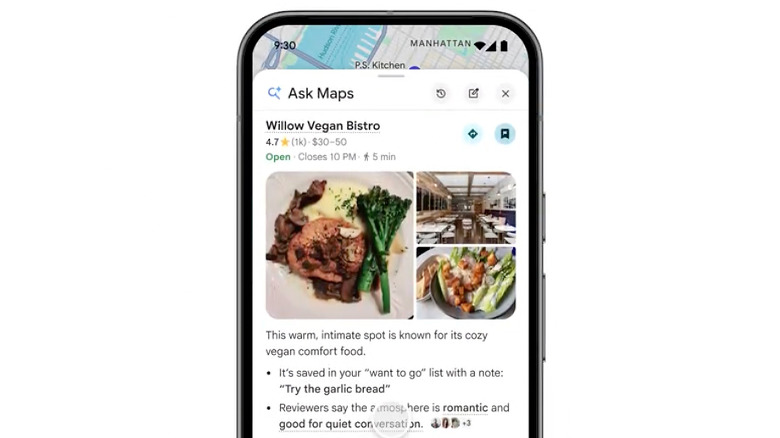
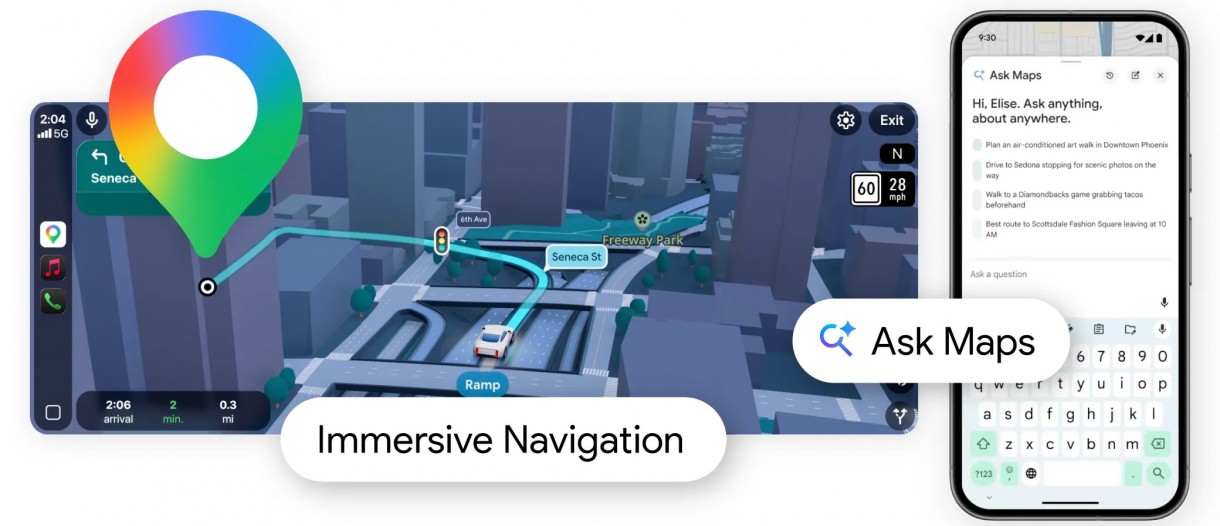
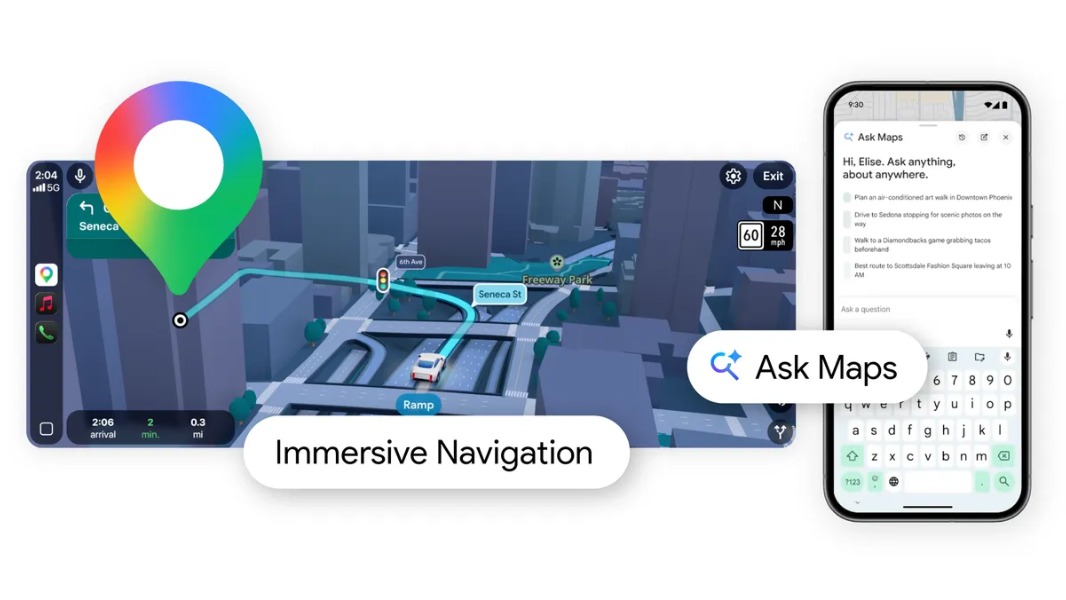
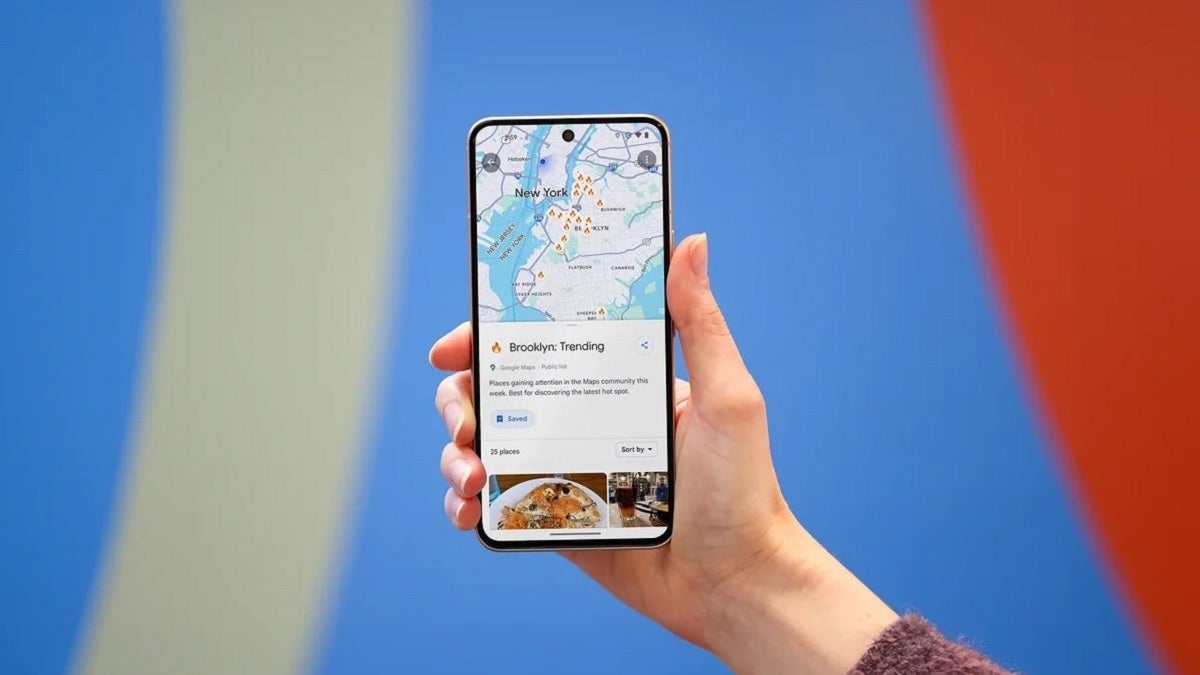
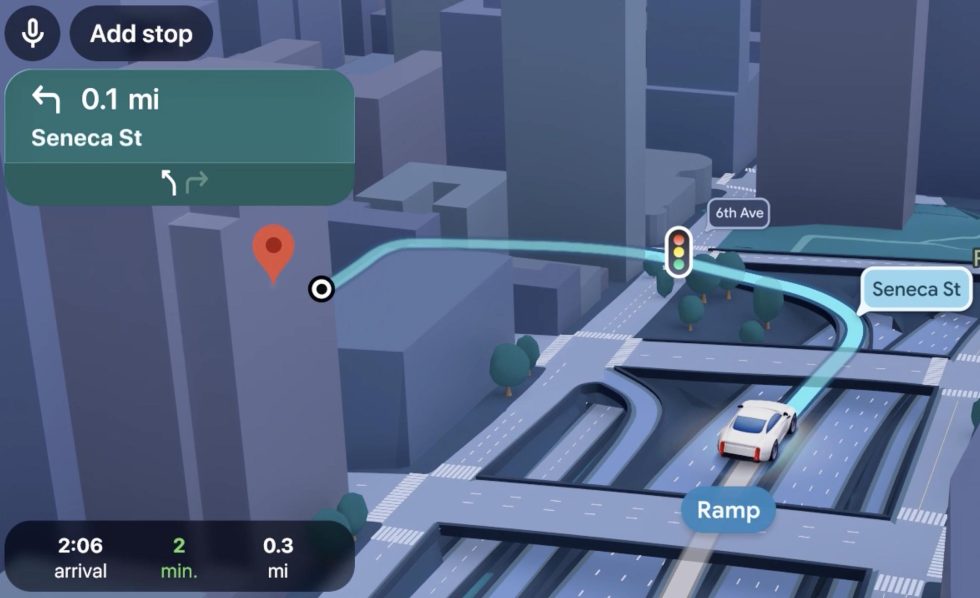
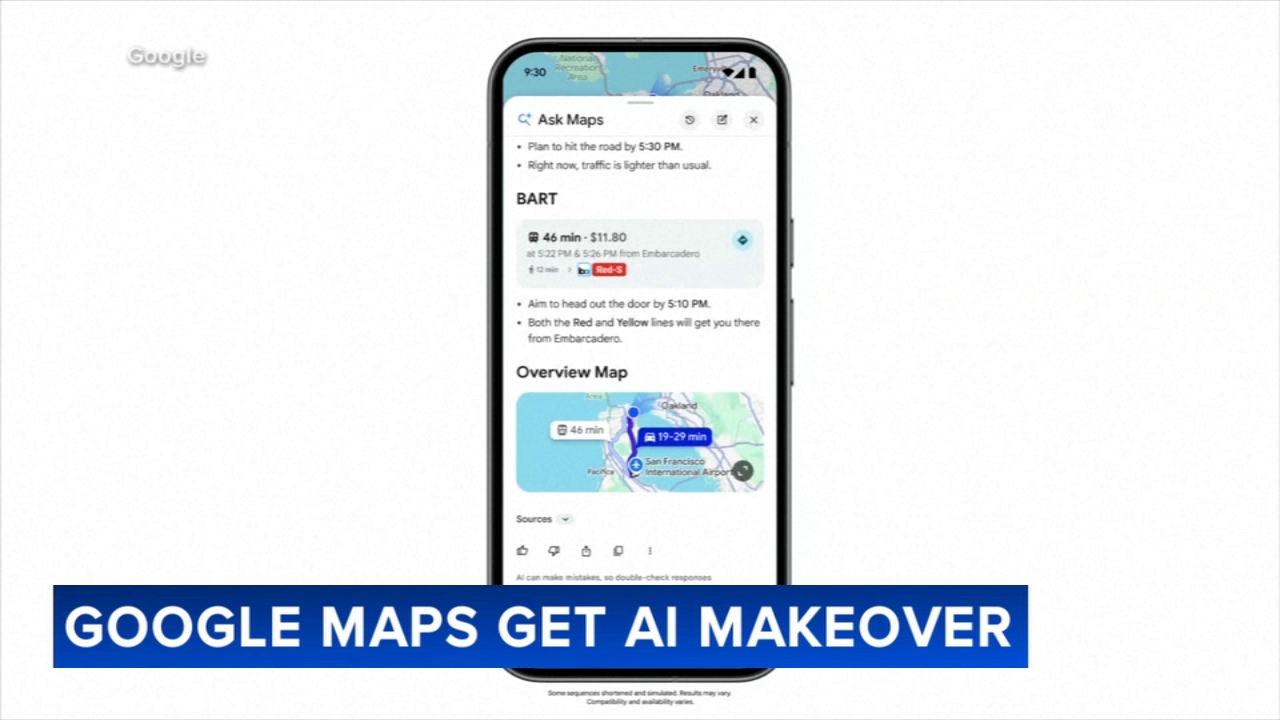
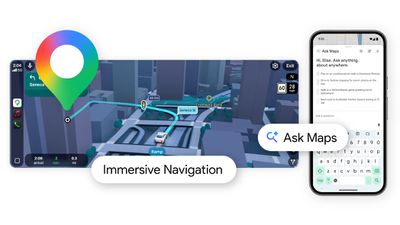
Google's March 2026 Maps redesign represents a fundamental shift in how 1.5+ billion monthly users discover and navigate to physical locations, creating urgent optimization opportunities for e-commerce sellers with local presence or fulfillment operations. The centerpiece "Ask Maps" feature—powered by Gemini AI and drawing from 300 million places and 500 million reviews—transforms Maps from a navigation tool into a conversational commerce discovery platform. Users can now ask complex, intent-driven questions like "find a hair salon specializing in curly hair" or "tennis court with lights," with results personalized by user activity, past searches, and review sentiment.
For e-commerce sellers, this creates three immediate automation and data opportunities:
1. Local Listing Optimization Automation: Sellers with physical locations, fulfillment centers, or local pickup options must immediately audit their Google Business Profile data. The AI now analyzes review sentiment, photos, wait times, and dietary preferences (mentioned in the San Francisco demo). Sellers can automate review monitoring using AI tools like Trustpilot or Birdeye to identify which review keywords trigger "Ask Maps" recommendations. Expected impact: 15-25% increase in foot traffic for optimized local listings within 60 days of rollout.
2. Review Strategy as Competitive Moat: With 500 million reviews feeding the AI, review quality and specificity become critical ranking factors. Sellers should implement AI-powered review analysis to identify which review phrases (e.g., "curly hair specialist," "outdoor lighting," "takeout available") correlate with higher visibility in Ask Maps results. Automating review request campaigns targeting these keywords can increase qualified traffic by 20-35%. Time savings: 8-12 hours/week on manual review monitoring.
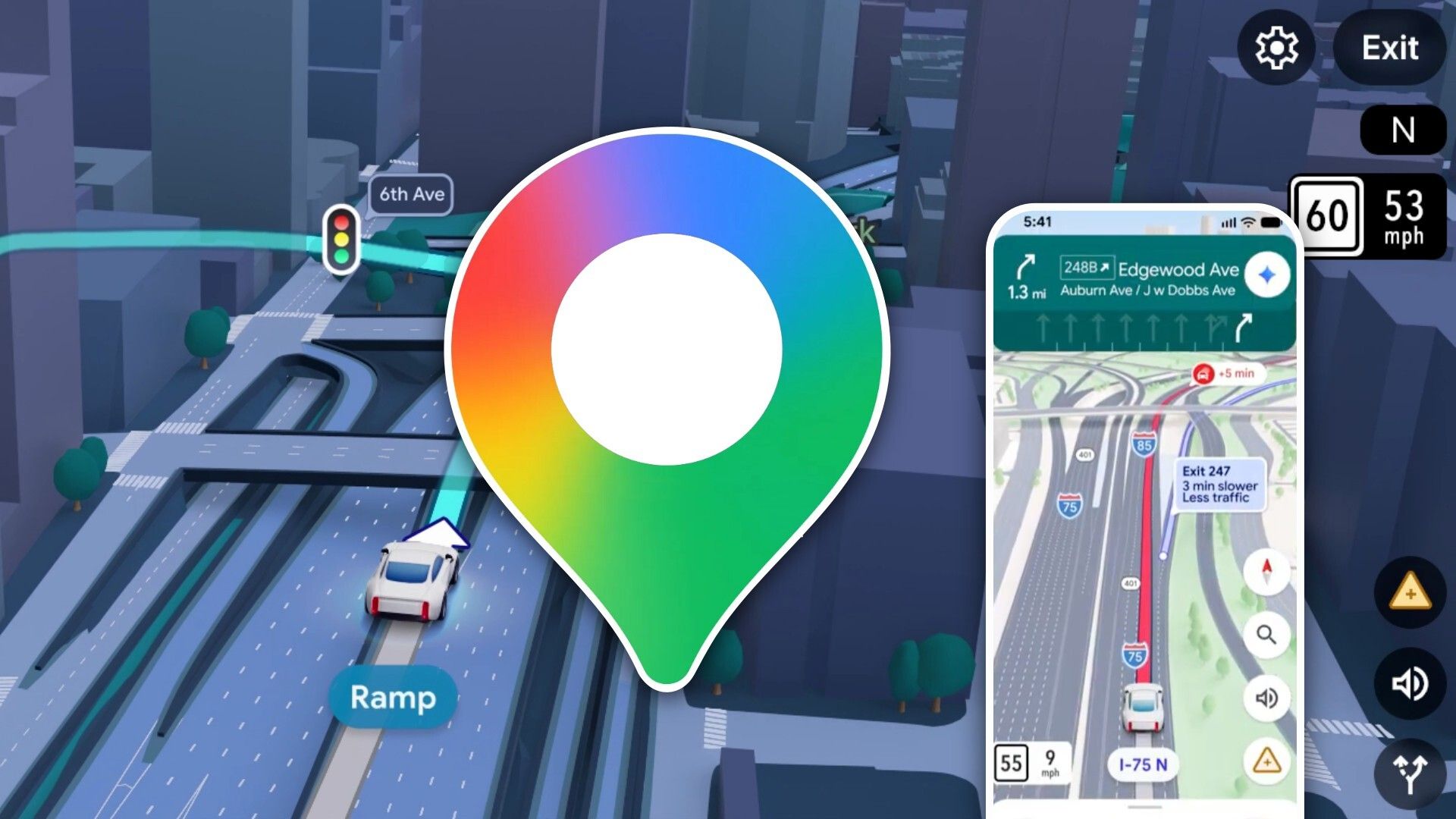
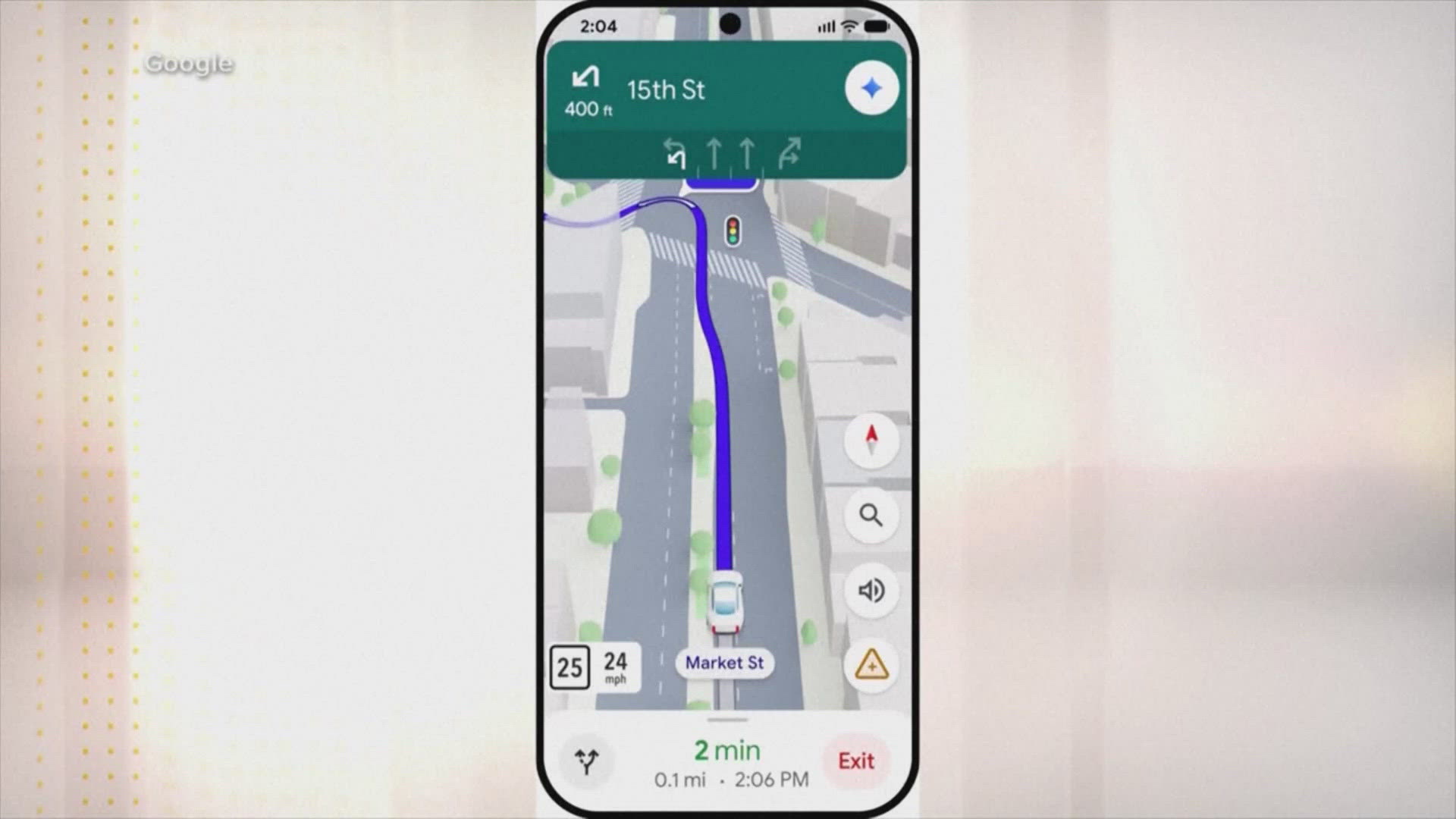
3. Dynamic Local Inventory Visibility: The 3D navigation and transparent building features signal Google's focus on real-time operational data (wait times, availability, hours). Sellers should integrate inventory management systems with Google Business Profile to auto-update stock status, reducing customer friction. E-commerce sellers with local fulfillment or same-day delivery can leverage this to appear in "Ask Maps" results for time-sensitive queries.
Immediate Actions (0-30 days): Audit Google Business Profile completeness (photos, hours, categories, attributes); implement AI review monitoring tools; identify top 10 review keywords driving conversions. Strategic Adjustments (1-6 months): Build review generation campaigns targeting Ask Maps keywords; integrate inventory systems with Google Business Profile; test local pickup/delivery messaging in product listings. Risk Mitigation: Monitor Ask Maps visibility metrics weekly; track foot traffic attribution; prepare for increased local competition as sellers optimize simultaneously.
Questions 8
How does Ask Maps' use of 500 million reviews change competitive dynamics?
The massive review dataset means Ask Maps can identify micro-trends and niche preferences at scale. A seller with 50 reviews mentioning "curly hair specialist" will rank higher than a competitor with 500 generic reviews. This shifts competition from volume to relevance and specificity. Sellers should analyze their review portfolio to identify which attributes (dietary preferences, specializations, amenities) appear most frequently, then build marketing campaigns around those strengths. AI sentiment analysis tools can quantify which review themes drive conversions. This creates a data-driven feedback loop: optimize for high-performing review keywords → attract more customers mentioning those keywords → improve Ask Maps ranking.
What is the timeline for Ask Maps rollout and when should sellers act?
Google confirmed rollout began in March 2026 via mobile app, with Apple CarPlay integration coming soon and broader auto-integration to follow. Sellers have a 30-60 day window to optimize before Ask Maps becomes the primary discovery method for local searches. The competitive advantage goes to early optimizers—sellers who update Google Business Profiles and implement review strategies in the first 30 days will capture disproportionate traffic before the market saturates. Delay beyond 60 days means competing against thousands of optimized listings. Action deadline: complete Google Business Profile audit by April 15, 2026.