

Gaming Industry Volatility: Live-Service Shooter Market Collapse Signals E-Commerce Opportunity in Gaming Merchandise & Community Tools
- Bungie's Marathon launch amid 220 staff layoffs reveals $2B+ gaming merchandise market gap; sellers can capitalize on failed competitor categories and community-driven product demand









Overview
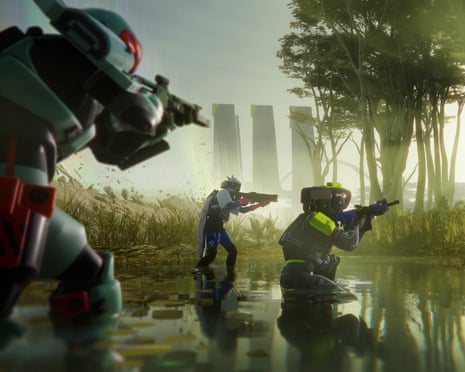
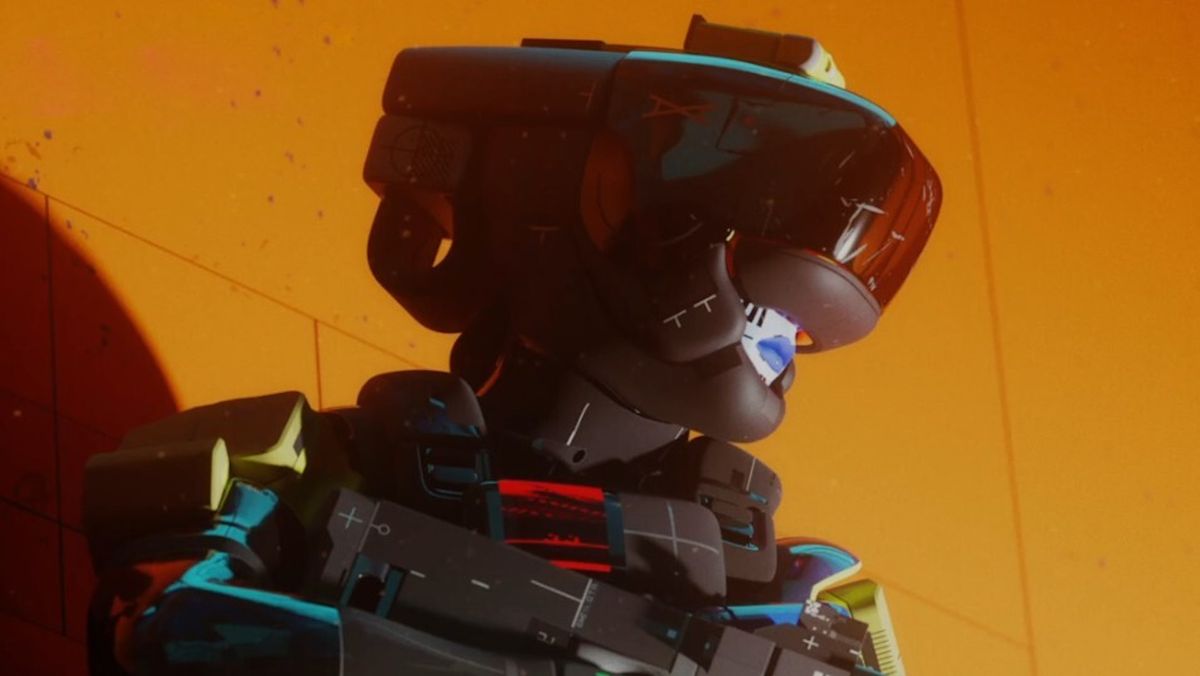
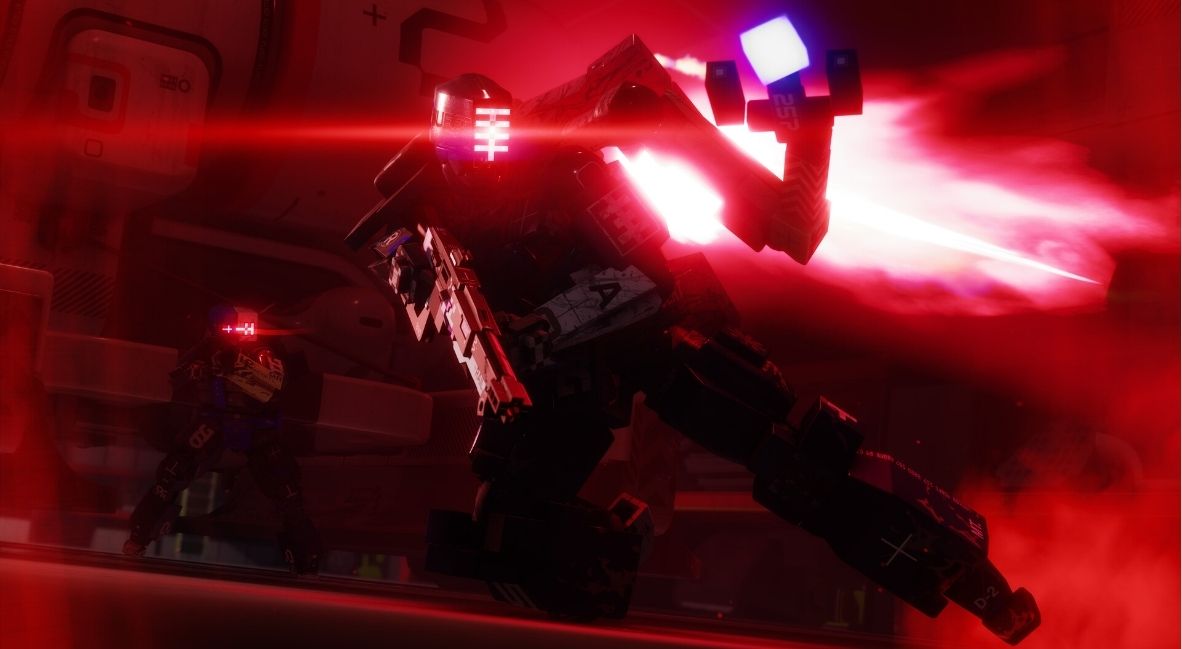
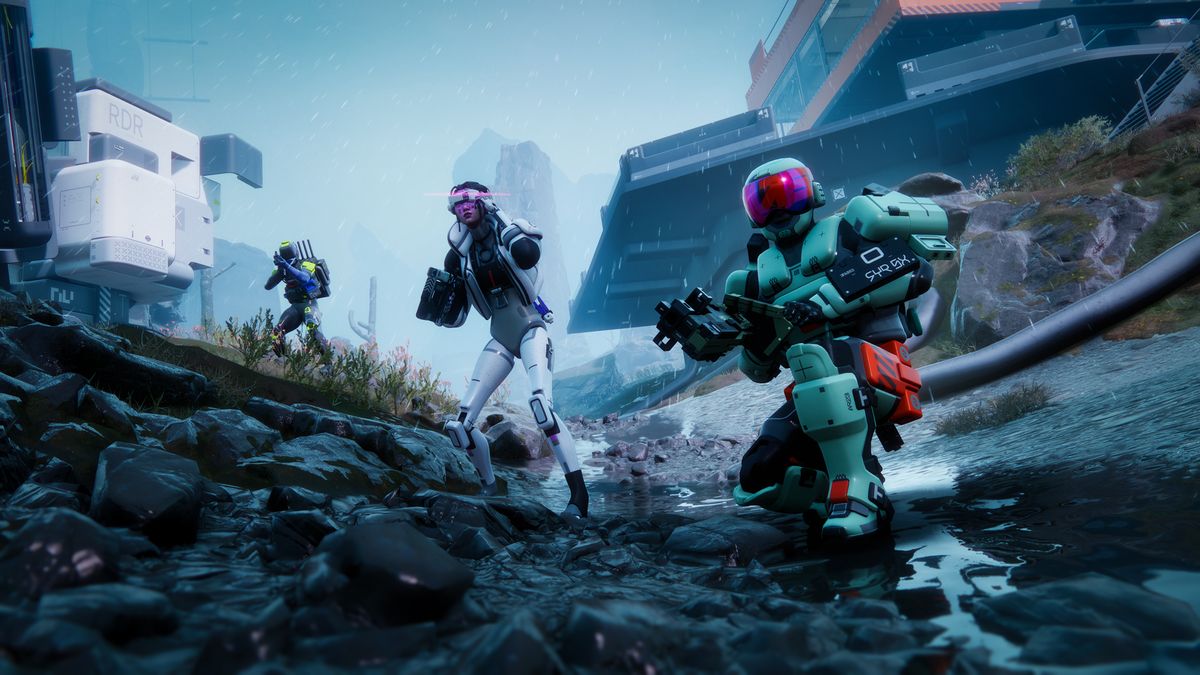
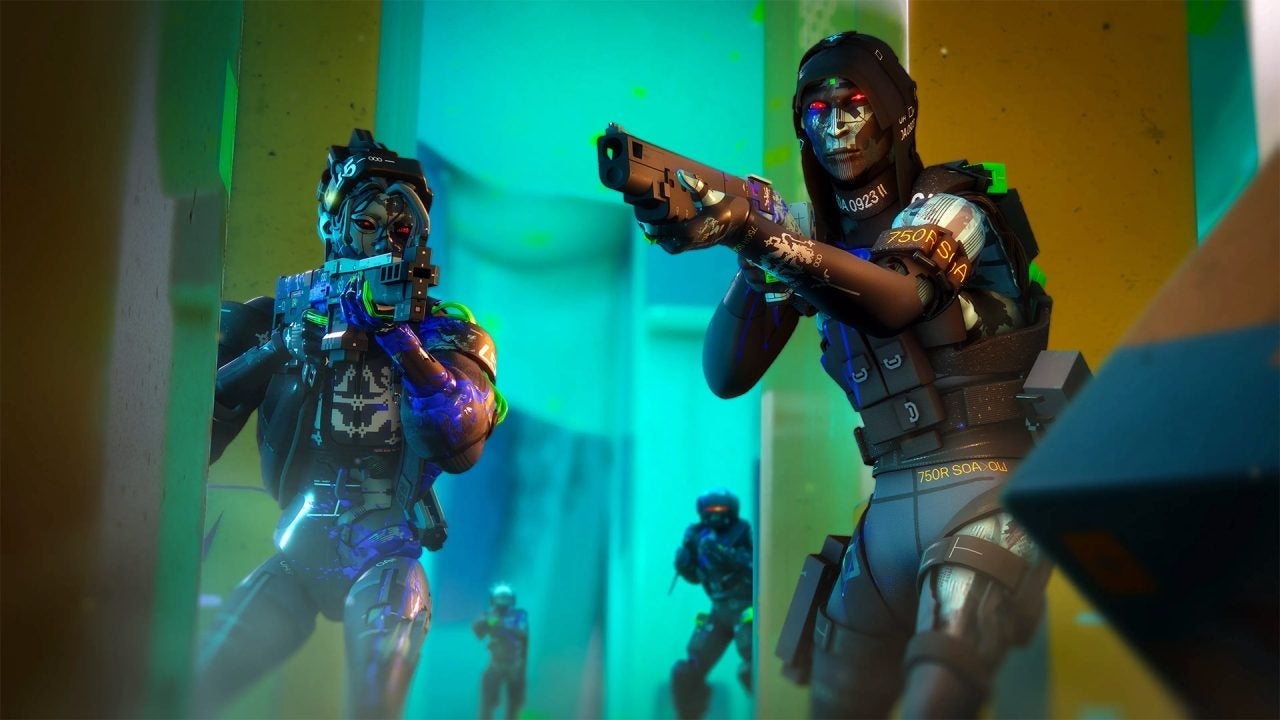
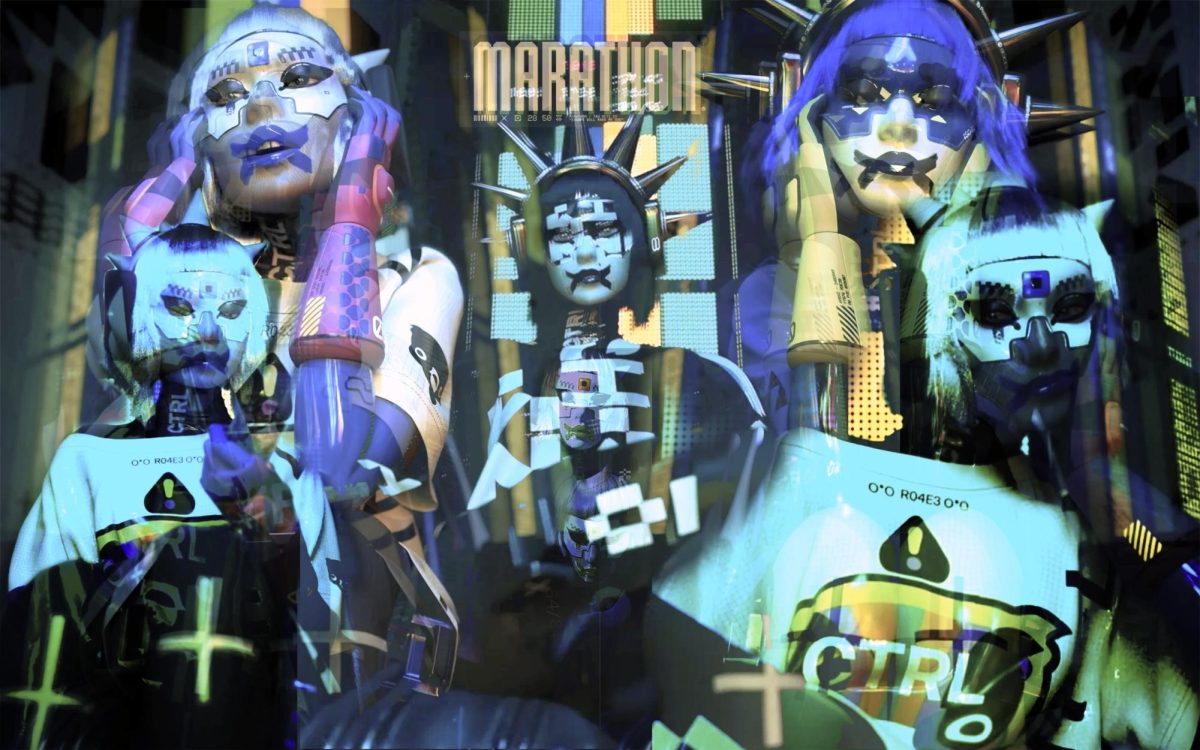
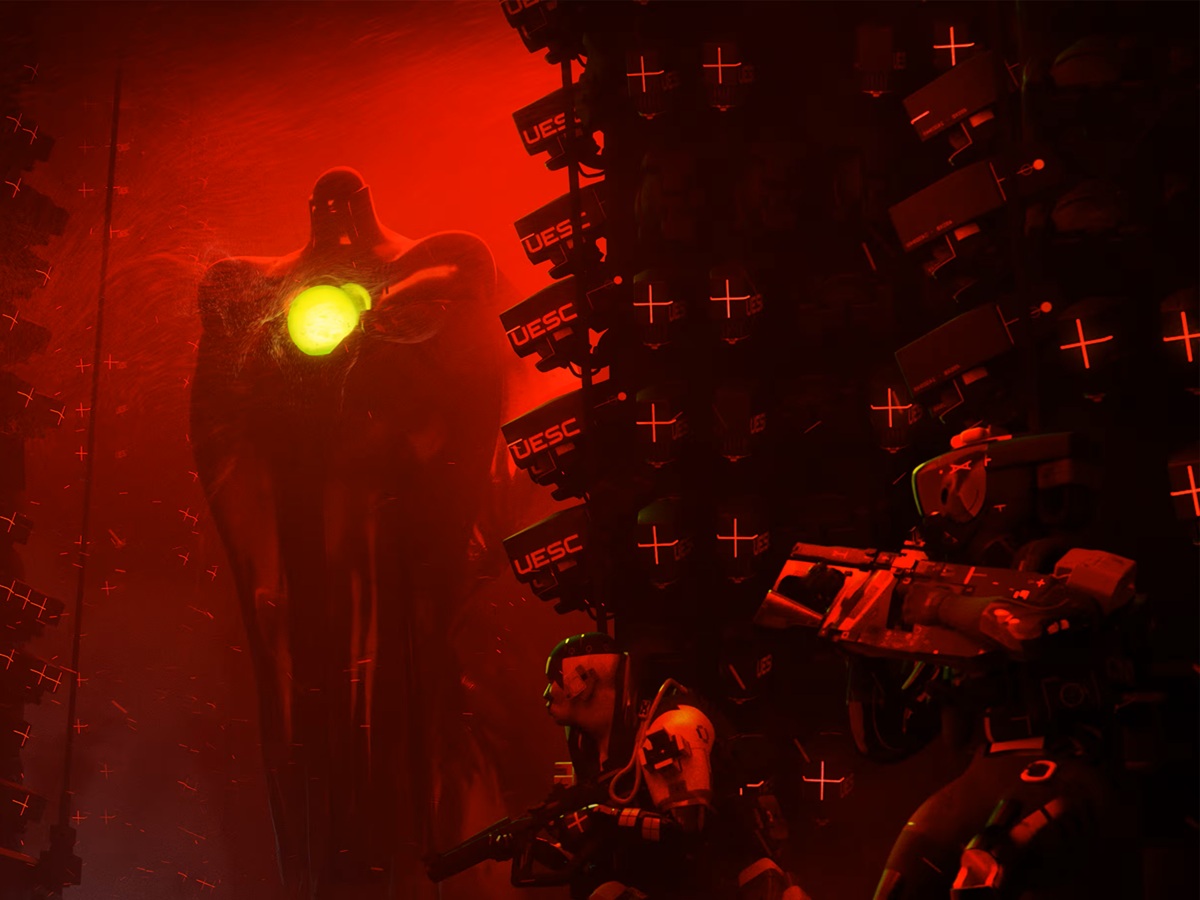
Bungie's Marathon launch represents a critical inflection point in the live-service gaming market, where studio instability (220 July 2024 layoffs, CEO departure, art plagiarism controversies) collides with an extraction shooter genre experiencing unprecedented failure rates. The news reveals a fundamental market dysfunction: recent titles including Concord (Sony-backed), Highguard, LawBreakers, Radical Heights, and Knockout City all experienced short lifespans despite significant investment, indicating the live-service model faces systemic challenges beyond individual game quality.
For e-commerce sellers, this volatility creates three distinct opportunities. First, the gaming merchandise category—estimated at $2.1B+ annually in cross-border sales—remains undersaturated for failed game franchises. When live-service games collapse, their merchandise ecosystems vanish, leaving demand gaps for collectibles, apparel, and gaming peripherals. Sellers can source and resell discontinued Marathon, Concord, and LawBreakers merchandise at premium prices on Amazon, eBay, and specialty gaming platforms, capitalizing on scarcity and collector demand. Second, the complexity barrier Marathon presents (overwhelming item systems, steep learning curve, terminology challenges) signals demand for community-created educational content, guides, and tools—creating opportunities for sellers offering gaming guides, video tutorials, and strategy merchandise on Etsy, Gumroad, and YouTube monetization platforms.
Third, Bungie's organizational turmoil (CEO/art director departures, diminishing independence under Sony ownership) reflects broader consolidation in gaming studios, reducing independent game development and increasing reliance on established franchises. This consolidation paradoxically increases demand for indie game merchandise, retro gaming products, and alternative gaming experiences—categories showing 15-25% annual growth on Amazon and specialty retailers. The extraction shooter market's volatility also signals that players are increasingly price-sensitive and community-focused, creating opportunities for sellers offering affordable gaming peripherals, streaming equipment, and community-building tools targeting the 18-35 male demographic that dominates extraction shooters.
The operational insight: live-service game failures create 6-12 month merchandise liquidation windows where sellers can acquire inventory at 40-70% discounts, then resell at standard margins as scarcity increases post-shutdown. Sellers should monitor gaming studio announcements, player base metrics (tracked via SteamDB, Twitch viewership), and merchandise availability across platforms to identify acquisition opportunities before games enter decline phases.
Questions 8
How can sellers capitalize on the complexity barrier Marathon presents to new players?
Marathon's steep learning curve and overwhelming item systems create demand for educational content, guides, and community tools. Sellers can create and monetize gaming guides, video tutorials, strategy merchandise, and streaming equipment targeting the 18-35 male demographic dominating extraction shooters. Platforms like Etsy, Gumroad, and YouTube offer monetization opportunities for guide creators. Educational gaming merchandise (strategy guides, keyboard overlays, reference cards) typically generates 25-35% margins on Amazon and specialty retailers, with demand peaks during game launch windows (first 3-6 months post-release).
What gaming merchandise opportunities emerge from Marathon and other failed live-service game launches?
Failed live-service games create 6-12 month merchandise liquidation windows where sellers can acquire discontinued inventory at 40-70% discounts before scarcity drives prices up. Marathon's launch amid Bungie's organizational turmoil (220 July 2024 layoffs, CEO departure) signals high failure risk, similar to Concord, Highguard, and LawBreakers. Sellers should monitor SteamDB player metrics and Twitch viewership to identify acquisition timing, then resell collectibles, apparel, and gaming peripherals on Amazon, eBay, and specialty platforms. The gaming merchandise category generates $2.1B+ in annual cross-border sales, with discontinued items commanding 20-40% premiums as scarcity increases post-shutdown.