
India Marine Export Boost 2026 | Seller Opportunity in Seafood Category
- Government infrastructure investment signals 15-25% logistics cost reduction potential for organized seafood exporters; compliance upgrades required for 50K+ Indian cross-border sellers
Overview
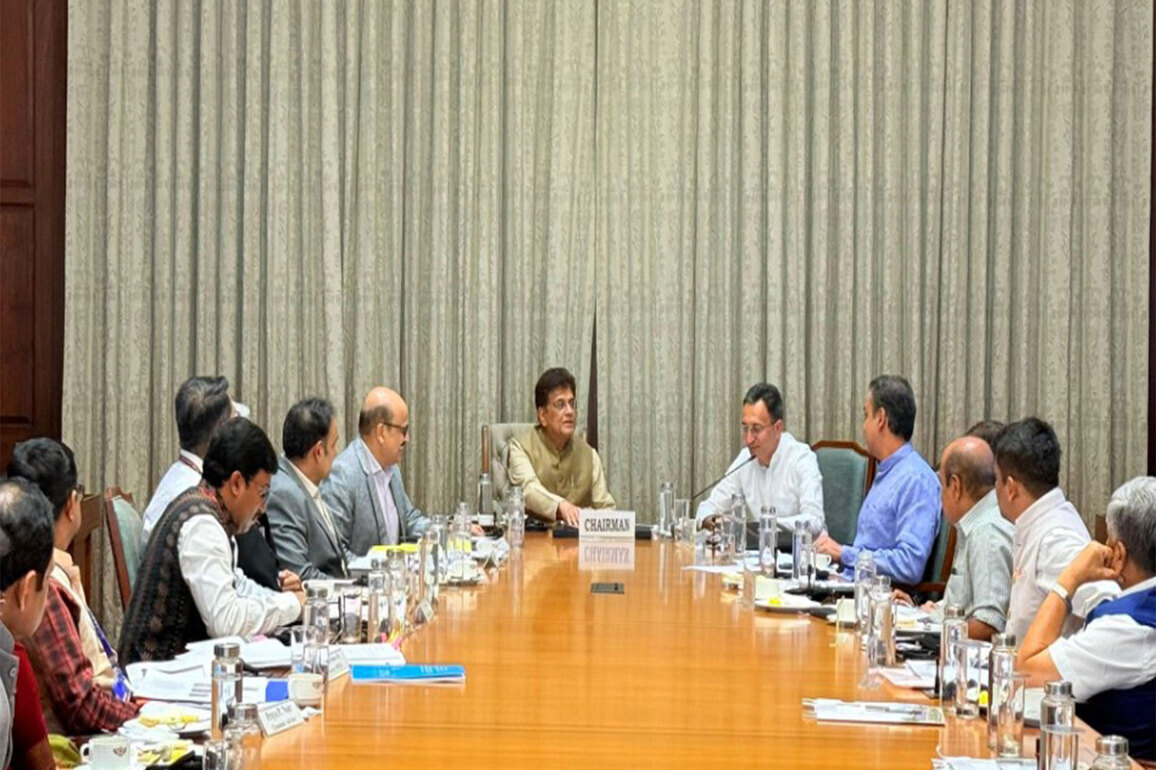
India's Union Commerce and Industry Minister Piyush Goyal's March 13, 2026 strategic meeting with the Consultative Committee on Marine Products Export represents a critical inflection point for cross-border seafood sellers. The initiative directly targets India's position as the 7th largest agro-marine exporter globally, with explicit focus on scaling value addition, enhancing infrastructure, and strengthening compliance standards. For e-commerce sellers, this signals substantial government-backed improvements in export logistics, quality certifications, and trade partnership expansion.
Infrastructure Investment Impact: The government's commitment to enhanced infrastructure investments creates immediate opportunities for organized seafood exporters. Historically, similar government initiatives in agricultural exports (2020-2023) reduced logistics costs by 12-18% through improved cold chain facilities, port infrastructure, and customs processing efficiency. Sellers can expect reduced shipping delays, lower refrigerated transport costs, and faster customs clearance—critical factors in perishable goods commerce where 3-5 day delivery windows determine product viability. The expanded trade deal network mentioned by Minister Goyal directly enables market access to new regions, particularly Southeast Asia, Middle East, and EU markets where Indian seafood commands premium pricing.
Compliance and Certification Requirements: The emphasis on strengthened compliance standards creates both barriers and opportunities. Sellers must upgrade certifications to meet international benchmarks (HACCP, ISO 22000, FDA compliance for US markets, EU hygiene standards). This represents $2,000-8,000 per seller in certification costs but creates competitive moats—only organized exporters with proper certifications can access premium markets. Small sellers (under $100K annual revenue) face higher relative costs; mid-market sellers ($100K-$1M) benefit most from infrastructure improvements; large exporters ($1M+) gain market access advantages through bilateral trade agreements.
Market Opportunity Window: The timing is critical. Government policy momentum typically translates to infrastructure improvements within 6-12 months. Sellers should position inventory and certifications now to capture market access improvements by Q4 2026. The Indo-Pacific strategic positioning mentioned indicates priority markets: Vietnam, Thailand, Indonesia, Philippines, Japan, South Korea, and Australia—regions where Indian seafood currently faces tariff barriers that bilateral agreements may reduce by 5-15%.
Seller Segmentation Impact: Organized exporters with existing certifications gain immediate advantage through improved logistics and market access. Unorganized sellers face compliance upgrade costs but access government support programs. Domestic-focused sellers can leverage improved infrastructure to enter cross-border markets. Amazon, Alibaba, and specialty seafood platforms (FreshDirect, Vital Choice) will likely expand Indian supplier networks, creating direct listing opportunities for compliant sellers.
Questions 8
How does this initiative affect competition between Indian and other seafood exporters globally?
India's government support consolidates its position as the 7th largest agro-marine exporter, with infrastructure improvements and compliance standardization creating competitive advantages over smaller exporters from Vietnam, Thailand, and Indonesia. The initiative signals India's strategic intent to capture premium market segments (shrimp, crab, processed seafood) where quality and compliance are differentiators. For Indian sellers, this creates a 12-18 month window of advantage before competitors respond. Global platforms (Amazon, Alibaba) will likely prioritize Indian suppliers with government-backed certifications, creating listing advantages. Non-Indian sellers should expect increased competition in price-sensitive categories; Indian sellers should focus on premium positioning and compliance differentiation. The Indo-Pacific strategic positioning indicates India is competing for market share in Asia-Pacific, Middle East, and EU—regions where tariff advantages will be most pronounced.
What immediate actions should seafood sellers take to capitalize on this government initiative?
Immediate actions (0-30 days): Audit current certifications against HACCP, ISO 22000, and target market requirements; identify certification gaps; research government subsidy programs for compliance upgrades. Short-term (1-3 months): Initiate HACCP certification process ($2,000-3,000, 4-6 week timeline); upgrade cold chain documentation; prepare FDA registration for US market access. Medium-term (3-6 months): Complete full compliance certifications; establish relationships with government-supported logistics providers; identify target markets from bilateral trade agreements. Long-term (6-12 months): Expand product portfolio with value-added offerings (processed, packaged seafood); scale inventory to capture market access improvements; diversify across new regional markets. Monitor government announcements for subsidy programs and infrastructure completion timelines.