



Diplomatic Illusions Unraveled: The Fragile Art of Conflict Resolution
- Exposing the Limits of Superficial Peace Negotiations in Geopolitical Hotspots










Overview
The landscape of international conflict resolution has been dramatically exposed as fundamentally fragile, with the Cambodia-Thailand border dispute serving as a stark microcosm of diplomatic dysfunction. At the heart of this unraveling lies a critical revelation: peace cannot be manufactured through ceremonial agreements or political posturing.
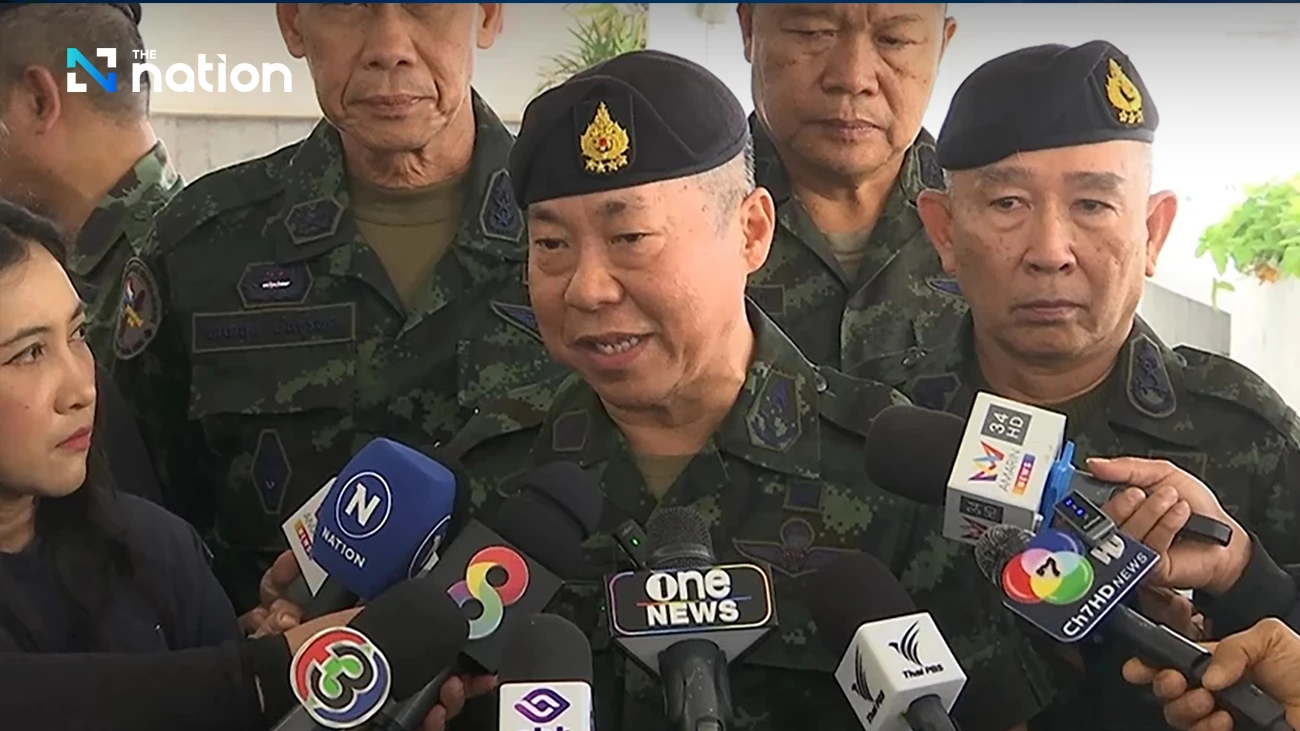
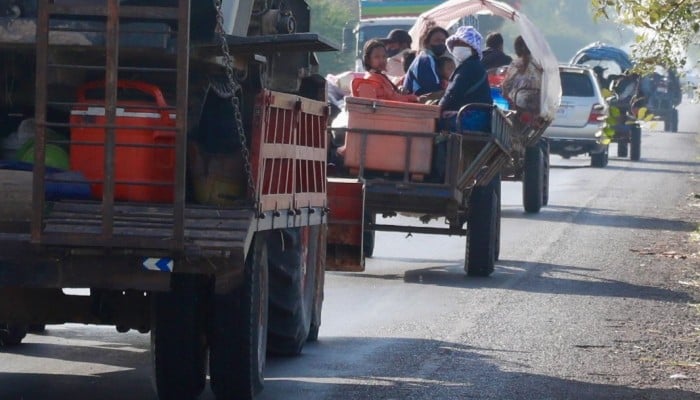
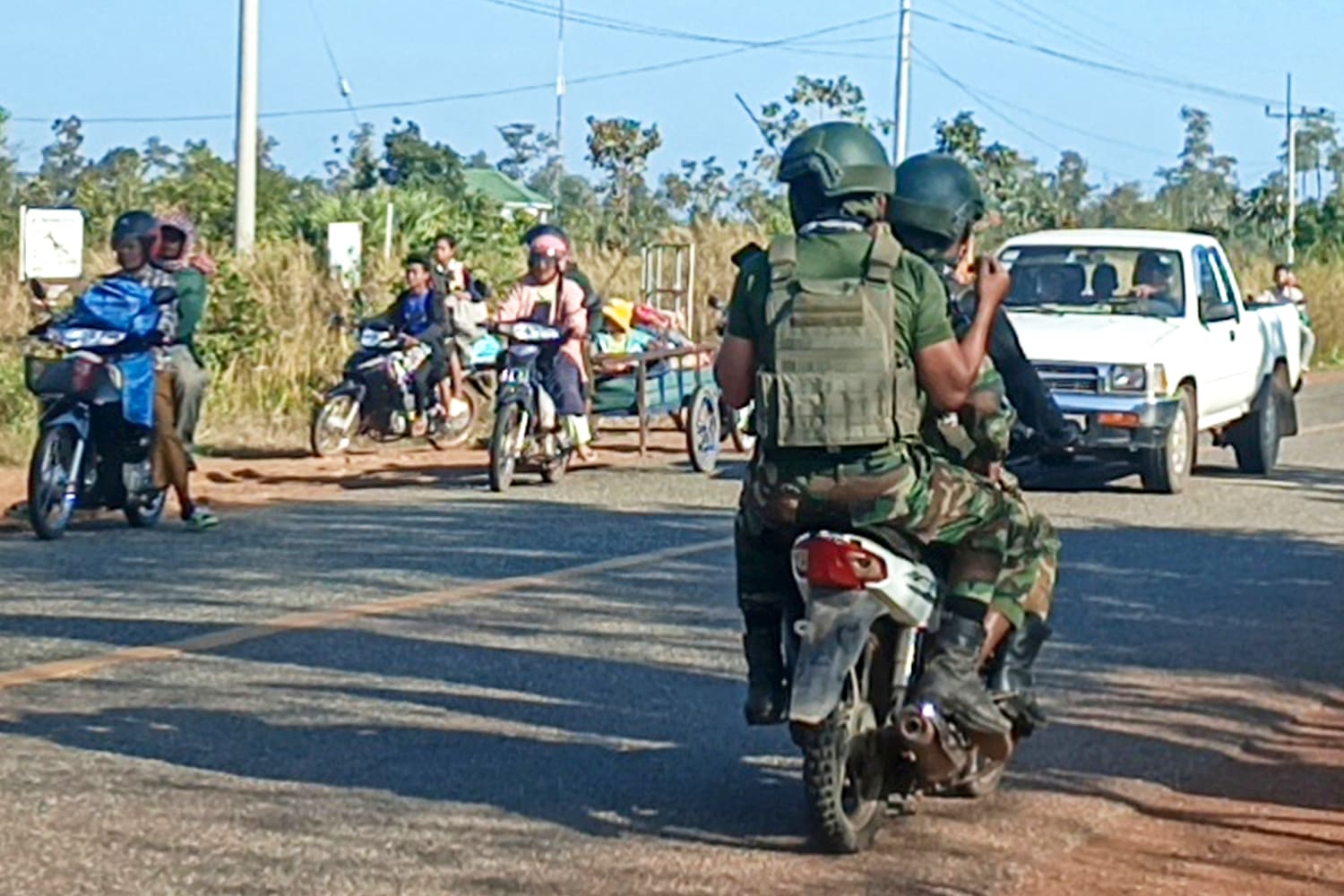
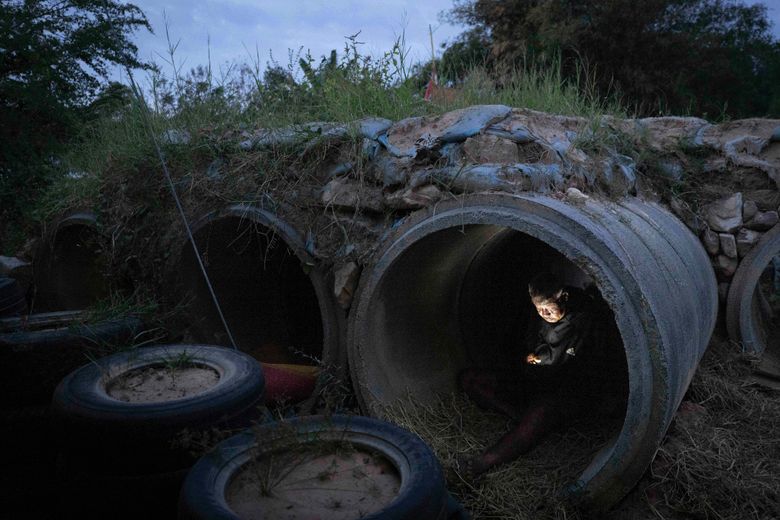
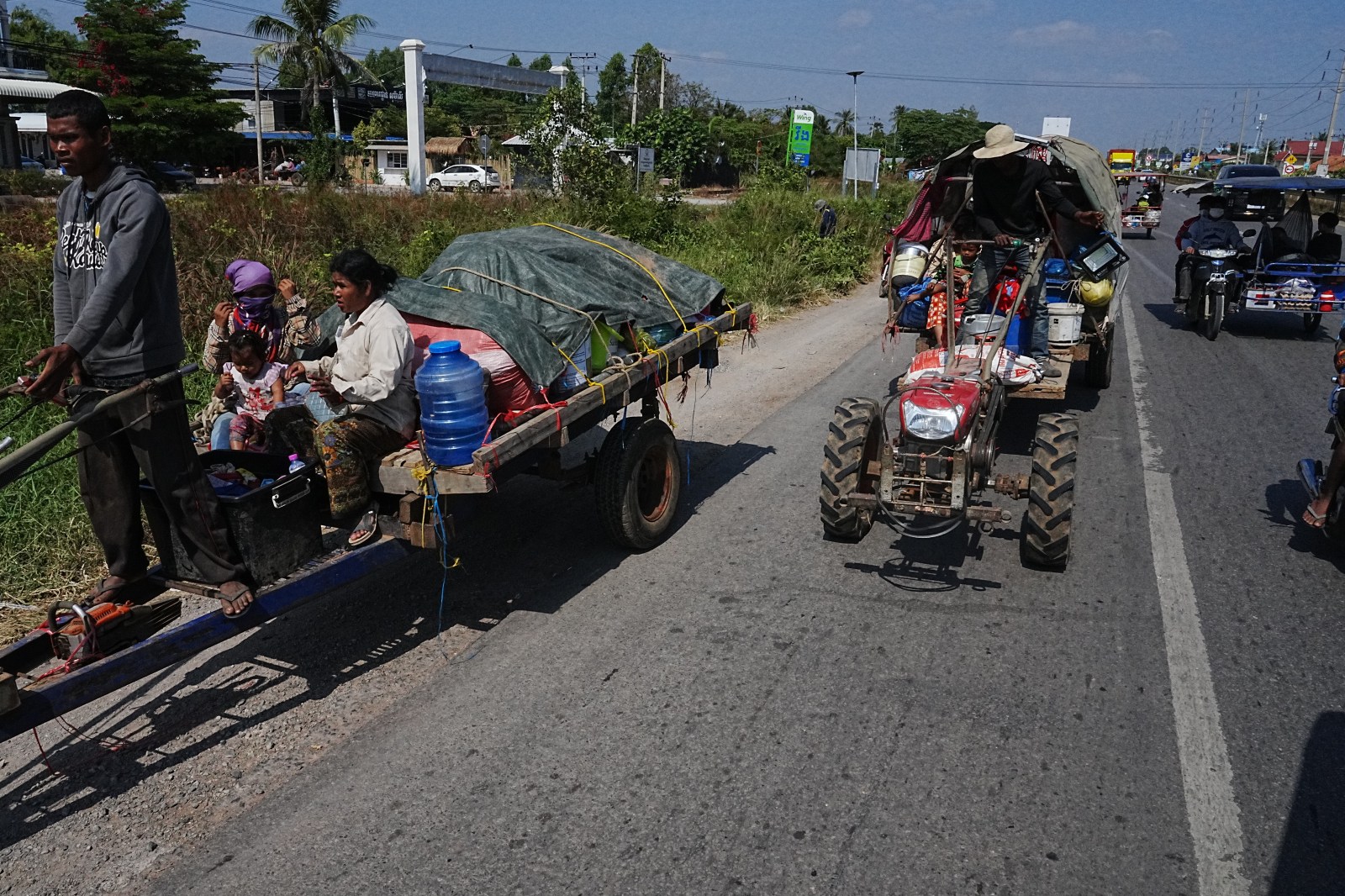
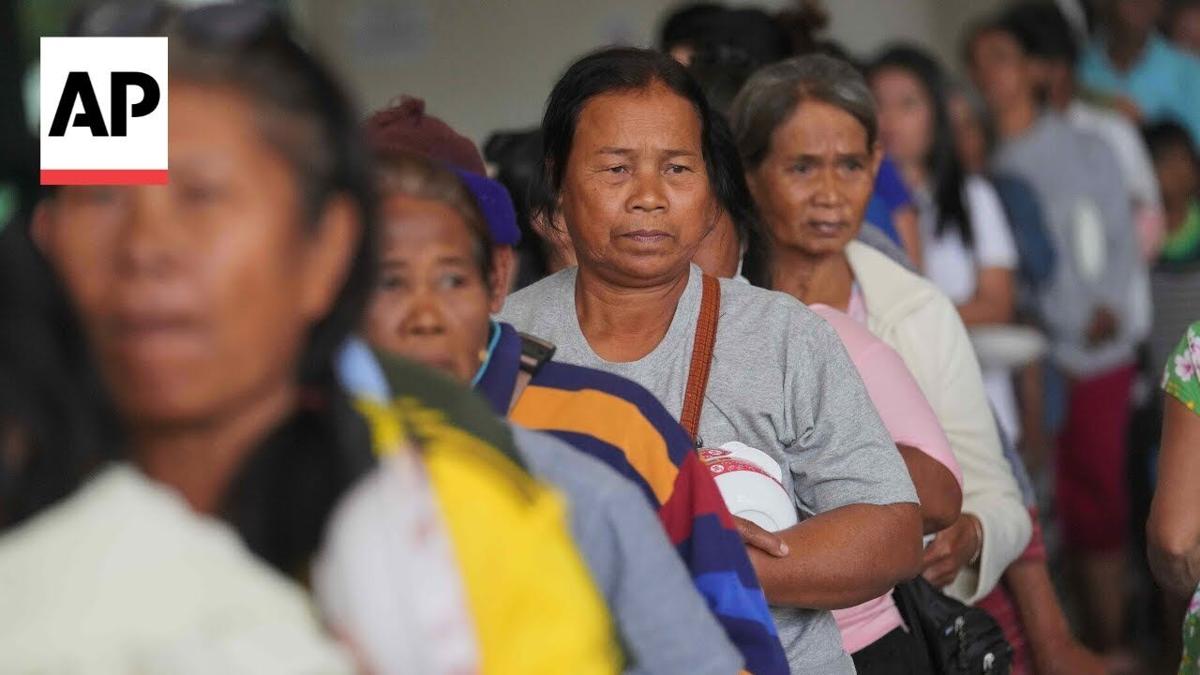
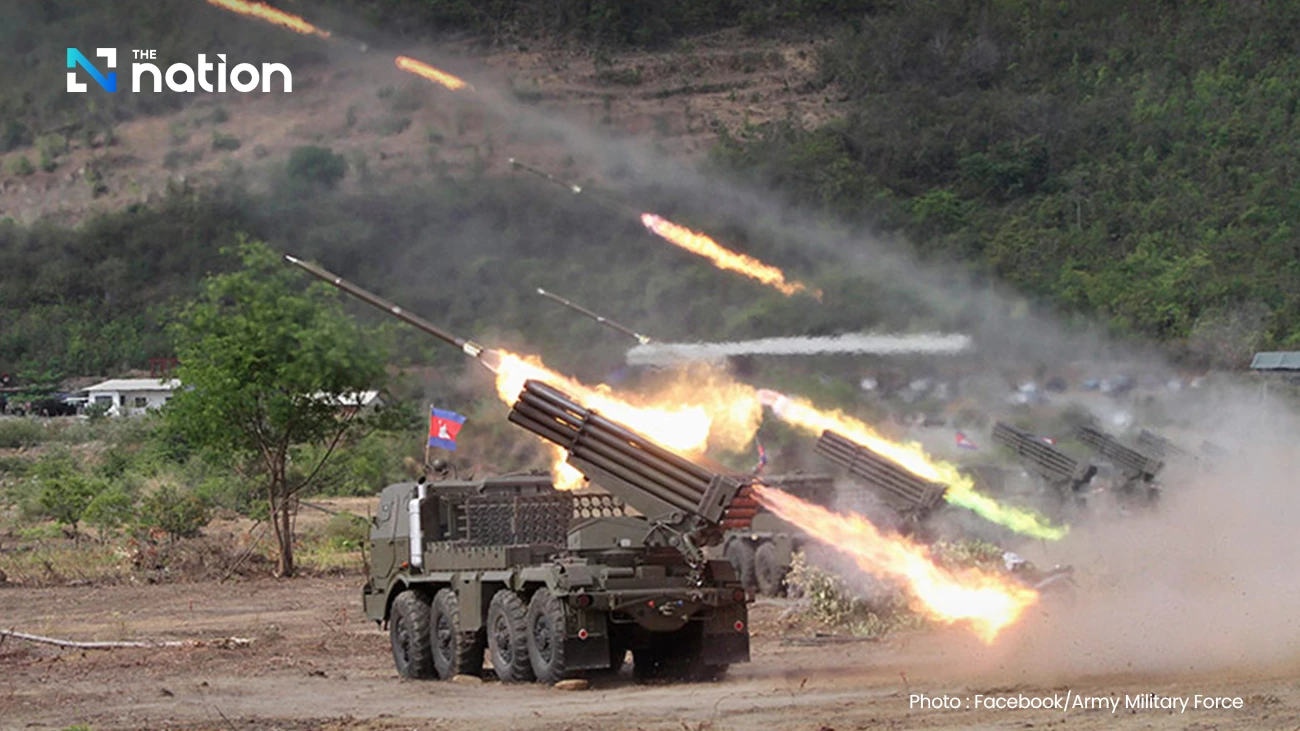
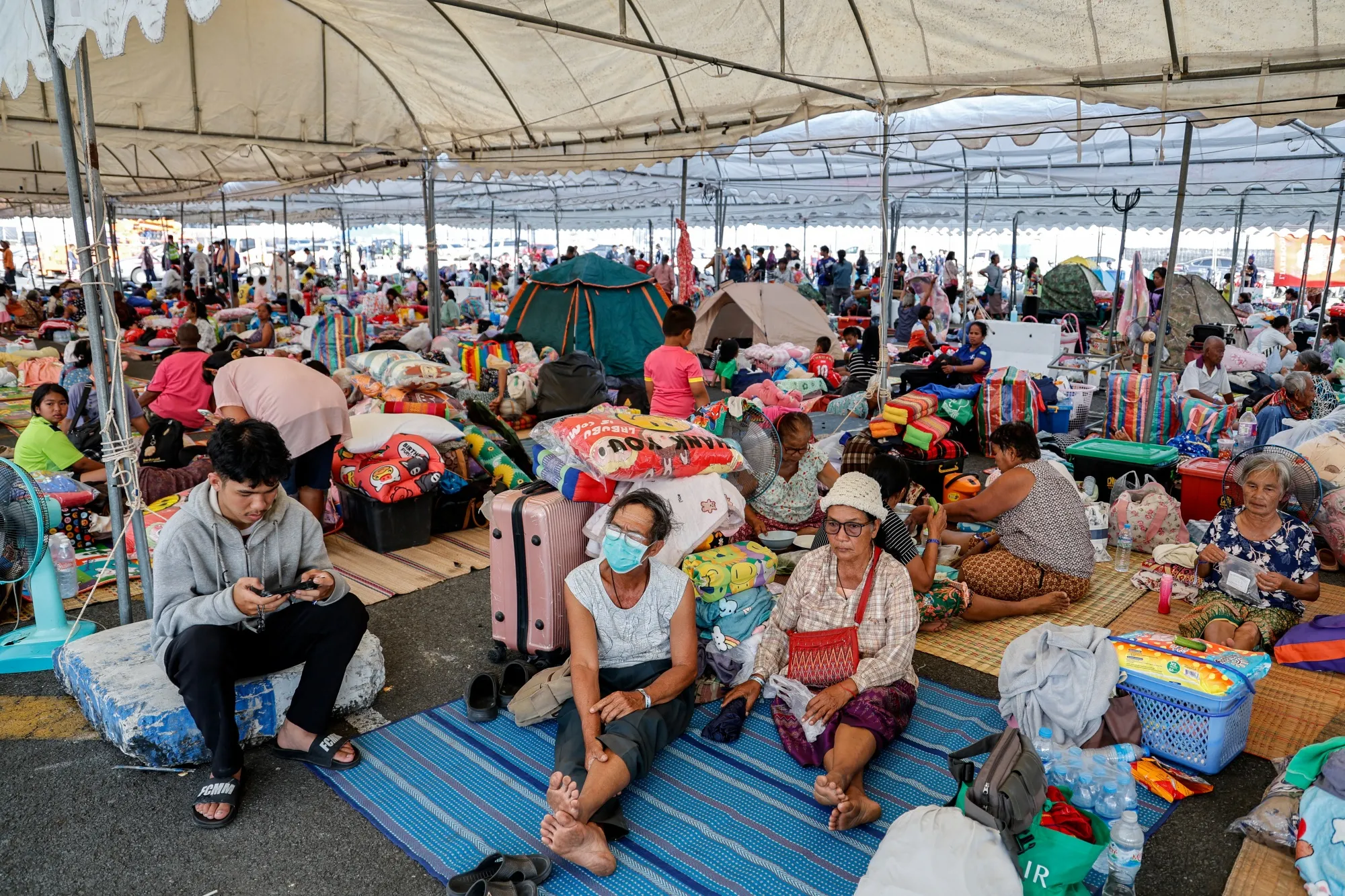
Geopolitical Mediation Myth: The recent clash between Cambodia and Thailand demolishes the narrative of successful conflict resolution. Despite a ceasefire brokered by the United States and Malaysia, the region has witnessed a brutal resurgence of tensions. At least 12 people killed and thousands displaced represent more than statistical casualties—they symbolize the profound failure of superficial diplomatic interventions.
Tariff-Driven Diplomacy Exposed: Analyst Virak Ou's insights are particularly revealing. The original ceasefire was essentially coerced through Trump-era tariff threats, with the Thai military harboring deep reservations about the intervention. This exposes a critical weakness in modern conflict resolution: agreements forced through economic pressure lack genuine commitment and sustainable conflict transformation.
The broader pattern is alarming. Trump's claims of resolving conflicts in multiple regions—Armenia-Azerbaijan, Rwanda-DRC, Israel-Iran, and Serbia-Kosovo—have been systematically dismantled by ongoing tensions and unresolved underlying dynamics. Each "resolved" conflict reveals the same fundamental flaw: diplomatic solutions that do not address root sociopolitical tensions are nothing more than temporary pressure valves.
Strategic Implications: The Cambodia-Thailand case study demonstrates that sustainable peace requires more than ceremonial agreements. It demands:
- Genuine multilateral commitment
- Robust monitoring mechanisms
- Addressing underlying nationalist tensions
- Creating economic interdependencies that make conflict costly
For policymakers and international mediators, the message is clear: superficial interventions are not just ineffective—they can potentially escalate tensions by creating false expectations and undermining local political dynamics.
Questions 3
How significant are the current tensions between Cambodia and Thailand?
The current tensions are severe, with at least 12 people killed and thousands displaced. This represents a complete breakdown of the previous ceasefire and highlights the fragility of diplomatic solutions in the region.
What makes diplomatic interventions sustainable?
Sustainable diplomatic interventions require addressing root sociopolitical tensions, creating robust monitoring mechanisms, establishing economic interdependencies, and ensuring genuine multilateral commitment beyond ceremonial agreements.