



Energy Price Stabilization Creates Shipping Cost Arbitrage Window for Cross-Border Sellers Through April 2026
- Temporary oil sanctions waiver (March 12-April 11, 2026) reduces fuel surcharges 8-15% for maritime logistics; sellers gain 30-60 day margin expansion window before policy reversal





/Customer%20engaging%20in%20the%20shopping%20and%20retail%20experience%20by%20Anatoliy%20Cherkas%20via%20Shutterstock.jpg)











Overview
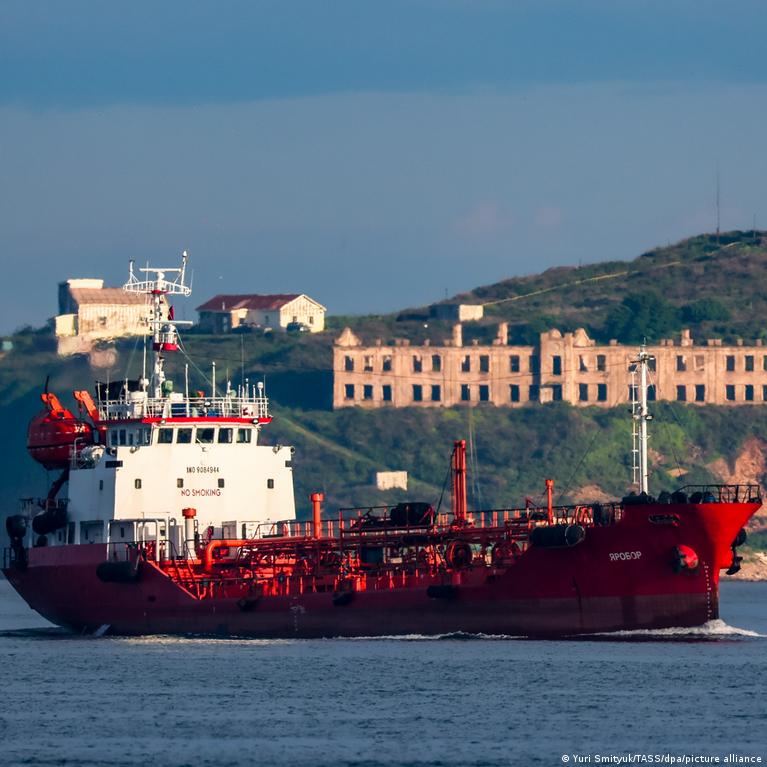
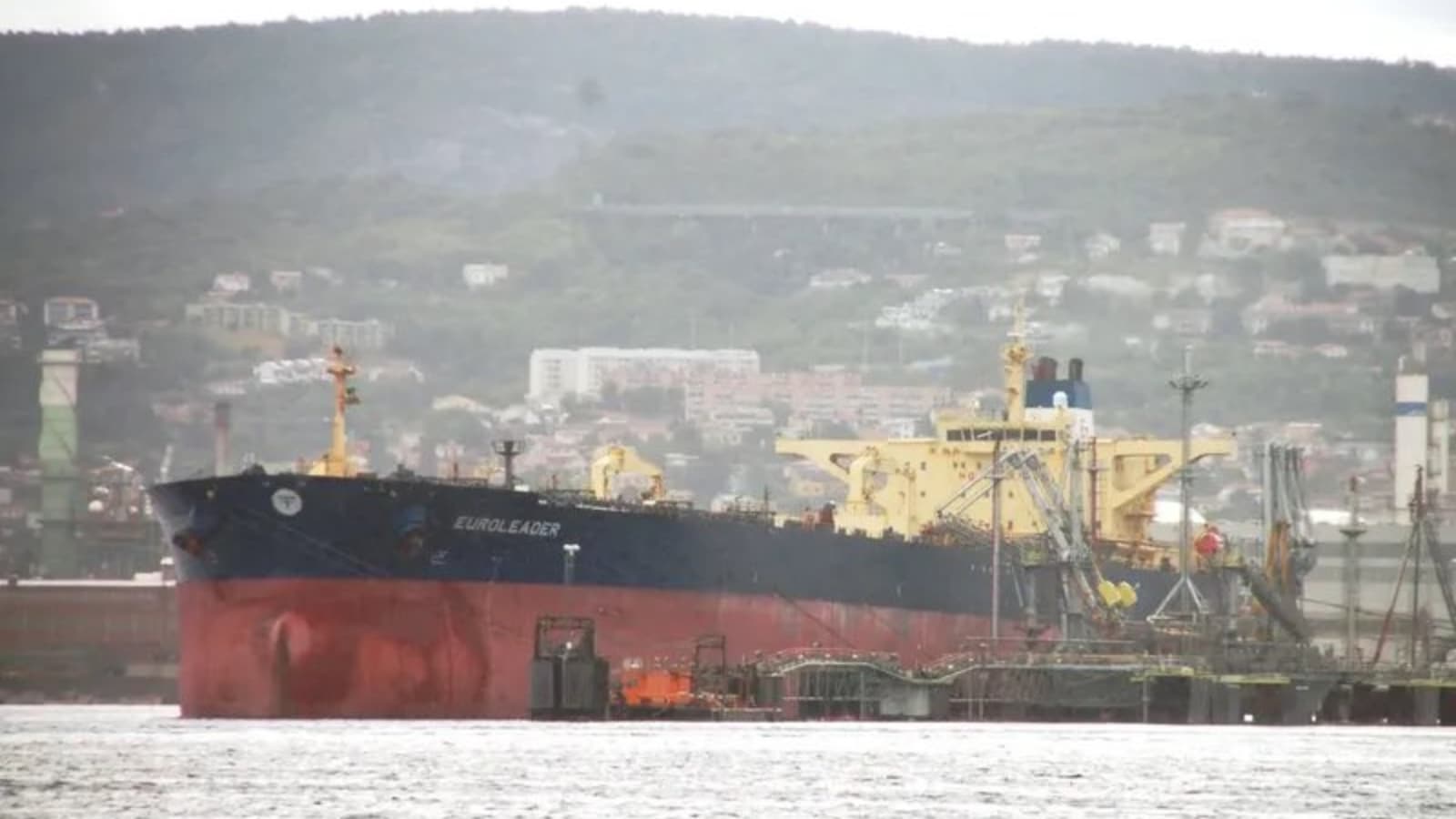
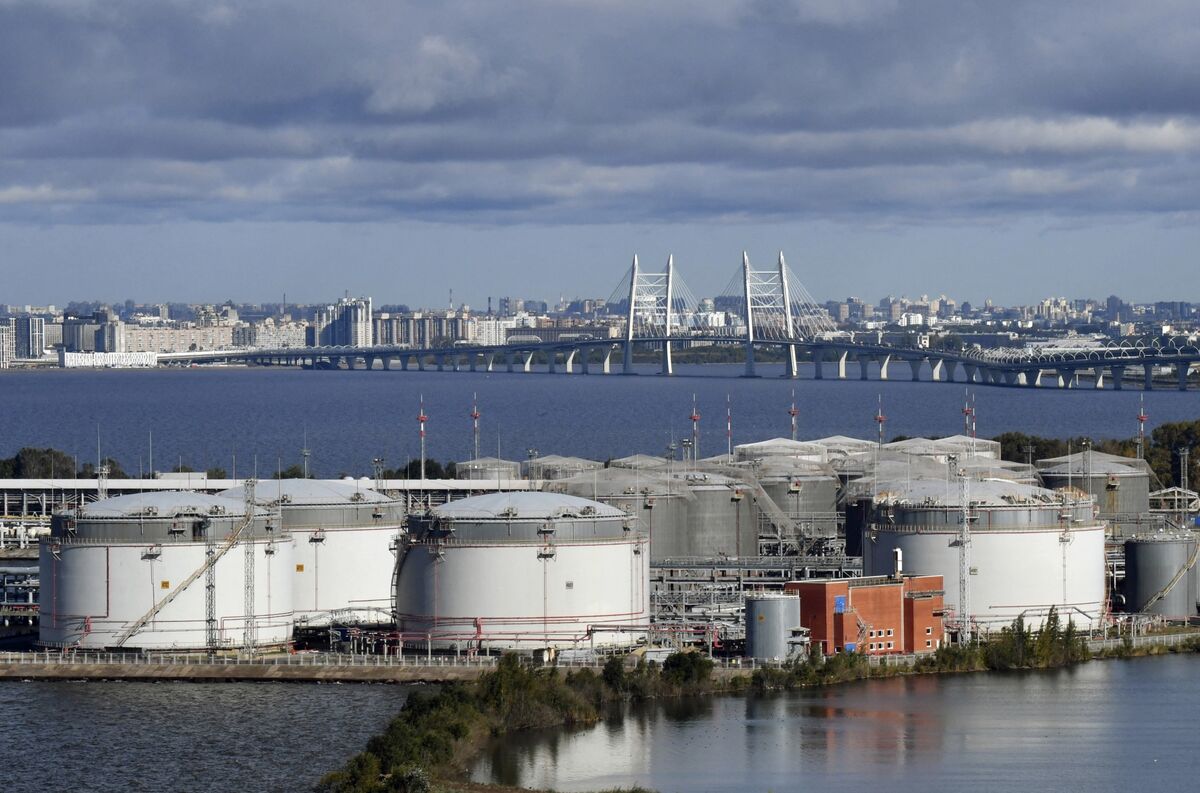
The U.S. Treasury Department's March 12, 2026 authorization allowing temporary purchases of Russian crude oil already at sea represents a critical but time-limited opportunity for cross-border e-commerce sellers to optimize logistics costs. Treasury Secretary Scott Bessent's narrowly tailored exemption, valid through April 11, 2026, covers approximately 124 million barrels of Russian-origin crude across 30 global locations—representing five to six days of global supply. This policy intervention directly addresses the Iran conflict-driven energy crisis that pushed Brent crude to nearly $120 per barrel on March 10 before stabilizing above $100 per barrel.
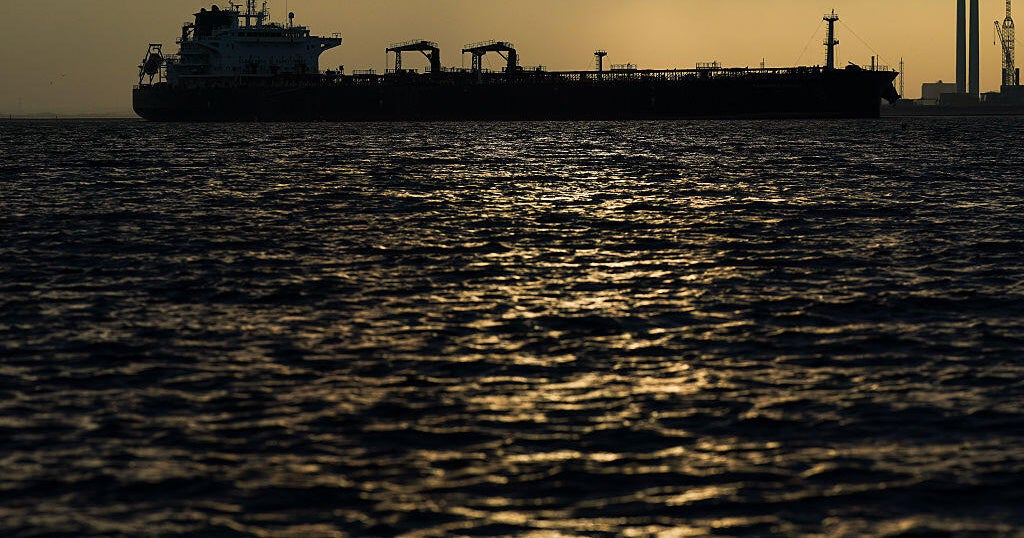
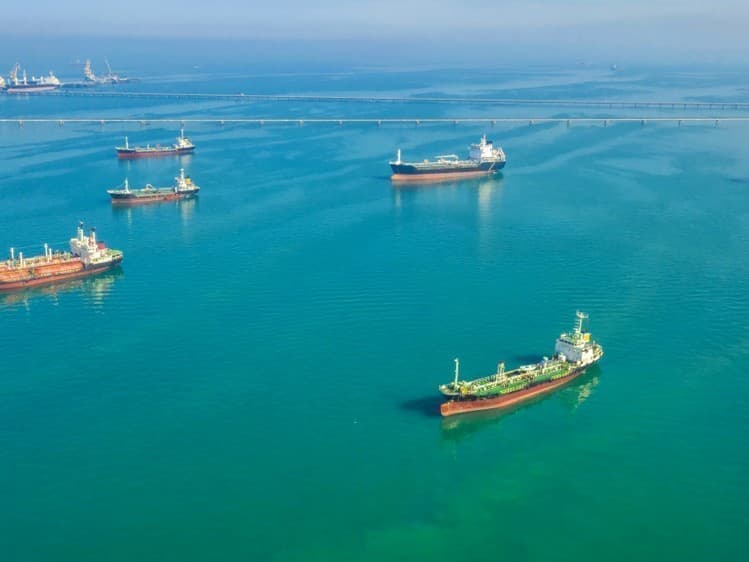
For cross-border sellers, the immediate impact centers on transportation cost compression. Ocean freight represents 15-25% of total landed costs for Asia-to-US shipments, with fuel surcharges (bunker adjustment factors) typically adding $200-600 per 20-foot container. The temporary oil supply increase from 124 million barrels of Russian crude entering global markets creates downward pressure on fuel surcharges, potentially reducing per-unit shipping costs by 8-15% through April. Sellers shipping high-volume, low-margin categories (electronics, apparel, home goods) benefit most from this window. The International Energy Agency's coordinated 400-million-barrel reserve release amplifies this effect, with Asian governments implementing emergency measures (Philippines' four-day work week, Japan/South Korea/Thailand petrol price caps) signaling sustained energy market pressure.
Strategic sourcing dynamics shift during this window. The $44.10 per-barrel price cap imposed by G7/EU sanctions frameworks remains in effect, but the temporary waiver creates arbitrage opportunities for sellers sourcing from India (which received a separate 30-day waiver on March 5). India-based suppliers benefit from lower energy costs, potentially offering 5-8% price reductions on manufactured goods through April. Sellers should accelerate India sourcing for Q2 delivery, locking in lower landed costs before the April 11 waiver expiration. The EU's commitment to phase out Russian oil imports by end-2027 creates a divergence: EU-based sellers face longer-term energy cost inflation, while US-based sellers gain temporary advantage through April.
Compliance complexity emerges for EU-market sellers. European Commission President Ursula von der Leyen publicly opposed the sanctions relaxation, signaling potential enforcement actions against sellers facilitating Russian energy transactions. Sellers operating in EU marketplaces (Amazon.eu, eBay.eu) must avoid any supply chain involvement with Russian energy suppliers, even indirectly through shipping cost reductions. The policy's temporary nature (April 11 expiration) creates planning uncertainty for Q2-Q3 inventory positioning. Sellers should lock in shipping rates before April 1 to capture fuel surcharge reductions, then prepare for potential 10-15% rate increases post-April 11 as energy markets normalize.
Questions 7
What geopolitical risks could disrupt this energy price stabilization window before April 11?
The Iran conflict and Strait of Hormuz closure represent ongoing geopolitical risks that could disrupt the stabilization window. Iran's new supreme leader Mojtaba Khamenei vowed to maintain the strait blockade, which handles 20% of global oil supply. Additional Iranian attacks on Gulf shipping infrastructure could spike oil prices above $120 per barrel, negating fuel surcharge reductions. U.S. military escort operations through the Strait (announced as 'militarily possible') may take weeks to implement, leaving a vulnerability window. Sellers should monitor daily Brent crude prices and Strait shipping incident reports. If oil prices exceed $110 per barrel, lock in shipping rates immediately rather than waiting until April 1. Conversely, if Strait security improves significantly, fuel surcharges may decline further, creating additional margin expansion through April 11.
How should sellers adjust inventory planning for Q2-Q3 2026 given the April 11 waiver expiration?
Sellers should implement a two-phase inventory strategy: (1) Accelerate purchases through March 31 to capture 8-15% fuel surcharge reductions, targeting 60-90 days of inventory for high-velocity SKUs; (2) Reduce purchase velocity in April-May to avoid inventory buildup before post-waiver price increases. The April 11 expiration creates a cliff risk where shipping costs increase 10-15% within 2-4 weeks. Sellers should model two scenarios: conservative (assume 12% rate increase post-April 11) and optimistic (assume 5% increase). For sellers shipping 1,000+ units monthly, the difference between scenarios represents $12,000-36,000 in Q2-Q3 logistics costs. Use inventory management tools (Shopify inventory forecasting, Amazon Seller Central demand planning) to optimize purchase timing around the April 11 deadline.