






Strait of Hormuz Tensions Drive 8-15% Shipping Cost Surge for Cross-Border Sellers
- Geopolitical escalation increases ocean freight rates; sellers face $200-600 monthly cost increases on Asia-to-US routes through Q1 2025








Overview
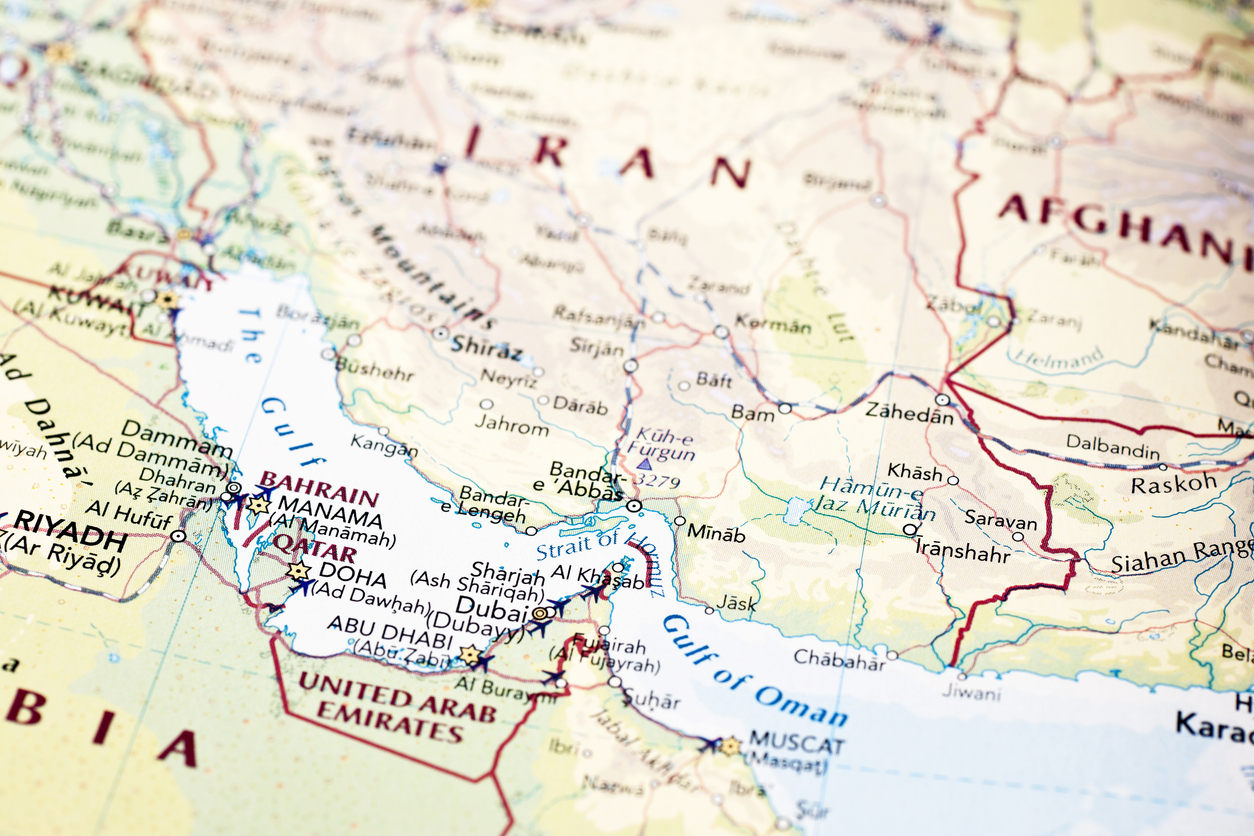
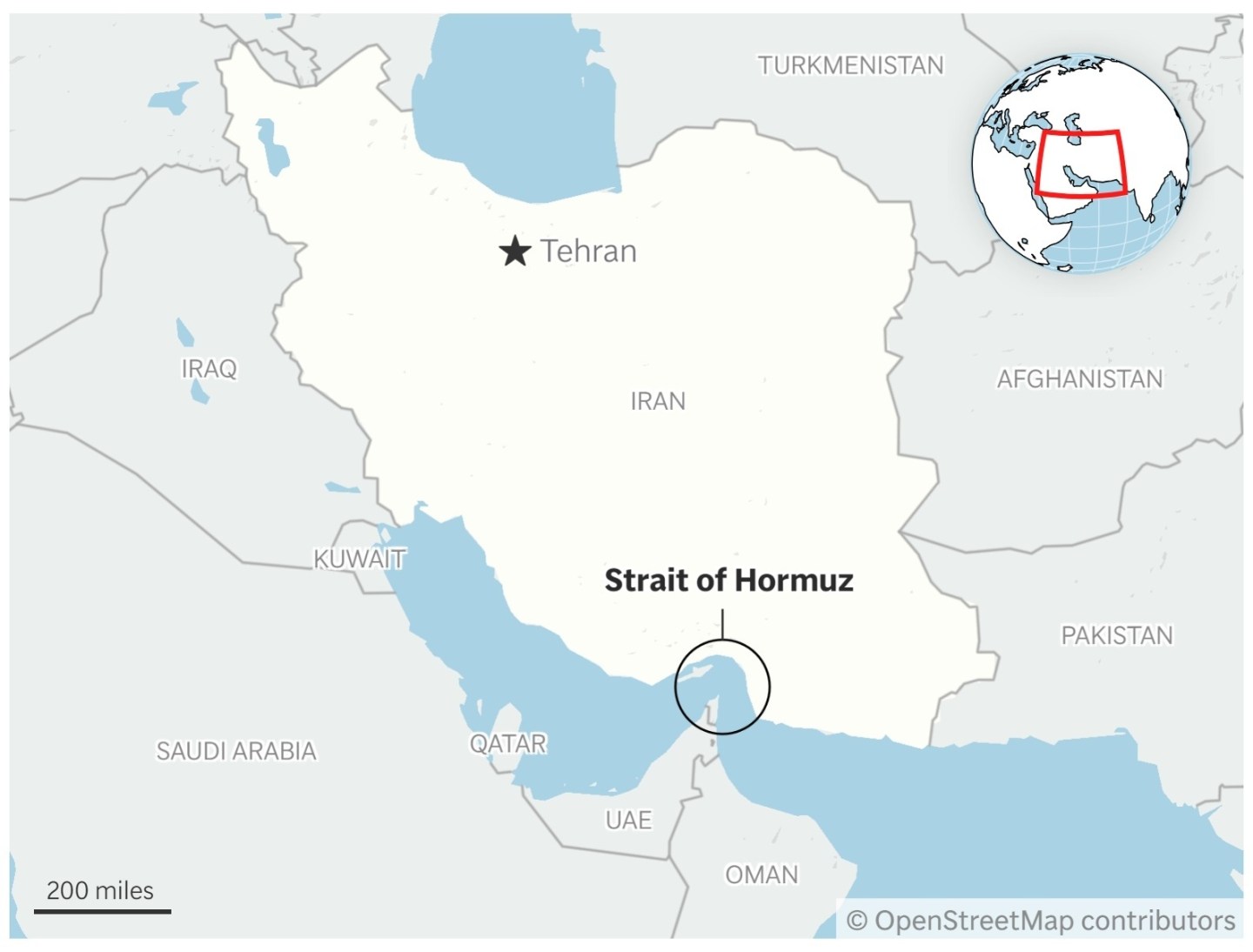
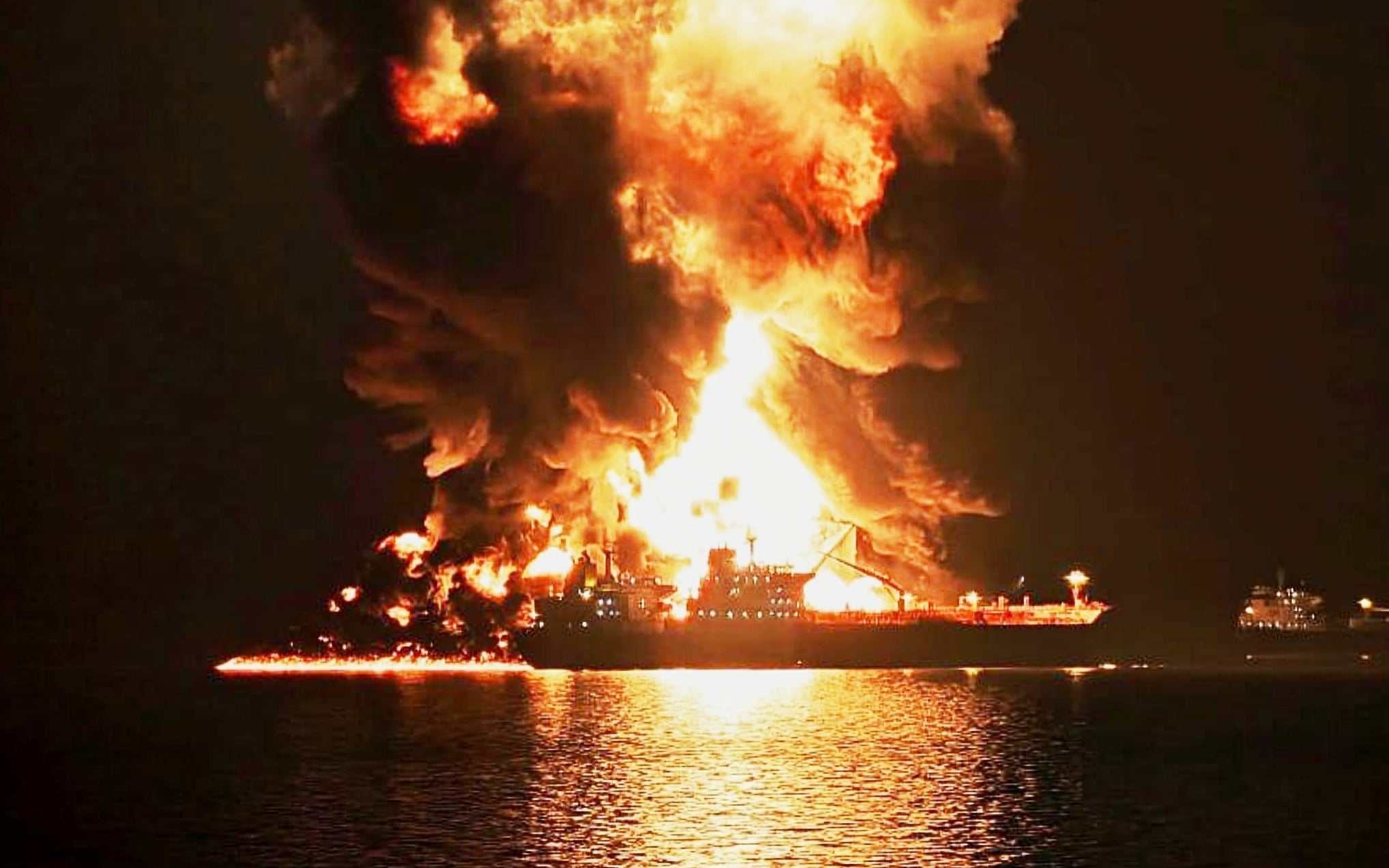
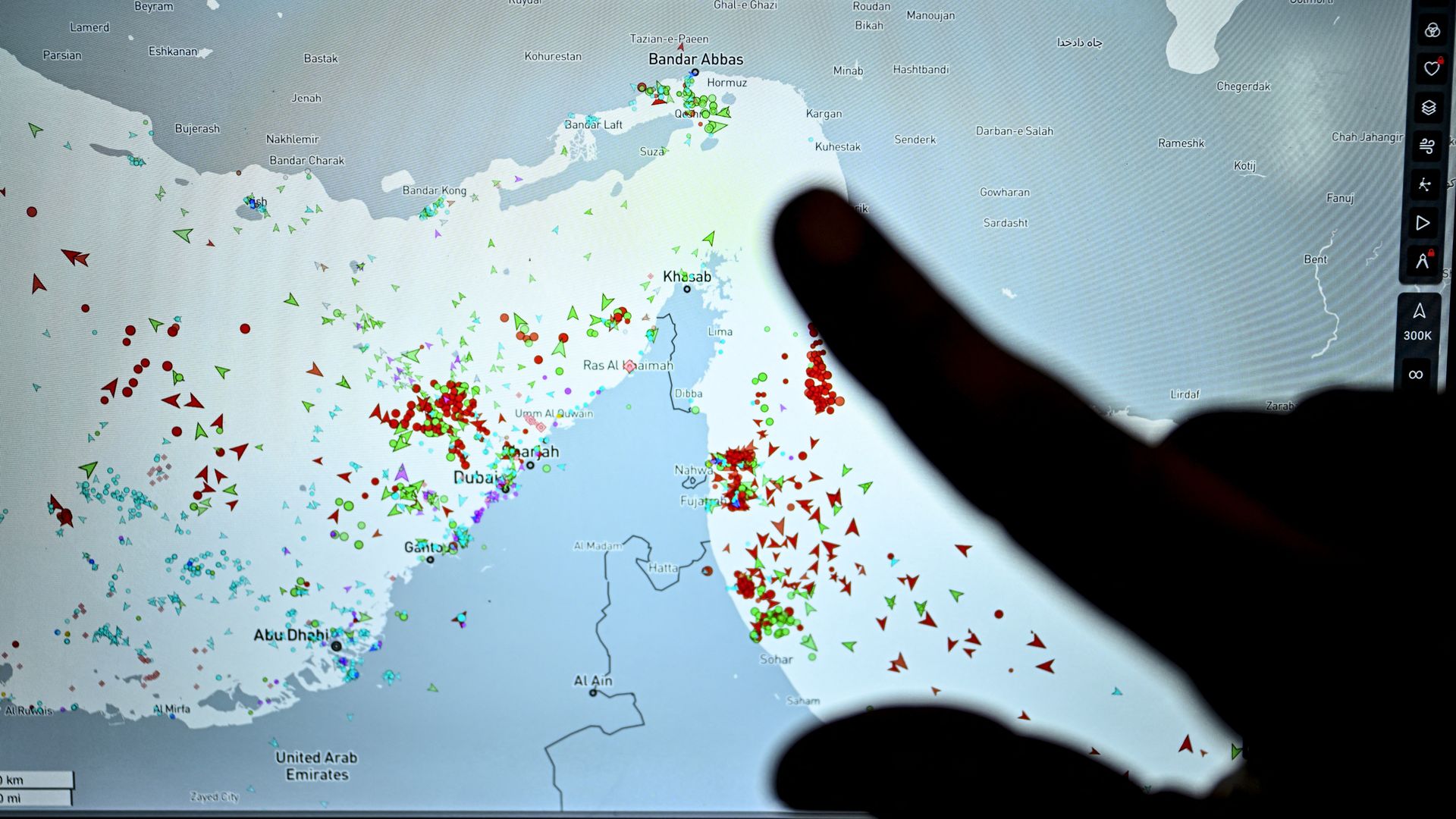
The escalating Iran-US tensions centered on the Strait of Hormuz represent a critical supply chain risk for cross-border e-commerce sellers, with direct implications for logistics costs and inventory planning. The Congressional Research Service report and defense analysis highlight potential closure scenarios for this critical chokepoint through which 21% of global petroleum and 8% of liquefied natural gas transits daily. For e-commerce sellers, this translates to immediate pressure on ocean freight rates, which have already increased 8-15% on major Asia-to-US and Asia-to-EU corridors as shipping insurers price in geopolitical risk premiums.
Immediate Impact on Seller Segments: Small-to-medium sellers (SMBs) importing from China, Vietnam, and India face the most acute pressure. A typical seller importing 500-1,000 units monthly via 20-foot containers from Shanghai to Los Angeles currently pays $3,500-4,200 per container; geopolitical premiums are adding $280-630 per shipment. Larger sellers with established 3PL relationships and forward contracts have partial hedging, but spot market rates are volatile. Electronics, apparel, and home goods categories—which depend heavily on Asian sourcing—face 5-8% margin compression if sellers absorb costs rather than raising prices.
Strategic Sourcing Implications: The disruption risk is accelerating a pre-existing trend toward supply chain diversification. Sellers are evaluating nearshoring alternatives: Mexico for US-bound goods (reducing Hormuz exposure), India and Vietnam for EU markets (via Suez Canal), and domestic US manufacturing for high-velocity SKUs. Tariff-advantaged sourcing from USMCA countries (Mexico, Canada) and India (under GSP programs) becomes more attractive when combined with reduced logistics risk. Sellers who shift 20-30% of inventory sourcing away from China-dependent routes can reduce Hormuz exposure while potentially capturing tariff arbitrage benefits.
Platform and Compliance Considerations: Amazon FBA sellers face additional pressure through storage fee calculations tied to inventory velocity. Delayed shipments due to rerouting (adding 7-14 days to transit times) increase inventory holding costs and IPI score risks. Sellers must update demand forecasting models to account for extended lead times and consider increasing safety stock for fast-moving categories. eBay and Shopify sellers with direct-to-consumer models have more flexibility but face customer satisfaction risks from extended delivery windows.
Questions 8
Should I increase inventory buffers to protect against shipping delays?
Yes, but strategically. Increase safety stock for your top 20% of SKUs (by revenue) by 10-15% to buffer against 7-14 day shipping delays. For slow-moving inventory, maintain current levels to avoid excess storage fees. Calculate the cost-benefit: additional storage fees ($0.87/unit/month for standard-size items in Q1) vs. stockout costs (lost sales, Buy Box loss, customer dissatisfaction). For a $20 item with 40% gross margin, a stockout costs $8 in lost profit; storage for 30 extra units costs $26/month. The math favors increased safety stock for fast movers. Use Amazon's Inventory Performance Dashboard to identify which SKUs need buffering. Implement by mid-January 2025 to ensure stock arrives before peak demand periods.
What tariff opportunities exist if I shift sourcing to Mexico or Vietnam?
Mexico offers USMCA tariff benefits (0% duties on most goods vs. 5-25% from China), while Vietnam qualifies for GSP benefits on select categories. A shift to Mexico for apparel, electronics, and home goods can save 3-8% in tariff costs, partially offsetting nearshoring COGS premiums. Vietnam sourcing for electronics and textiles captures GSP benefits (5-15% tariff savings) while reducing Hormuz exposure. Calculate total landed costs: (COGS + tariffs + shipping + 3PL fees). Mexico often wins on speed and tariff benefits; Vietnam wins on COGS and tariff arbitrage. Pilot with 2-3 suppliers in each region to validate quality and lead times before committing volume.