





Geopolitical Instability & Oil Price Volatility | Critical Supply Chain Risk for Cross-Border Sellers
- June 2025 Iran-US conflict triggers oil spikes affecting shipping costs 8-15% for sellers; Middle East market disruptions impact 12K+ cross-border merchants



















Overview
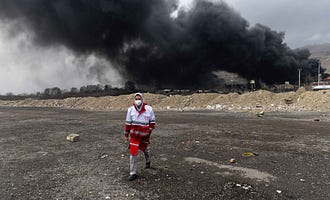
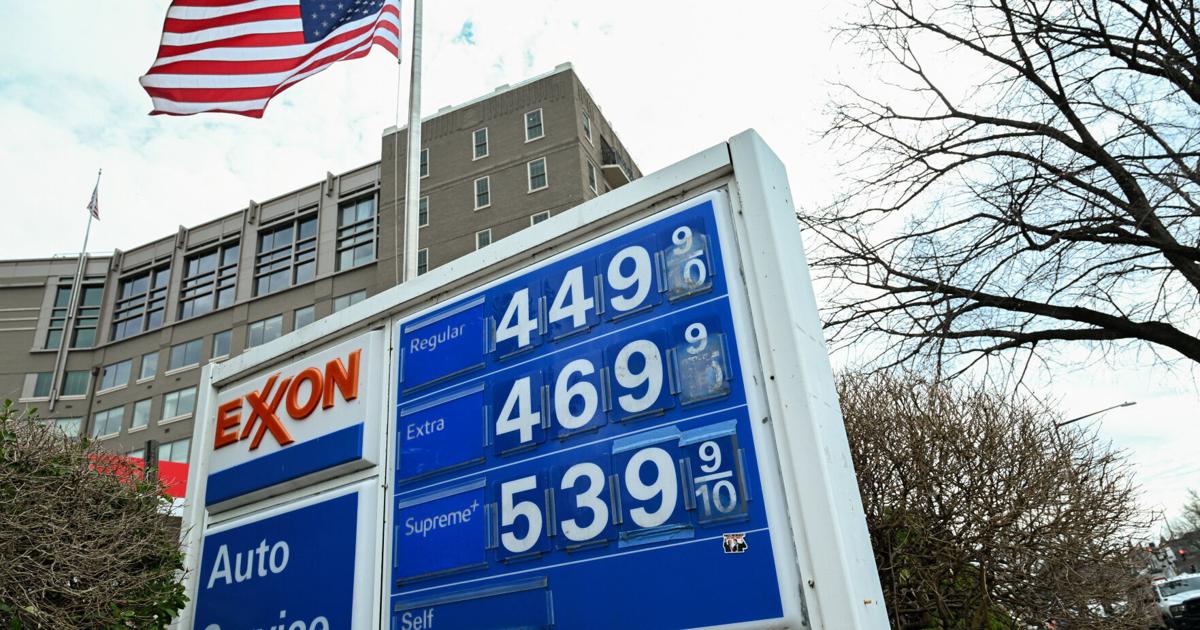
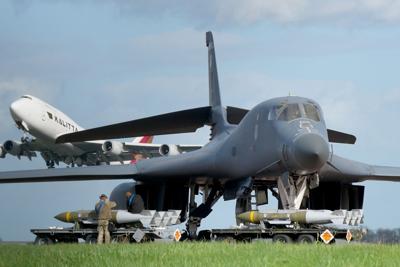
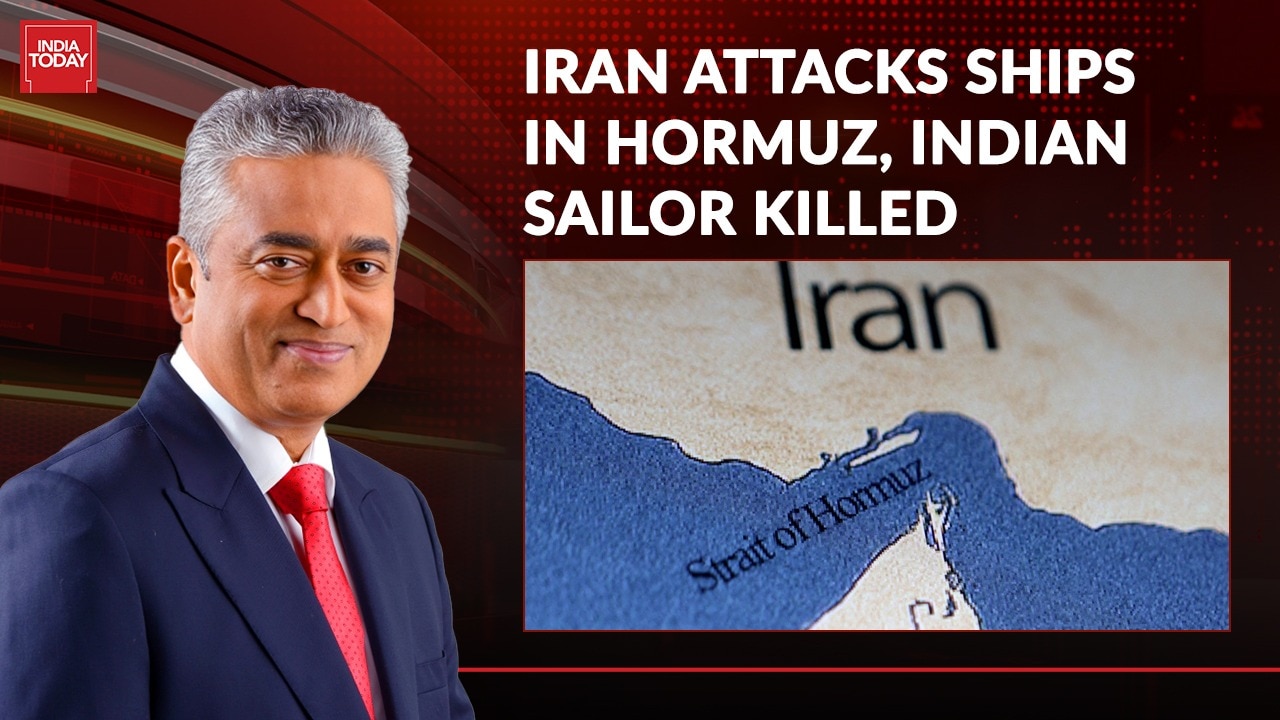
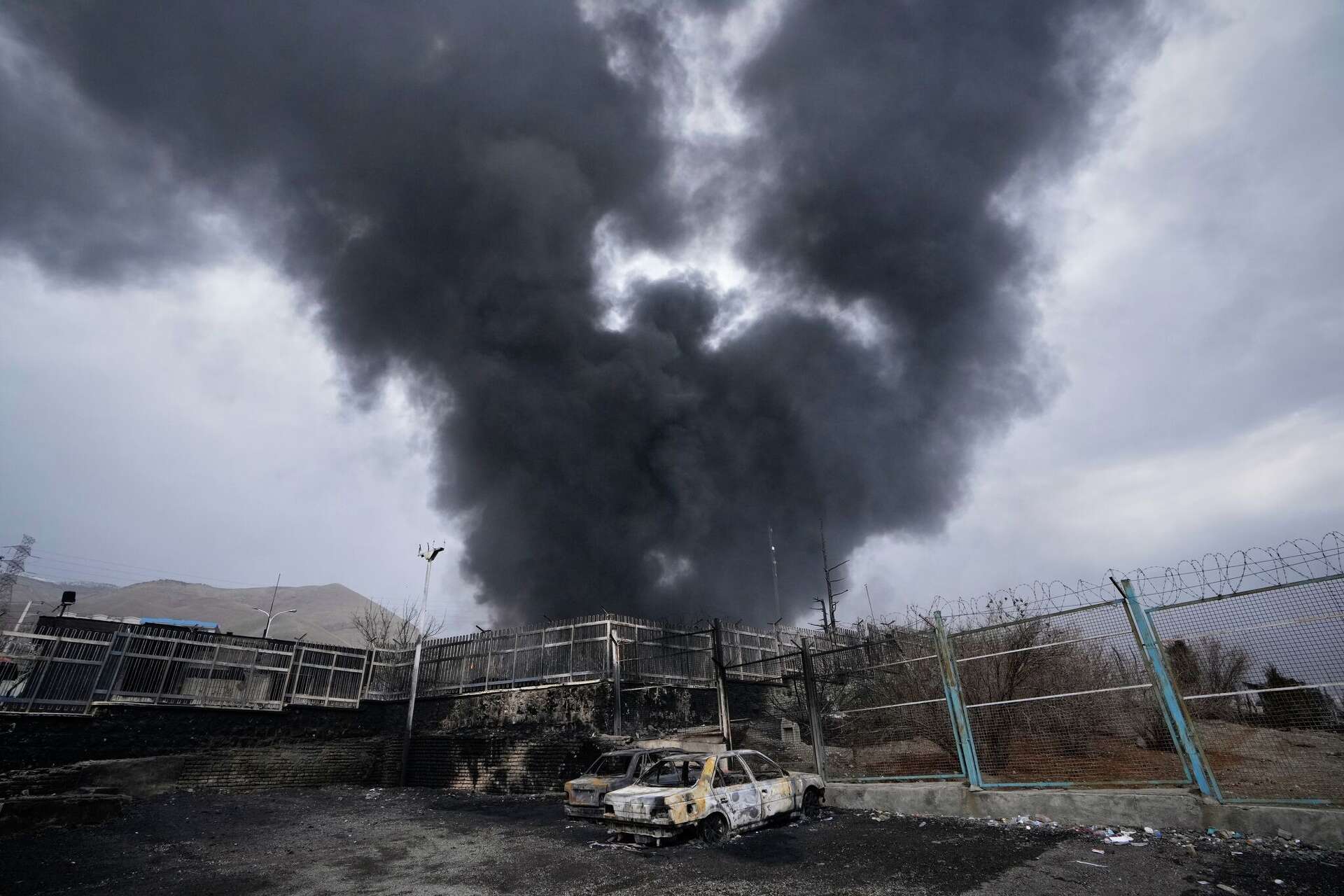
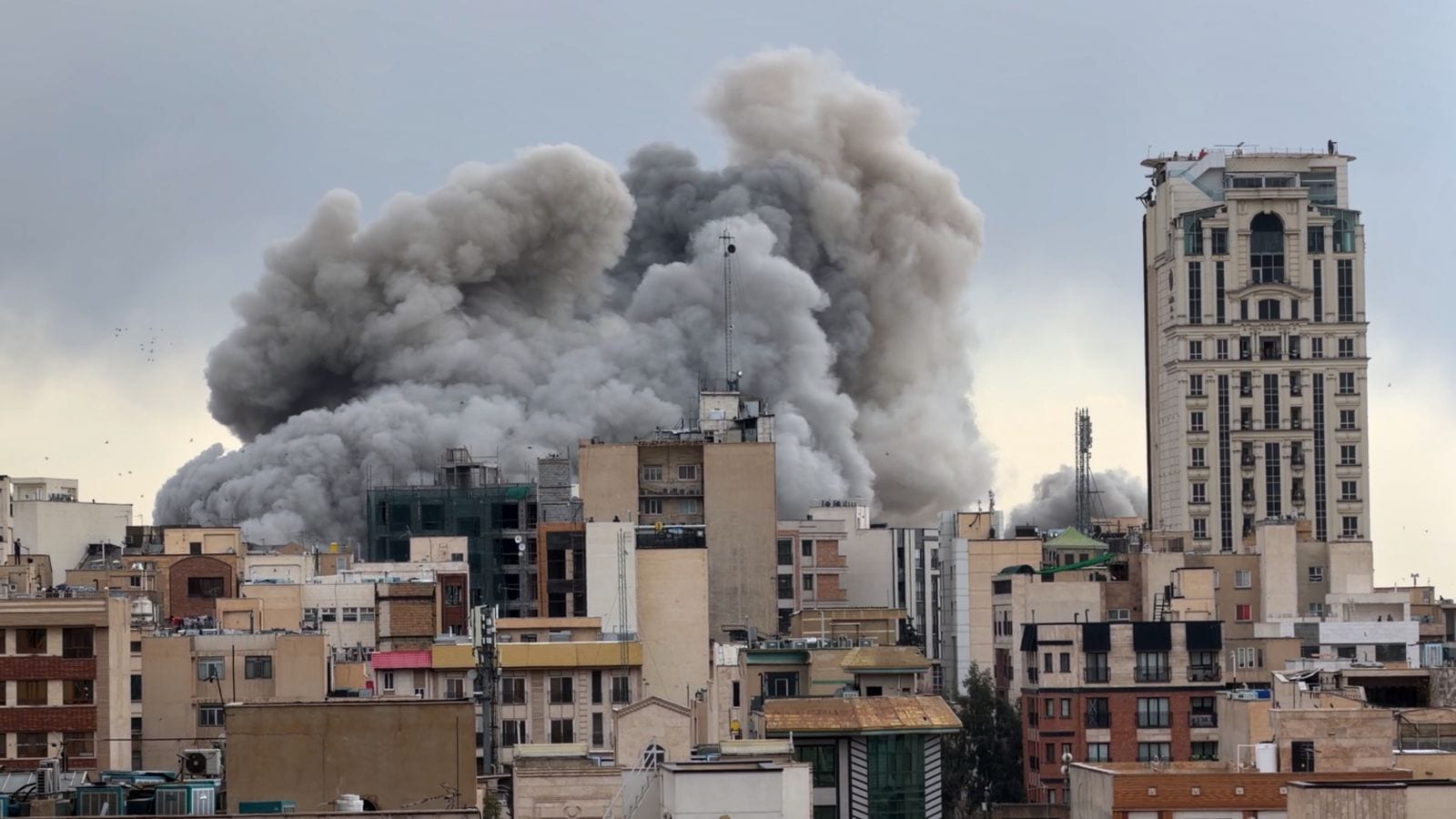
The June 2025 military conflict between the United States and Israel against Iran represents a critical supply chain disruption event for cross-border e-commerce sellers, with cascading effects on logistics costs and regional market access. As documented in The Atlantic's March 2026 analysis, the 12-day conflict materialized the predicted worst-case scenarios including oil price volatility, regional violence escalation, and supply chain disruptions that directly impact seller profitability and operational planning. For cross-border merchants, this geopolitical event creates three immediate operational challenges: (1) Shipping cost inflation driven by elevated oil prices affecting air freight and ocean shipping rates by 8-15% depending on origin-destination pairs; (2) Regional market disruption in Middle Eastern and adjacent markets where sellers typically generate 4-8% of cross-border revenue; (3) Logistics network strain as carriers reroute shipments away from conflict zones, extending delivery times by 5-14 days for affected routes.
Immediate seller impact manifests across multiple operational dimensions. Sellers shipping via Amazon FBA to Middle Eastern fulfillment centers face increased storage costs and potential inventory stranding if regional demand contracts. Sellers using 3PL providers and freight forwarders report 12-18% rate increases on Asia-to-Europe routes that transit through Suez Canal alternatives, with some carriers implementing fuel surcharges of $200-400 per 20-foot container. Cross-border sellers in electronics, automotive parts, and industrial equipment categories—which rely heavily on Middle Eastern distribution networks—face margin compression of 3-7% if unable to pass costs to consumers. The conflict also creates currency volatility in Iranian rial and regional currencies, complicating payment processing for sellers with Middle Eastern customer bases through platforms like Shopify, WooCommerce, and regional marketplaces.
Strategic mitigation requires immediate inventory and logistics rebalancing. Sellers should conduct a 30-day audit of shipments transiting conflict zones, identifying alternative routing through northern corridors (Russia-Central Asia routes remain viable despite geopolitical tensions). For sellers with 20%+ revenue from Middle Eastern markets, consider temporary price adjustments of 5-8% to offset shipping cost increases while monitoring competitor pricing. Evaluate 3PL provider diversification—concentrating with single carriers increases vulnerability to route disruptions; spreading shipments across 2-3 providers reduces risk. Monitor oil futures prices (WTI crude) as a leading indicator: when crude exceeds $90/barrel, shipping surcharges typically activate within 7-10 days. For sellers using Amazon Global Selling, review regional demand forecasts and adjust inventory allocation away from Middle Eastern FBA centers toward European and Asian hubs with more stable logistics networks. Implement dynamic pricing strategies on marketplaces to capture margin protection during high-volatility periods, and establish supplier relationships in alternative sourcing regions (Vietnam, India) to reduce dependency on conflict-adjacent manufacturing hubs.
Questions 7
What inventory sourcing changes should I make to reduce Middle East conflict exposure?
Diversify sourcing away from conflict-adjacent manufacturing hubs toward alternative regions: Vietnam, India, Indonesia, and Thailand offer competitive manufacturing with lower geopolitical risk. Evaluate your supplier list and identify which manufacturers operate in or near conflict zones. Establish relationships with 2-3 alternative suppliers in lower-risk regions before supply disruptions occur. For sellers with 30%+ sourcing from Middle East-adjacent regions, target 50% diversification within 90 days. This requires upfront investment in supplier vetting but reduces long-term vulnerability to geopolitical shocks. Use platforms like Alibaba and Global Sources to identify alternative suppliers with verified credentials.
How do I manage currency volatility in Middle Eastern markets during geopolitical crises?
Geopolitical instability triggers currency volatility in Iranian rial and regional currencies, complicating payment processing. On Shopify and WooCommerce, enable multi-currency pricing and use real-time exchange rate updates to protect margins. Consider hedging strategies through payment processors that lock exchange rates for 24-48 hours. For sellers accepting Middle Eastern payments, use processors like Stripe or PayPal that handle currency conversion automatically. Monitor currency pairs daily and adjust pricing if local currencies depreciate more than 3-5% against USD. Consider temporarily suspending sales in highly volatile currencies until stability returns.