


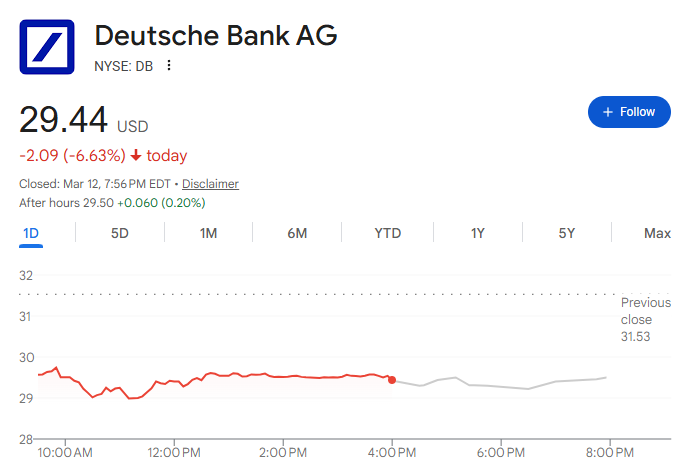

Private Credit Crunch 2025 | E-Commerce Seller Financing Impact
- $2-3 trillion market collapse triggers 5-7% redemption caps, tightening working capital access for 50K+ mid-market sellers












Overview
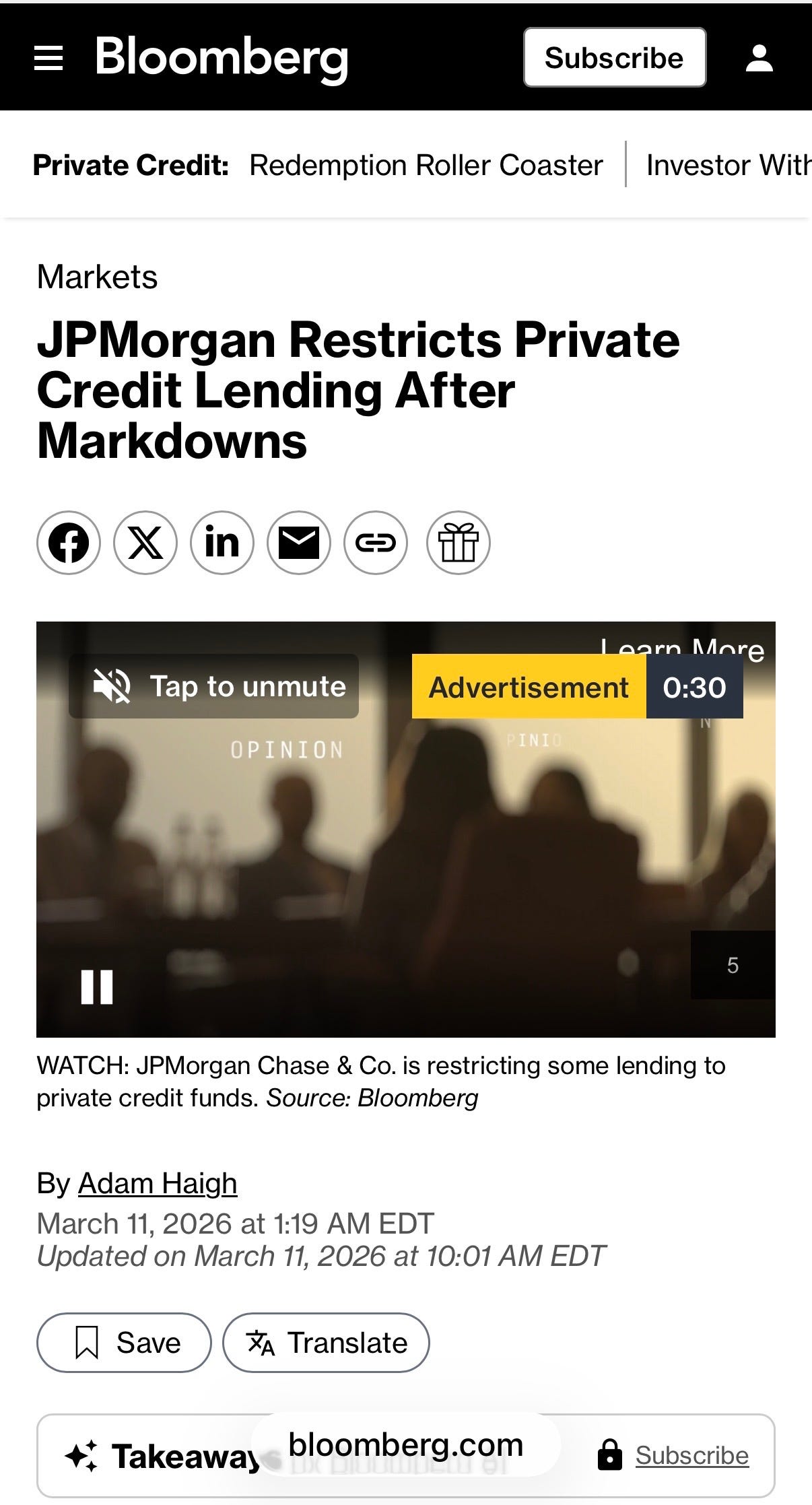
The $2-3 trillion private credit market is experiencing unprecedented liquidity stress as major funds implement redemption restrictions, creating immediate financing headwinds for cross-border e-commerce sellers. Morgan Stanley's North Haven Private Income Fund capped redemptions at 5% of shares, returning only $169 million against $340+ million in withdrawal requests. Cliffwater's $33 billion flagship vehicle limited first-quarter redemptions to 7% after investors sought 14% withdrawals—both signals of severe market dysfunction. JPMorgan Chase, the nation's largest bank, is actively limiting new lending to private credit firms and marking down existing loan portfolios, representing a critical shift in the funding ecosystem that historically supported mid-market e-commerce businesses.
The immediate financing impact for sellers is severe. Private credit funds have become essential sources for working capital financing, inventory funding, and growth capital for mid-market e-commerce businesses generating $5-50M annual revenue. When major providers implement redemption gates, it typically precedes 200-400 basis point increases in borrowing costs, 30-60 day delays in capital deployment, and stricter underwriting standards. Sellers currently relying on private credit for seasonal inventory purchases, cross-border fulfillment expansion, or acquisition financing face potential capital shortfalls. The "SaaS-pocalypse" exposure mentioned in market analysis suggests software-adjacent e-commerce categories (SaaS tools, digital products, subscription services) face heightened scrutiny and potential credit tightening.
Immediate cash flow optimization becomes critical. The yield compression (9% private credit returns vs. 4.5% risk-free rates) indicates investors are reassessing risk-adjusted returns, forcing private credit providers to become more selective. Sellers should immediately: (1) accelerate invoice factoring or supply chain financing to unlock 30-60 days of working capital at 2-4% monthly rates; (2) shift inventory financing to asset-based lending secured by inventory/receivables rather than unsecured growth capital; (3) evaluate alternative lenders including traditional banks, fintech platforms (Clearco, Pipe, Stripe Capital), and supply chain finance providers offering 5-8% rates. The redemption restrictions signal 6-12 month tightening cycle, making proactive refinancing essential before credit availability further contracts.
Questions 7
Are there regional or currency-specific financing advantages during this crisis?
Yes, significant regional advantages exist. Hong Kong and Singapore-based sellers benefit from lower fintech lending rates (5-8% vs. 8-15% in US) through regional platforms (Lendingkart Asia, Kredivo). EU-based sellers can access European supply chain finance at 0.5-1.5% monthly through providers like Tradeshift and Coupa, which are less exposed to US private credit crisis. UK sellers face tighter conditions due to Bank of England concerns about private credit systemic risk. US-based sellers should prioritize fintech platforms (Clearco, Pipe) offering 8-12% rates. Currency-wise, sellers with USD revenue should avoid hedging costs (currently 1-2% annually) and maintain USD cash positions. Sellers with EUR/GBP revenue should consider forward contracts to lock in rates before further tightening. The key: regional financing options are less correlated with US private credit crisis, providing diversification benefits.
What is the cash conversion cycle impact of private credit tightening?
Private credit tightening extends cash conversion cycles by 20-40 days for affected sellers. Normally, mid-market e-commerce sellers operate 45-60 day cycles (30 days inventory, 15 days receivables, 15 days payables). When private credit becomes unavailable, sellers must either: (1) Reduce inventory by 20-30%, extending stockouts and losing 5-10% in sales; (2) Extend payables to suppliers by 15-30 days, damaging supplier relationships; (3) Shift to invoice factoring, which extends cycles by 5-10 days but costs 2-4% monthly. The optimal response combines 15-20 day payables extension with invoice factoring, maintaining 55-70 day cycles while reducing private credit reliance by 60-80%. Sellers should model these scenarios immediately to identify the least disruptive path.