


Yemen's Southern Uprising Fractures Regional Power Dynamics
- UAE-Backed Separatist Movement Challenges Established Geopolitical Frameworks in Middle East

















Overview
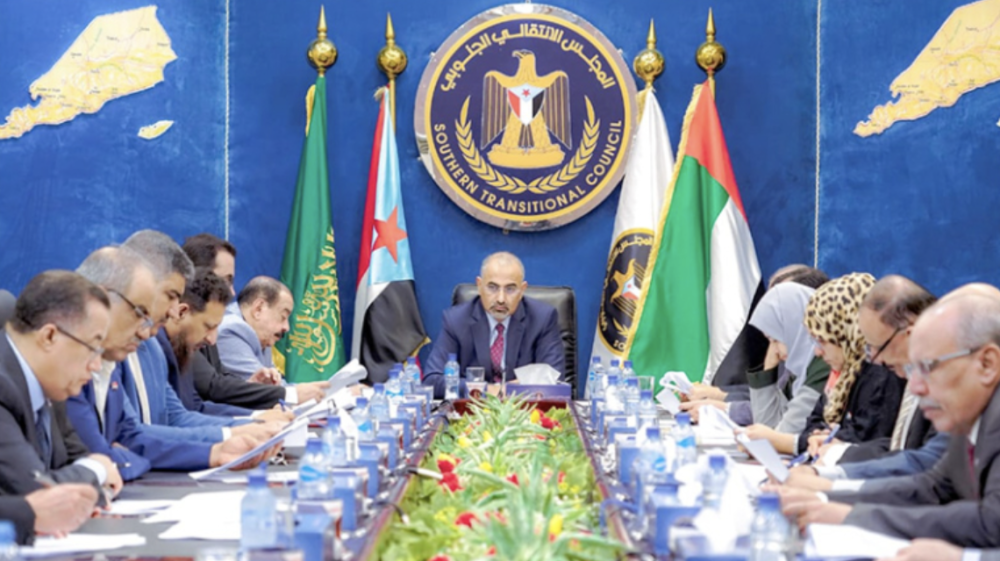
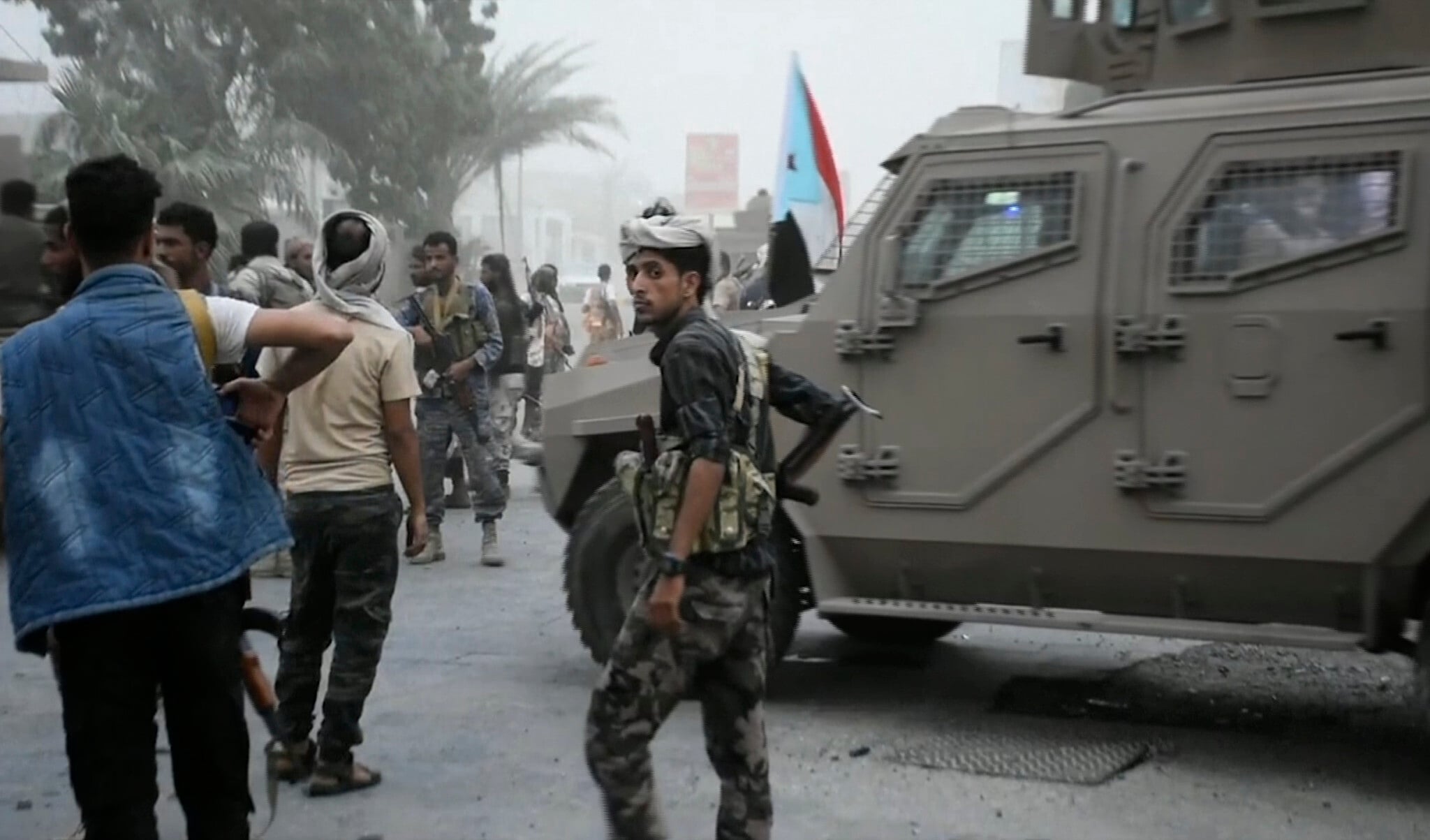
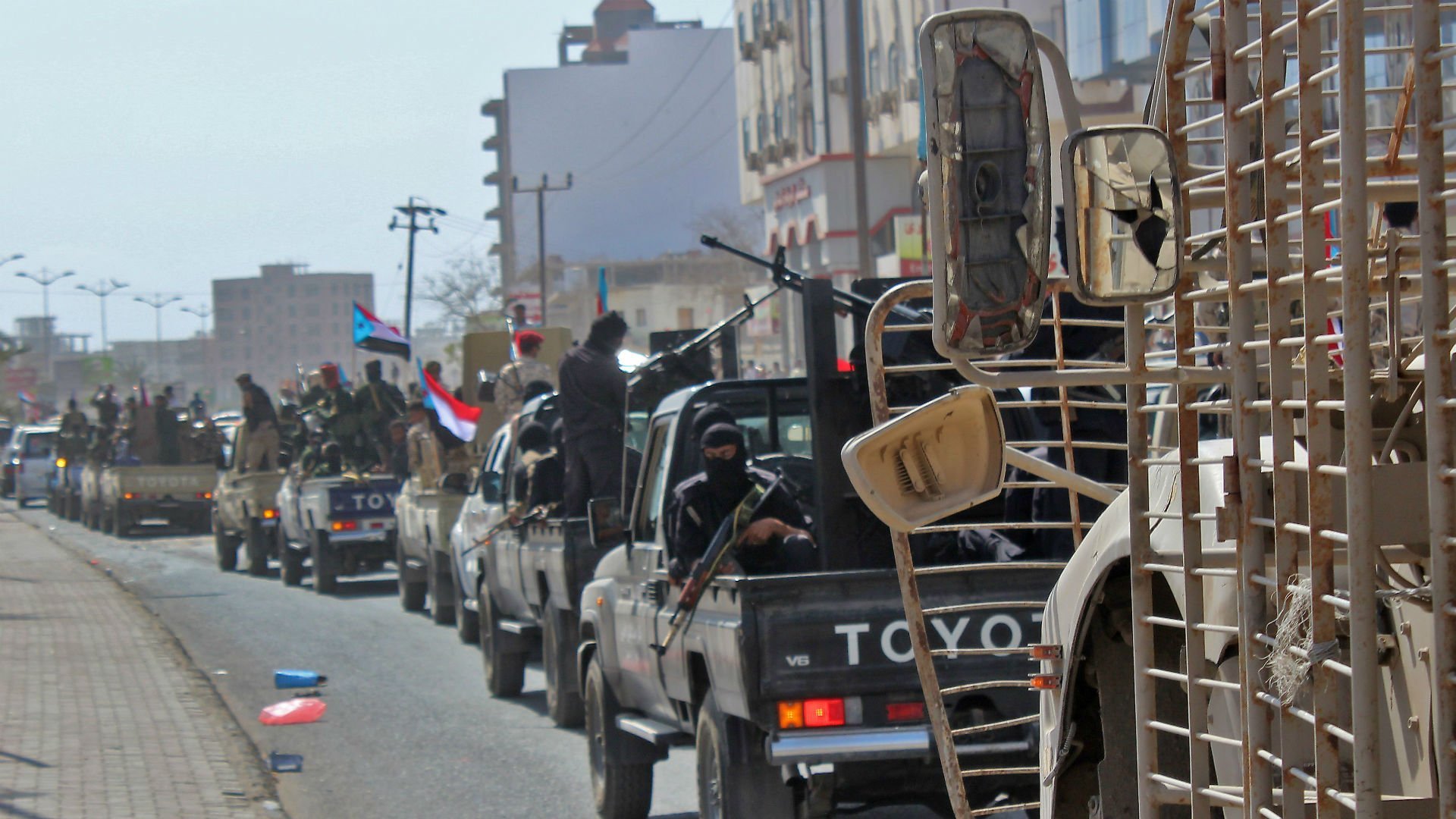
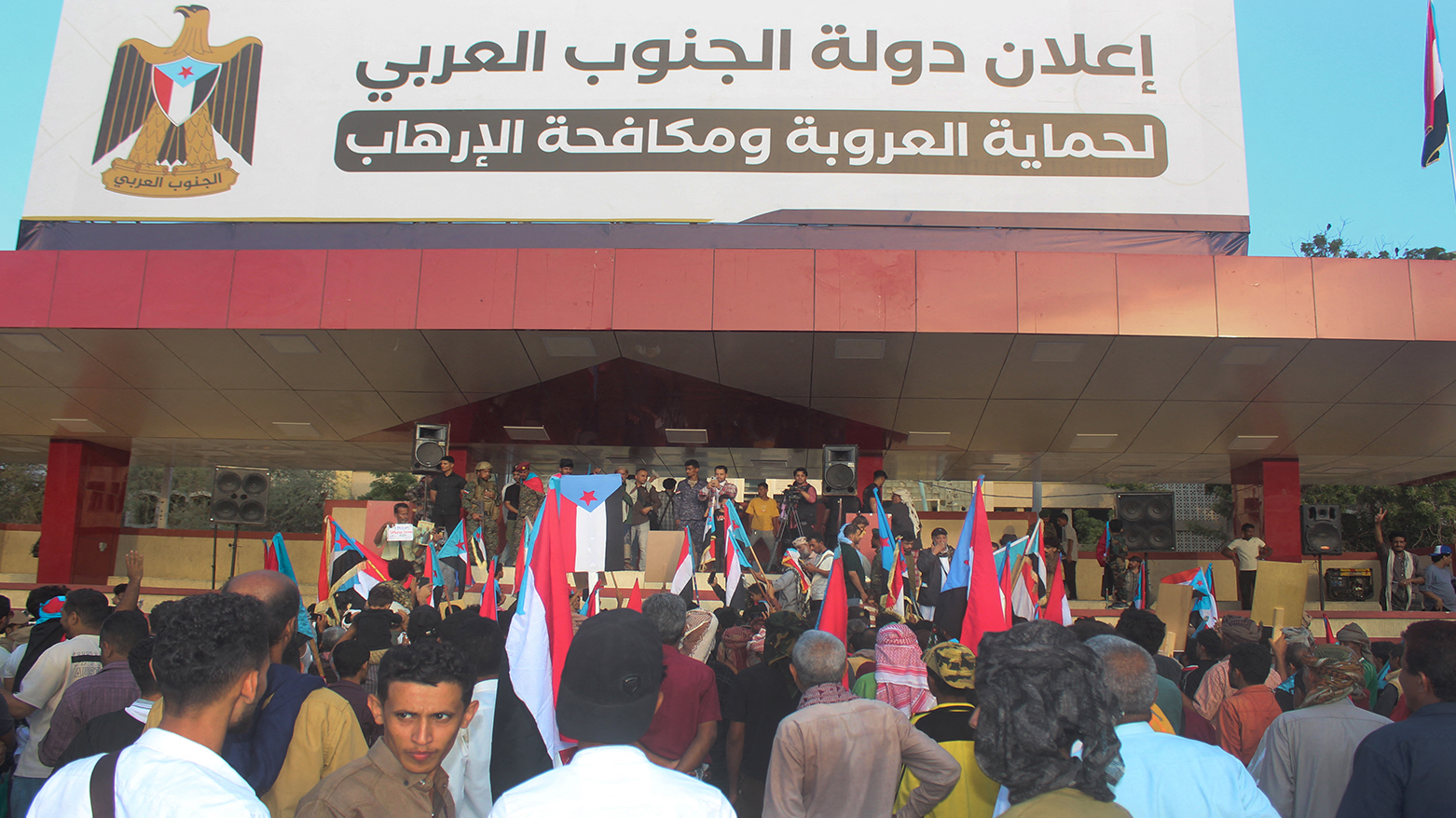
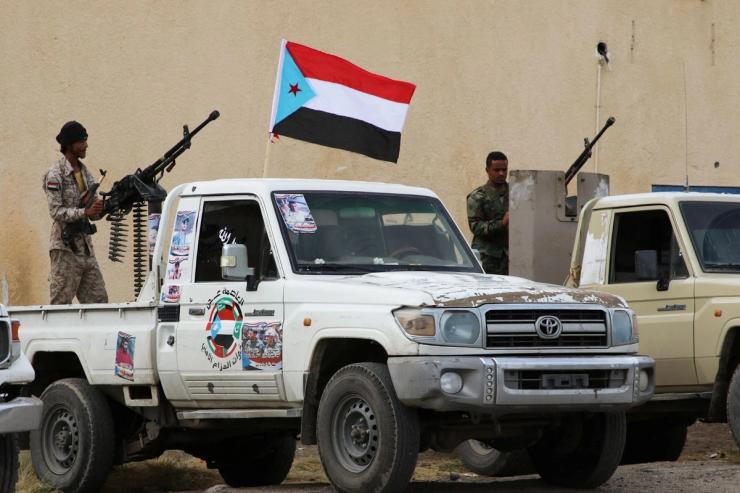
The Southern Transitional Council (STC) is orchestrating a profound geopolitical transformation in Yemen, systematically dismantling decades-old power structures through a calculated territorial consolidation strategy. By seizing control of eight southern governorates, including the strategically critical Hadramawt and Mahra provinces, the STC has effectively created a de facto autonomous region that challenges the existing Yemen-wide governance model.
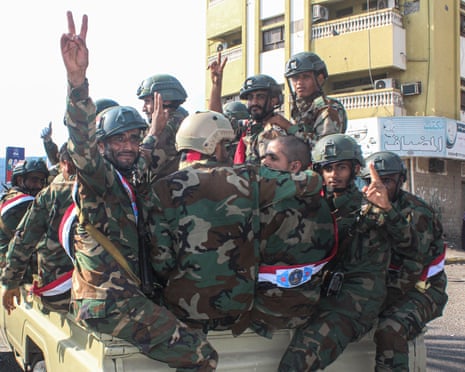
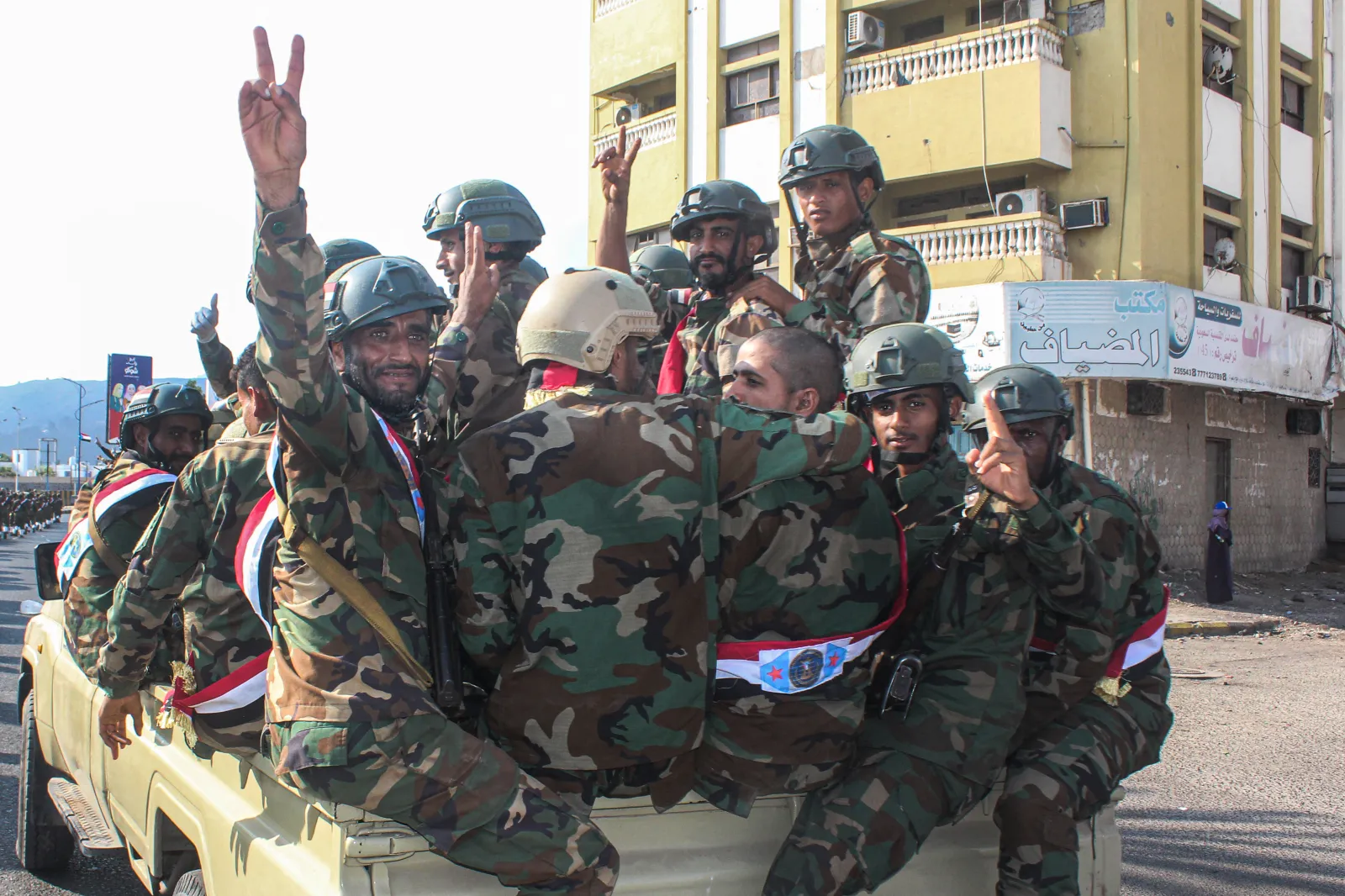
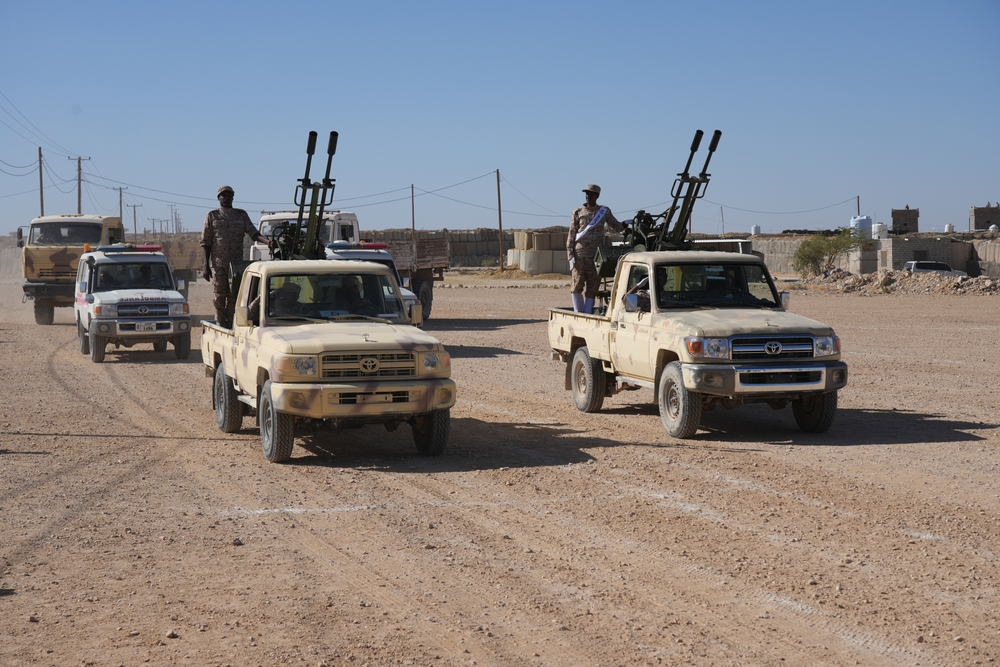
This uprising represents more than a regional power struggle—it's a strategic realignment with far-reaching implications. The STC's military operation, dubbed 'Promising Future', has not merely captured territory but systematically replaced national government infrastructure with its own institutions. With approximately 10,000 troops and control of PetroMasila, Yemen's largest oil company, the movement has transformed from a separatist group to a potential proto-state actor.
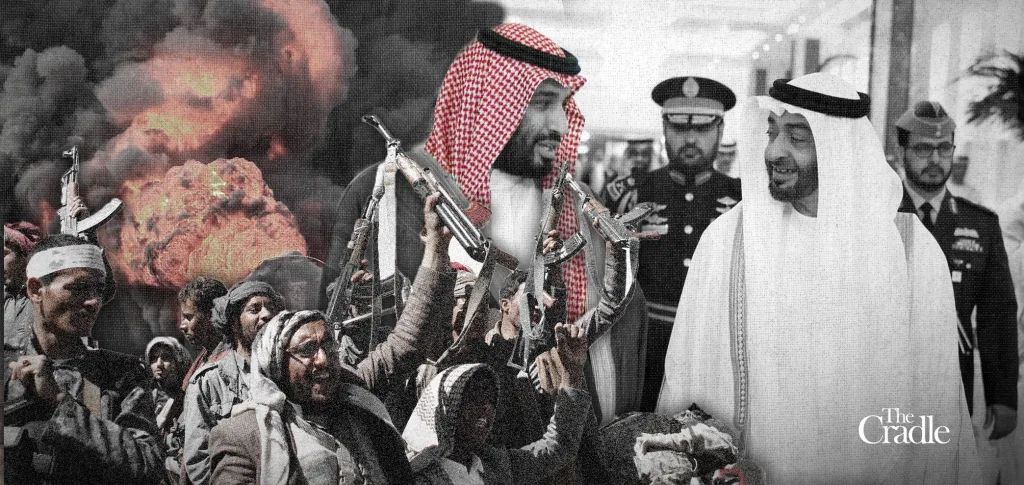
The geopolitical complexity is heightened by the intricate relationships between regional powers. The United Arab Emirates and Saudi Arabia, traditionally aligned US partners, now find themselves on divergent paths. The UAE's backing of the STC suggests a nuanced approach to regional influence that goes beyond traditional state-to-state diplomacy. By supporting a sub-national actor capable of challenging the central government, the UAE is rewriting the rules of regional engagement.
The potential for a two-state solution in Yemen is no longer a hypothetical scenario but an emerging reality. The STC's systematic replacement of government symbols, control of strategic territories, and reported exodus of senior government officials indicate a methodical approach to establishing de facto independence. While an immediate declaration might be premature, the groundwork for a potential referendum on separation is being meticulously laid.
Western diplomatic circles are closely monitoring these developments, recognizing that the STC's actions could significantly impact the ongoing struggle against Houthi forces and the broader regional power balance. The movement represents a critical inflection point that could reshape Yemen's political landscape and challenge existing geopolitical paradigms in the Middle East.
Questions 3
What are the potential risks of the STC's territorial consolidation?
The primary risks include potential increased regional instability, further fragmentation of Yemen's governance, and the possibility of renewed conflict with the central government or Houthi forces. The move could also strain diplomatic relations between regional powers like the UAE and Saudi Arabia.
How might the UAE's support for the STC impact regional geopolitics?
By backing the STC, the UAE is challenging traditional state boundaries and creating a new model of regional influence. This strategy potentially weakens Saudi Arabia's position and creates a more fragmented political landscape that could reshape Middle Eastern power dynamics.