


West Africa's Geopolitical Powder Keg: Oil Markets and Political Instability Converge
- Regional Tensions Reshape Energy Dynamics and Strategic Calculations







Overview
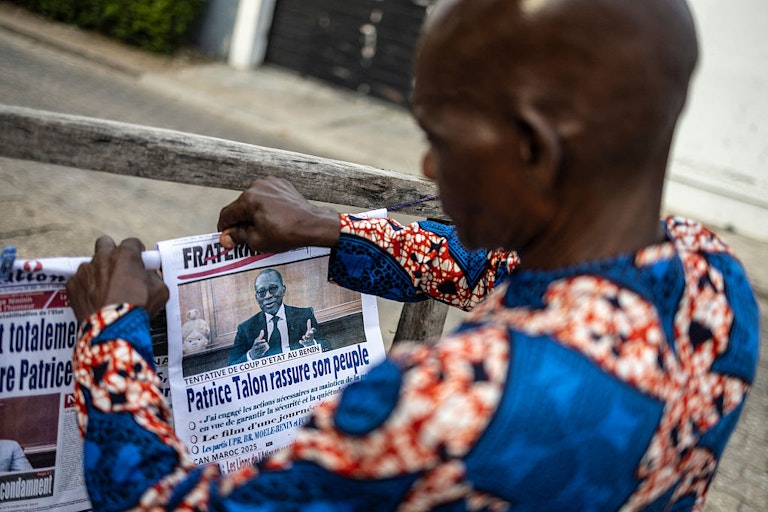
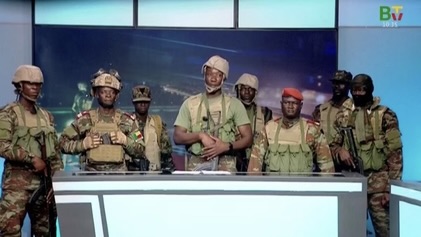
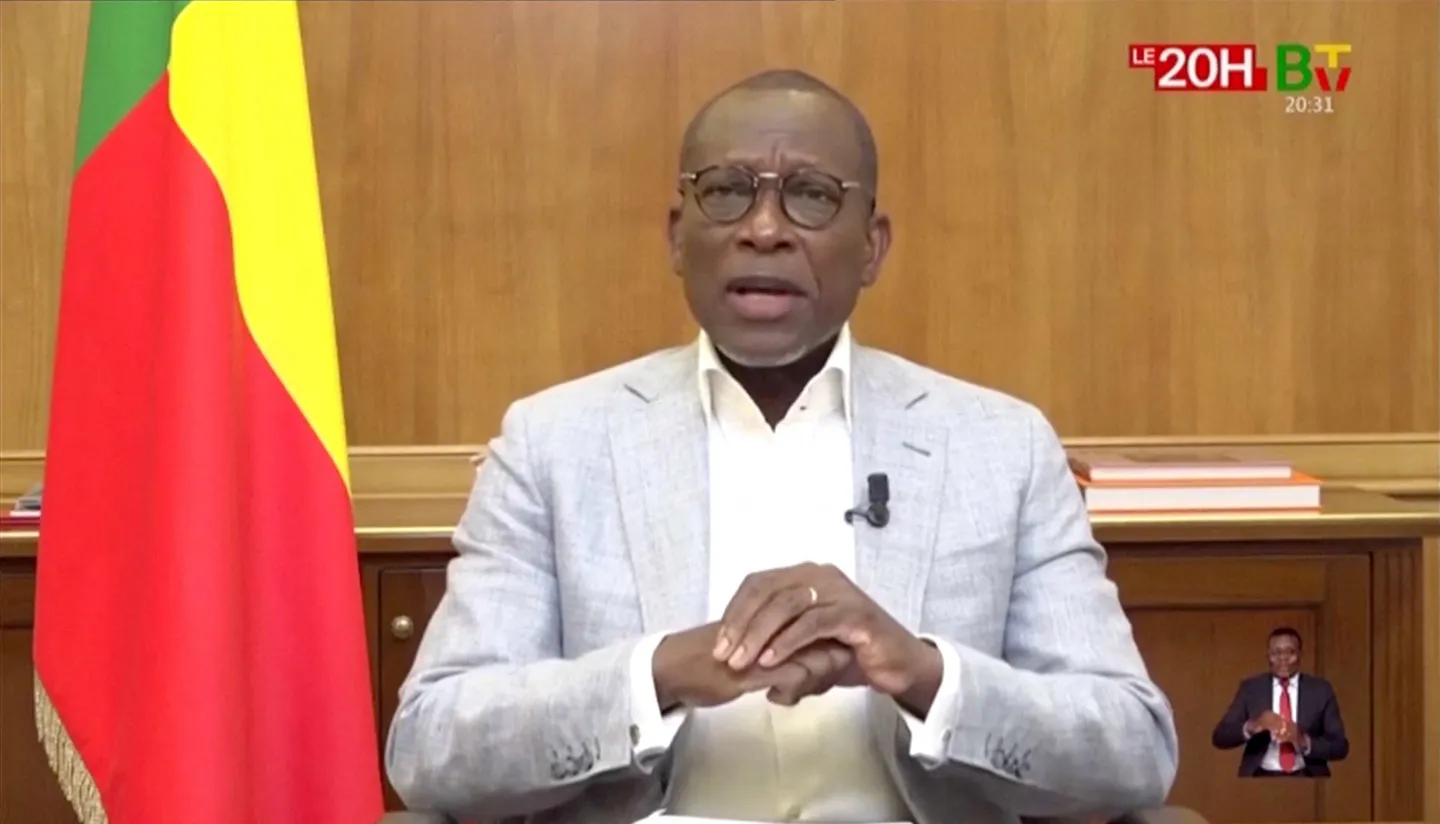
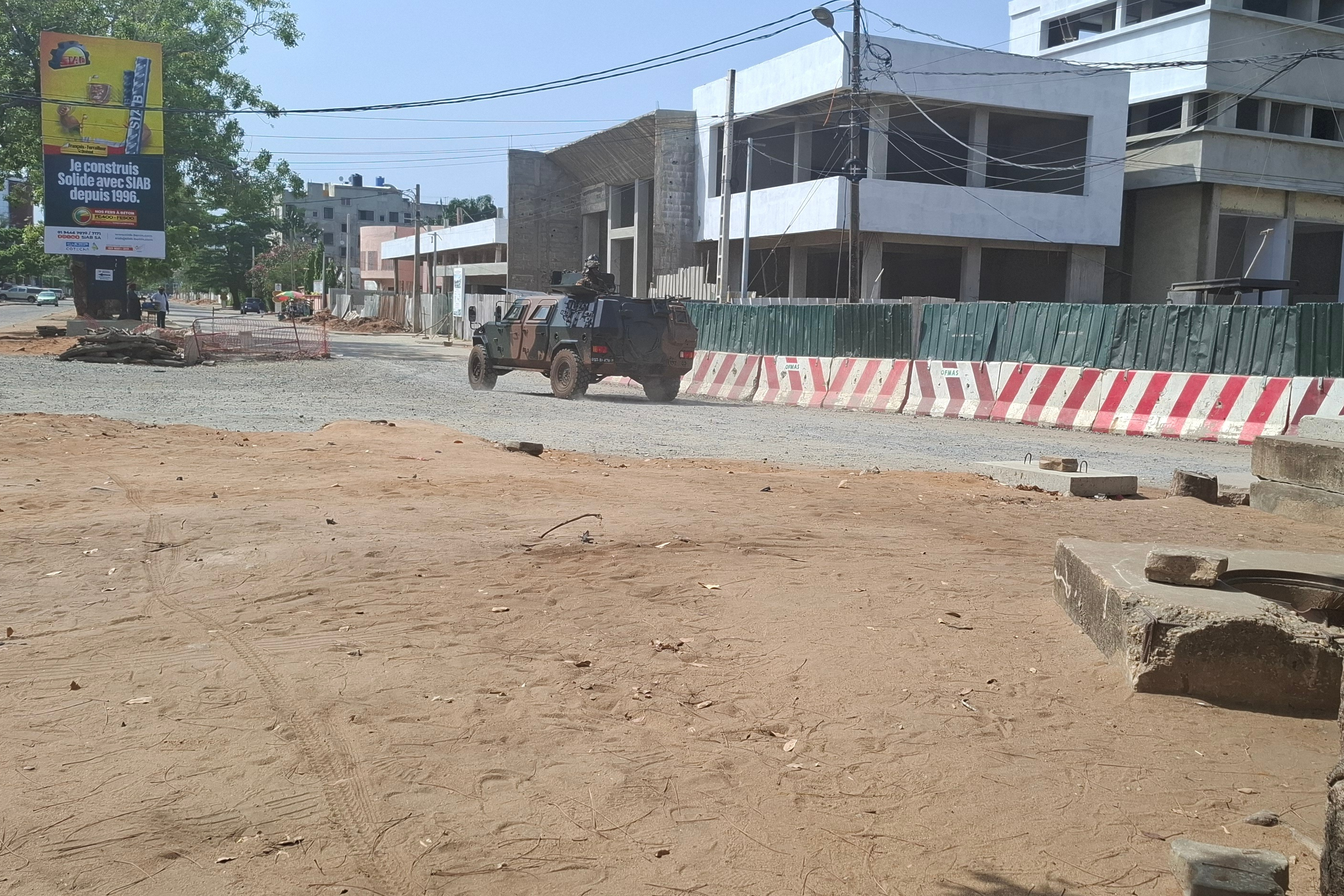
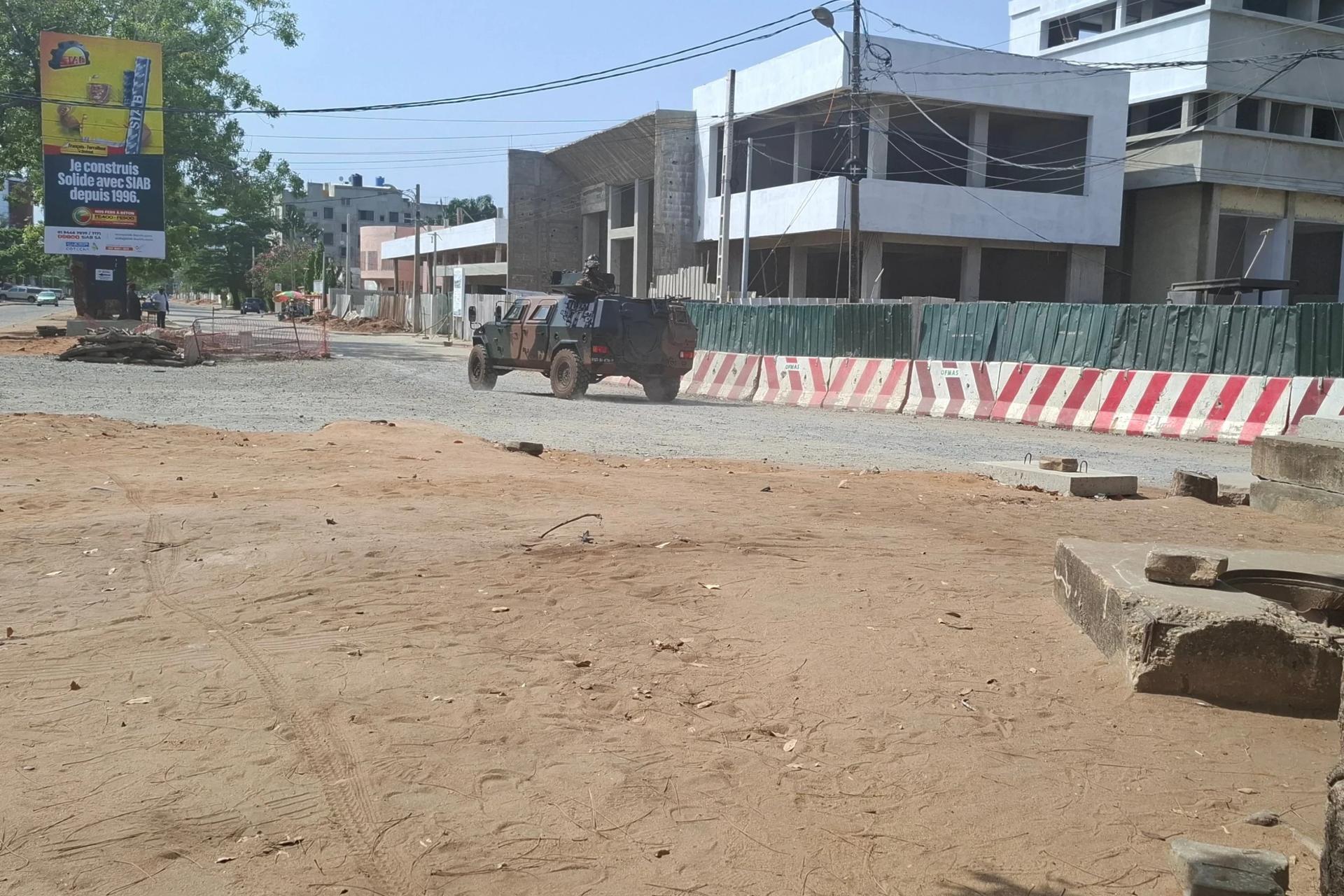
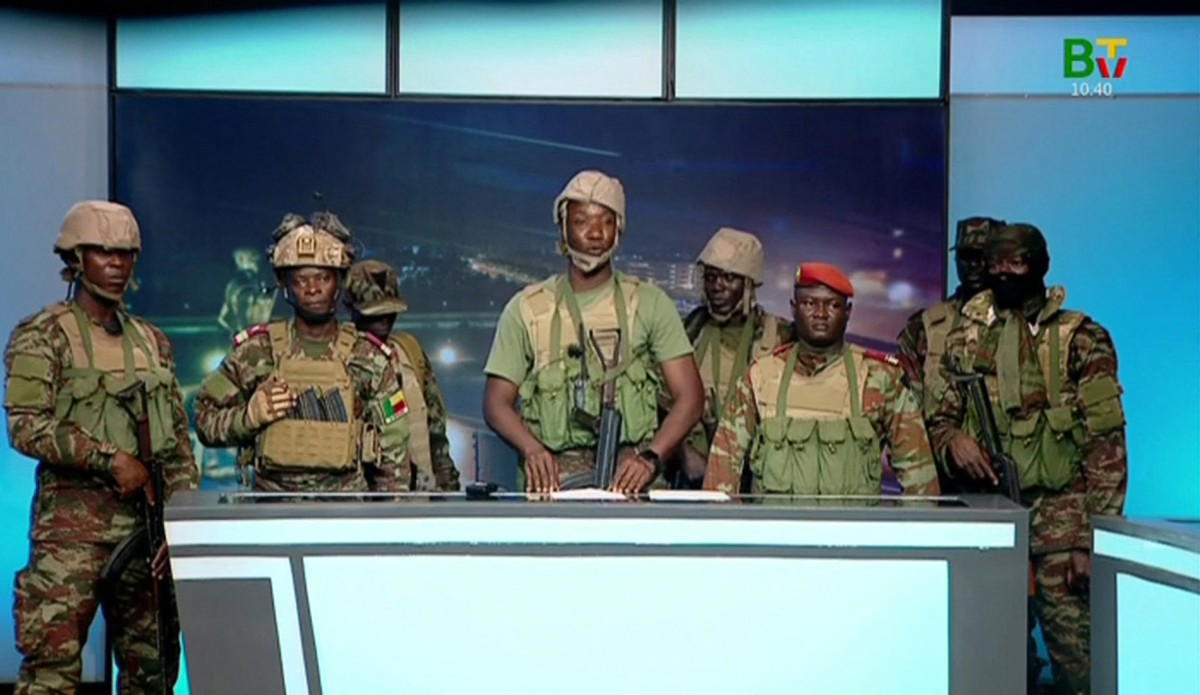
The convergence of political instability and energy market dynamics in West Africa reveals a complex geopolitical landscape with profound strategic implications. Nigeria's decisive intervention in Benin's coup attempt and OPEC's surprise oil production cut represent interconnected signals of regional transformation that extend far beyond immediate events.
Geopolitical Fragmentation emerges as a critical trend, with the Alliance of Sahel States (AES) challenging traditional regional governance structures. The military coup attempts and Nigeria's robust response highlight a power recalibration where regional stability depends on strategic interventions. Multiple countries—Mali, Guinea, Burkina Faso, and Niger—have experienced military takeovers, indicating systemic pressures from worsening poverty, shrinking state authority, and geopolitical competition.
Simultaneously, the global oil market dynamics add another layer of complexity. OPEC's unexpected production cut of 1.2 million barrels per day, driven by Saudi Arabia's strategic calculations, demonstrates how energy markets are becoming increasingly politicized. The global oil consumption of over 100 million barrels daily, combined with anticipated demand increases in 2023-2024, creates a volatile backdrop for regional tensions.
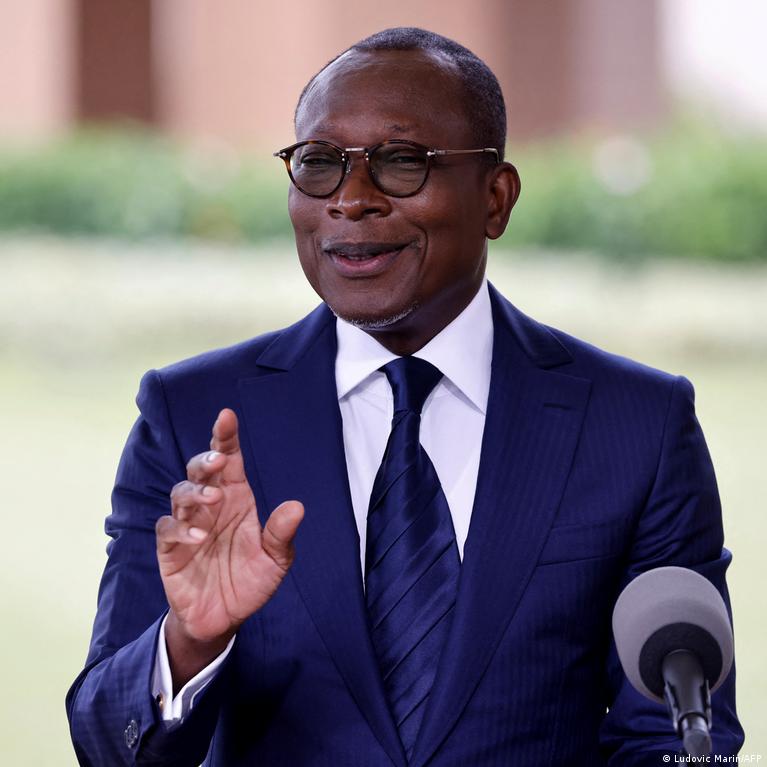
The intersection of political instability and energy markets suggests a transformative period for West Africa. Nigeria's role as a regional stabilizer is becoming more pronounced, with its armed forces acting not just as a national defense mechanism but as a regional strategic asset. The intervention in Benin, coordinated through the ECOWAS Protocol, signals a proactive approach to maintaining constitutional order.
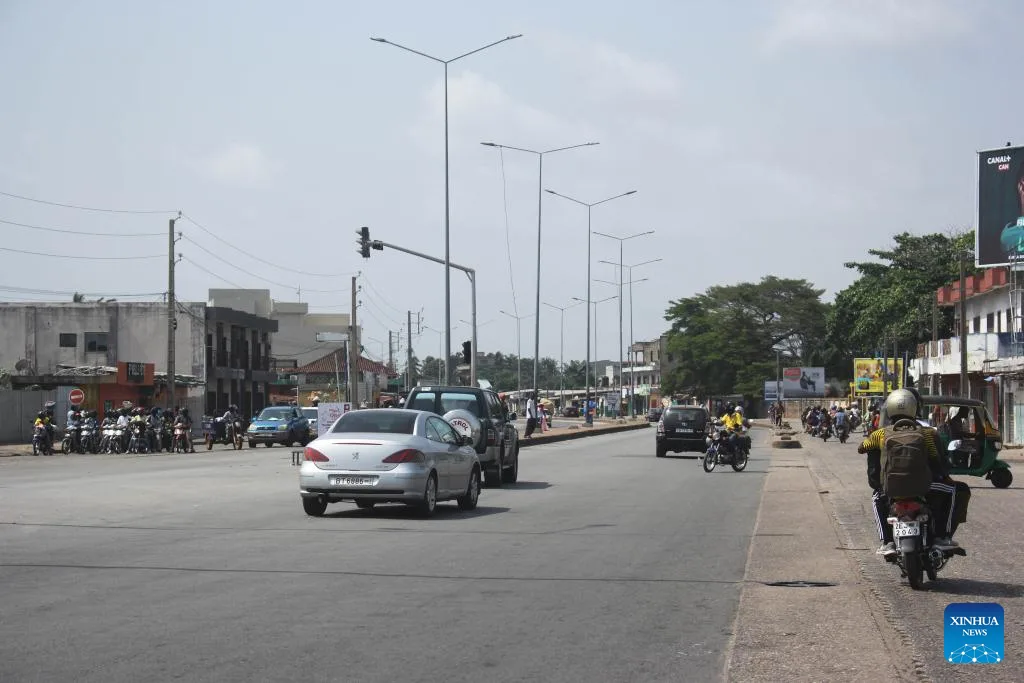
Cross-border sellers and strategic planners must recognize that these developments are not isolated incidents but part of a broader reconfiguration of political and economic landscapes. The potential for increased transportation and logistics costs, driven by oil price volatility and regional instability, demands adaptive strategies and nuanced risk assessment.
Questions 3
What strategic role is Nigeria playing in regional stability?
Nigeria is emerging as a critical stabilizing force, using its military capabilities to intervene in regional conflicts like the Benin coup attempt. By acting through ECOWAS protocols, Nigeria is positioning itself as a key regional power that can quickly respond to democratic threats and maintain constitutional order, which has significant implications for regional economic and political predictability.
How are political instabilities in West Africa affecting regional economic dynamics?
The rise of military governments in countries like Mali, Guinea, and Niger is fragmenting traditional governance structures, creating uncertainty for cross-border trade and investment. The Alliance of Sahel States (AES) represents a significant shift that could disrupt existing economic cooperation frameworks and potentially create new, unpredictable market entry barriers.