




Middle East Conflict Drives 9-10% Oil Surge | Shipping Cost Crisis for E-Commerce Sellers
- Oil prices spike to $100/barrel affecting air freight costs 8-15% for cross-border sellers; Strait of Hormuz disruptions threaten supply chains; 114-day conflict creates logistics uncertainty through Q2 2026





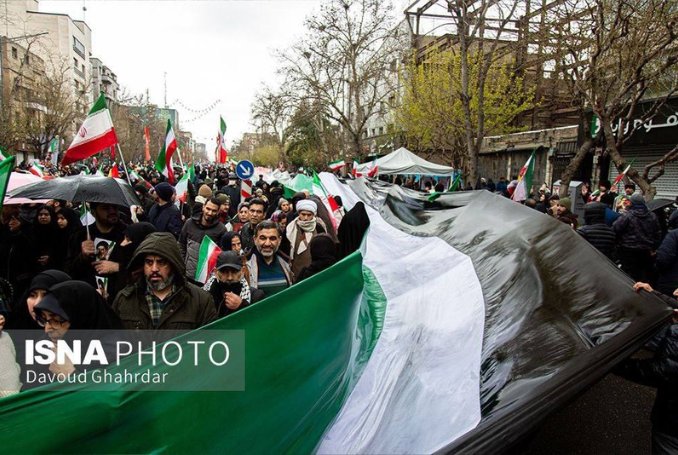


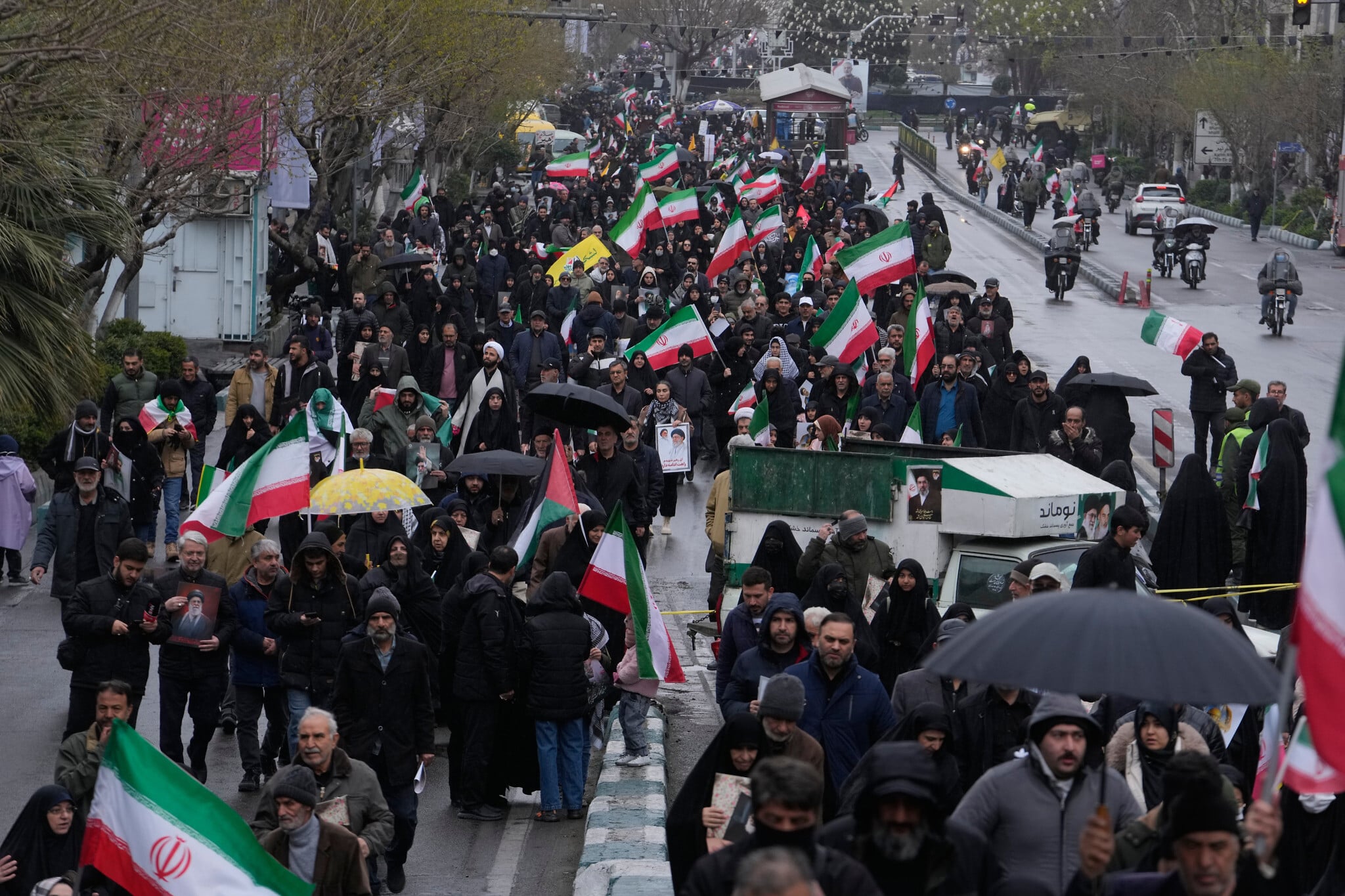







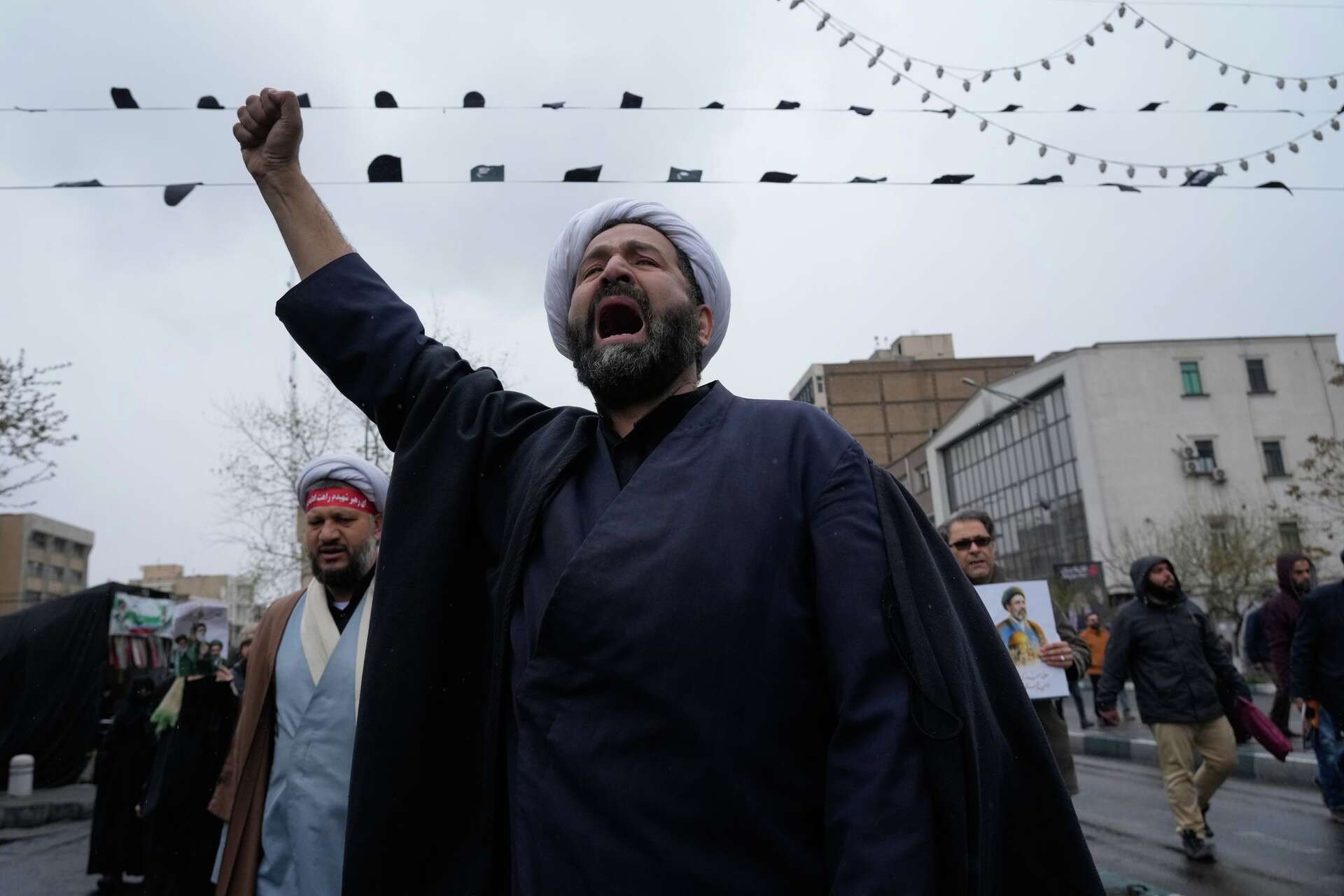




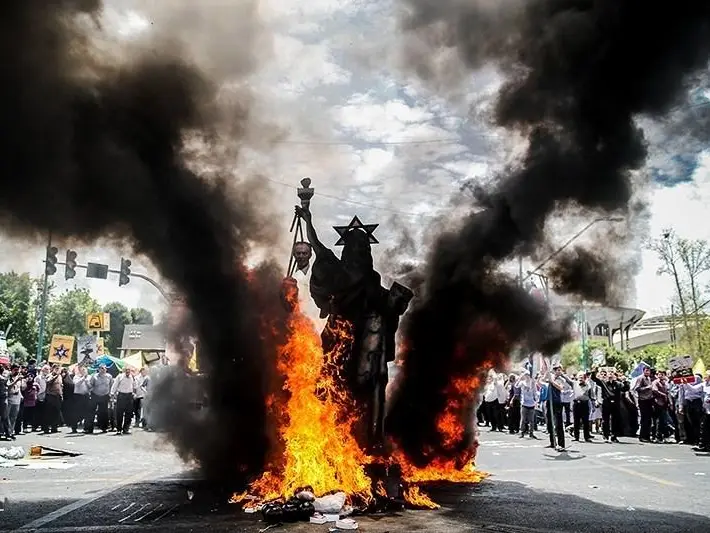)




Overview
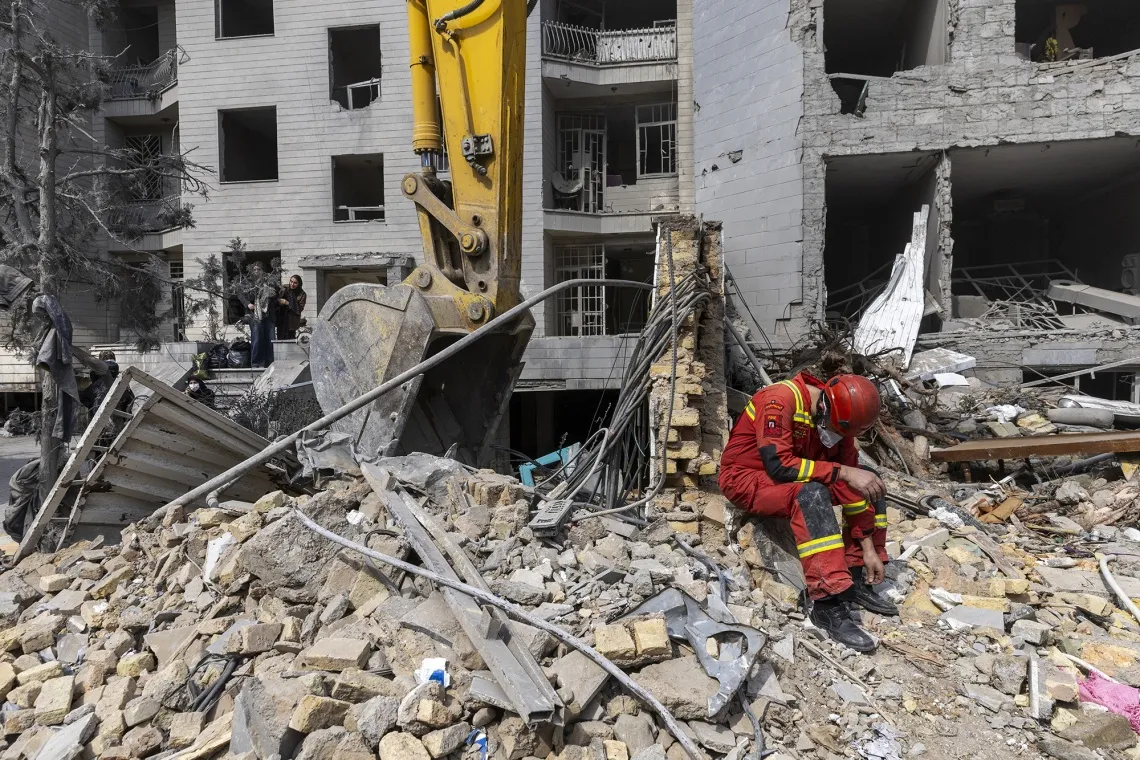
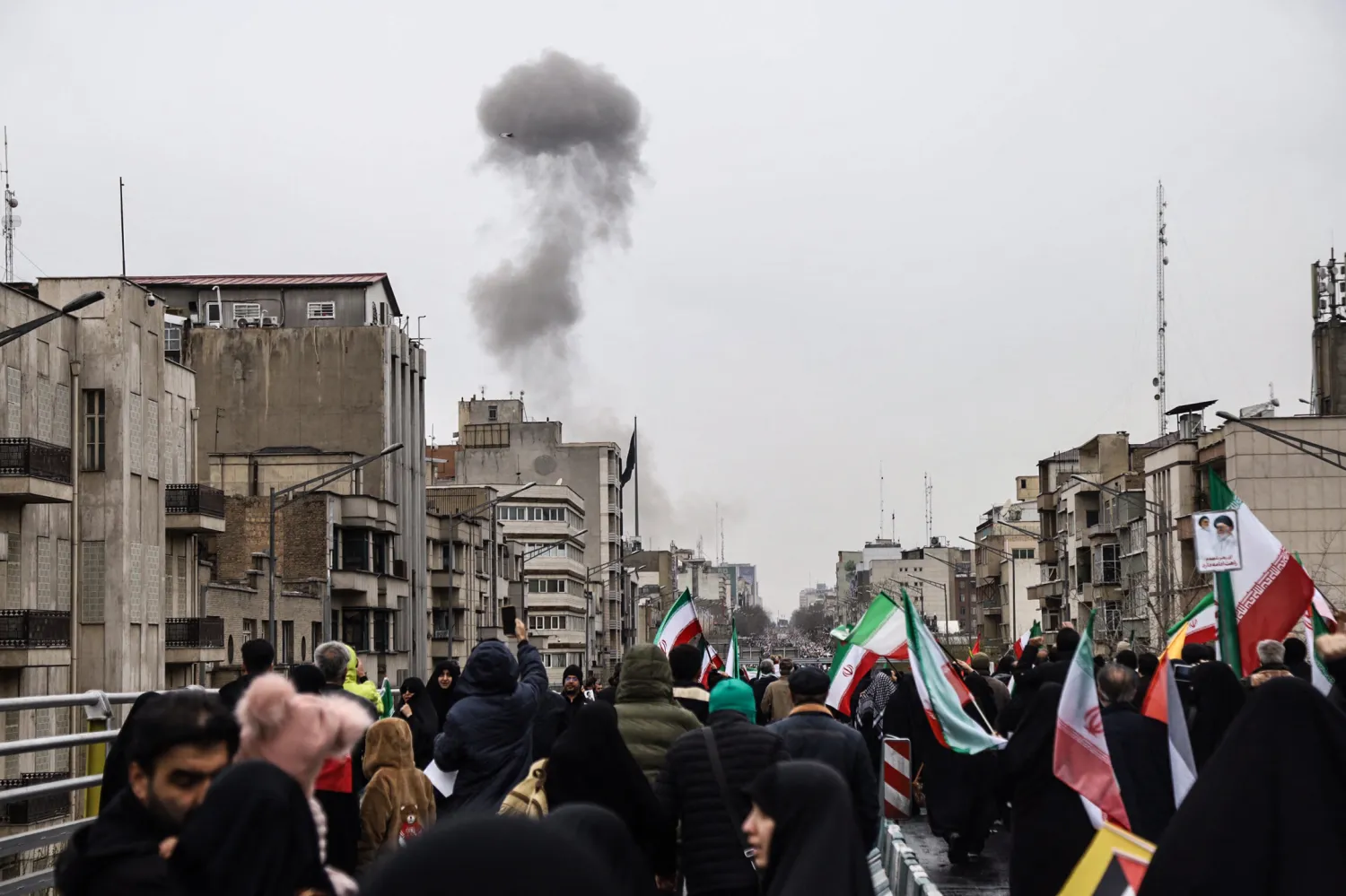
The escalating military conflict between the United States, Israel, and Iran represents a critical supply chain disruption event for cross-border e-commerce sellers, with direct financial implications for logistics costs and market access. Beginning in late February 2025 and intensifying through March 2026 (114+ days of conflict), the crisis has triggered oil price surges of 9-10% to approximately $100 per barrel, directly impacting air freight costs, ocean shipping fuel surcharges, and last-mile delivery expenses. The Strait of Hormuz—through which one-fifth of global oil passes—faces active military threats, with multiple tankers struck and two vessels set ablaze in Iraqi ports, creating immediate supply chain bottlenecks for sellers relying on time-sensitive logistics corridors.
Immediate Logistics Cost Impact: Air freight rates, already elevated post-pandemic, face additional 8-15% increases due to fuel surcharges. Sellers shipping electronics, apparel, and perishables via air freight to North America and Europe will absorb $200-600 additional monthly costs per 1,000 units shipped. Ocean freight fuel surcharges (bunker adjustments) typically increase 5-8% with $100 oil, adding $150-400 monthly to container shipments. 3PL providers and logistics networks are implementing contingency routing around the Strait of Hormuz, extending transit times 7-14 days and increasing costs by 12-18% for affected corridors.
Market Access Disruptions: The conflict has prompted major financial institutions (Citigroup, Standard Chartered) to evacuate Dubai offices and implement remote work policies, signaling reduced business activity in the UAE—a critical e-commerce logistics hub. This creates payment processing delays, customs clearance slowdowns, and reduced warehouse capacity in the region. Sellers with inventory in Dubai-based fulfillment centers face potential delays in goods movement and increased storage costs. The 30-day Russian oil license issued by the U.S. government provides temporary market stabilization, but geopolitical uncertainty extends beyond this window, creating pricing volatility through Q2 2026.
Competitive Dynamics: Large sellers with diversified logistics networks and pre-positioned inventory in multiple regions (US, EU, Southeast Asia) can absorb cost increases more effectively than small/medium sellers (SMBs) relying on single-corridor shipping. China-based sellers shipping via air freight face disproportionate cost impacts (15-20% increases), while sellers with established 3PL relationships in unaffected regions (Southeast Asia, India) gain competitive advantages. The conflict creates tariff arbitrage opportunities for sellers sourcing from non-affected regions—Vietnam, India, and Mexico become more attractive sourcing destinations as sellers seek to avoid Middle East logistics bottlenecks.
Questions 7
How long will shipping cost increases last?
Based on historical geopolitical events (2019 Strait of Hormuz tensions, 2022 Russia-Ukraine conflict), shipping cost premiums typically persist 90-180 days after conflict escalation. The current conflict (114+ days as of March 2026) suggests sustained elevated costs through Q2 2026 at minimum. The U.S. government's 30-day Russian oil license provides temporary stabilization, but geopolitical uncertainty extends beyond this window. Sellers should budget for elevated costs through June 2026, with potential normalization in Q3 2026 if conflict de-escalates. Monitor oil prices weekly and adjust pricing strategies accordingly—consider implementing dynamic fuel surcharges on customer-facing pricing to protect margins.
What tariff opportunities emerge from Middle East supply chain shifts?
Sellers sourcing from Vietnam, India, and Mexico face lower tariff rates than China-based suppliers during Middle East logistics disruptions. Vietnam benefits from CPTPP tariff advantages (0-5% vs. 15-25% China rates on electronics/apparel). India offers preferential tariffs under CEPA agreements with UAE and other Gulf states, creating arbitrage opportunities for sellers shifting sourcing. Mexico's USMCA advantages (0% tariffs on many categories) become more attractive as sellers avoid Middle East logistics costs. Sellers should evaluate HS codes for their top 10 SKUs and calculate total landed costs including new shipping rates—Vietnam/India sourcing may offer 8-12% cost savings despite slightly higher unit prices, offsetting logistics premiums.