


Strait of Hormuz Oil Crisis Threatens E-Commerce Margins | 200% Price Spike Risk
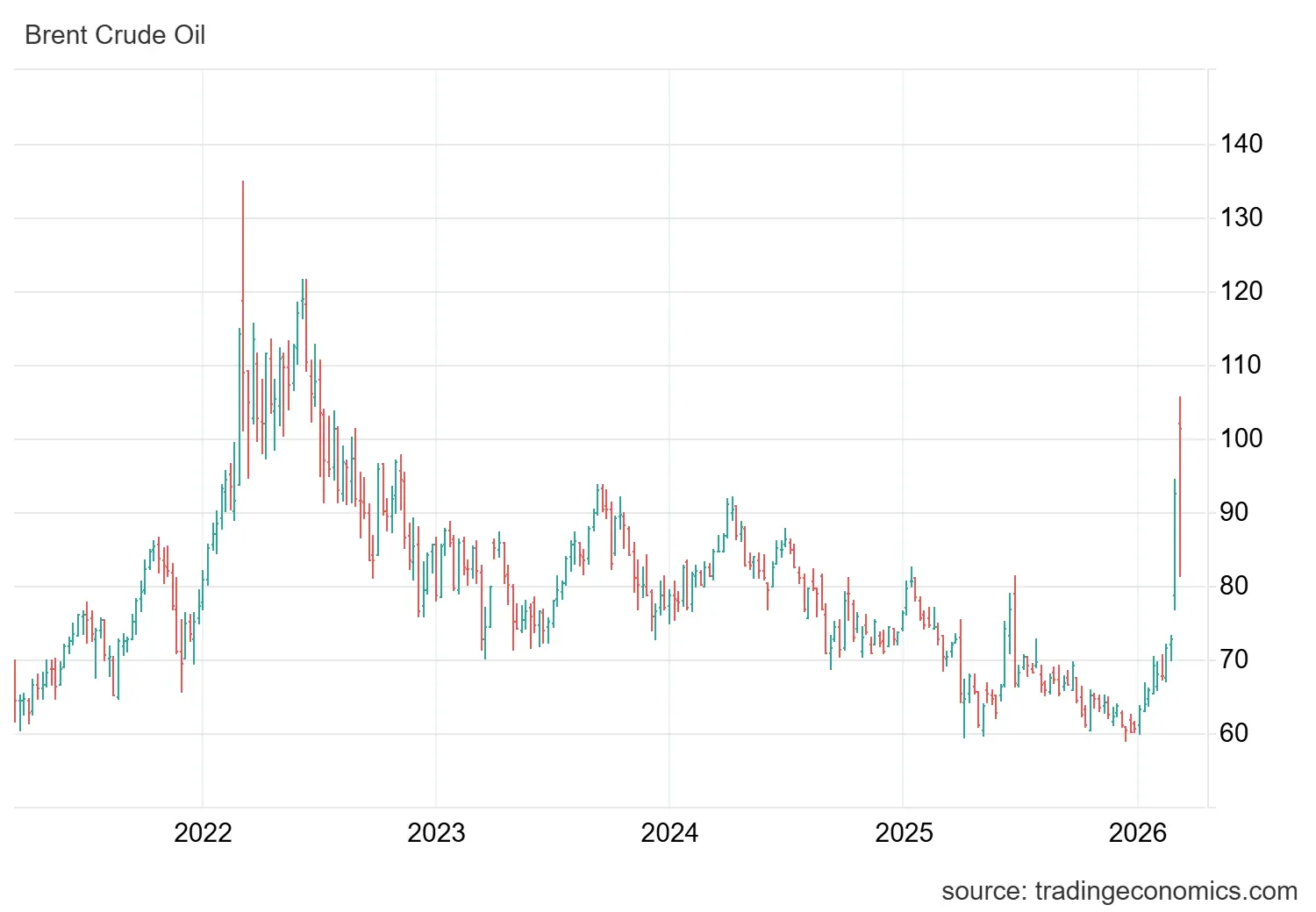
- Oil surges from $65 to $90-100/barrel with $200 potential; Shipping costs rise 15-35% for cross-border sellers; 3-6 month supply chain disruption expected














Overview
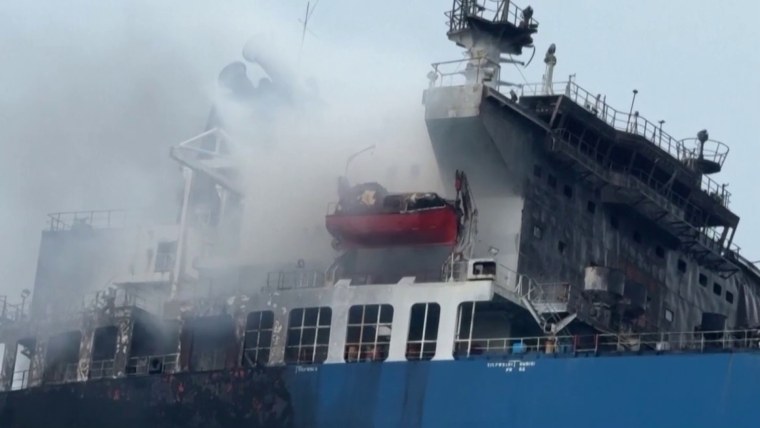
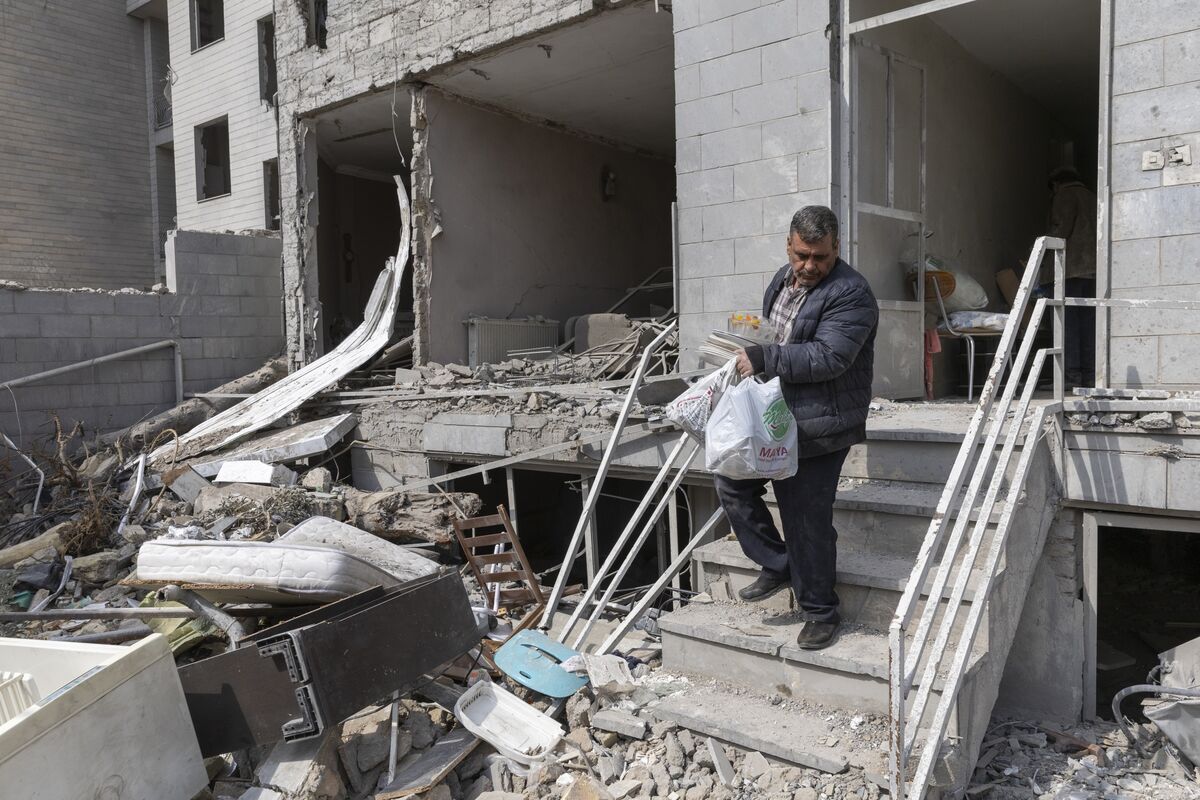
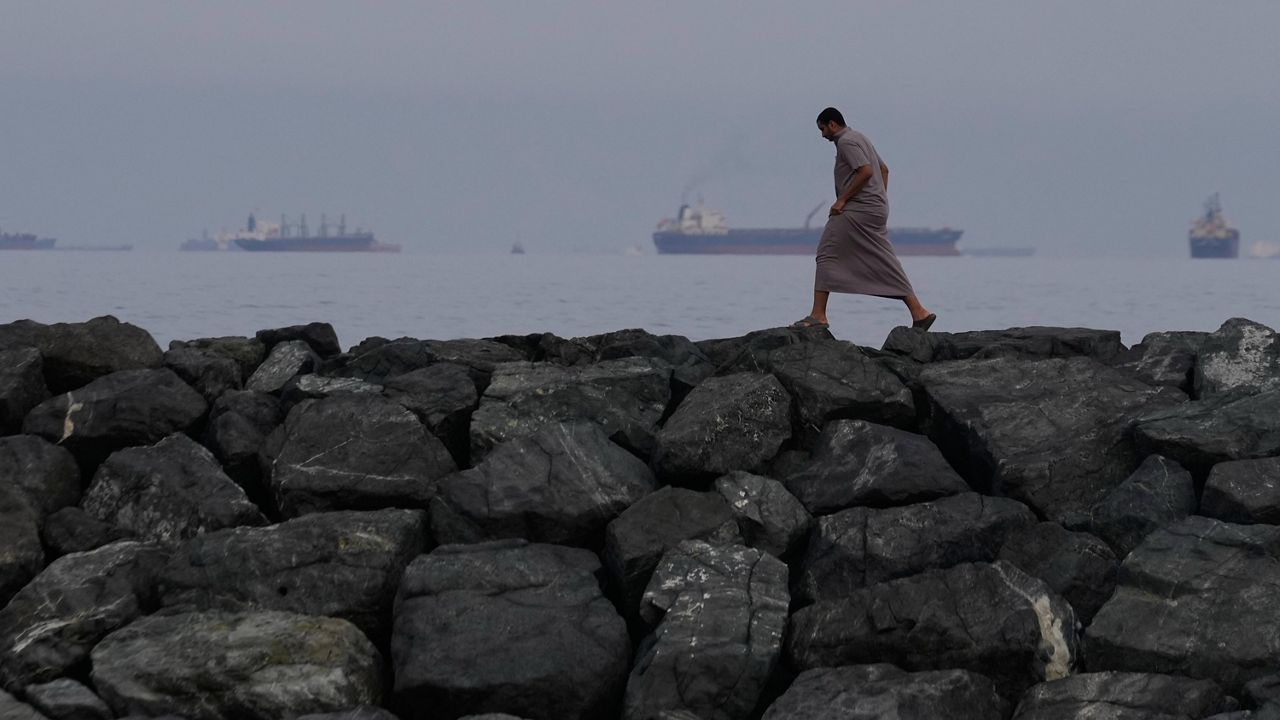
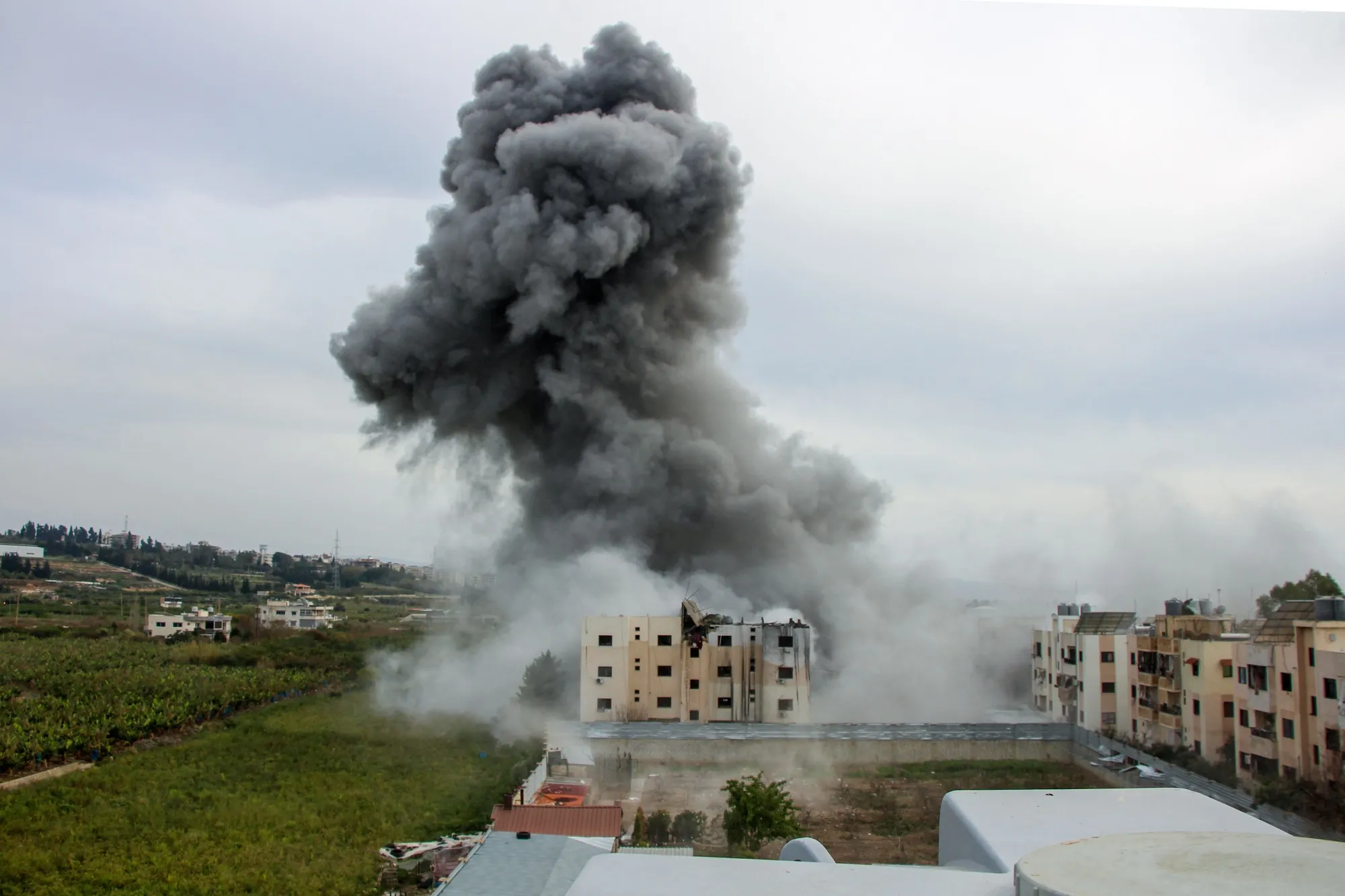
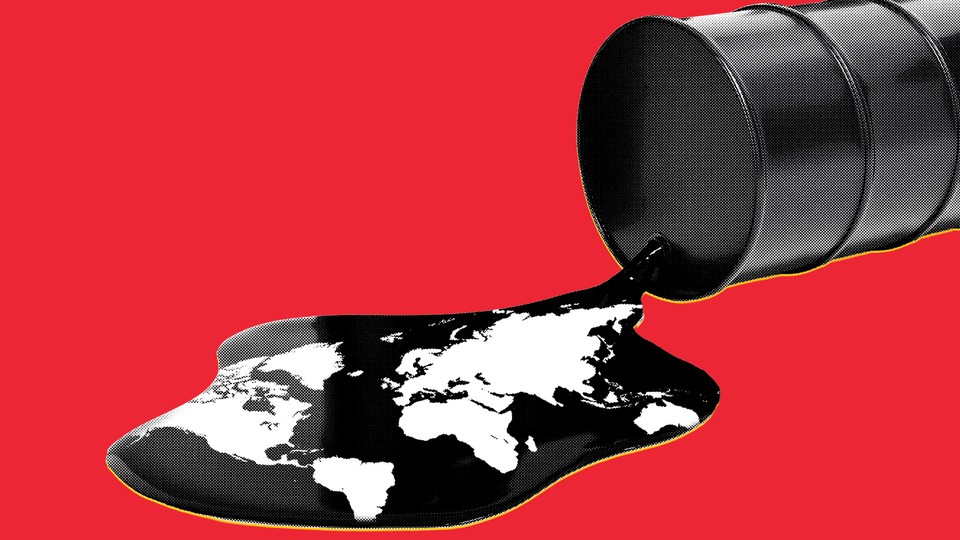
The Iran-U.S. military conflict as of March 2026 has triggered the largest global oil supply disruption in history, with crude prices surging from $65 to $90-$100 per barrel and potential escalation to $200 per barrel if the Strait of Hormuz—carrying 20% of global oil supply—remains closed beyond one month. This geopolitical crisis creates unprecedented operational challenges for cross-border e-commerce sellers across all major platforms including Amazon FBA, eBay, and Shopify.
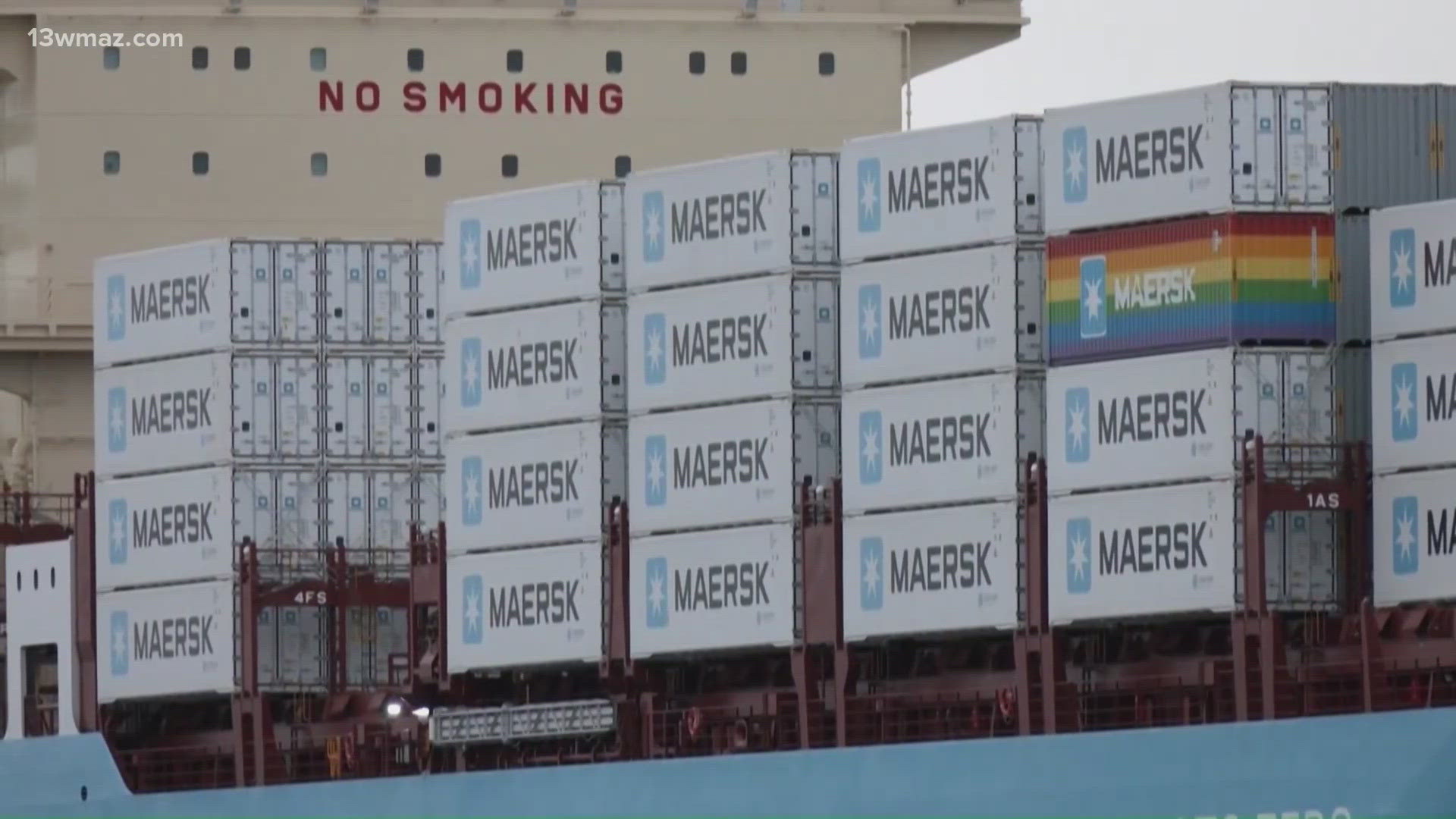
Immediate Shipping Cost Impact: Ocean freight costs are rising 15-25% while air freight premiums have increased 25-35%, directly compressing profit margins for sellers dependent on time-sensitive deliveries. Amazon FBA fulfillment fees are experiencing upward pressure as logistics providers absorb fuel surcharges. Third-party logistics (3PL) providers are implementing fuel adjustment charges of $0.50-$1.50 per shipment, affecting sellers shipping 1,000+ units monthly with cumulative cost increases of $500-$1,500 per month. International shipping corridors from Asia to North America and Europe face 5-10 day delays as vessels reroute around the Strait of Hormuz via longer routes.
Manufacturing Input Cost Escalation: Oil price increases cascade through supply chains affecting chemical and plastic manufacturing costs, which rise 8-12% for sellers sourcing products from China, Vietnam, and India. Categories most vulnerable include electronics (plastic components), home goods (packaging materials), apparel (synthetic fibers), and consumer goods with petroleum-based inputs. Sellers in price-sensitive categories (electronics, fast-moving consumer goods) face 3-5% margin compression, while premium categories (luxury goods, collectibles) retain pricing flexibility. The cybersecurity dimension adds operational risk, as Iran-linked hackers actively target U.S. infrastructure including payment processing systems and seller account security, requiring enhanced two-factor authentication and monitoring protocols.
Strategic Sourcing Implications: The conflict creates competitive advantages for sellers with diversified supplier networks. Those dependent on single-source suppliers from Middle Eastern regions or relying on just-in-time inventory face 2-4 week replenishment delays. Sellers with inventory buffers in North American or European warehouses can maintain fulfillment velocity while competitors experience stockouts. Historical precedent from the 1973 oil embargo and 2008 financial crisis suggests 3-6 month periods of elevated shipping costs, requiring immediate pricing strategy adjustments and inventory rebalancing. Consumer spending patterns show economic anxiety from rising energy prices typically reduces discretionary purchases by 8-12%, particularly affecting non-essential categories like fashion, home décor, and electronics accessories.
Questions 8
Should sellers diversify suppliers away from Middle Eastern sources?
Yes, sellers relying on just-in-time inventory from Middle Eastern suppliers face increased operational costs and 2-4 week replenishment delays. The conflict creates competitive advantages for sellers with diversified supplier networks across Vietnam, India, and Indonesia. Evaluate current supplier concentration: if more than 15-20% of inventory sources come from Middle Eastern regions, prioritize shifting to alternative suppliers in Southeast Asia or nearshoring to Mexico/Central America. Sellers with inventory buffers in North American or European warehouses can maintain fulfillment velocity while competitors experience stockouts. The news indicates escalating military engagement with no immediate resolution, suggesting sustained supply chain volatility. Conduct supplier audits by March 31, 2026, and establish backup suppliers in low-risk geographies to ensure business continuity.
How will consumer spending patterns change during the oil crisis?
Economic anxiety from rising energy prices typically reduces discretionary purchases by 8-12%, particularly affecting non-essential categories like fashion, home décor, and electronics accessories. The news emphasizes uncertainty in consumer spending patterns as oil prices surge from $65 to $90-100 per barrel. Sellers in discretionary categories should expect demand reduction of 10-15% during the 3-6 month crisis period, while essential categories (food, health, basic supplies) maintain stable demand. Consider shifting marketing spend toward value-oriented messaging and bundle offers to maintain conversion rates. Monitor Amazon Best Seller Rank (BSR) trends in your category weekly to detect demand shifts early. Essential product sellers should increase inventory 15-20% to capture market share from competitors experiencing stockouts.