


Strait of Hormuz Disruption Risk | Cross-Border Sellers Face 8-15% Shipping Cost Surge
- Geopolitical tensions threaten 30% of global maritime trade; Indian market volatility signals supply chain stress for Asia-Pacific sellers














Overview
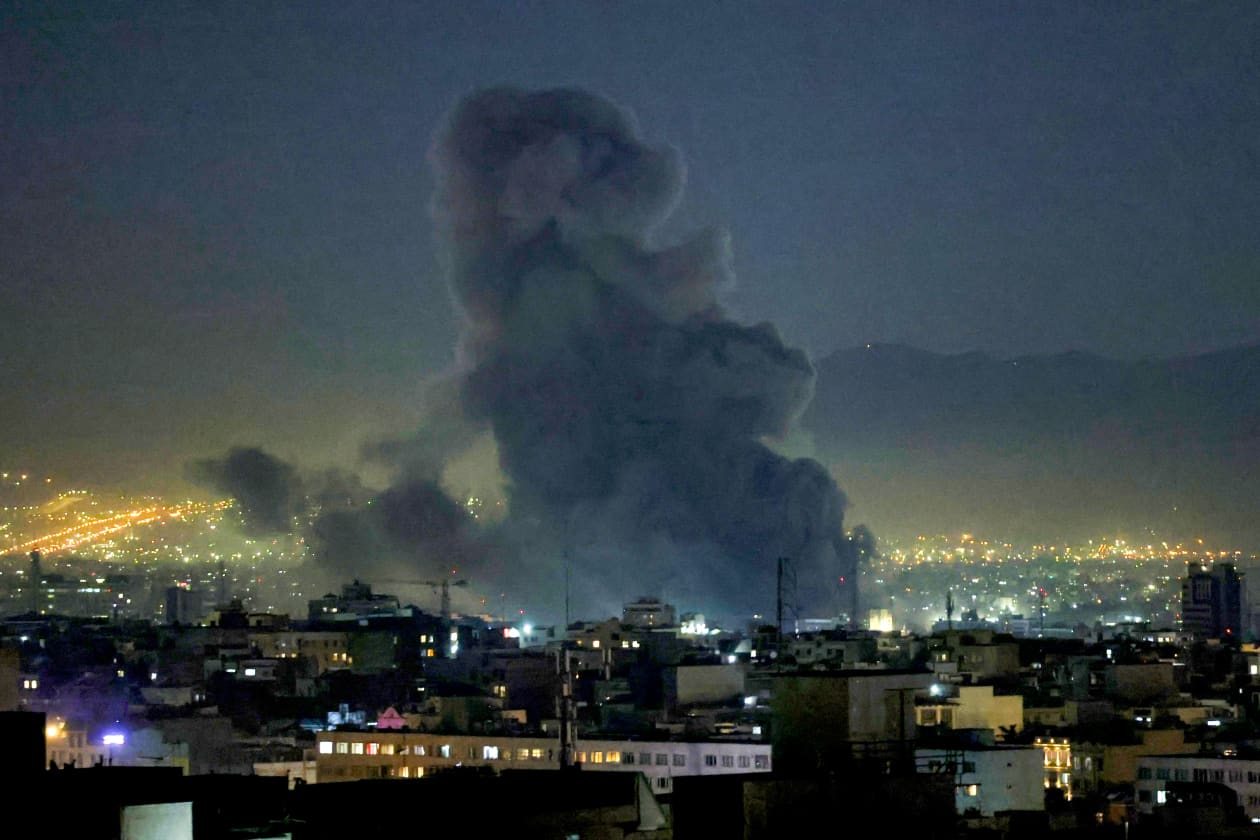
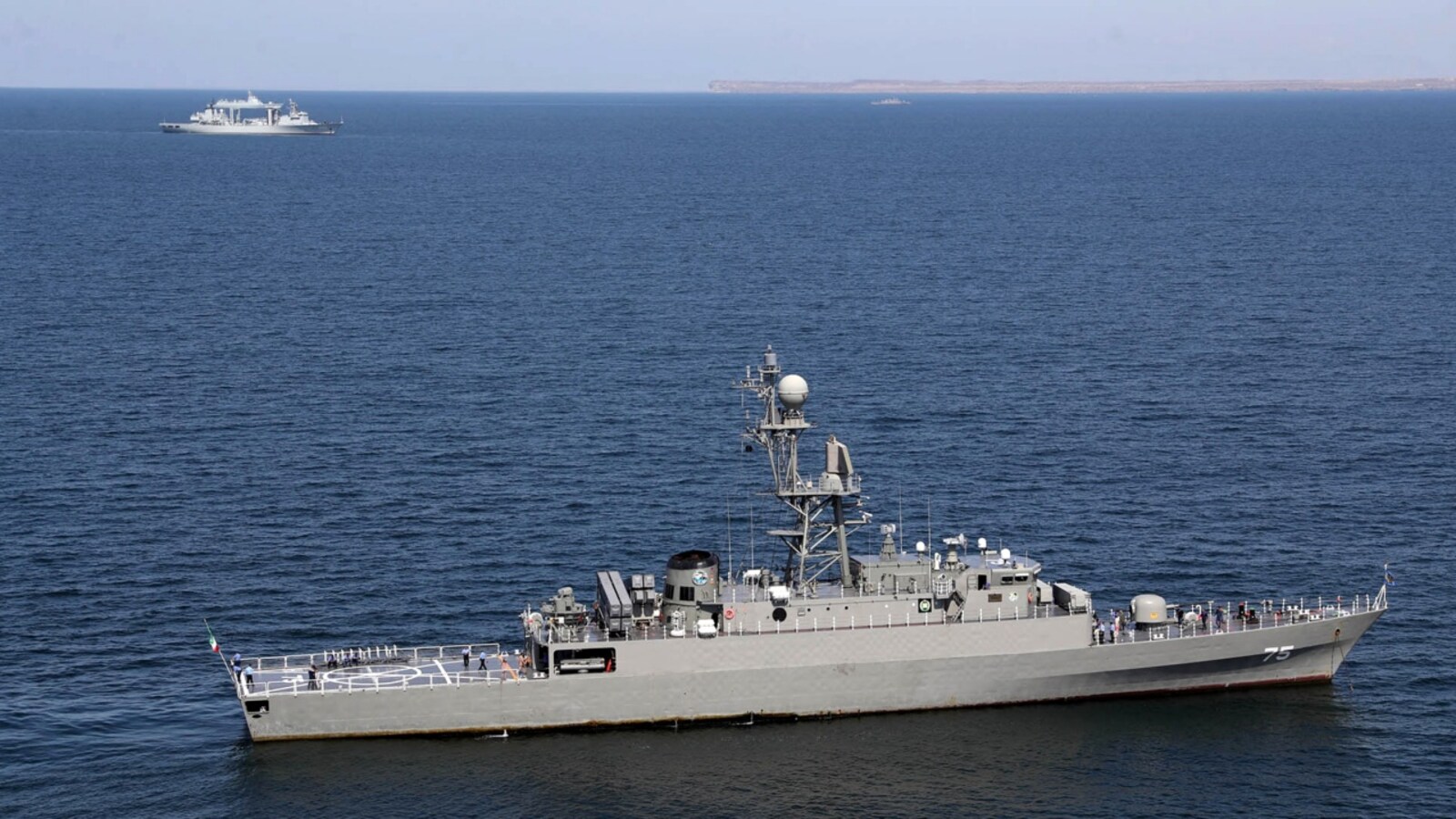
The US-Iran geopolitical crisis unfolding in February-March 2026 creates immediate supply chain and logistics challenges for cross-border e-commerce sellers, particularly those sourcing from or shipping through Asia-Pacific regions. The Strait of Hormuz—through which approximately 30% of global maritime trade flows—faces heightened transit uncertainty as tensions escalate. News reports document the March 11, 2026 Indian market collapse (BSE Sensex down 1.72%, NSE Nifty down 1.63%), reflecting investor concerns about regional stability and maritime logistics disruption. This volatility directly impacts sellers relying on Indian manufacturing bases and Southeast Asian sourcing networks.
Immediate logistics and cost implications are severe for specific seller segments. Sellers shipping electronics, consumer staples, and industrial goods from India, Vietnam, and Thailand to Western markets face 8-15% shipping cost increases as carriers reroute vessels around the Strait of Hormuz, adding 7-14 days to transit times. The news highlights that Larsen & Toubro (L&T)—a major Indian infrastructure and logistics provider—has declined from Rs 4,400 to Rs 3,900, signaling market concerns about Gulf region operations and reconstruction timelines. For Amazon FBA sellers using India-based 3PL providers or direct shipments from Indian manufacturers, this creates immediate fulfillment delays and cost pressures. Sellers with inventory in transit face potential rerouting fees ($500-2,000 per container) and extended storage costs at alternative ports.
Consumer staples and defense-related product categories show divergent opportunities. The news identifies Kroger, Target, and Hormel Foods as defensive stocks during geopolitical crises, indicating consumer demand for essential goods remains stable even during international tensions. This signals that sellers in grocery, household essentials, and food categories can maintain pricing power and demand stability. Conversely, sellers in discretionary categories (electronics, apparel, luxury goods) may experience 15-25% demand compression as consumer spending shifts to essentials. The Indian market weakness (Nifty Midcap 100 down 1.25%, Nifty Smallcap 100 down 0.36%) particularly impacts small-to-medium Indian manufacturers who supply components to cross-border sellers, creating sourcing bottlenecks for 60-90 days until regional stability returns.
Strategic sourcing diversification becomes critical for risk mitigation. Sellers currently dependent on India-Vietnam-Thailand sourcing corridors should immediately evaluate alternative suppliers in Indonesia, Philippines, and South Korea to reduce Strait of Hormuz exposure. The reconstruction opportunity identified in the news—with analysts anticipating Gulf region orders once stability returns—suggests sellers should prepare inventory for post-crisis demand surge in Middle Eastern markets (UAE, Saudi Arabia, Kuwait). This represents a 6-12 month window where sellers can establish market presence before competitors recognize the opportunity.
Questions 8
What is the impact of Indian market volatility on cross-border sellers?
The March 11, 2026 Indian market collapse (BSE Sensex down 1.72%, NSE Nifty down 1.63%) signals investor concerns about supply chain stability and Gulf region operations. Indian manufacturers—who supply 40-50% of components for cross-border sellers—face financing constraints and production delays. Sellers relying on Indian suppliers should expect 60-90 day sourcing delays and 5-10% price increases. Diversify sourcing to Indonesia, Philippines, and South Korea immediately to reduce India-Strait of Hormuz exposure.
How can sellers mitigate Strait of Hormuz shipping risks?
Implement immediate diversification: (1) Shift 20-30% of sourcing from India-Vietnam to Indonesia-Philippines-South Korea by April 2026; (2) Negotiate fixed-rate shipping agreements with 3PL providers before April 15 deadline; (3) Increase safety stock by 30-45 days for critical SKUs; (4) Evaluate air freight for high-margin items despite 3-5x cost premium. Monitor Freightos shipping indices daily and set price alerts at 12% cost increase threshold to trigger inventory rebalancing decisions.