





Adobe CEO Departure Signals AI Monetization Crisis | E-Commerce Seller Impact 2026
- Leadership transition amid 7.58% stock decline; sellers face uncertain pricing, feature roadmap changes for Creative Cloud, Stock, Analytics platforms


)







































Overview
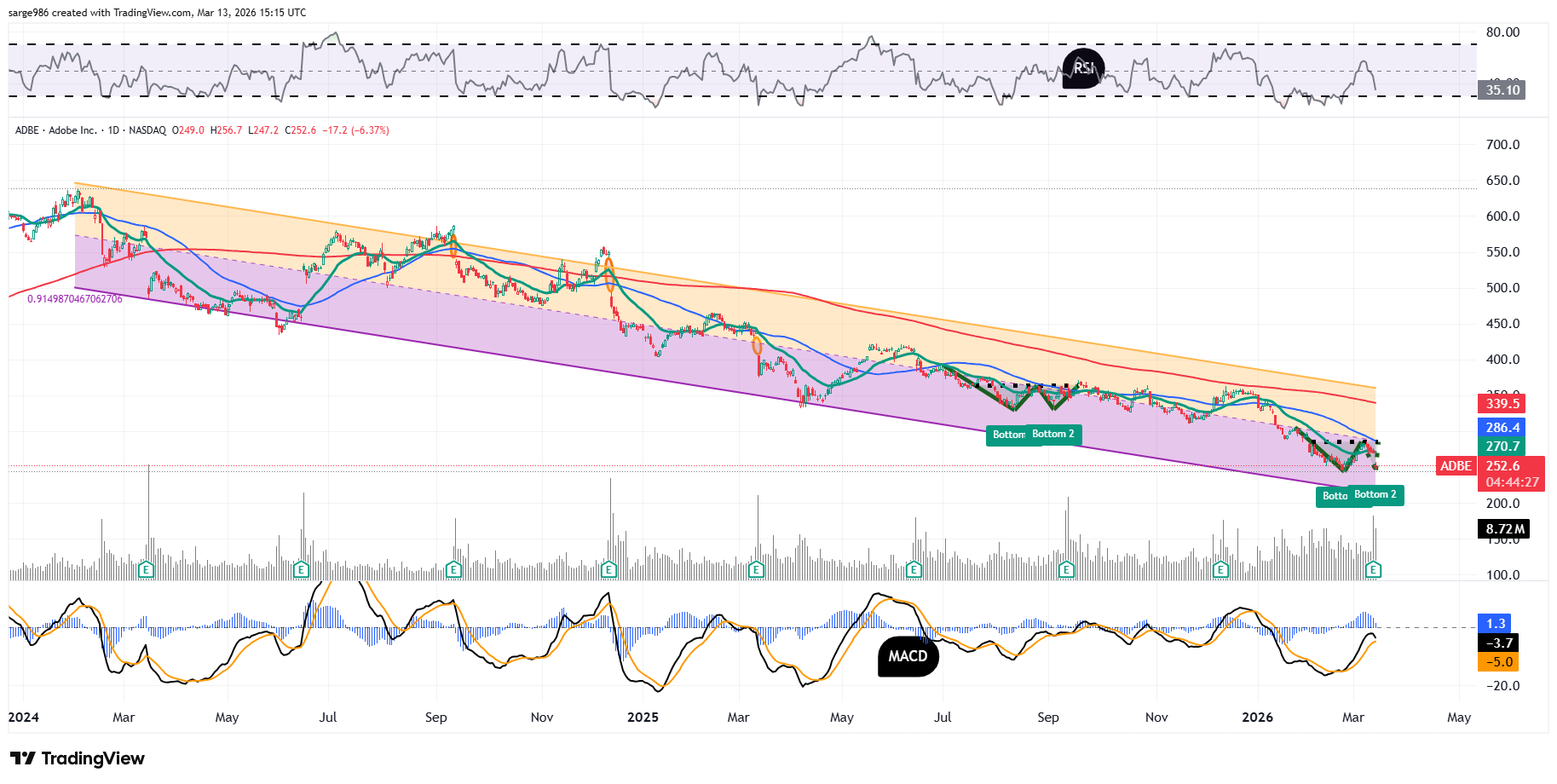
Adobe's CEO Shantanu Narayen announced his departure after 18 years of leadership (March 13, 2026), marking a critical inflection point for the $25 billion software giant. The transition reflects a fundamental market disconnect: despite posting higher quarterly sales, Adobe failed to convince Wall Street of its AI monetization strategy, resulting in a 7.58% stock decline. This leadership change carries direct operational implications for the estimated 2-3 million cross-border e-commerce sellers relying on Adobe's ecosystem—particularly those using Adobe Creative Cloud for product photography and design, Adobe Stock for product imagery, and Adobe Analytics for business intelligence.
The core issue driving Narayen's exit is investor pressure to demonstrate concrete AI revenue streams. Under his 28-year tenure, Adobe transformed from a $2.5 billion company with 3,000 employees to a $25 billion enterprise with 30,000 employees, achieving a 540% stock appreciation. However, the market's evaluation criteria have shifted fundamentally. Traditional revenue growth metrics no longer satisfy investors; companies must now prove AI capabilities translate into measurable business value. Adobe's inability to bridge this gap—posting strong sales while failing to impress on AI monetization—created urgency for leadership change. This pattern reflects broader software industry dynamics where Oracle, Microsoft, and other competitors are aggressively integrating AI, forcing Adobe to compete on AI-readiness rather than legacy product excellence.
For e-commerce sellers, the transition period (estimated 6-12 months until successor identification) creates three operational risks: (1) Feature development uncertainty: Adobe's roadmap clarity for AI-powered tools may suffer during leadership transition, affecting sellers' ability to plan content creation workflows; (2) Pricing strategy volatility: New leadership may accelerate subscription price increases or introduce AI-specific pricing tiers to satisfy investor demands for AI revenue growth, potentially increasing seller costs by 10-25% for premium features; (3) Customer support responsiveness: Organizational focus on leadership search and strategic repositioning typically reduces support quality, affecting sellers' ability to resolve technical issues with Creative Cloud, Stock licensing, or Analytics integration. The news items emphasize that sellers using Adobe's digital asset management, marketing automation, and content creation platforms should expect "continued emphasis on AI-powered features, potential pricing changes, and shifts in product development focus."
The strategic context reveals Adobe faces competitive pressure from Microsoft (Office 365 + Copilot integration) and Oracle (enterprise AI solutions), forcing new leadership to accelerate AI monetization. This competitive dynamic suggests the successor will likely prioritize: (1) AI-powered creative features (generative fill, background removal automation) bundled into higher-tier subscriptions; (2) Enterprise AI analytics capabilities to compete with Microsoft and Oracle; (3) Potential price increases or tier restructuring to capture AI value. For sellers, this means budgeting for potential 15-20% annual subscription cost increases and evaluating alternative tools (Canva for design, Unsplash for stock imagery, Google Analytics for analytics) as contingency options.
Questions 7
What risks do sellers face during Adobe's leadership transition period?
Three primary risks emerge: (1) Feature development delays—roadmap clarity for AI-powered tools may suffer during the 6-12 month transition, affecting content creation workflow planning; (2) Customer support degradation—organizational focus on leadership search typically reduces support responsiveness for Creative Cloud technical issues; (3) Strategic uncertainty—new leadership may discontinue features or platforms that don't align with AI monetization strategy. Sellers relying on Adobe Stock licensing or Analytics integration should maintain backup solutions and document current workflows to minimize disruption.
Should sellers diversify away from Adobe tools given the leadership change?
Partial diversification is prudent but not urgent. Adobe maintains 60%+ market share in creative software and 7.58% stock decline doesn't indicate business viability concerns—rather, investor skepticism about AI strategy. However, sellers should evaluate alternatives for non-critical functions: Canva for basic design (saves $10-15/month), Unsplash/Pexels for stock imagery (free alternative to Adobe Stock), and Google Analytics 4 for basic tracking (free alternative to Adobe Analytics). Maintain Adobe Creative Cloud for professional-grade work but reduce dependency on premium features until new leadership clarifies pricing strategy.