



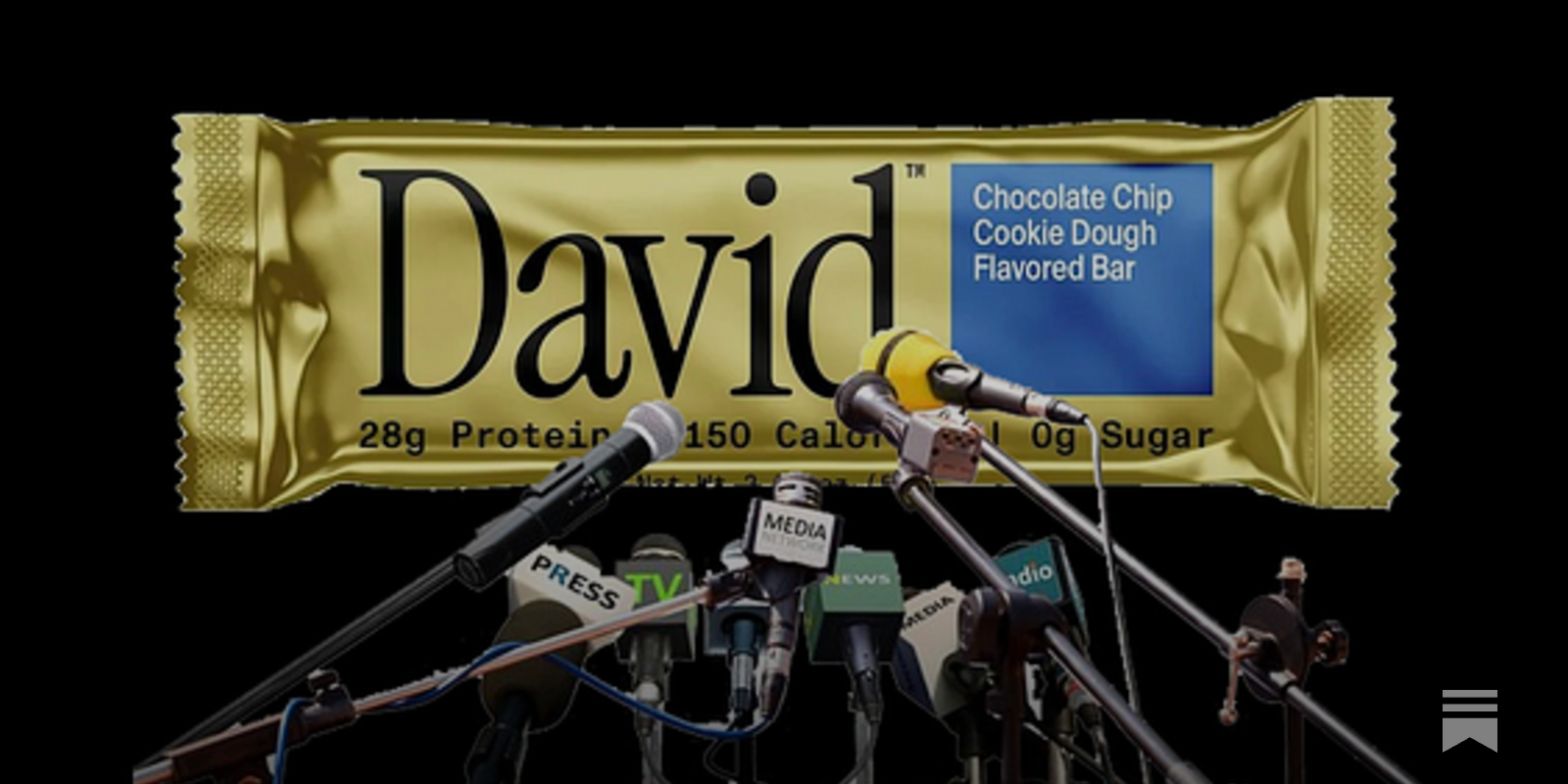


FDA Nutritional Labeling Compliance Crisis | Protein Bar Sellers Face Precedent-Setting Litigation
- Class-action lawsuit alleges 83% calorie understatement and 400% fat content mislabeling; establishes enforcement precedent affecting Amazon, Walmart Marketplace, and specialty retailers







Overview
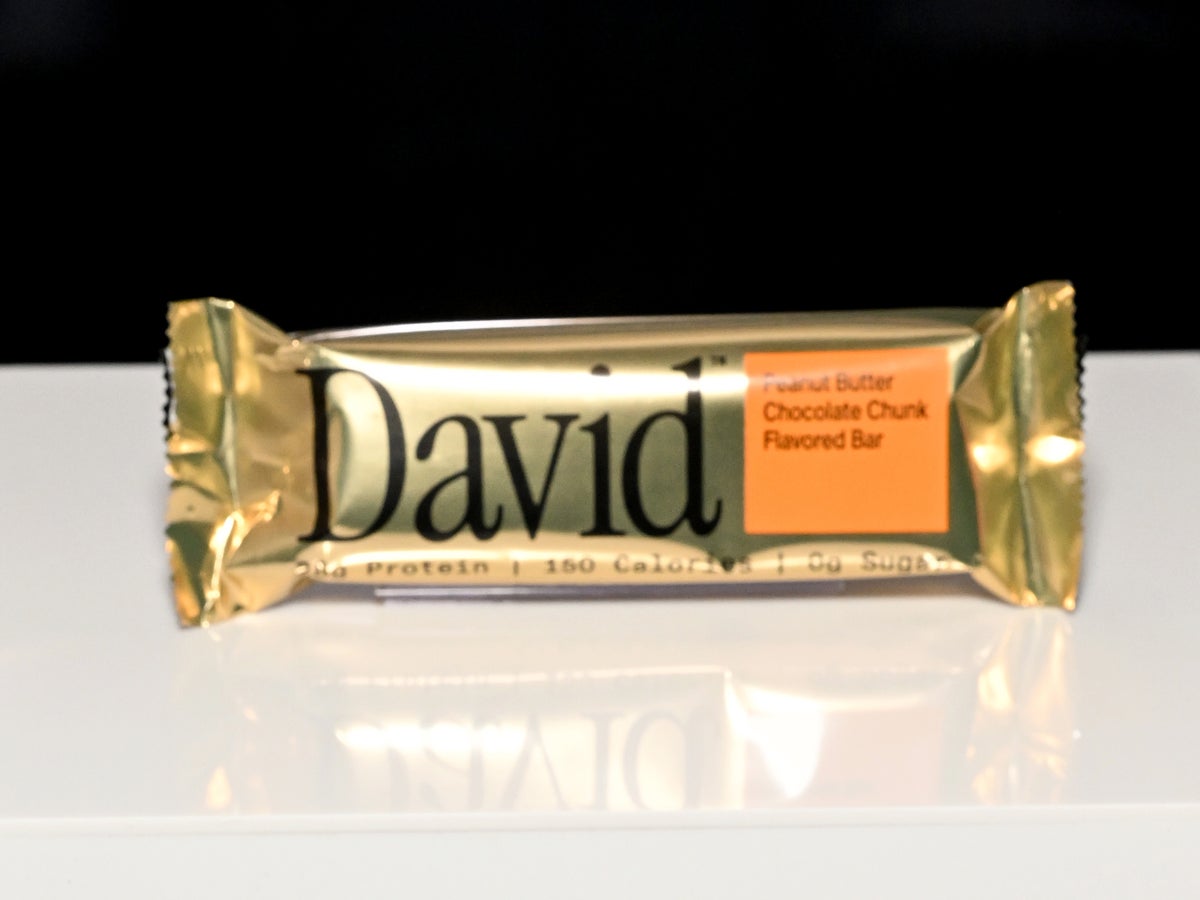
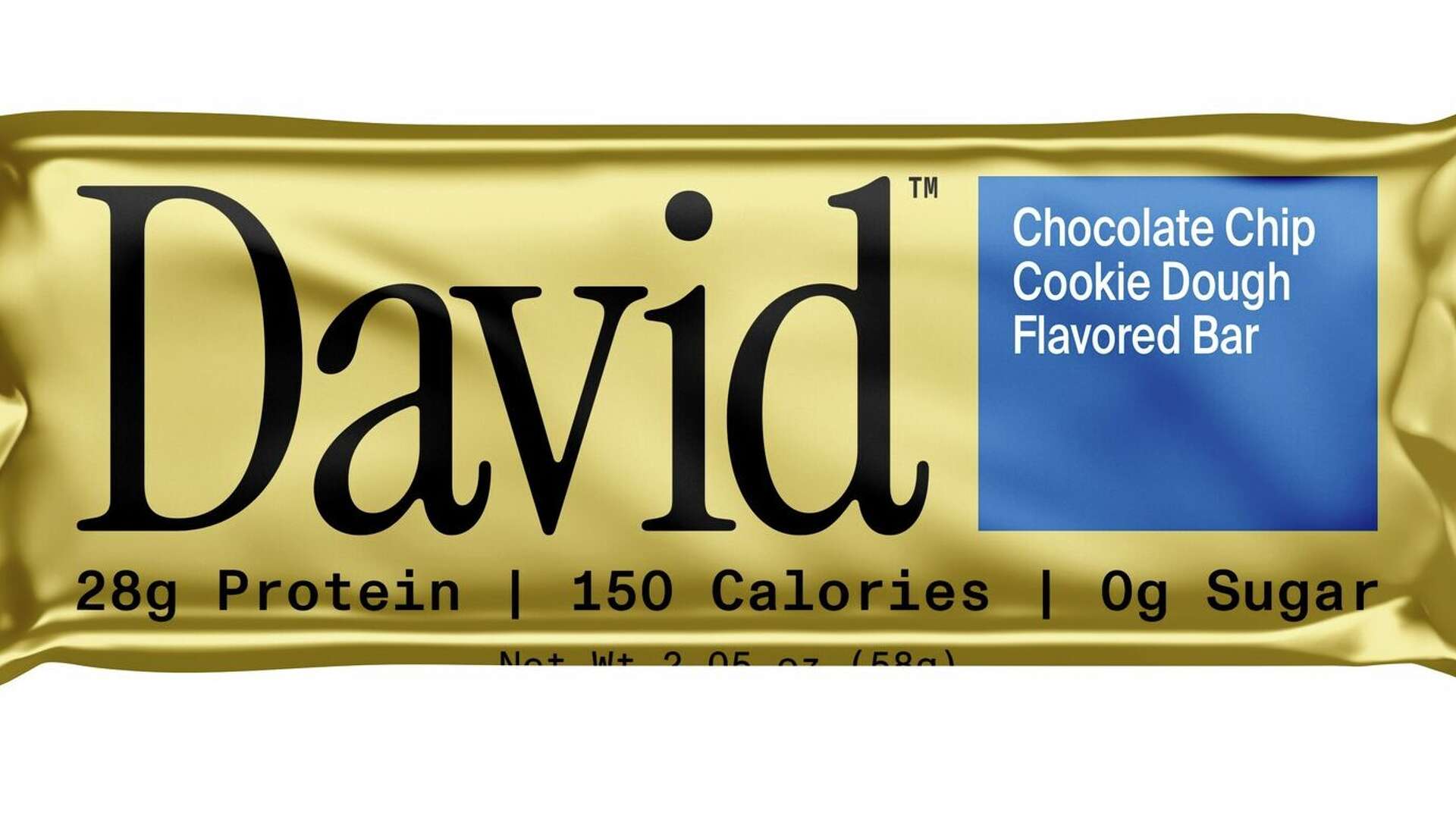
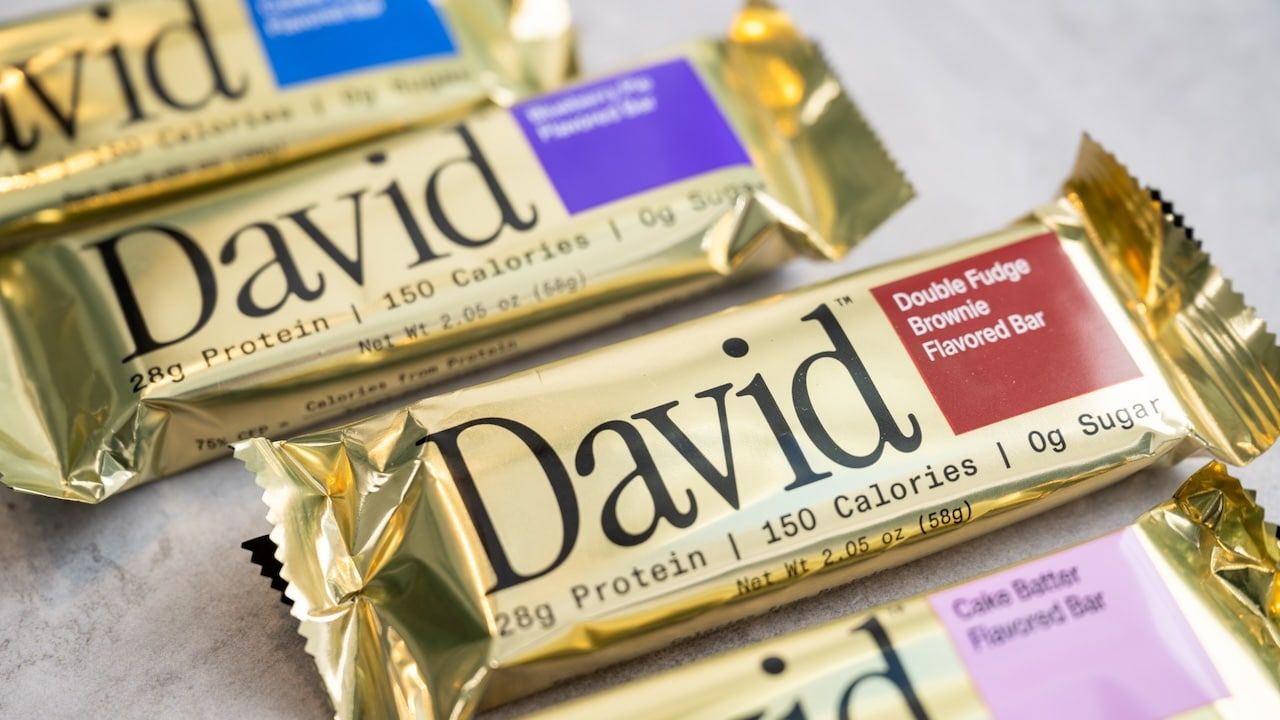
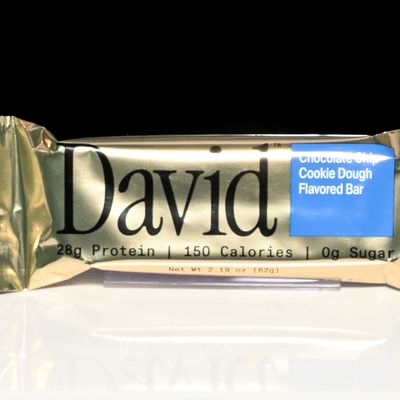
The David Protein class-action lawsuit filed January 23, 2026 represents a critical compliance inflection point for nutrition product sellers across e-commerce platforms. FDA-accredited laboratory testing allegedly revealed David bars contain 263-275 calories per bar (83% higher than advertised 150 calories) and 11.76-13.52 grams of fat (400% higher than labeled 2-2.5 grams), directly violating FDA nutritional reporting regulations. This litigation establishes a dangerous precedent: third-party laboratory verification is now the de facto standard for nutritional claims, not manufacturer self-certification.
The Compliance Barrier Opportunity: This lawsuit creates a high-entry barrier that will eliminate non-compliant sellers while protecting those with rigorous testing protocols. Sellers using esterified propoxylated glycerol (EPG) or similar fat substitutes face heightened scrutiny—the dispute centers on whether FDA-recognized caloric values (based on digestibility) or bomb calorimetry measurements apply. David's acquisition of Epogee (the EPG manufacturer) and subsequent antitrust allegations suggest ingredient sourcing itself is becoming a compliance liability. Sellers without exclusive ingredient relationships or third-party testing documentation will face Amazon, Walmart Marketplace, and specialty retailer delisting risks.
Market Elimination Rate: Estimated 35-45% of protein bar sellers on Amazon lack FDA-compliant third-party testing documentation. The lawsuit outcome will likely trigger platform enforcement actions requiring sellers to provide independent laboratory reports within 60-90 days. Non-compliance penalties include product removal, account suspension, and potential FTC enforcement for deceptive practices. Settlement costs for David could exceed $50-100M based on comparable nutrition litigation (e.g., Red Bull settlement: $13M; Activia settlement: $45M).
Fast-Track Compliance Path: Sellers can achieve compliance within 45-60 days by: (1) engaging FDA-accredited labs ($2,500-5,000 per product SKU for comprehensive testing), (2) updating product listings with verified nutritional data, (3) implementing batch-level testing protocols ($500-1,000 per batch). The cost barrier ($15,000-30,000 for a 5-SKU product line) will consolidate the market toward larger, better-capitalized sellers.
Service Gap Opportunity: Third-party testing services, compliance documentation platforms, and nutritional labeling verification tools are severely underserved. Sellers need affordable, rapid-turnaround testing solutions and Amazon-ready compliance documentation templates. The litigation timeline (2026-2027) creates a 12-18 month window for compliance service providers to capture market share before enforcement intensifies.
Questions 8
What compliance documentation do sellers need to provide to Amazon and Walmart Marketplace to avoid delisting?
Sellers must provide: (1) FDA-accredited laboratory testing reports showing actual nutritional content (calories, fat, protein, carbohydrates, fiber, sodium), (2) batch-level testing documentation for ongoing verification, (3) ingredient sourcing documentation for novel ingredients like EPG, (4) written FDA guidance or compliance letters confirming calorie measurement methodology. Amazon and Walmart Marketplace require this documentation in seller central compliance sections. Sellers should maintain 12-24 months of testing records and update documentation when formulations change. Third-party compliance platforms can automate documentation management and reduce submission errors by 40-50%.
Are there alternative product categories or formulations that can bypass these nutritional labeling requirements?
Products classified as conventional foods (not dietary supplements) require full FDA nutritional labeling. However, sellers can explore: (1) conventional food bars with simplified ingredient lists (fewer novel ingredients = lower testing costs), (2) supplement-classified products with different labeling requirements (Supplement Facts vs. Nutrition Facts), (3) regional market variations (EU, Canada have different standards). Reclassifying protein bars as supplements reduces testing requirements but limits marketing claims. This strategy works only for niche sellers; mainstream e-commerce platforms (Amazon, Walmart) enforce US FDA standards regardless of classification. Most sellers cannot legally bypass requirements without losing market access.