


Iran-Gulf Oil Crisis Drives 60% Shipping Cost Surge | Asia-Pacific Sellers Face Critical Margin Compression
- Jet fuel prices spike 60% in one week; Vietnam diesel up 60%; Southeast Asian sellers face 8-15% fulfillment cost increases; China-based sellers gain competitive advantage through strategic reserves

















.jpg)




Overview
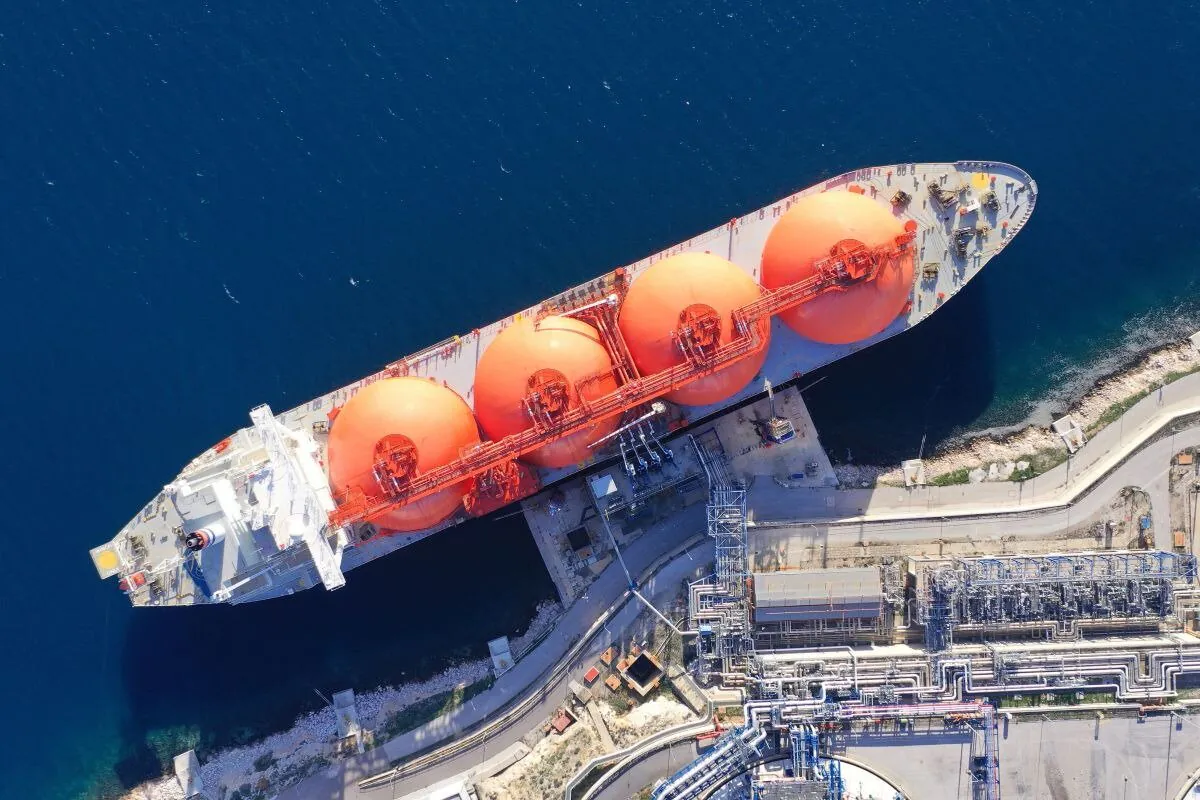
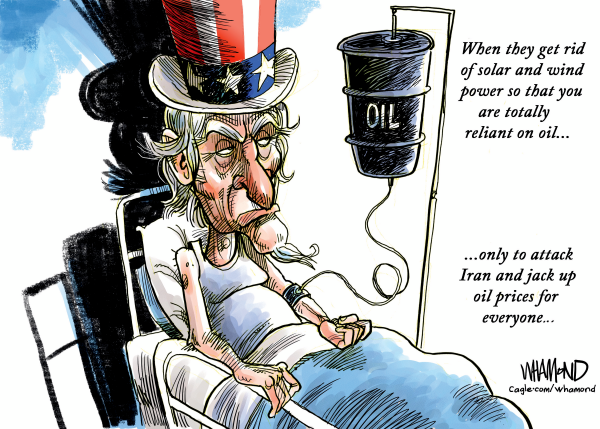
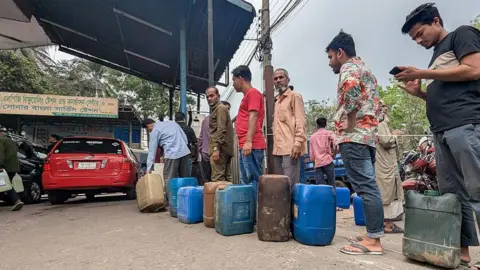
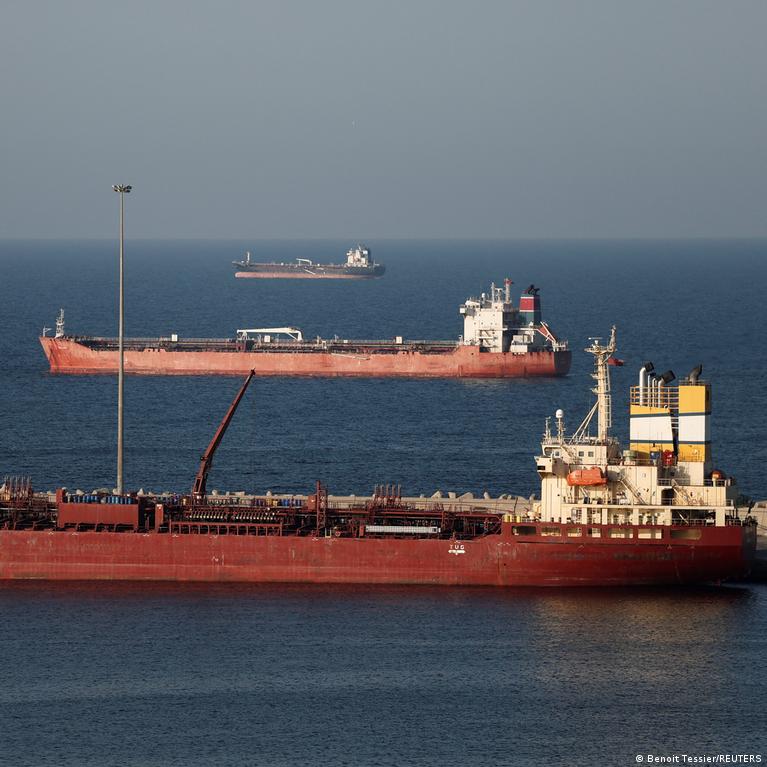
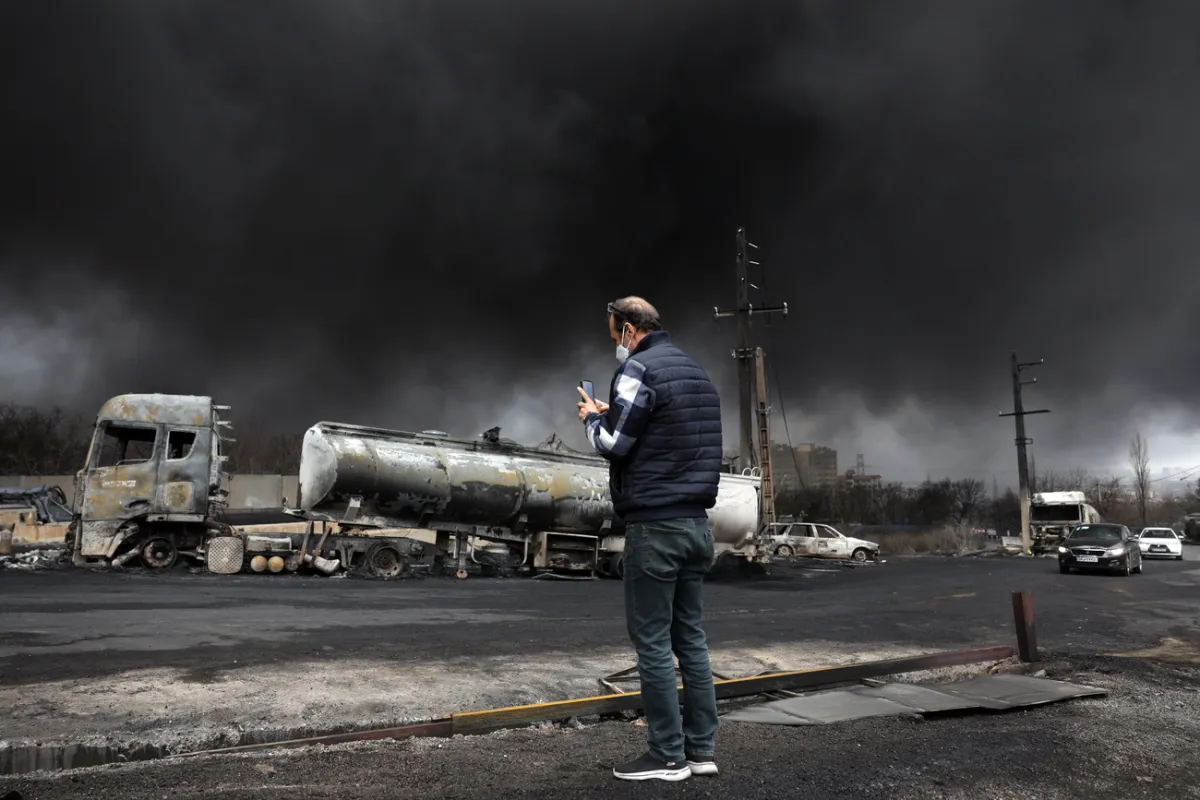
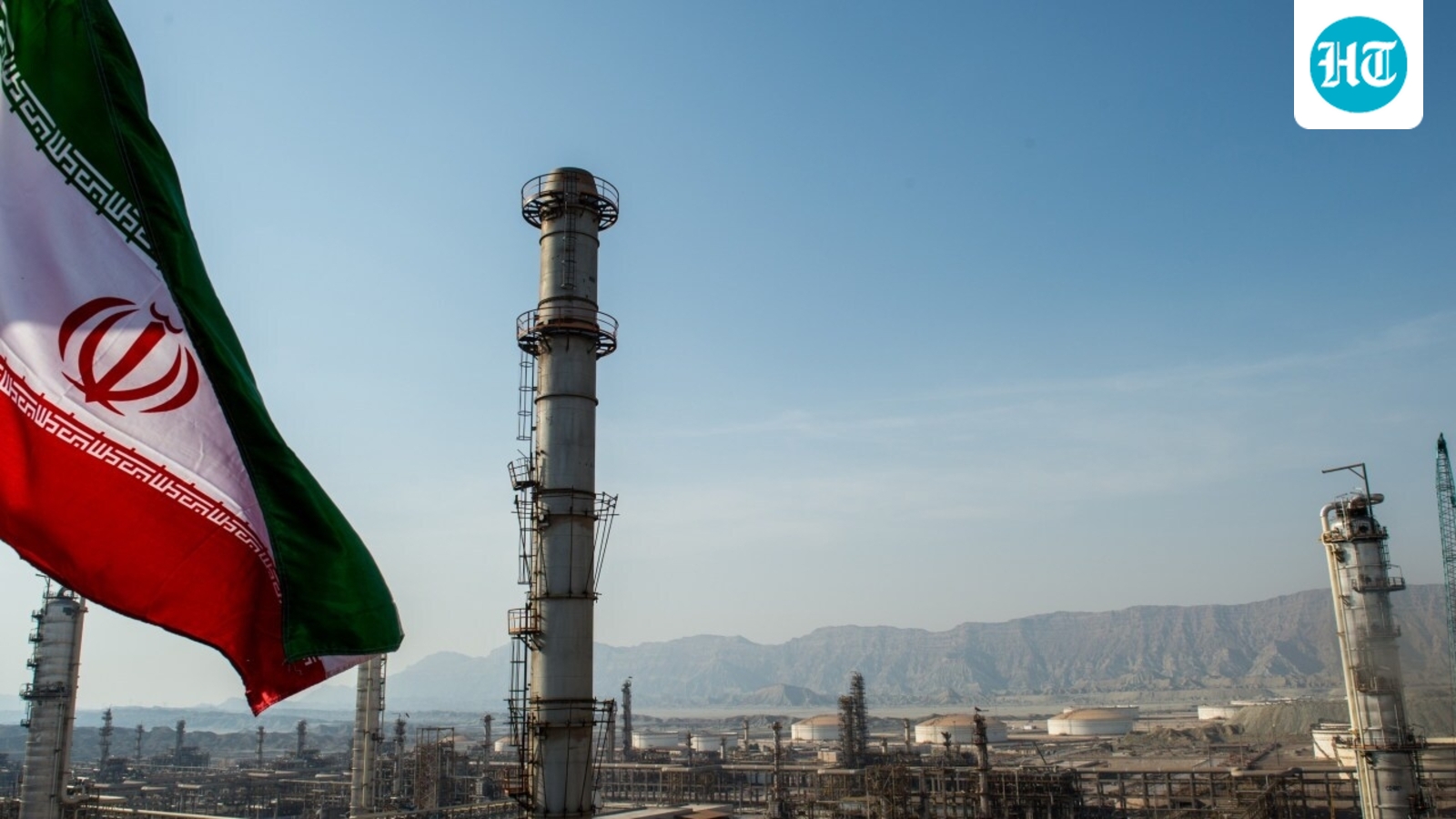
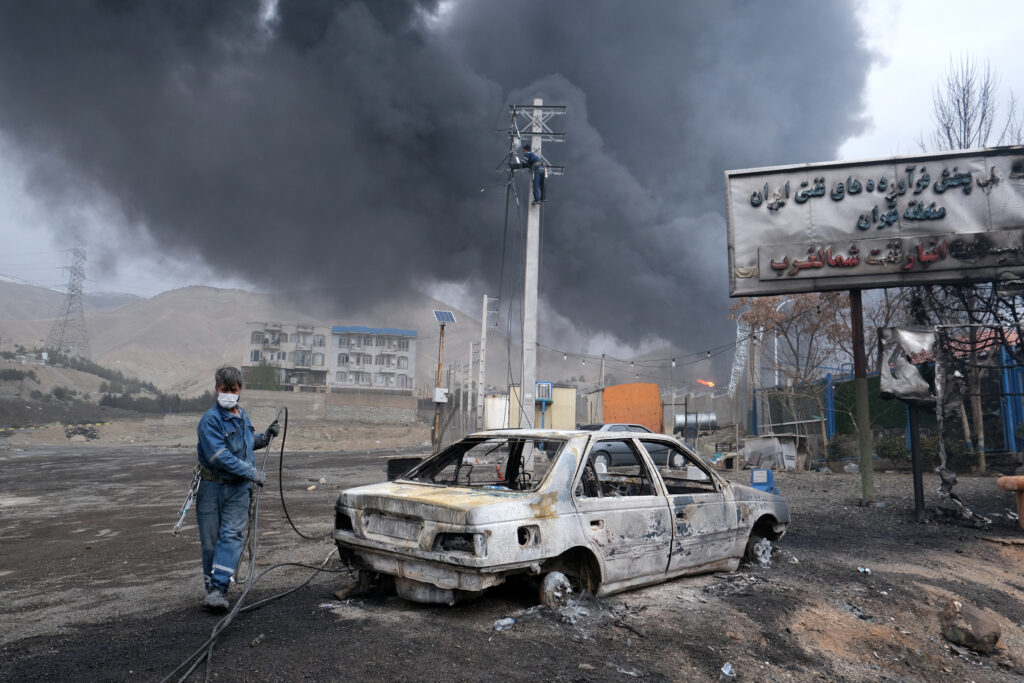
The US-Israel conflict with Iran has created an unprecedented energy supply shock affecting cross-border e-commerce operations across Asia-Pacific, with direct implications for seller profitability and sourcing strategies. Oil prices have surged to over $100 per barrel following airstrikes on shipping infrastructure and effective closure of the Strait of Hormuz—which carries 20% of global oil supplies with 90% destined for Asia. For e-commerce sellers, this translates to immediate transportation cost escalation: jet fuel prices surged nearly 60% in a single week, directly impacting air shipping costs for time-sensitive categories like electronics, fashion, and perishables. Vietnam experienced 60% diesel price increases triggering panic-buying at petrol stations, while Bangladesh implemented fuel rationing measures. These cost pressures cascade through the entire supply chain.
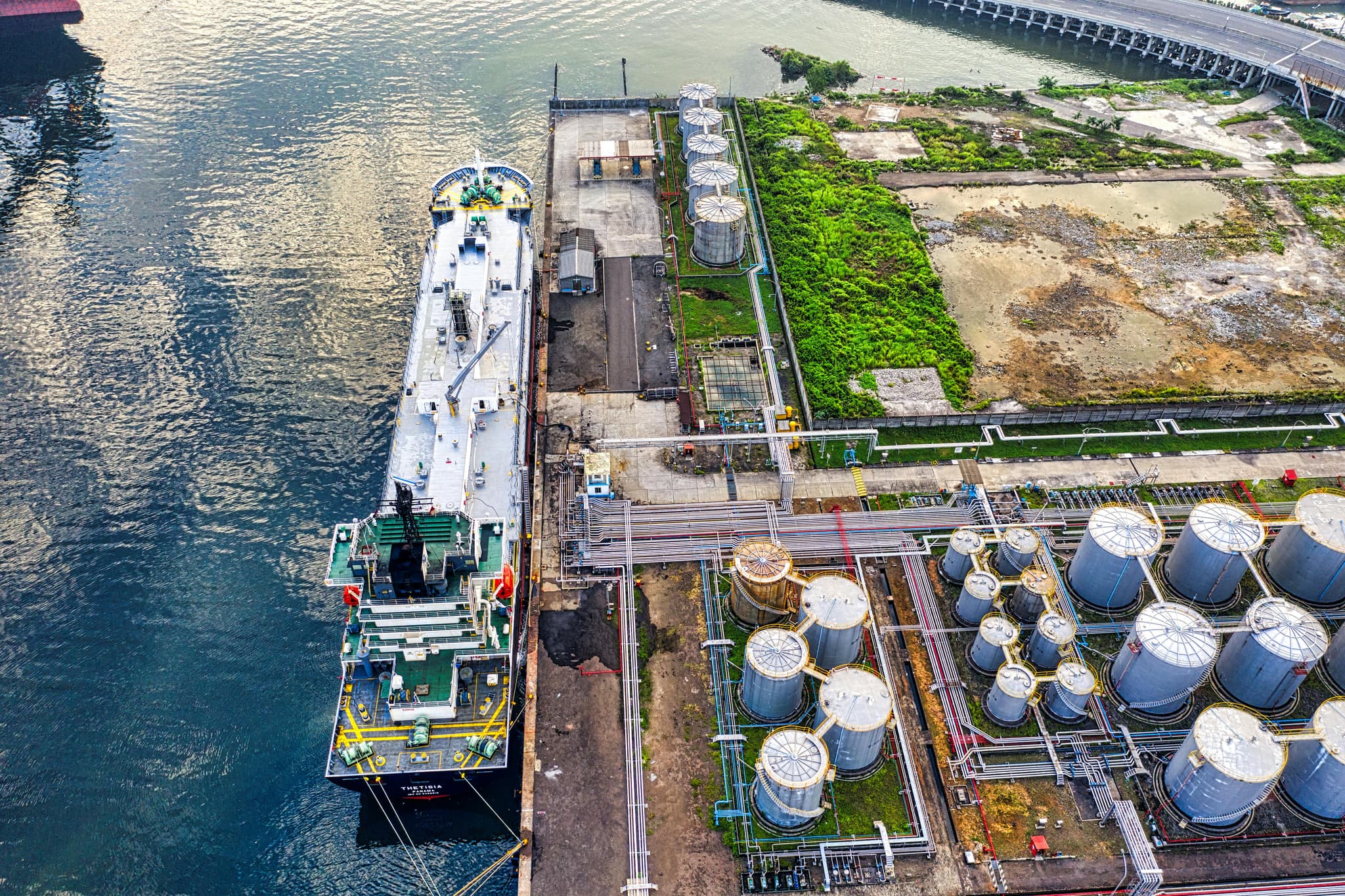
Southeast Asian sellers face acute margin compression across multiple fulfillment channels. The Philippines sources 95% of crude oil from the Middle East, while Malaysia and Indonesia have shifted from oil producers to importers over the past decade. According to CSIS analysis, Southeast Asian refineries are specifically configured to process "heavy sour" or "medium sour" crude from the Middle East—switching to alternative suppliers like the US requires significant refinery infrastructure investment, creating operational constraints that will persist for 12-24 months. For sellers using 3PL providers in Singapore (which imports 90% of food supplies) and Indonesia (entirely dependent on imported wheat), transportation costs for inbound goods and outbound fulfillment are increasing 8-15% depending on product category and shipping method. Government interventions—South Korea capping fuel prices, Japan subsidizing oil wholesalers, France's TotalEnergies capping petrol through month-end—provide temporary relief but signal sustained energy cost pressures.
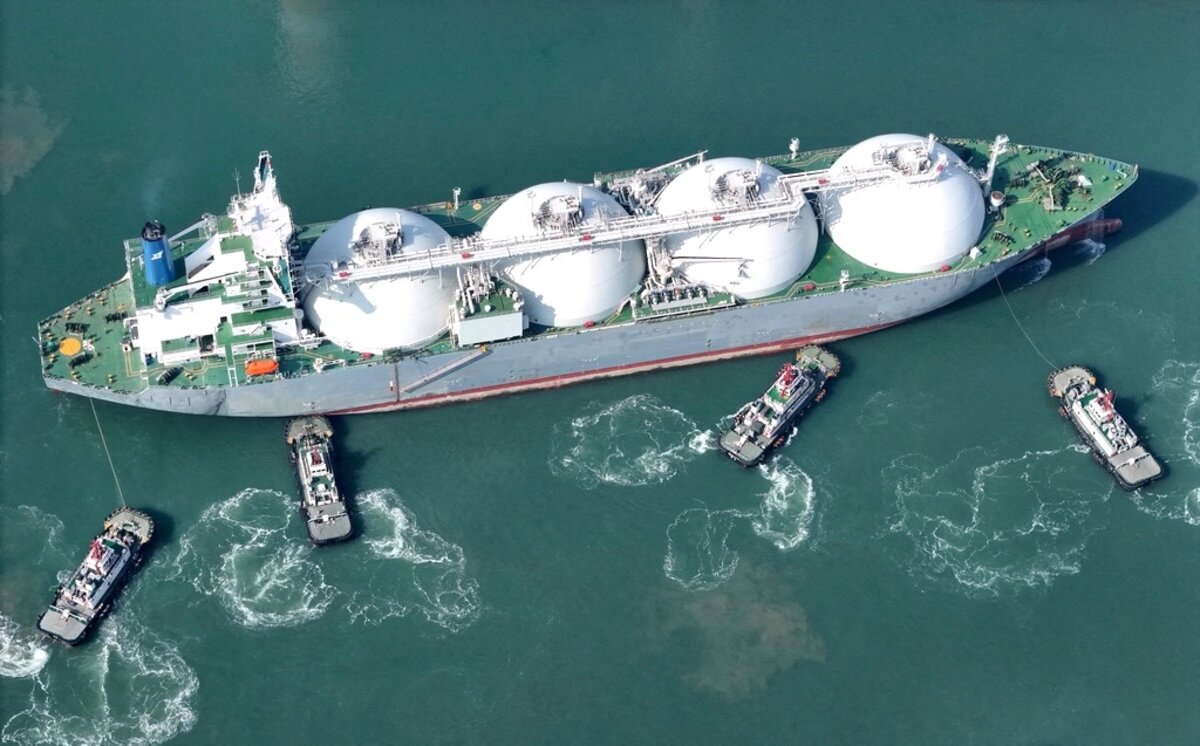
China-based sellers and manufacturers gain significant competitive advantage during this crisis window. China's substantial strategic oil reserves and unofficial Iranian oil purchases position the country to weather energy cost inflation better than Southeast Asian competitors. Additionally, one-third of new Chinese vehicles are electric, reducing petroleum dependency for logistics operations. This creates a 6-12 month window where Chinese sellers can undercut Southeast Asian competitors on shipping costs, particularly for categories shipped via ground/rail logistics. However, both China and India have increased Middle Eastern energy reliance after reducing Russian oil imports following Ukraine's 2022 invasion, meaning this advantage is temporary. Global LNG prices face upward pressure as Asian customers redirect demand, though European sellers face limited exposure due to Norwegian and US LNG sourcing. The strategic opportunity window for sellers is immediate: those who lock in shipping rates now, diversify sourcing away from Southeast Asia, or shift inventory positioning to China-based fulfillment centers can capture 3-6 months of margin advantage before market equilibrium adjusts.
Questions 8
What immediate actions should I take in the next 30 days?
Execute four critical actions: (1) Lock in shipping rates with 3PL providers before further escalation—rates are adjusting weekly; (2) Audit your inventory positioning and consider shifting 20-30% to China-based fulfillment; (3) Update pricing to reflect 8-15% cost increases, particularly for air-shipped categories; (4) Diversify sourcing away from Southeast Asia where possible, or negotiate long-term supply contracts with fuel surcharge caps. Contact your logistics providers immediately—South Korea, Japan, and France have implemented price caps that may limit rate increases, creating a narrow window for favorable negotiations. Delay beyond 30 days risks locking in higher rates as competitors secure capacity.
How long will these shipping cost increases last?
Expect sustained pressure for 12-24 months minimum. Southeast Asian refineries are specifically configured to process Middle Eastern 'heavy sour' crude—switching to alternative suppliers like the US requires significant refinery infrastructure investment. Government interventions (South Korea fuel price caps, Japan oil subsidies) provide temporary relief but signal long-term energy cost pressures. Global LNG prices face upward pressure as Asian customers redirect demand. Plan pricing and margin strategies assuming 12+ months of elevated costs, with potential relief only after refinery infrastructure upgrades complete.