




CFTC Unleashes Digital Assets Revolution in Derivatives Markets
- Regulatory breakthrough transforms tokenized collateral landscape for financial institutions





























Overview
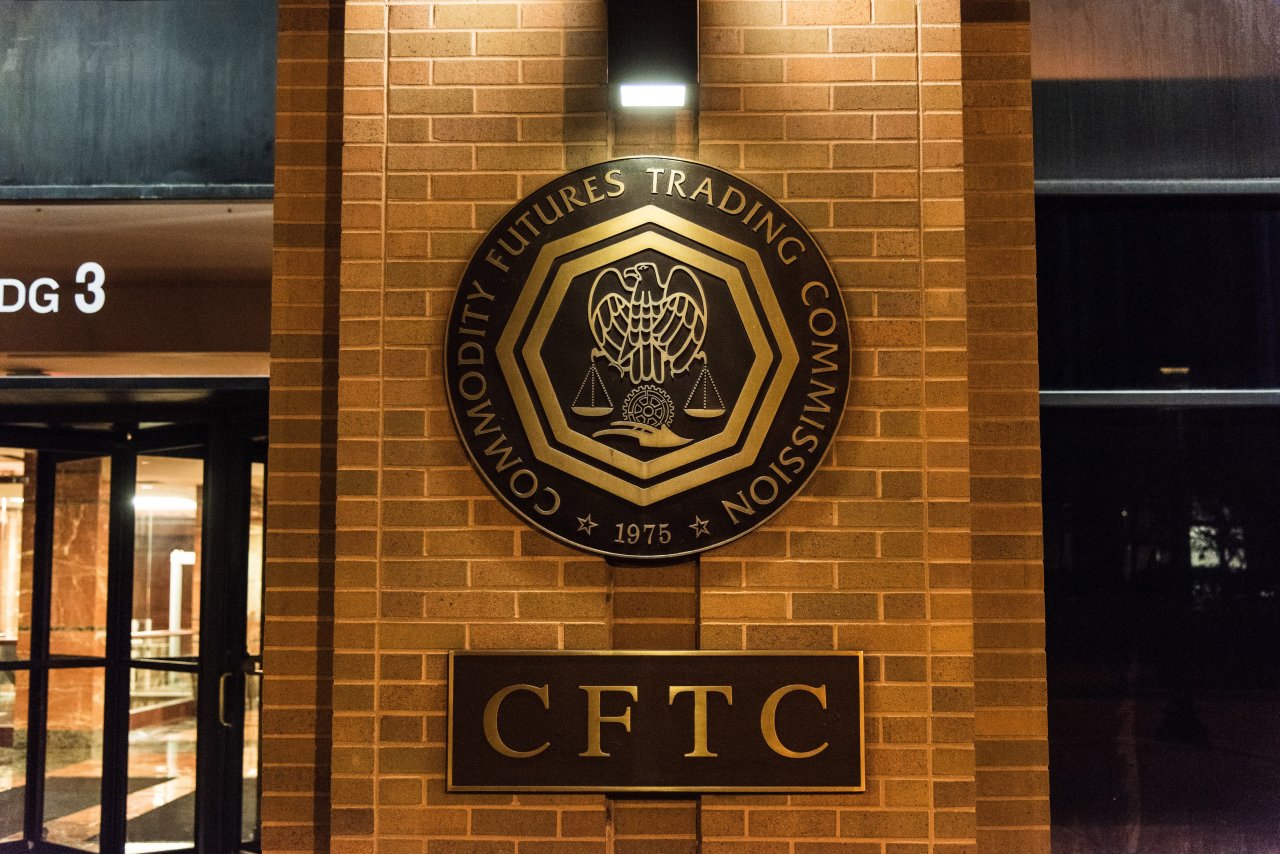
The Commodity Futures Trading Commission (CFTC) has initiated a groundbreaking transformation in financial technology by launching a pioneering digital assets pilot program that fundamentally reimagines derivatives market infrastructure. This strategic move represents more than a regulatory adjustment—it's a calculated positioning of the United States at the forefront of crypto innovation and financial technology integration.
Tokenized collateral is no longer a theoretical concept but a practical reality. The CFTC's three-month pilot program allows Futures Commission Merchants (FCMs) to accept Bitcoin, Ethereum, and USDC as margin collateral, with mandatory weekly reporting creating a transparent, monitored environment. This approach demonstrates a sophisticated regulatory strategy: enabling innovation while maintaining rigorous oversight.
The initiative's significance extends far beyond cryptocurrency. By emphasizing technology-neutral regulations, the CFTC is creating a flexible framework that can accommodate emerging digital assets, including tokenized U.S. Treasury securities and money market funds. Key industry stakeholders like Coinbase and Circle have enthusiastically endorsed the program, recognizing its potential to dramatically reduce settlement friction and enable 24/7 risk management.
Strategically, this pilot program represents a critical inflection point. The United States is positioning itself as a global leader in responsible financial innovation, offering a regulated alternative to offshore platforms. For financial institutions, this means a clear pathway to integrating digital assets into traditional derivatives trading infrastructure, with robust regulatory guardrails.
The broader implication is transformative: traditional financial boundaries are dissolving, replaced by a more dynamic, technology-enabled ecosystem that prioritizes efficiency, transparency, and continuous innovation.
Questions 4
How does this program position the United States in the global financial technology landscape?
By creating a technology-neutral, flexible regulatory framework, the CFTC is positioning the United States as a leader in responsible financial innovation, offering a regulated alternative to offshore platforms.
What are the potential risks and benefits of this regulatory approach?
Benefits include reduced settlement friction, 24/7 risk management, and a clear regulatory framework for digital assets. Potential risks involve market volatility and the need for continuous regulatory adaptation as the digital asset landscape evolves.