




China's $1 Trillion Trade Surplus: A Strategic Masterclass in Global Economic Resilience
- Navigating Geopolitical Tensions Through Adaptive Export Strategies and Technological Innovation




Overview
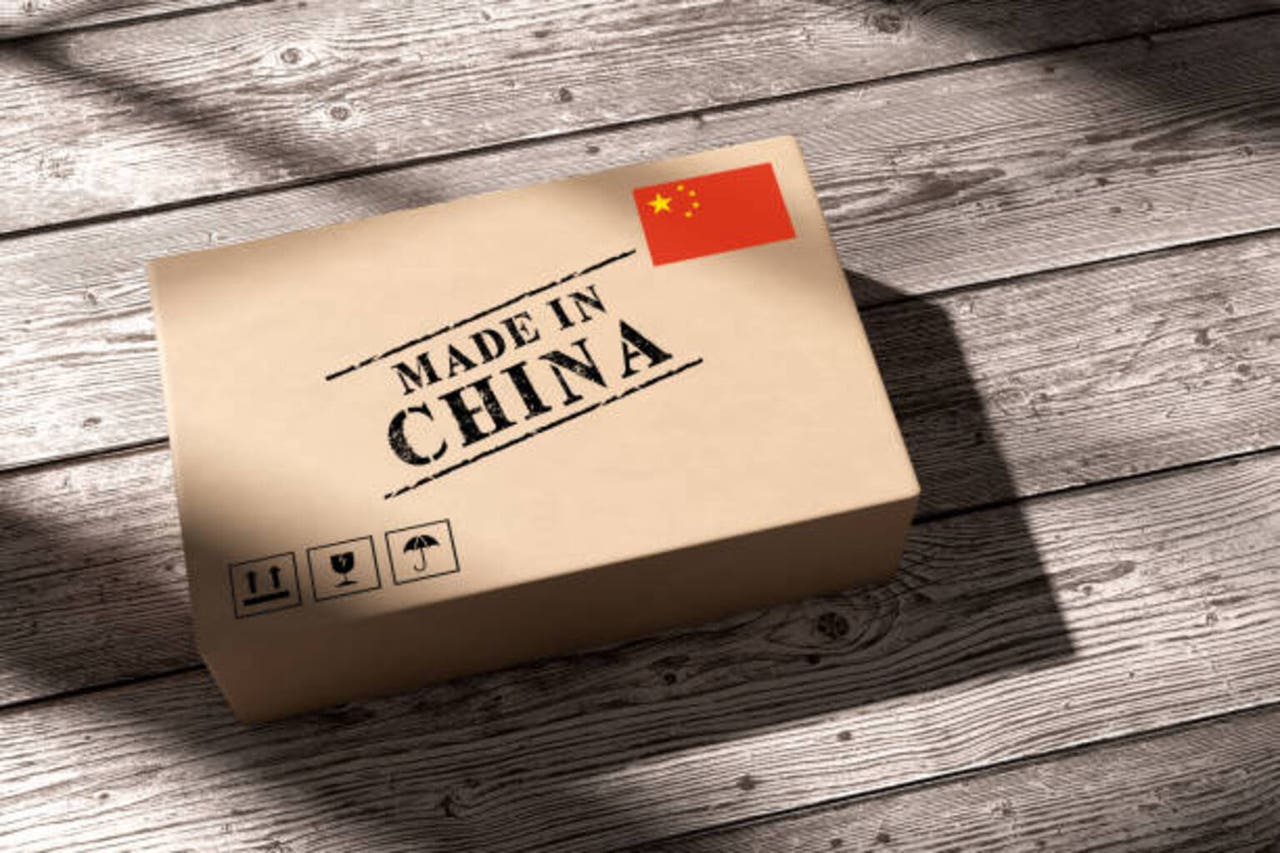
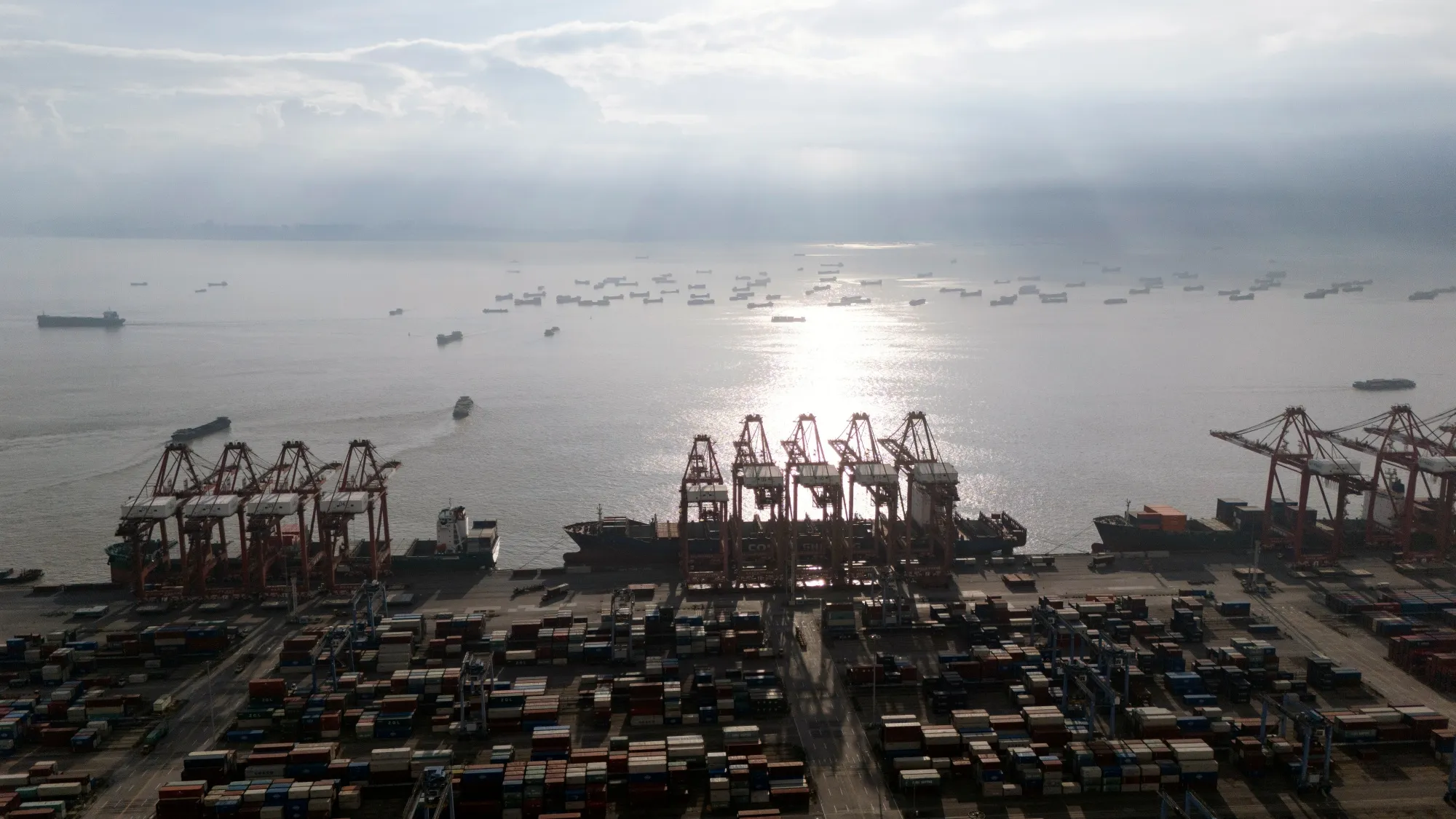
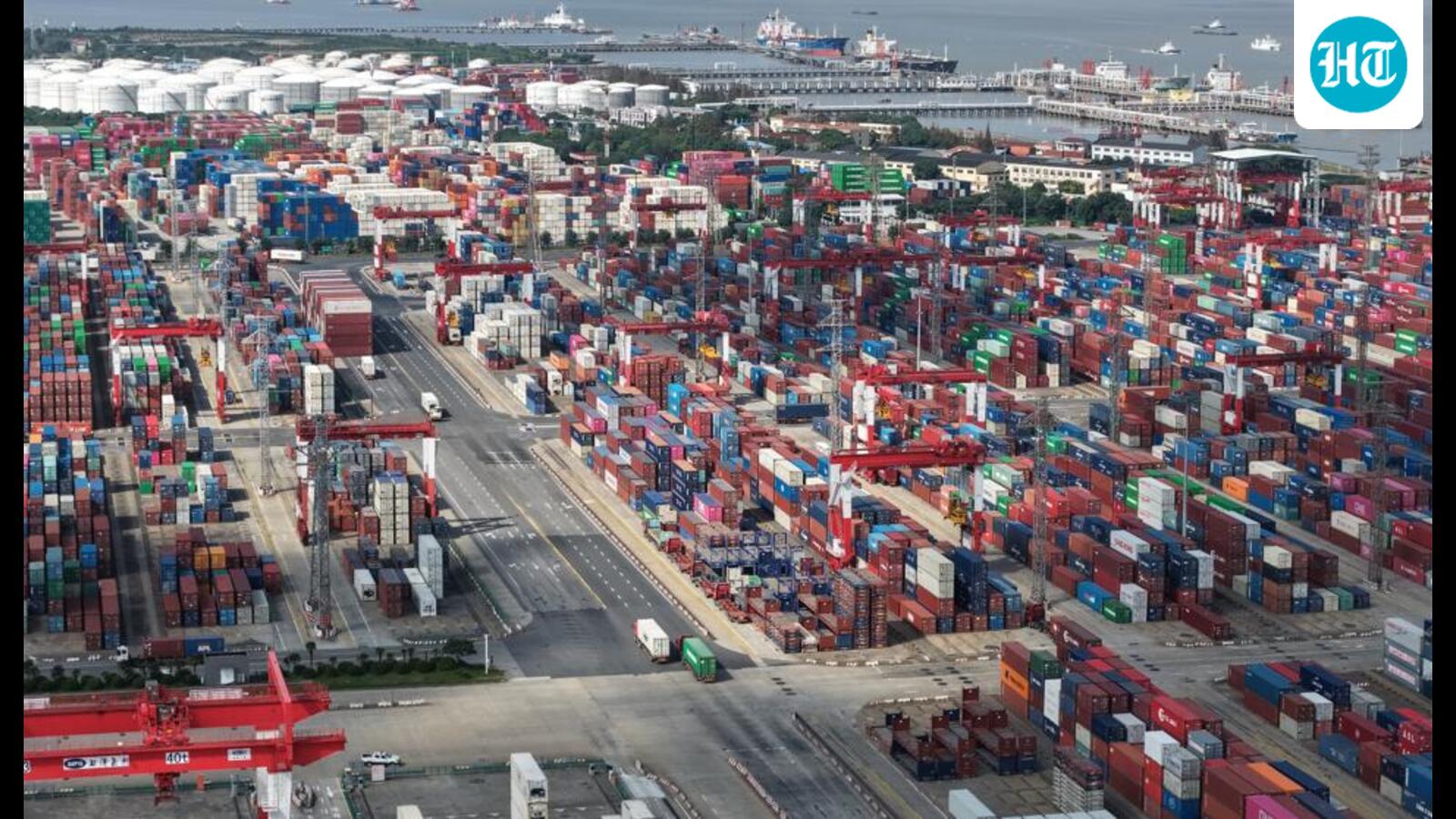
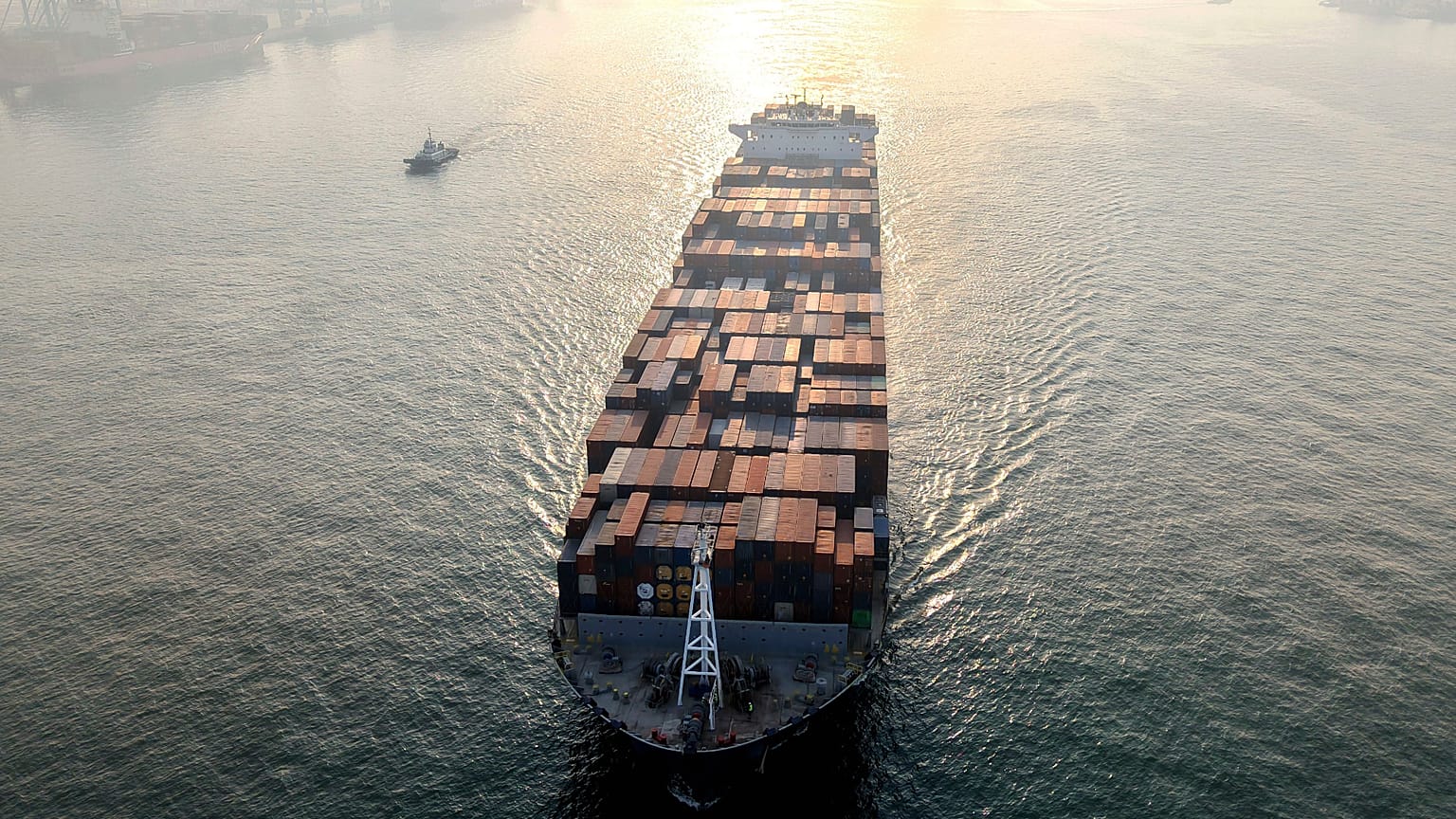
In a remarkable demonstration of economic agility, China has transformed trade challenges into a $1 trillion surplus, revealing a sophisticated strategy of resilience and strategic repositioning. The trade surplus is not merely a statistical milestone, but a complex narrative of geopolitical navigation and industrial transformation.
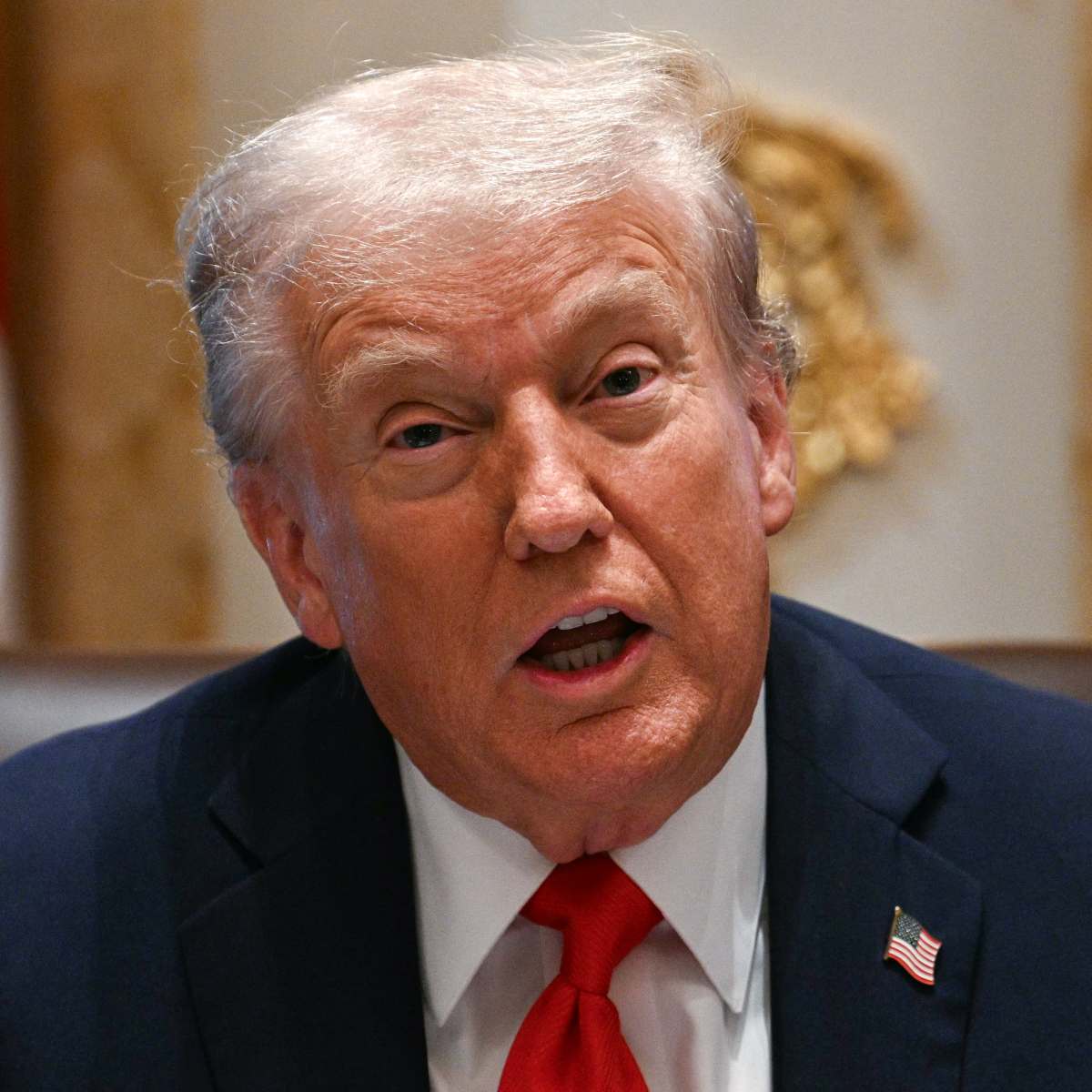
At the core of this achievement lies China's remarkable ability to pivot swiftly in response to US trade tensions. Despite a 29% plunge in exports to the United States, Chinese manufacturers have executed a brilliant tactical redirection. By strategically rerouting exports through Southeast Asian countries like Vietnam and Indonesia, they've effectively circumvented punitive tariffs while maintaining global market penetration.
The surplus emerges from a multi-dimensional approach combining technological innovation and strategic economic planning. High-tech exports have been the primary engine, with Chinese auto exports surging over 6.5 million units and semiconductor exports increasing by 24.7%. This isn't just about volume, but about climbing the global value chain—challenging established competitors from Japan and Germany by focusing on advanced manufacturing categories.
China's currency management strategy further amplifies this competitive edge. By maintaining a strategically weakened renminbi, the country makes its exports cheaper while simultaneously making imports more expensive. This nuanced monetary approach, combined with decades of industrial policy, has transformed China from a low-income agrarian economy to a global manufacturing powerhouse.
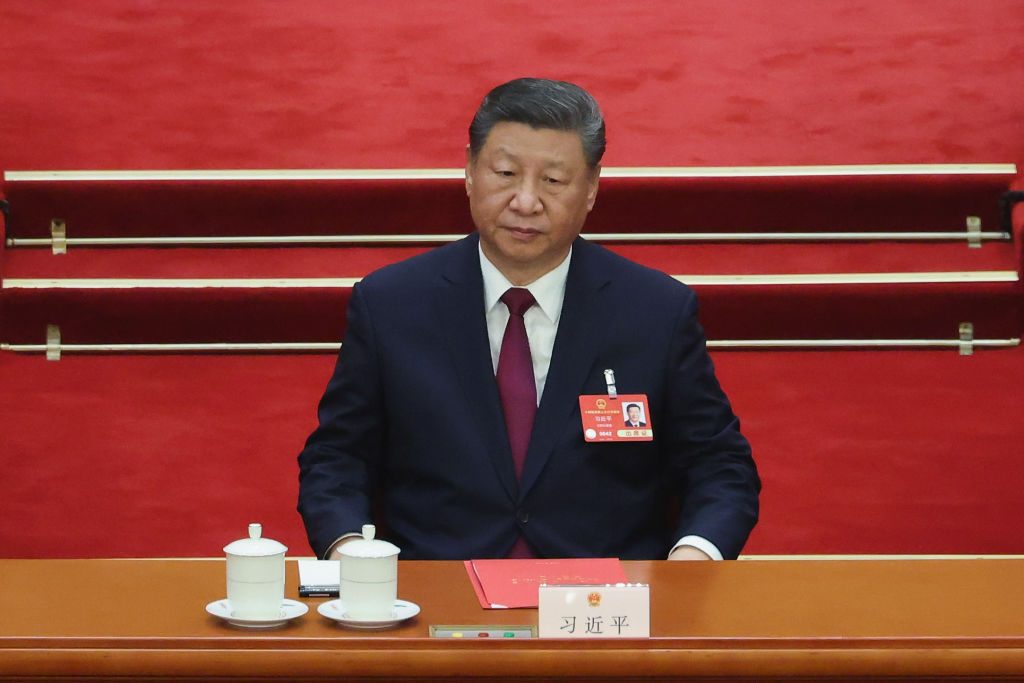
The international response reveals the potency of China's strategy. While the EU considers stronger measures and French President Macron warns of potential tariffs, China continues to demonstrate remarkable economic adaptability. The Central Economic Work Conference underscores this approach, emphasizing technological advancement, consumer spending strategies, and a projected 5% growth target.
For global businesses and policymakers, this surplus represents more than an economic statistic—it's a blueprint for navigating complex international trade landscapes through innovation, strategic flexibility, and long-term vision.
Questions 4
What are the key technological sectors driving China's trade surplus?
Electric vehicles, semiconductors, and advanced manufacturing are the primary drivers. Chinese auto exports surged over 6.5 million units, semiconductor exports increased by 24.7%, and shipbuilding exports rose 26.8%, demonstrating strategic focus on high-value technological categories.
What role does currency strategy play in China's export success?
By maintaining a weak renminbi, China makes its exports cheaper and imports more expensive. This managed currency approach provides a significant competitive advantage, effectively subsidizing exports and making Chinese goods more attractive in the global marketplace.