




Ukrainian Drone Defense Exports Surge | $Billions Market Opens for Tech Sellers
- 11 countries seeking counter-drone tech; Saudi Aramco in advanced talks with 3 Ukrainian firms; $1B+ defense conglomerate Uforce reports dramatically increased inquiries










Overview
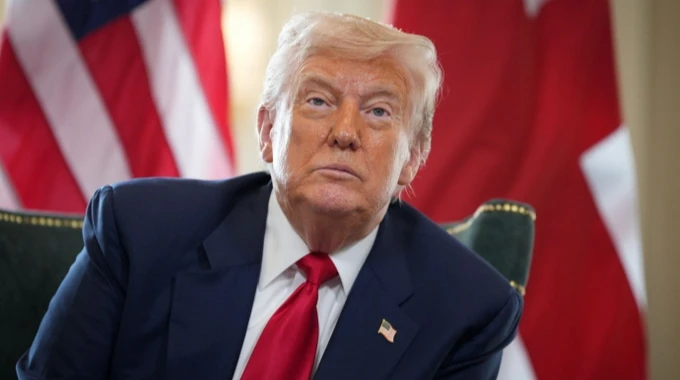
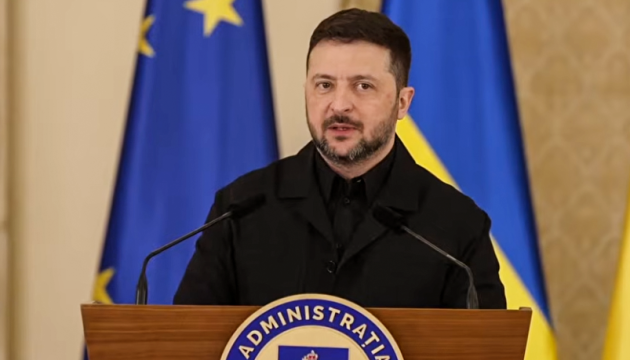
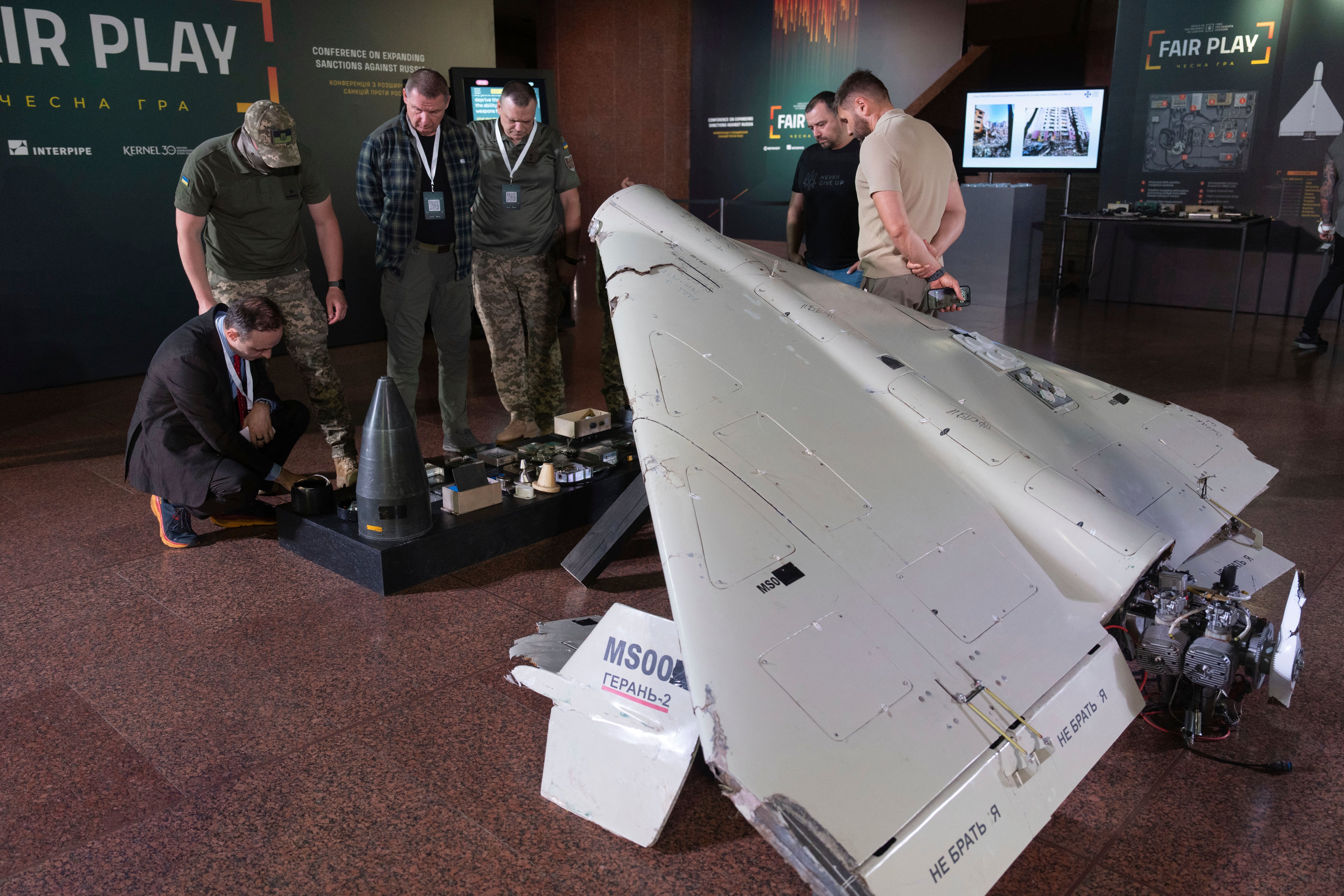
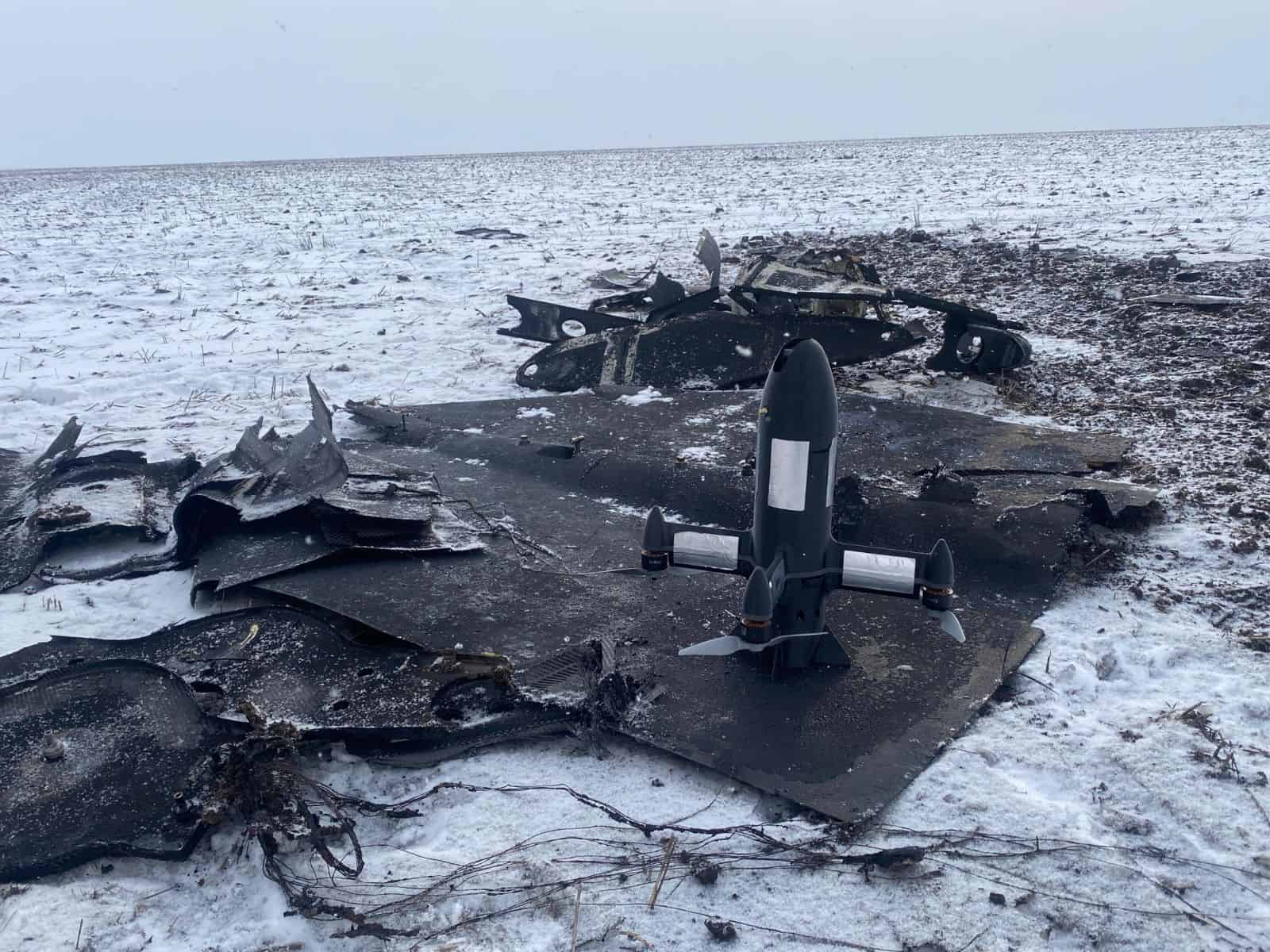
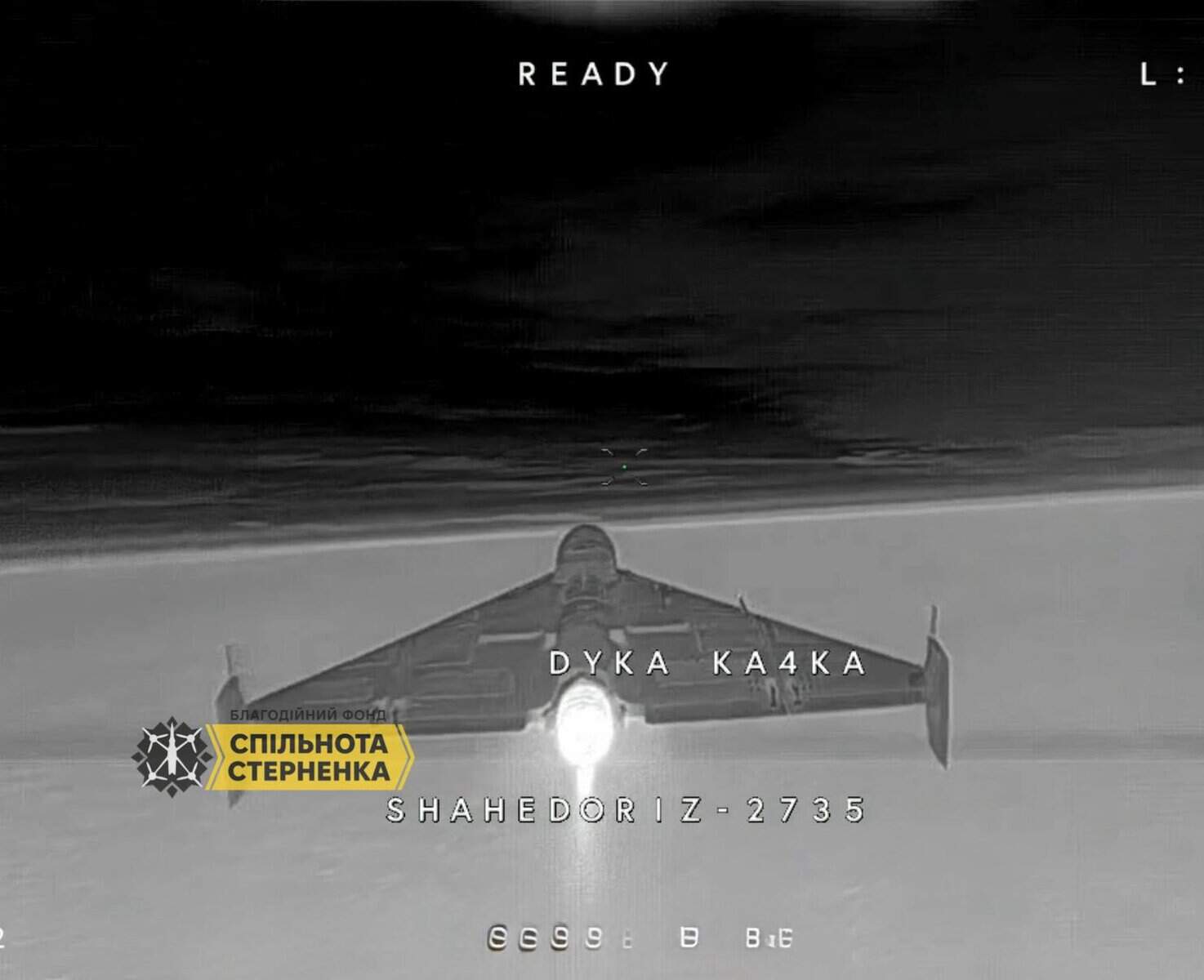
Ukraine's defense sector is experiencing unprecedented international demand for counter-drone and electronic warfare technology, creating a multi-billion-dollar export opportunity that extends far beyond traditional defense contractors. President Zelensky reports that 11 countries—including Saudi Arabia, Qatar, UAE, the United States, and European nations—have actively sought Ukrainian assistance in intercepting Iranian-made Shahed drones threatening regional oil infrastructure and shipping corridors. This represents a critical shift in global defense procurement patterns with direct implications for cross-border technology sellers and supply chain operators.
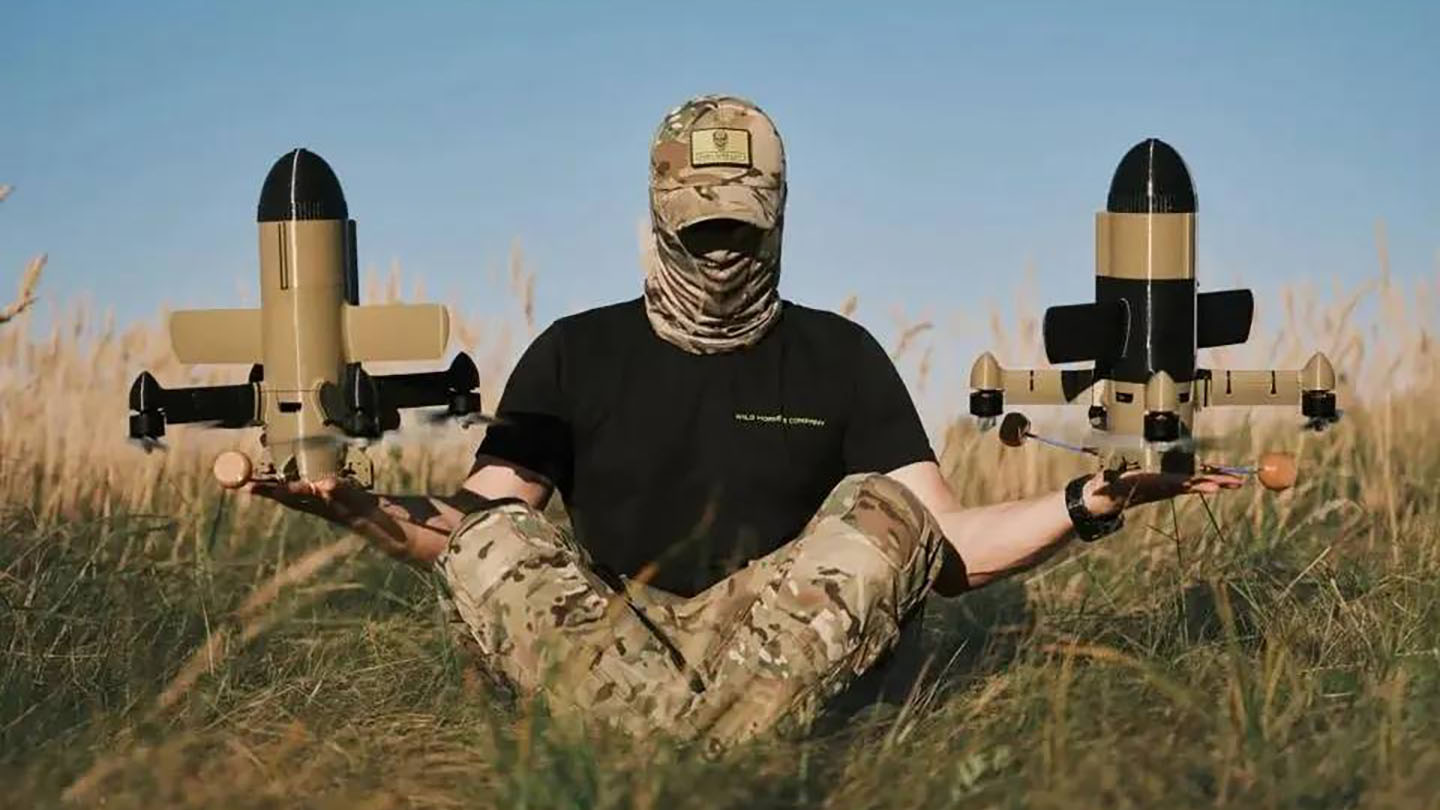
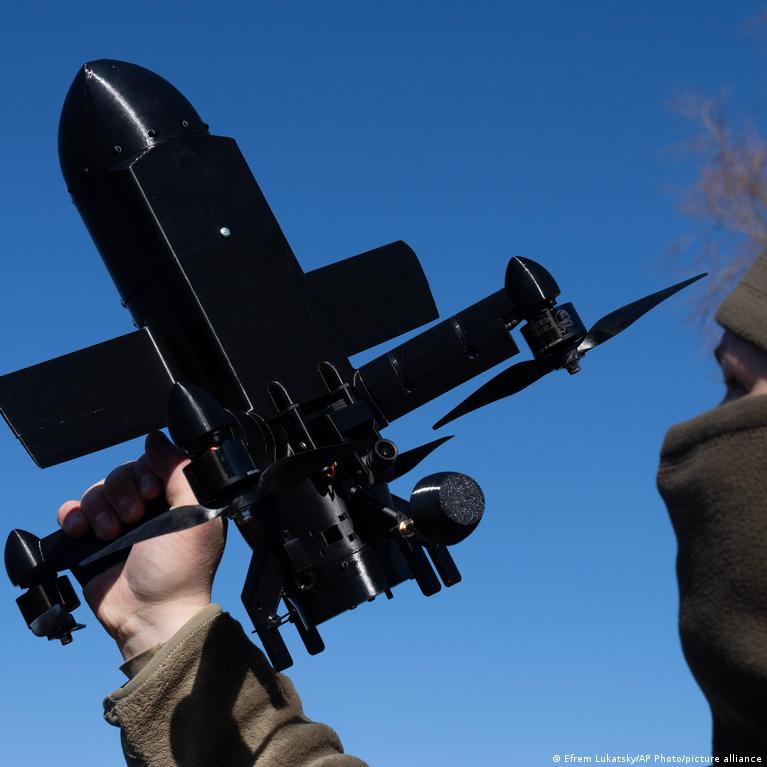
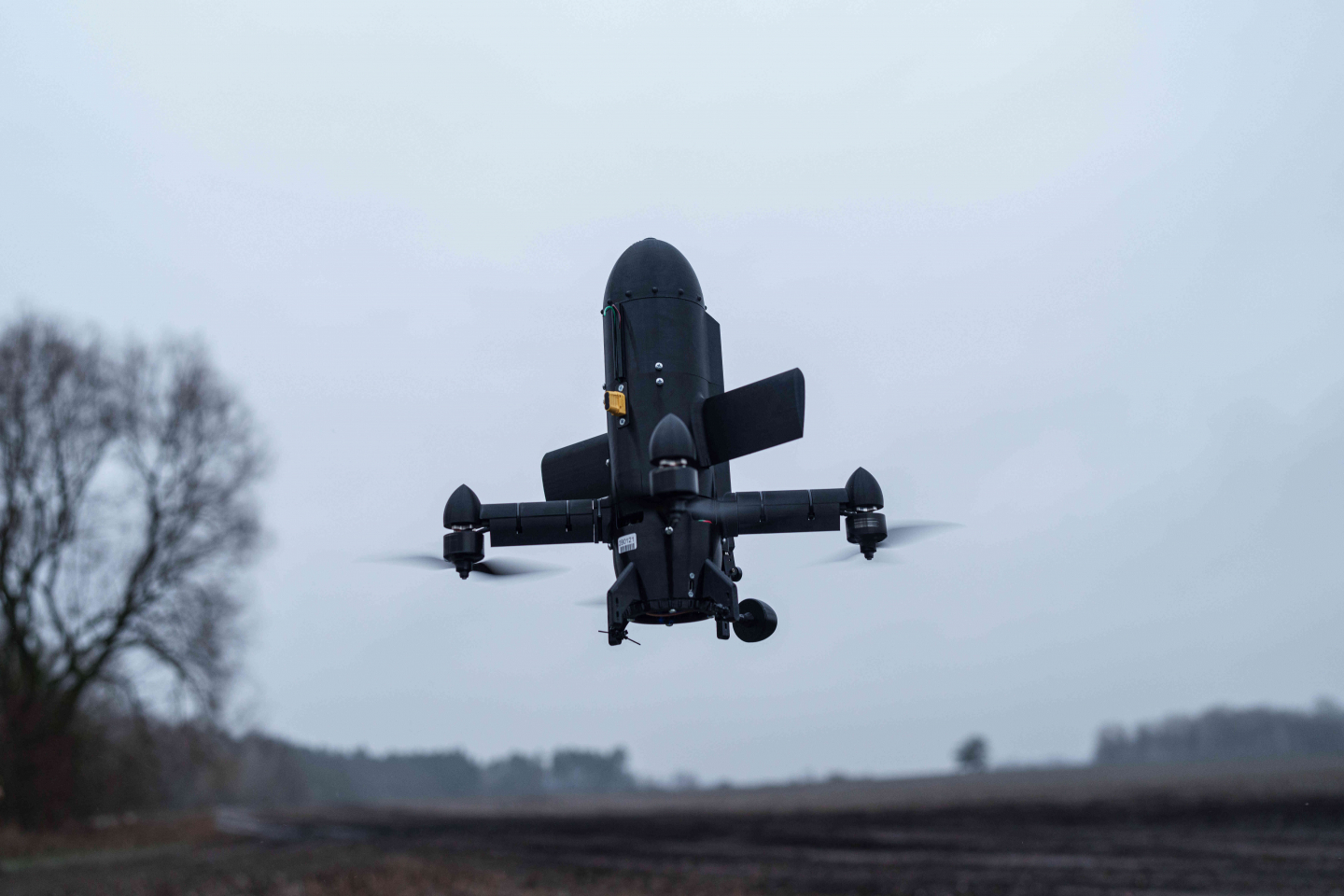
The Market Opportunity: Ukraine's counter-drone technology, initially developed from consumer electronics and video game components, now rivals conventional air defense systems at significantly lower costs. The market for drone defense systems protecting oil fields and tankers could reach billions of dollars according to Ukrainian defense executives. Saudi Aramco—the world's largest oil company—is in advanced negotiations with at least two Ukrainian firms (SkyFall and Wild Hornets) for interceptor drones, plus electronic warfare solutions from Phantom Defense. This corporate-level procurement bypasses traditional government channels, indicating urgent security needs and willingness to pay premium prices for proven technology.
Supply Chain Implications: The proposed U.S.-Ukraine-Gulf partnership drone production deal (submitted to the White House but awaiting approval) signals potential manufacturing relocation from traditional defense contractors to Eastern European suppliers. Ukraine's four-year combat experience provides credibility that conventional defense firms cannot match. The technology's cost-effectiveness—built on consumer electronics components—creates opportunities for component suppliers, assembly partners, and logistics providers serving the defense sector. Competitive dynamics shift dramatically: smaller, agile Ukrainian firms outpace legacy defense contractors in innovation speed and cost structure.
Timing Window: No formal sales agreements announced yet, but geopolitical escalation (Iranian drone attacks linked to 7 U.S. service member deaths since February 2026) creates urgency. The White House approval process for the production deal remains pending, creating a critical 30-90 day window before major contracts finalize. Sellers in electronics components, manufacturing services, and logistics should position for rapid scaling if the U.S.-Ukraine partnership gains approval. Regional competitors (Qatar, other Gulf states) are simultaneously pursuing acquisitions, intensifying demand pressure and potentially driving price premiums of 20-40% above standard defense procurement rates.
Questions 8
How does corporate procurement (Aramco) differ from government acquisition timelines?
Saudi Aramco's independent procurement efforts are notably racing ahead of Saudi government acquisition timelines, indicating the company's assessment of immediate security needs. Aramco is in advanced negotiations with multiple Ukrainian firms while the Saudi government pursues similar acquisitions through official diplomatic channels. This divergence reflects corporate urgency to protect critical infrastructure from Iranian drone threats, creating faster decision cycles than traditional government procurement. For sellers, this means corporate buyers may approve contracts 2-4 weeks faster than government channels and accept premium pricing (20-40% above standard rates) for rapid delivery. The pattern indicates a shift toward private-sector-led defense procurement in high-risk regions.
What export control and regulatory challenges affect Ukrainian defense technology sales?
The involvement of private companies like Aramco in direct negotiations with foreign defense manufacturers indicates evolving procurement models that bypass traditional government channels. This pattern may influence international trade policies, export controls, and technology transfer regulations affecting platforms handling defense-related goods and dual-use technologies. Sellers must navigate U.S. export control regulations (ITAR, EAR), EU dual-use technology restrictions, and Ukrainian government approval for defense exports. The White House approval process for the production deal suggests heightened scrutiny of technology transfers. Compliance complexity increases 40-60% for sellers entering the defense sector; budget 3-6 months for regulatory review before contract execution.