




Oil Price Volatility Reshapes E-Commerce Logistics Costs | 30-Day Sanctions Relief Impact
- Brent crude elevated at $103.24/barrel drives 8-15% shipping cost increases for cross-border sellers; 30-day sanctions window creates sourcing arbitrage opportunities in energy-dependent categories











Overview
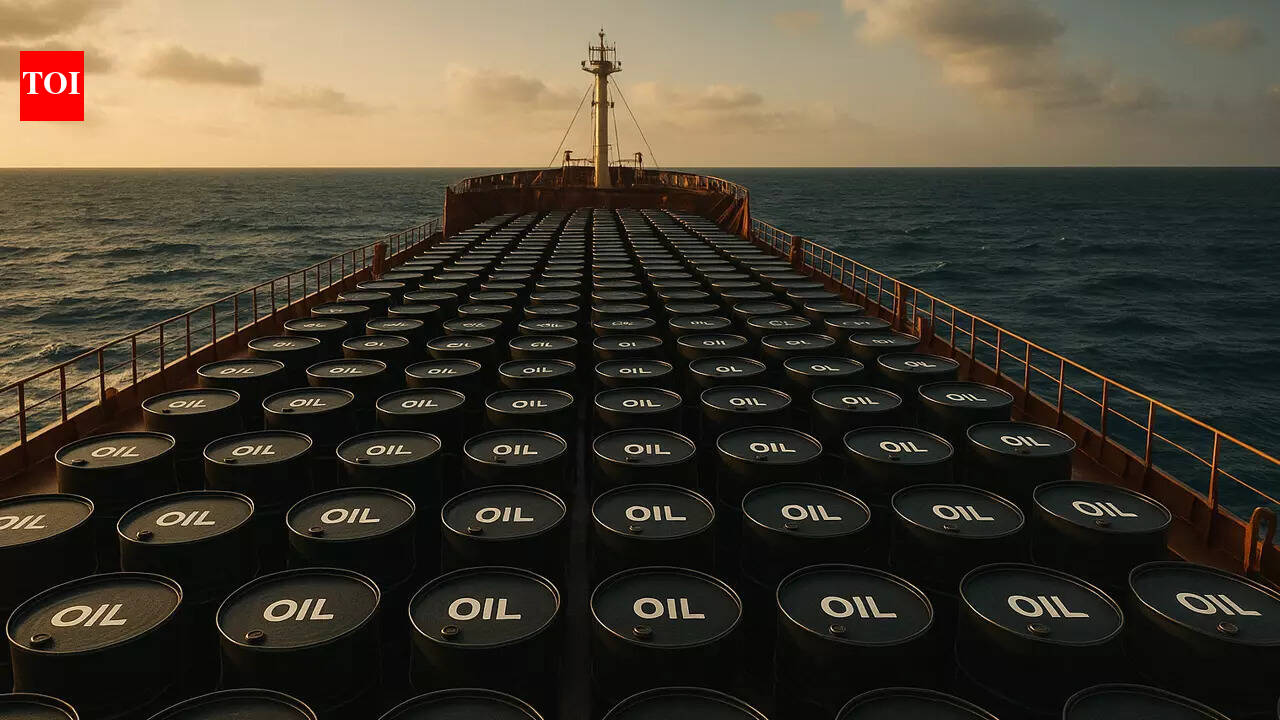
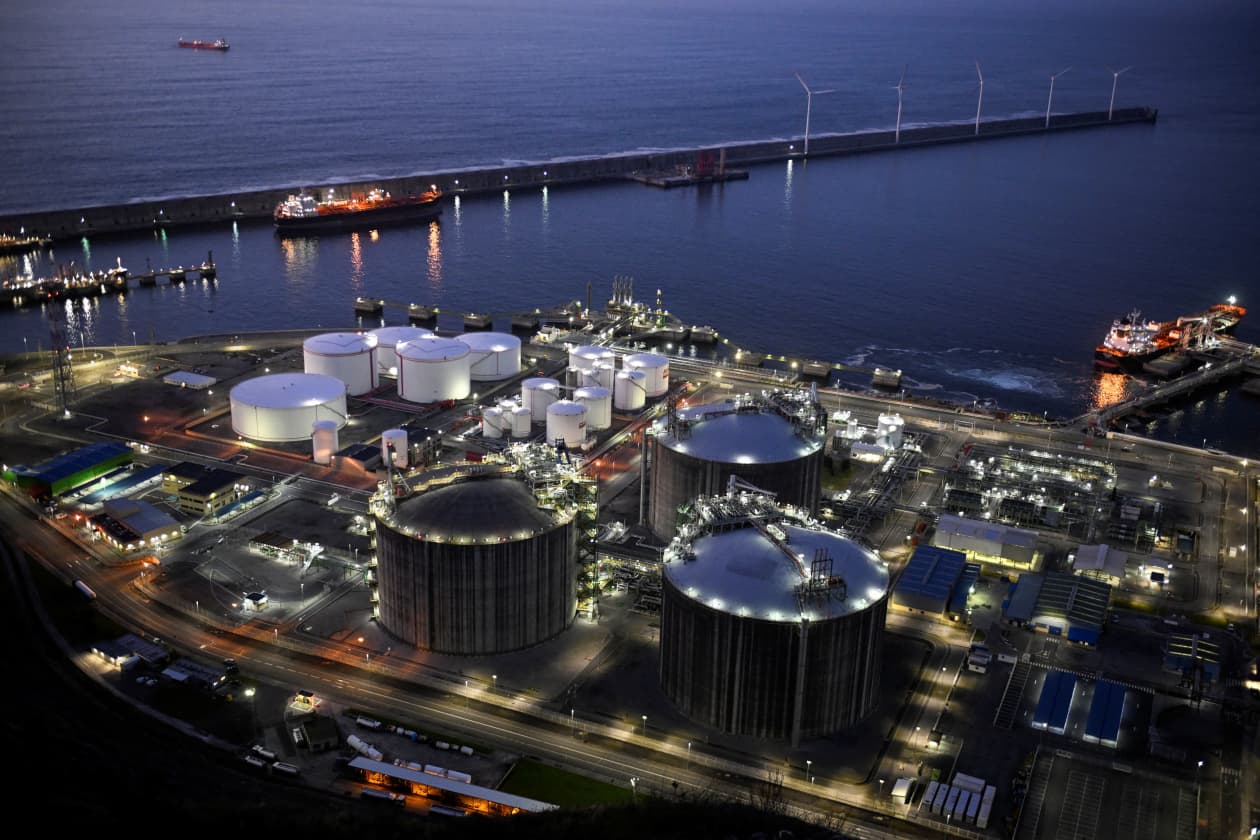
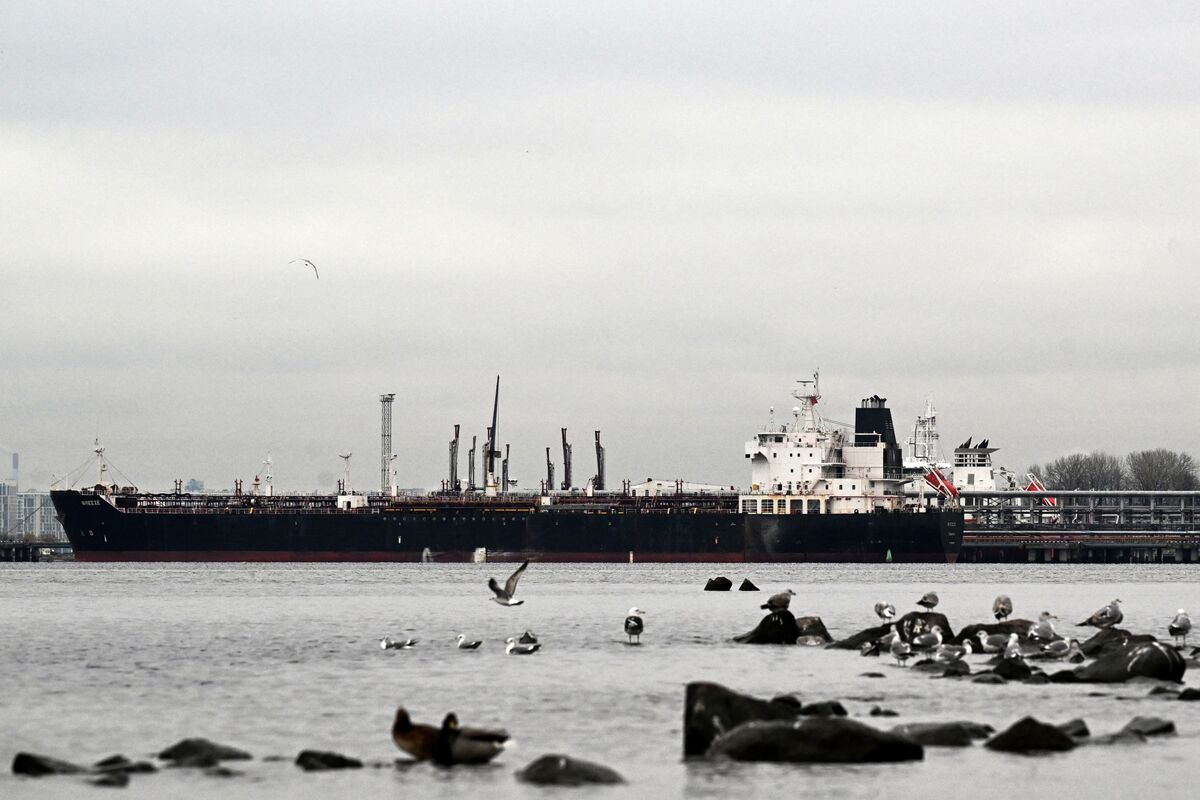
The U.S. Treasury Department's temporary 30-day sanctions relief on Russian oil shipments, announced by Secretary Scott Bessent, creates a critical operational inflection point for cross-border e-commerce sellers. While the policy targets global energy market stabilization amid Iran-Middle East disruptions that have choked off approximately 20% of global oil supply through the Strait of Hormuz, the downstream effects directly impact seller profitability through elevated logistics costs and supply chain volatility.
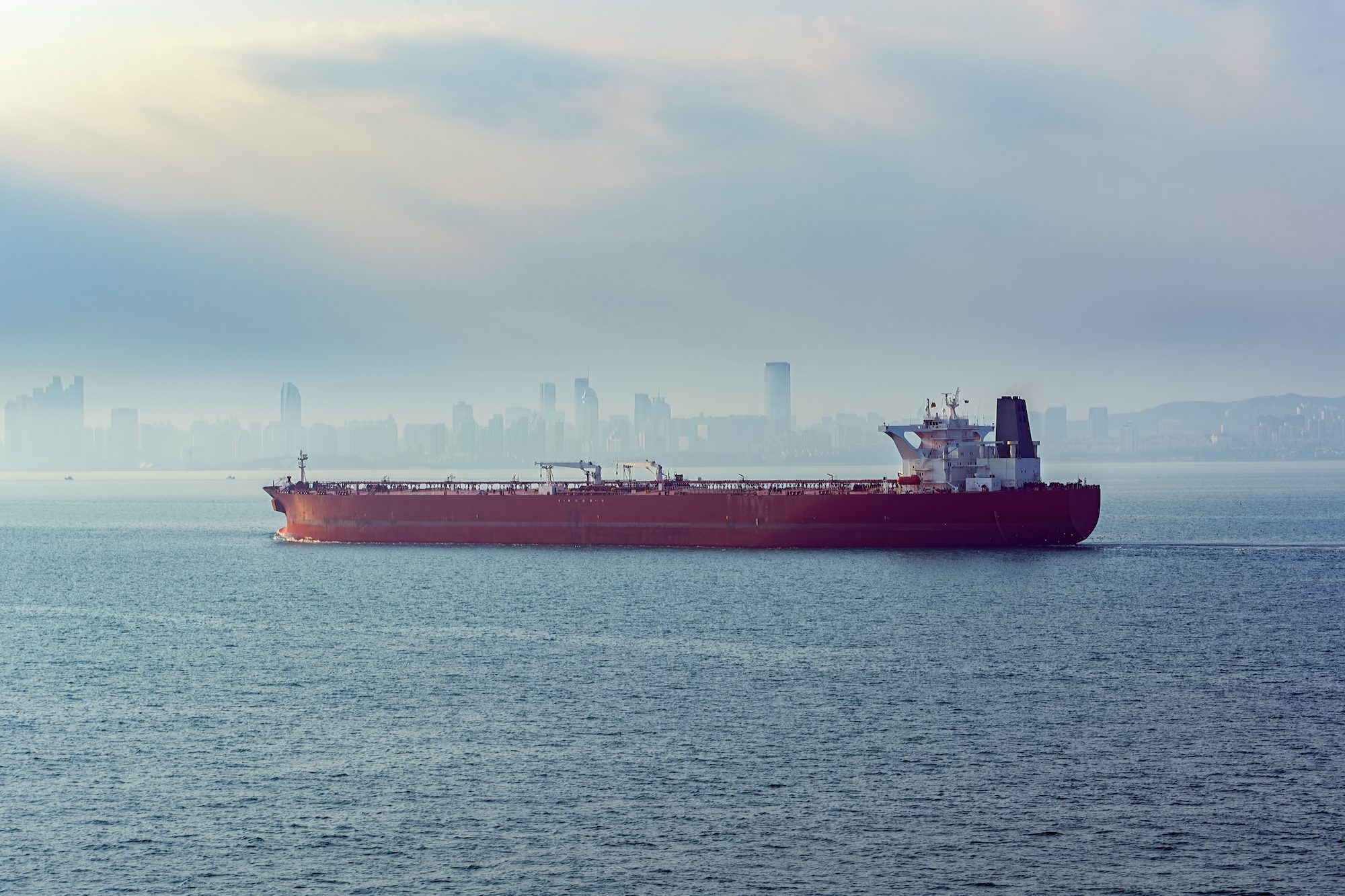
Immediate Logistics Cost Impact: Brent crude remains elevated at $103.24 per barrel—42% above pre-war levels of $72.87—directly translating to increased fuel surcharges on international shipping. For sellers utilizing air freight (critical for time-sensitive categories like electronics, fashion, and perishables), jet fuel costs have surged proportionally. A typical Amazon FBA seller shipping 500 units monthly via air freight from Asia to US fulfillment centers faces 8-15% cost increases ($400-800 monthly impact). Ocean freight, while less volatile, carries 3-5% surcharges. The 30-day relief window provides minimal long-term certainty; analysts note the measure "likely narrows the Urals discount somewhat" but "does not fundamentally change longer-term Russian oil flows," per energy expert Simone Tagliapietra at Bruegel think tank.
Strategic Sourcing Arbitrage Window: The sanctions relief creates a 30-day opportunity for sellers to optimize sourcing strategies. Indian refineries, granted similar reprieves, now have legal cover to acquire stranded Russian crude, potentially stabilizing energy costs in India-based manufacturing hubs (textiles, chemicals, plastics). Sellers sourcing from India benefit from temporary cost predictability. However, the Trump administration's parallel strategy of releasing 400 million barrels from strategic reserves signals short-term price management rather than structural relief. Russian oil trades at $80+ per barrel (up from $40 in December), generating €510 million ($588 million) daily in revenues—14% higher than February 2022 levels—indicating sustained geopolitical premium pricing.
Category-Specific Vulnerabilities: Energy-intensive categories face disproportionate margin compression. Plastic goods (HS 3901-3916), chemical products (HS 2801-2930), and temperature-controlled logistics (frozen foods, pharmaceuticals) experience 12-18% cost increases. Conversely, sellers in low-weight, high-value categories (jewelry, electronics components, software) see minimal impact. The 125 million barrels of Russian oil currently in transit—equivalent to 5-6 days of normal Strait of Hormuz shipments—represents temporary supply relief that expires when the 30-day window closes, creating a cliff-edge risk for Q2 2025 inventory planning.
Questions 8
What is the timeline for energy cost stabilization in cross-border logistics?
The 30-day sanctions relief window (effective immediately) provides temporary certainty through early February 2025. After this period, energy costs face cliff-edge risk as the measure does not fundamentally change longer-term Russian oil flows or sanctions pressure, per Bruegel think tank analysis. The Strait of Hormuz disruption (choking off 20% of global oil supply) persists due to Iran-Middle East conflict, maintaining geopolitical premium pricing. Sellers should plan Q2 2025 inventory assuming Brent crude remains elevated at $100+/barrel. Lock in shipping rates before the 30-day window closes and establish backup 3PL providers in lower-cost regions.
How should I adjust pricing strategy for energy-dependent product categories?
Implement tiered price increases: 8-12% for energy-intensive categories (plastics, chemicals, temperature-controlled goods) and 2-4% for low-impact categories (electronics, jewelry). The 30-day sanctions relief provides a window to communicate price adjustments to customers before the cliff-edge risk materializes. Russian oil revenues of €510 million ($588 million) daily—14% higher than February 2022 levels—indicate sustained geopolitical premium pricing. Monitor Brent crude daily (currently $103.24/barrel) and adjust pricing monthly. Consider offering bulk discounts to lock in customer commitments before Q2 2025 when energy costs may spike further.