




Strait of Hormuz Disruption Crisis | Cross-Border Sellers Face 8-12% Shipping Cost Surge
- Oil prices exceed $100/barrel; 20-30% of global oil supply at risk; maritime insurance premiums rising; Asia-to-US shipping delays expected 2-4 weeks





















Overview
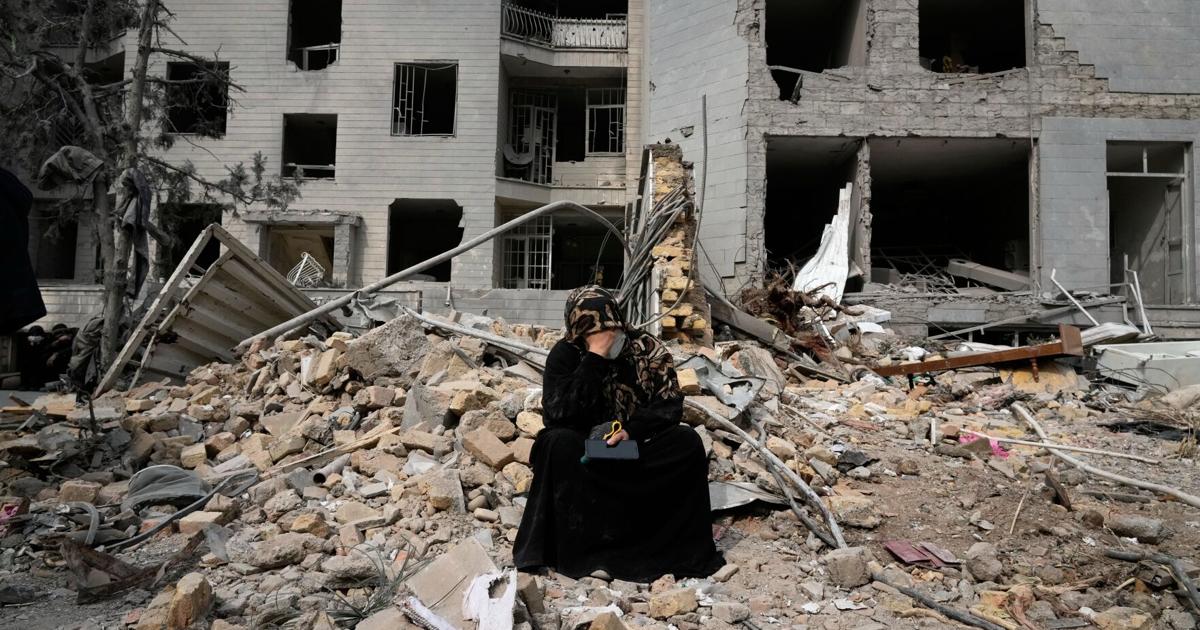
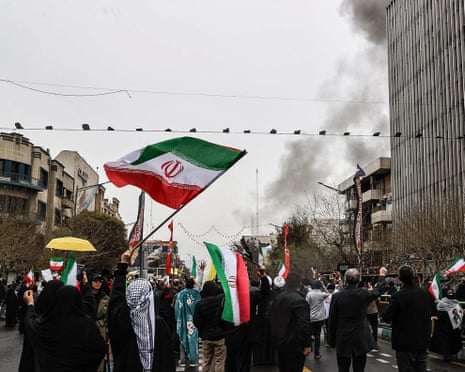
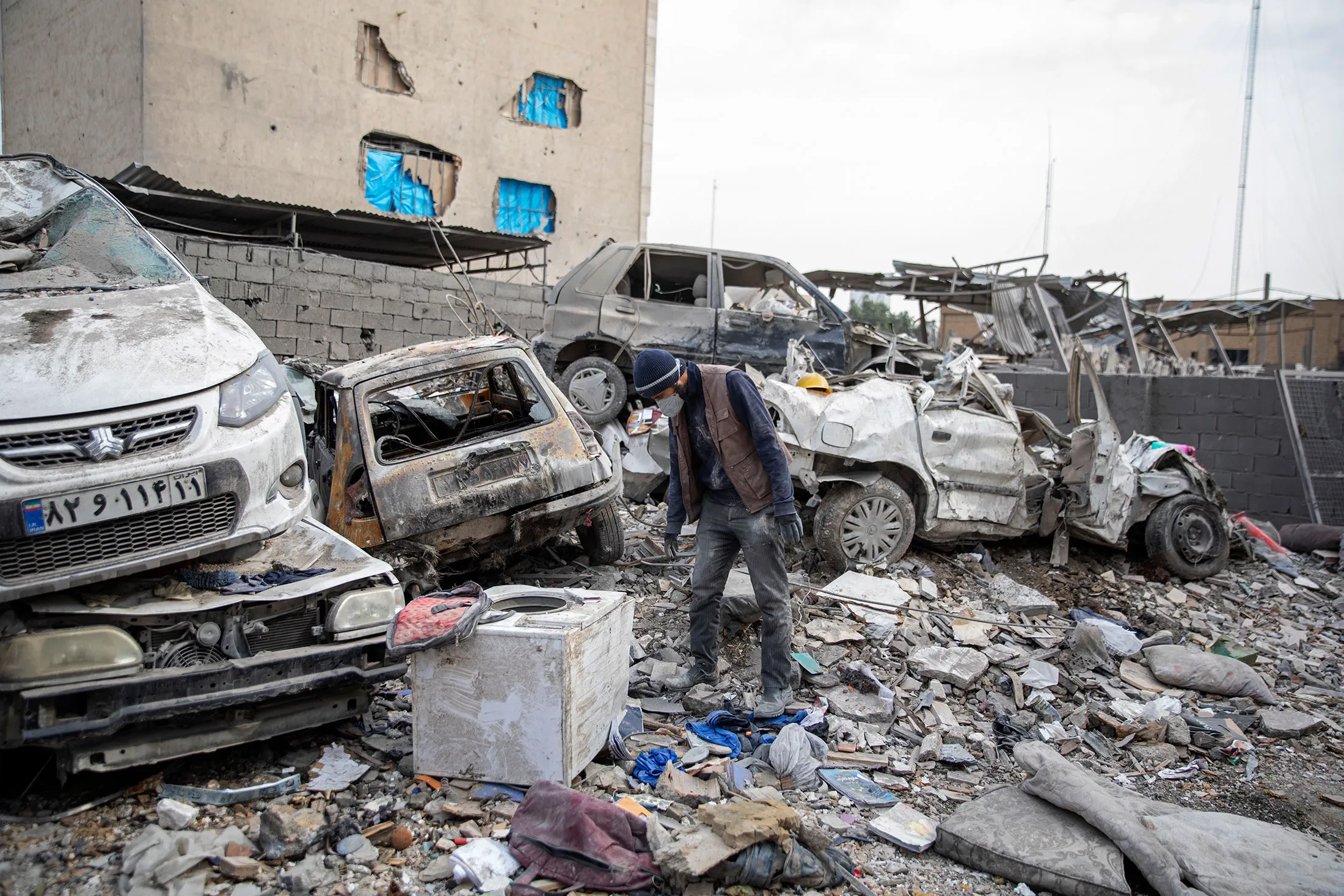
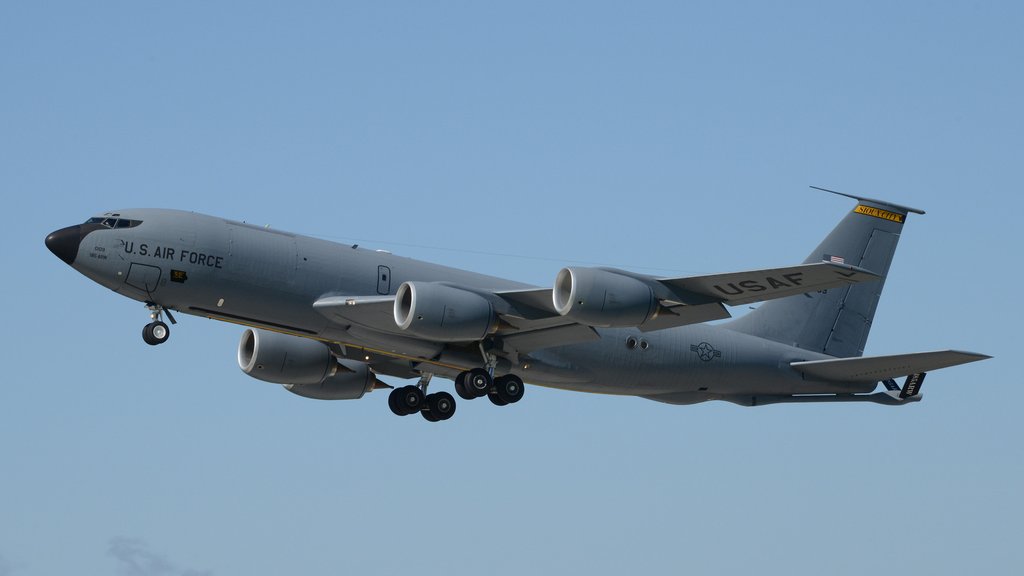
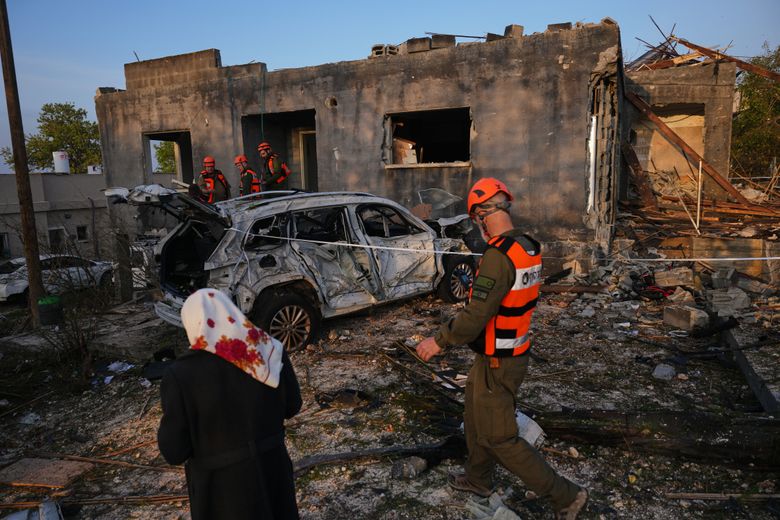
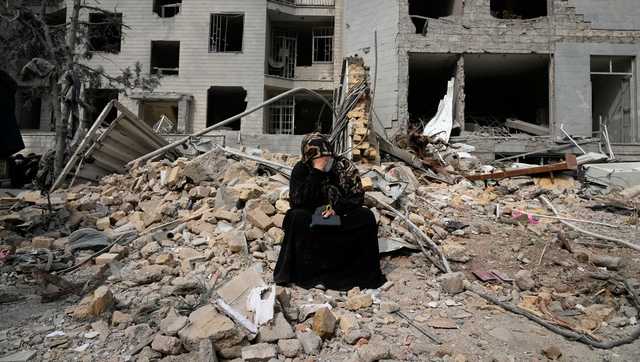
The escalating Iran-Israel military conflict in March 2026 has created a critical supply chain crisis for cross-border e-commerce sellers, with the Strait of Hormuz facing unprecedented disruption risk. As reported by U.S. Defense Secretary Pete Hegseth, military strikes have targeted approximately 15,000 objectives, with oil prices surging above $100 per barrel—a 40%+ increase from pre-conflict levels. The Strait of Hormuz, through which 20-30% of global oil supply normally transits, now faces potential closure, directly impacting shipping costs, delivery timelines, and operational margins for sellers worldwide.
Immediate Cost Impact for Sellers: Shipping costs from Asia to North America and Europe are projected to increase 8-12% within 2-4 weeks as carriers reroute vessels around Africa (adding 10-14 days transit time) and maritime insurance premiums spike 15-25%. For a typical seller shipping 1,000 units monthly via ocean freight, this translates to $2,400-3,600 additional monthly costs. Amazon FBA sellers face compounding pressure as fulfillment network congestion increases due to delayed inventory arrivals, potentially triggering IPI score penalties if stock-outs occur. eBay and Shopify sellers managing their own 3PL logistics face immediate renegotiation of carrier contracts, with many providers implementing fuel surcharges and route adjustment fees.
Strategic Sourcing Shifts Emerging: The crisis accelerates sourcing diversification away from China and Southeast Asia. Sellers currently dependent on Vietnam, Thailand, and India manufacturing face 15-20 day delays, creating competitive advantages for sellers already sourcing from Mexico, Turkey, or Eastern Europe—regions with alternative shipping routes bypassing the Strait. Electronics, apparel, and consumer goods categories (HS codes 8471, 6204, 6205) face the steepest cost increases due to high shipping volume and weight sensitivity. Sellers with inventory buffers in US/EU warehouses can capitalize on competitor stockouts by maintaining price stability while competitors implement emergency price increases of 12-18%.
Currency and Market Access Complications: Regional instability is driving USD strength against emerging market currencies (Iranian rial, Turkish lira, Indian rupee), making sourcing from these regions 5-8% more expensive in dollar terms. Sellers with Middle Eastern markets (UAE, Saudi Arabia, Kuwait) face potential revenue disruption as consumer spending contracts during geopolitical uncertainty. However, defensive product categories—security systems, emergency supplies, water purification, backup power systems—are seeing 25-40% demand spikes in affected regions, creating short-term arbitrage opportunities for sellers who can source and deliver within 3-4 weeks.
Questions 8
How does this affect my Amazon FBA inventory and IPI score?
Delayed inventory arrivals due to rerouting around Africa (10-14 day delays) can trigger stockouts, directly impacting your **IPI (Inventory Performance Index) score**. Amazon penalizes sellers with IPI scores below 400 by restricting inventory limits and increasing storage fees. To protect your score: (1) **Increase safety stock** by 20-30% for fast-moving SKUs immediately; (2) **Adjust reorder points** in Seller Central to account for 2-4 week shipping delays; (3) **Monitor inventory levels daily** and use Amazon's forecasting tools to predict stockouts; (4) **Consider air freight** for critical SKUs despite 3-4x higher costs—the IPI penalty and lost sales often exceed air freight premiums. **FBA sellers** should also prepare for potential storage fee increases if inventory congestion occurs at fulfillment centers.
What's the timeline for this shipping crisis to resolve?
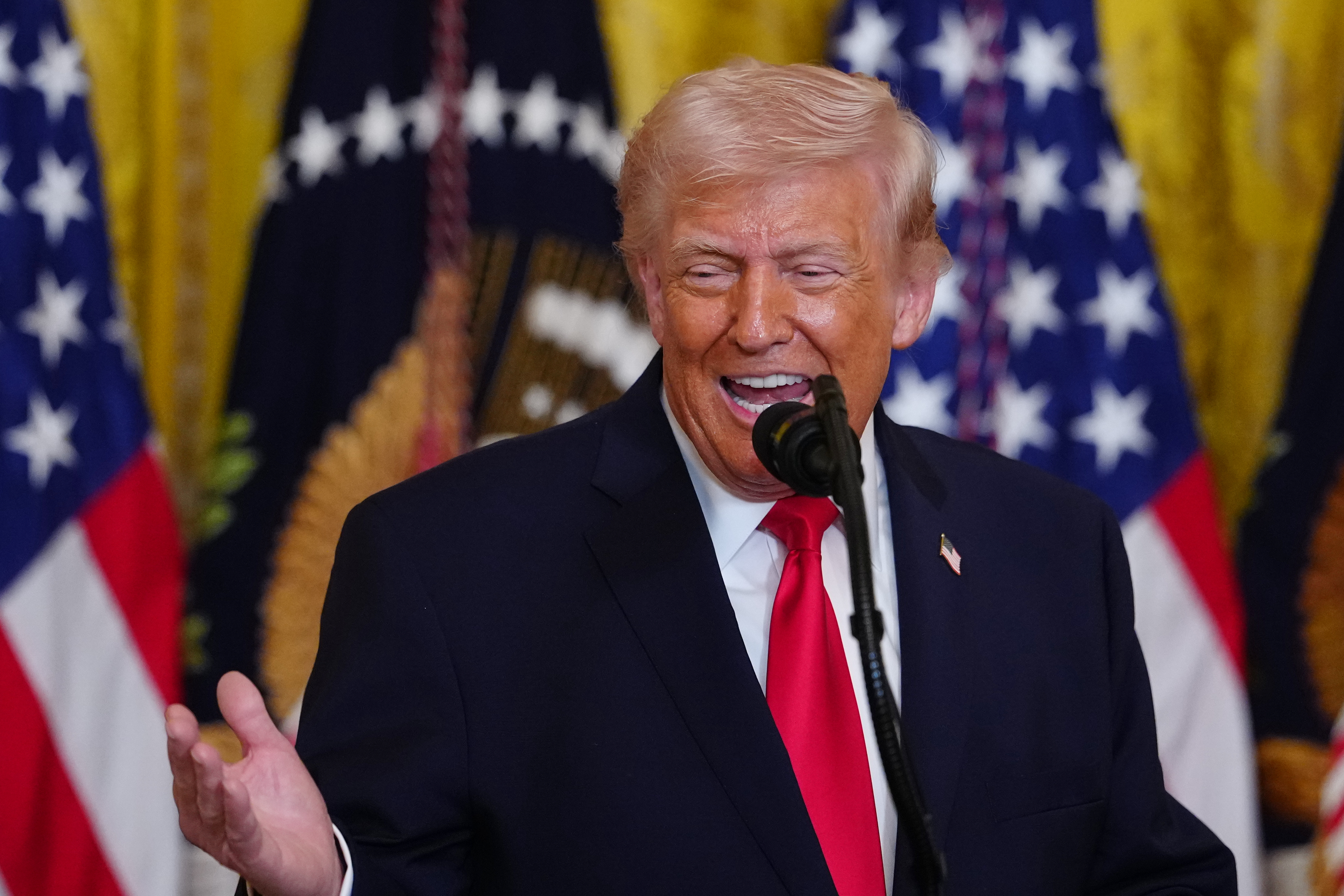
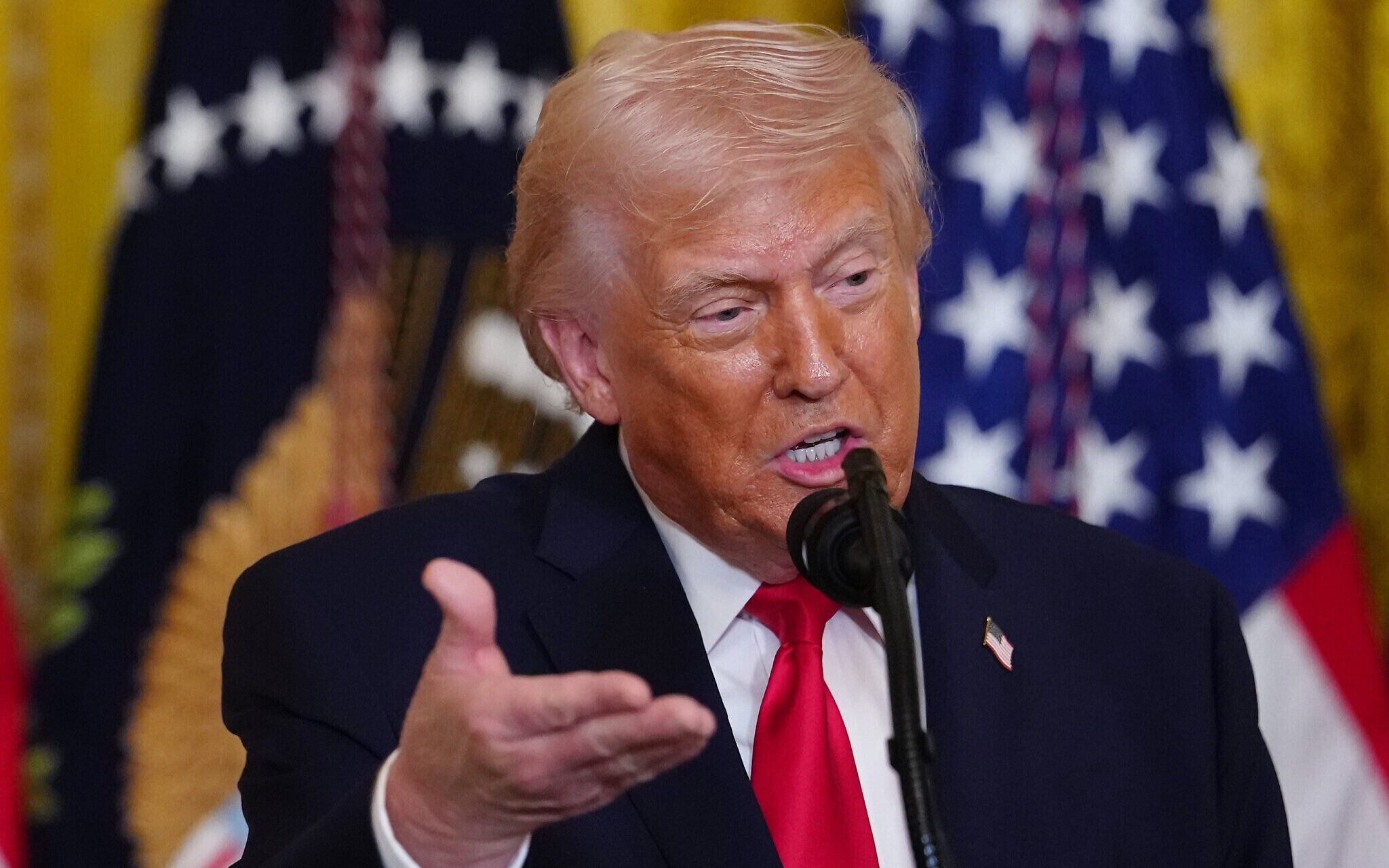
Based on historical precedent with similar geopolitical disruptions (2019 Strait of Hormuz tensions, 2022 Russia-Ukraine impact), expect 2-6 months of elevated shipping costs and delays. The current conflict has no clear de-escalation timeline—President Trump stated he would conclude operations 'when I feel it in my bones,' indicating indefinite duration. Plan for sustained elevated costs through Q2 2026 at minimum. **Immediate actions (0-30 days)**: Secure inventory buffers, lock in carrier rates, adjust pricing. **Medium-term (1-3 months)**: Implement sourcing diversification, renegotiate supplier contracts. **Long-term (3-6 months)**: Evaluate permanent supply chain restructuring if conflict persists beyond Q2.