


Strait of Hormuz Crisis: Oil Shock Threatens E-Commerce Margins
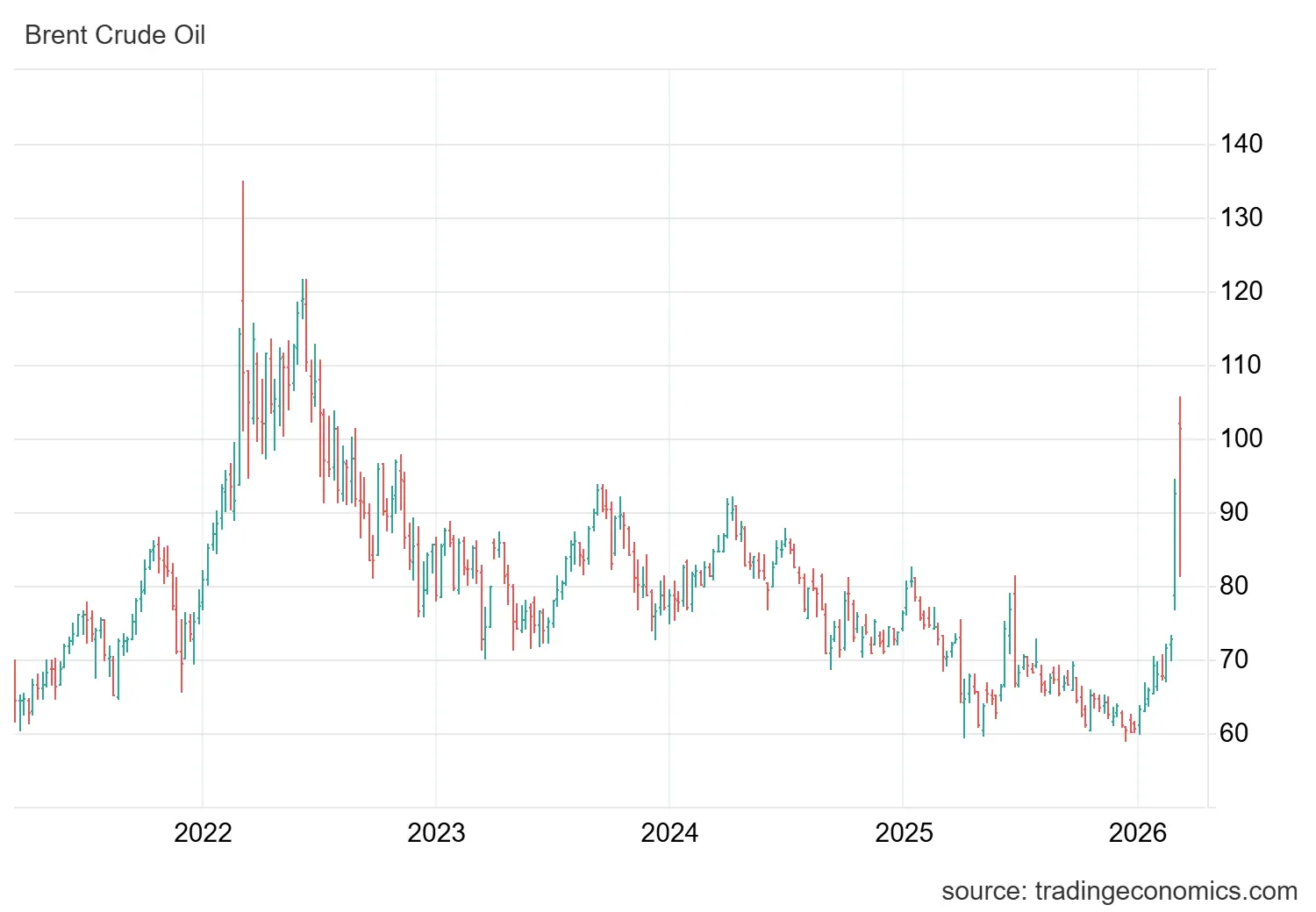
- Crude prices surge $65→$100/barrel with $200 potential; shipping costs up 40-60% for FBA sellers; Strait of Hormuz closure risks 20% global oil supply disruption








Overview
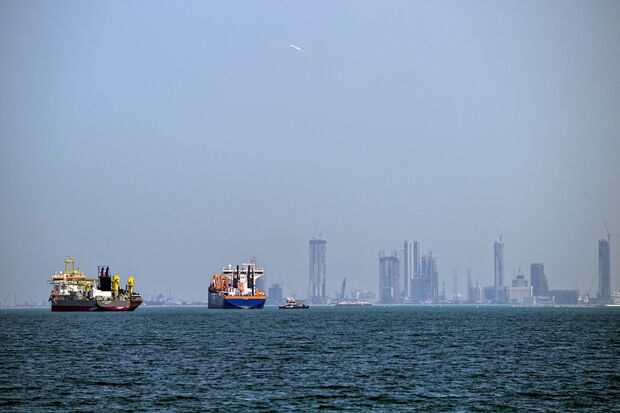
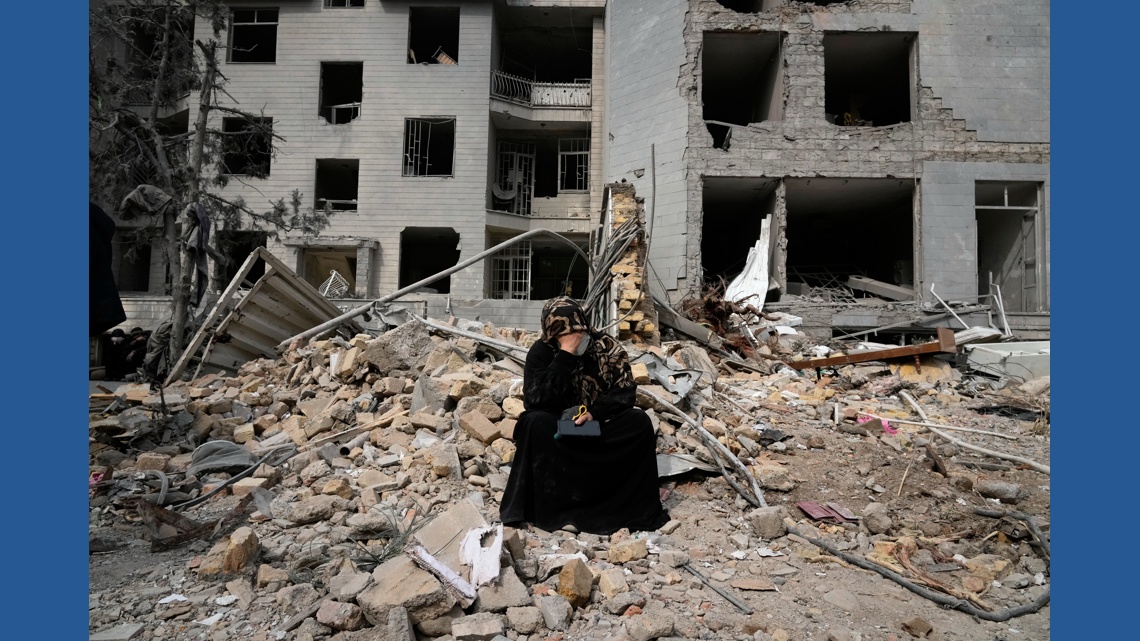
The Iran-U.S. military conflict has triggered the largest oil supply disruption in global history, directly threatening cross-border e-commerce profitability. As of March 13, 2026, crude oil prices have surged from $65 to $90-$100 per barrel—a 38-54% increase—with Iranian military officials warning of potential $200/barrel scenarios if the Strait of Hormuz remains closed for one month. This critical maritime chokepoint carries approximately 20% of global oil supply. For cross-border sellers, this represents an unprecedented operational crisis affecting shipping costs, inventory replenishment timelines, and consumer spending patterns across all major markets.
The immediate impact on seller economics is severe and multi-layered. Ocean freight costs from Asia to North America/Europe typically increase $400-800 per 40-foot container for every $10/barrel oil price increase. At current $90-100 levels, sellers face 40-60% shipping cost increases compared to pre-conflict baseline. Amazon FBA fees, which incorporate fuel surcharges, are rising accordingly—affecting sellers with 1,000+ monthly unit volumes most acutely. Air freight premiums have become prohibitive, with rates doubling from $4-6 to $8-12 per kilogram. Manufacturing input costs are simultaneously rising due to increased chemical and plastic expenses tied to petroleum derivatives. Sellers in price-sensitive categories (electronics, apparel, home goods) face severe margin compression, while those with pricing flexibility can pass costs to consumers at the risk of reduced competitiveness and Buy Box loss.
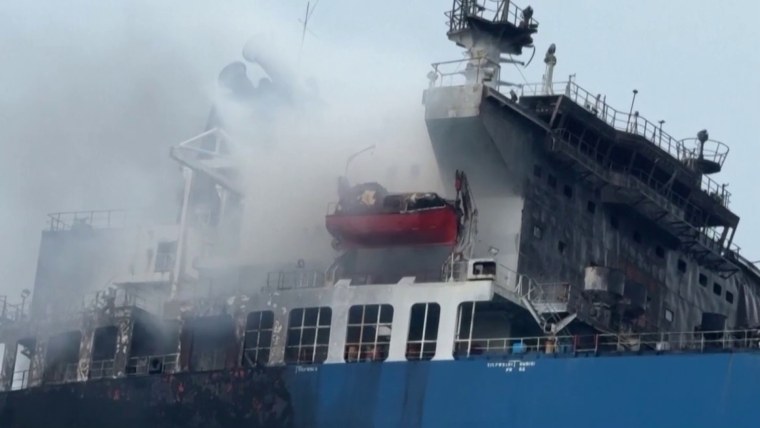
Supply chain disruption extends beyond immediate shipping costs to inventory replenishment cycles. The U.S. Navy has declined escort requests through the Strait of Hormuz due to safety concerns, and Iran has threatened to sink vessels transiting the strait. Secretary of Energy Chris Wright indicated potential reopening within weeks, but this timeline remains uncertain. Sellers dependent on just-in-time inventory from Asian manufacturers face 2-4 week delays in receiving stock, creating stockout risks during peak selling seasons. The cascading effect impacts agricultural fertilizers, aviation fuel, and chemical manufacturing—upstream inputs for food, beauty, and supplement categories. Economic uncertainty from prolonged conflict may reduce consumer spending in affected regions and globally, particularly impacting discretionary categories like electronics, fashion, and home décor.
Strategic sourcing opportunities emerge for sellers willing to adapt quickly. Vietnam, India, and Mexico are becoming increasingly attractive sourcing alternatives to China, as they avoid Strait of Hormuz dependency. Sellers can negotiate longer payment terms with suppliers to manage cash flow during this period. Consider diversifying fulfillment to European 3PL providers to reduce reliance on U.S.-Asia shipping corridors. Immediate actions include auditing inventory by March 20, 2026, prioritizing fast-moving SKUs for expedited shipments, and implementing dynamic pricing strategies to maintain margins. Monitor Strait of Hormuz shipping updates daily through maritime intelligence platforms. Prepare contingency plans for extended shipping delays and elevated freight rates, potentially lasting 3-6 months based on historical conflict resolution timelines.
Questions 8
What compliance or customs issues should I anticipate from supply chain disruptions?
Extended shipping timelines increase customs clearance delays, particularly for products requiring inspection (electronics, food, supplements). Plan for 5-7 day customs processing instead of typical 2-3 days. Ensure all documentation (commercial invoices, certificates of origin, HS codes) is accurate to avoid delays. Some sellers may face temporary tariff increases if alternative sourcing routes (Vietnam, India) trigger different tariff classifications. Verify HS codes for alternative sourcing countries—tariff rates vary by origin. Consider hiring customs brokers for high-value shipments to expedite clearance. Monitor U.S. Customs and Border Protection announcements for any emergency tariff changes. Maintain 10-15% buffer in inventory budgets for potential tariff adjustments on alternative sourcing routes.
How will the oil crisis affect consumer spending and demand for my products?
Economic uncertainty from prolonged conflict typically reduces discretionary spending by 10-20% in affected regions and globally. Demand for electronics, fashion, and home décor typically declines during geopolitical crises, while demand for essentials (food, supplements, household items) remains stable or increases. Historical precedent from 2008 financial crisis shows 12-18 month demand suppression in discretionary categories. Sellers should expect reduced conversion rates and increased cart abandonment during March-June 2026. Shift marketing spend toward high-intent keywords and retargeting campaigns rather than broad awareness. Consider promotional strategies (bundles, loyalty programs) to maintain volume during demand softness. Monitor your category's sales velocity daily—if BSR increases >20%, reduce inventory purchases and shift to cash-flow-positive strategies.