



Adobe CEO Departure Signals AI Strategy Shift | E-Commerce Tool Uncertainty
- Leadership transition creates 6-12 month product roadmap uncertainty for 2M+ sellers using Adobe Creative Cloud, Commerce, and Analytics platforms












)










Overview
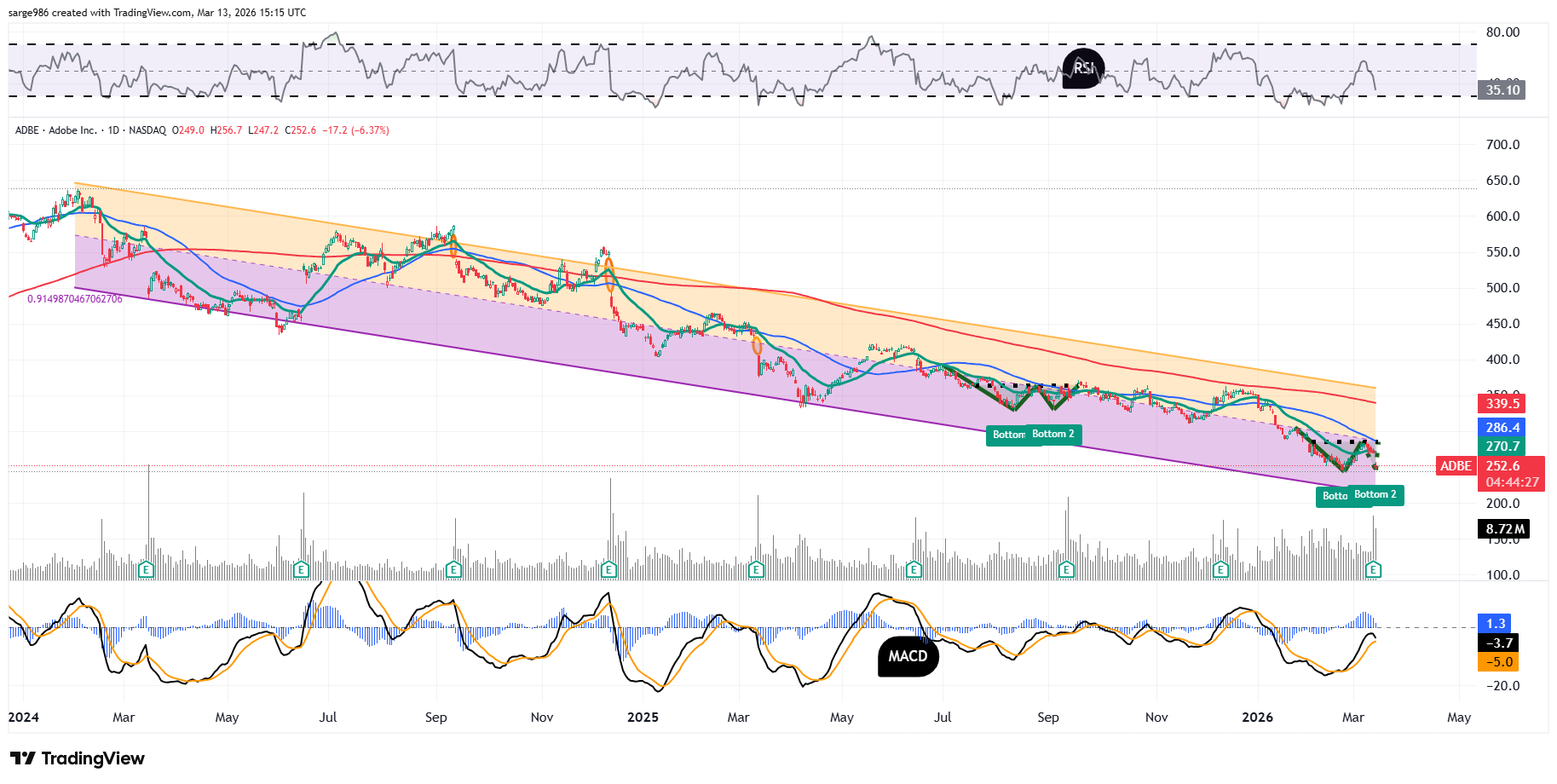
Adobe's CEO departure on March 13, 2026, represents a critical inflection point for the 2M+ cross-border e-commerce sellers who depend on the company's creative and analytics tools. Shantanu Narayen's 18-year tenure ends amid investor skepticism about Adobe's AI monetization strategy—despite higher quarterly sales, the company failed to demonstrate strong AI-driven revenue growth, triggering a 7.58% stock decline. This leadership vacuum creates immediate uncertainty around product roadmaps, pricing strategies, and feature development timelines for sellers relying on Photoshop, Illustrator, Adobe Analytics, and Adobe Commerce solutions.
The AI monetization challenge directly impacts seller productivity tools. Adobe's inability to convince Wall Street that it can outpace industry-wide AI disruptions (occurring amid a reported $1.6 trillion software sector meltdown) signals potential delays in delivering promised AI features for product photography automation, listing optimization, and customer analytics. Sellers currently using Adobe's tools for product image editing, design templates, and performance analytics face 6-12 months of uncertainty regarding feature releases, pricing adjustments, and AI capability rollouts. The new CEO will likely prioritize aggressive AI integration across Adobe's product suite to address investor concerns, but execution timelines remain unclear. This creates a competitive intelligence opportunity: sellers can identify which AI-powered competitors are filling the gap with faster feature deployment.
For e-commerce sellers, the immediate risk is pricing volatility and feature delays. Adobe's cloud-based services model generates recurring revenue, but investor pressure to prove AI competitiveness may trigger subscription price increases (historically 8-15% annually) or bundling changes that compress margins for sellers managing multiple product lines. Sellers using Adobe Commerce for storefront management should monitor announcements about the new CEO's vision, as strategic pivots could affect integration capabilities with Amazon, Shopify, and eBay. The $1.6 trillion software sector downturn indicates broader pressure on SaaS pricing models, suggesting Adobe may accelerate monetization of AI features through premium tier pricing rather than broad-based feature releases.
Strategic opportunity: Sellers can use this transition period to evaluate alternative tools and negotiate better terms. The leadership vacuum creates 90-180 days of reduced product innovation velocity, making this an ideal window to test competing solutions (Canva for design, Semrush for analytics, native platform tools) without missing critical feature updates. Sellers should document current Adobe tool dependencies, calculate switching costs, and prepare contingency workflows. The new CEO's AI-first mandate will likely result in significant product changes within 12 months, making early migration planning essential for sellers seeking stability.
Questions 8
What competitive intelligence opportunities exist from Adobe's leadership transition?
The 6-12 month product development slowdown creates a window for sellers to identify which competitors are filling the AI tool gap faster. Sellers should track feature releases from Canva, Figma, Shopify, and native platform tools during this period to identify which alternatives deliver AI-powered capabilities (product image optimization, listing generation, customer analytics) before Adobe's new CEO launches competing features. This intelligence helps sellers make informed tool migration decisions and potentially negotiate better terms with Adobe by demonstrating viable alternatives. The transition also signals which AI-powered SaaS tools are gaining traction in the e-commerce space.
How will the new CEO's AI-first mandate affect Adobe Commerce for e-commerce sellers?
The new CEO will likely prioritize AI integration across Adobe Commerce to address investor concerns about competitive positioning. This could accelerate development of AI-powered features like dynamic pricing, product recommendation engines, and automated inventory management. However, execution timelines remain uncertain during the transition period. Sellers using Adobe Commerce should expect potential API changes, pricing adjustments, and feature prioritization shifts within 12 months. The new leadership may also pursue strategic partnerships or acquisitions to accelerate AI capabilities, potentially affecting platform stability and integration compatibility.