


Strait of Hormuz Crisis Drives 30%+ Fuel Surcharge Spike | Cross-Border Seller Margin Compression Alert
- Brent crude surges to $103.14/barrel (highest in 3 years) as US-Iran conflict disrupts 21% of global oil supply through critical shipping chokepoint










Overview
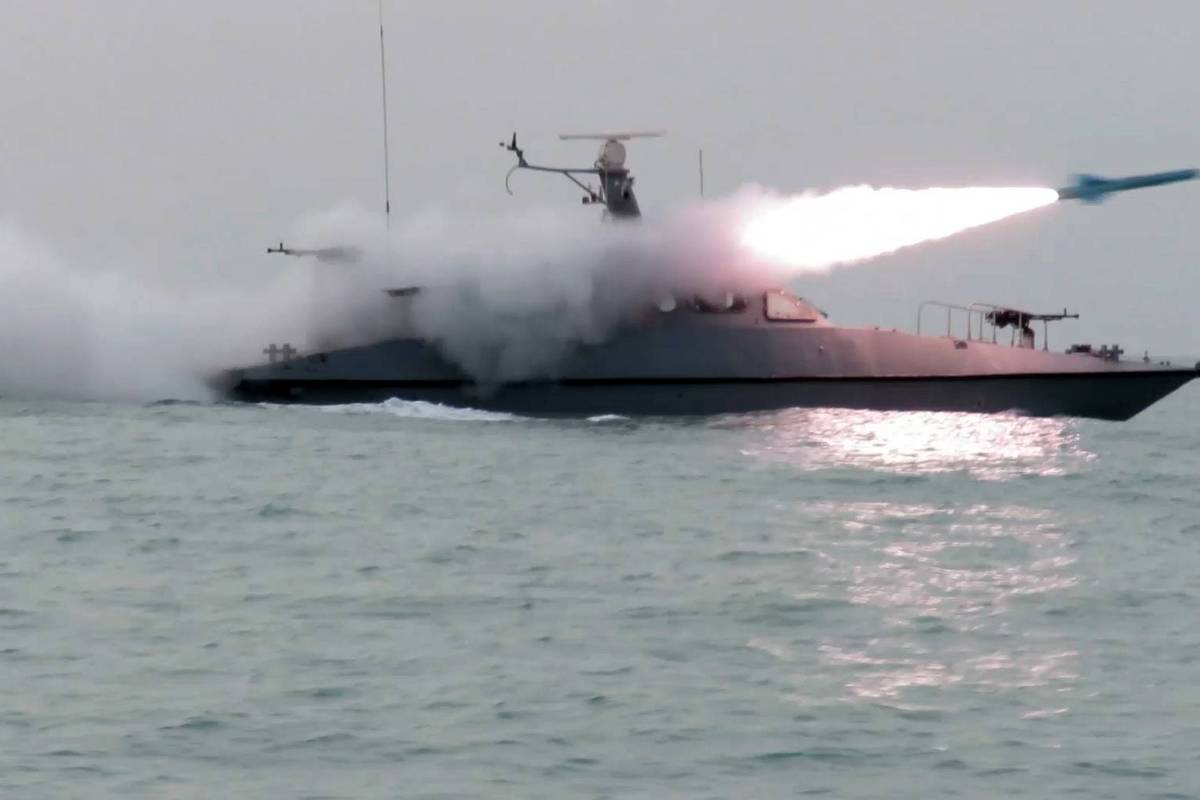
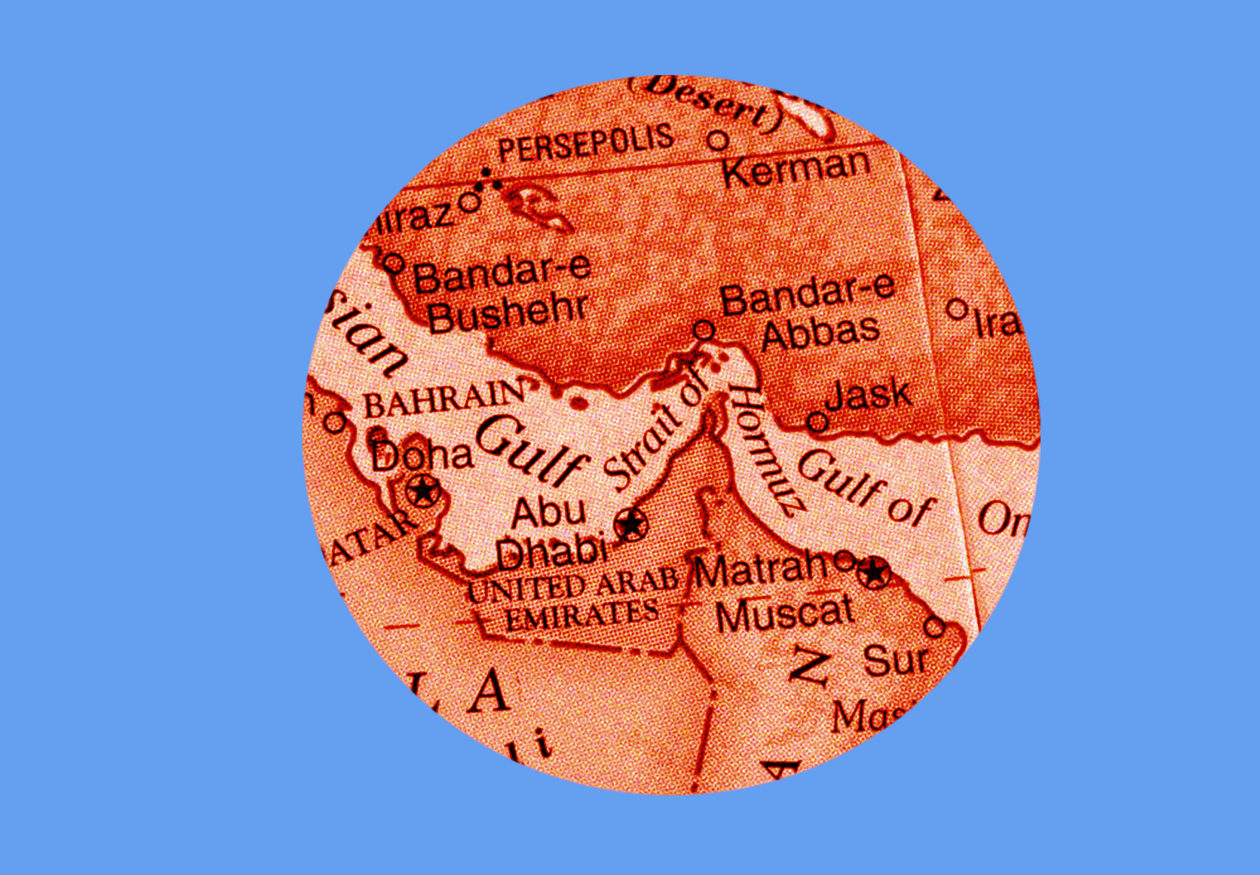
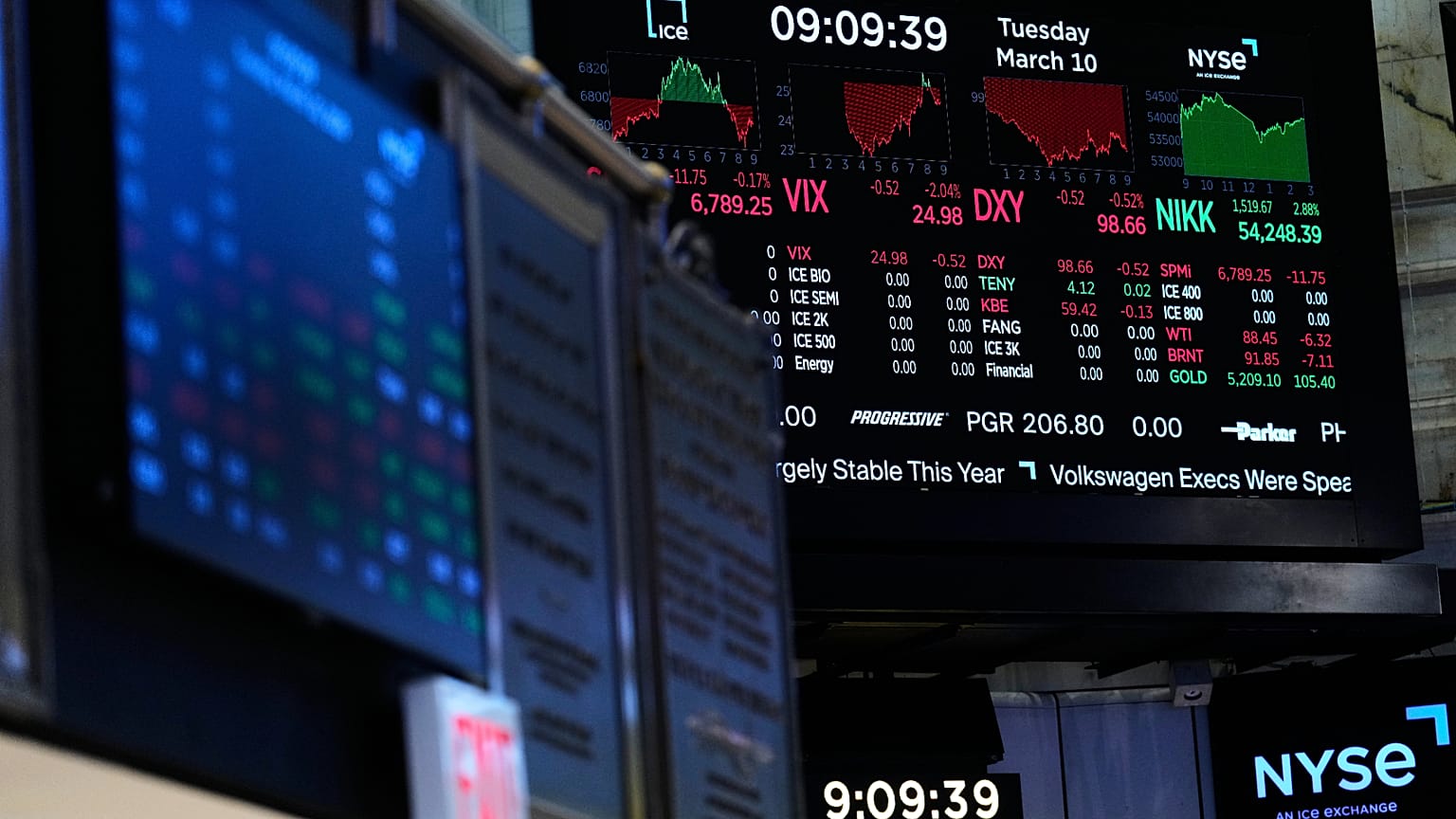
The escalating US-Iran military conflict has created the most significant disruption to global oil markets in history, with Brent crude closing at $103.14 per barrel on March 13, 2026—the highest level in over three years. The Strait of Hormuz, through which approximately 21% of global petroleum passes annually, faces blockade risks as foreign ships encounter ammunition strikes. This geopolitical crisis directly threatens cross-border e-commerce profitability through cascading logistics cost increases.
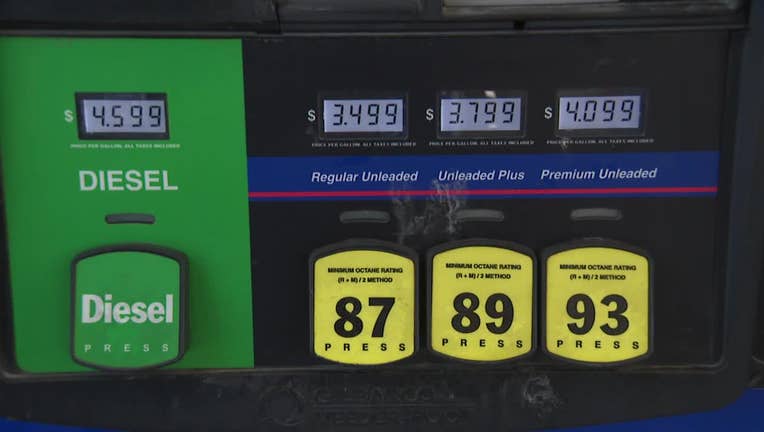
Immediate Operational Impact for Sellers: Fuel surcharges on international shipping are escalating proportionally with crude prices. Air freight costs—already 3-5x ocean freight rates—face the most acute increases, affecting sellers of time-sensitive categories (electronics, fashion, perishables). Ocean freight surcharges typically increase 15-30% when crude exceeds $100/barrel, translating to $200-600 additional monthly costs for sellers shipping 500+ units internationally. Sellers sourcing from oil-dependent manufacturing regions (Southeast Asia, Middle East, North Africa) face compounded pressure through both input cost inflation and logistics expenses. Asian e-commerce sellers shipping to US/EU markets experience the highest impact, as energy conservation measures across Asia are already reducing warehouse efficiency and increasing operational overhead.
Strategic Sourcing Implications: The crisis creates a temporary competitive advantage for sellers with diversified sourcing. Sellers currently sourcing 60%+ from China/Vietnam face maximum exposure to Strait of Hormuz disruptions. Conversely, sellers with established supply chains in Mexico, Eastern Europe, or North America benefit from shorter, less fuel-dependent logistics corridors. The International Energy Agency's emergency release of 400 million barrels and White House sanctions waivers on Russian oil provide temporary price relief, but industry experts warn the conflict will be "longer and harder" than previous crises. EnQuest CEO Amjad Bseisu noted that every day of delay removes 20 million barrels from the market—a metric directly correlating to sustained high fuel costs through at least Q2 2026.
Margin Compression by Category: Product categories with thin margins (apparel, home goods, low-value electronics) face 8-15% margin compression if sellers absorb fuel surcharges. High-margin categories (luxury goods, specialized equipment, collectibles) can maintain profitability through price increases. Sellers of petroleum-based products (plastics, packaging, chemicals) face dual cost pressures: rising crude inputs plus elevated shipping. Consolidation strategies become critical—sellers reducing shipment frequency from weekly to bi-weekly can offset 40-50% of fuel surcharge increases through volume optimization.
Questions 8
When will fuel costs stabilize for cross-border e-commerce sellers?
Industry experts predict sustained high oil prices through at least Q2 2026, with the conflict described as 'longer and harder' than previous crises. The International Energy Agency released 400 million barrels from emergency reserves and the White House waived sanctions on Russian oil exports, providing temporary relief. However, Iran's military claims oil could reach $200/barrel if regional instability escalates. Sellers should plan for elevated fuel costs through June 2026 minimum. Monitor geopolitical developments closely—any escalation in the Strait of Hormuz conflict could trigger additional 10-20% price spikes beyond current $103/barrel levels.
How can sellers mitigate fuel surcharge impacts on their profit margins?
Implement shipment consolidation strategies, reducing frequency from weekly to bi-weekly shipments to offset 40-50% of fuel surcharge increases. Negotiate fixed fuel surcharge rates with 3PL providers through Q2 2026 to lock in current prices. Adjust pricing strategies for high-margin categories to pass through cost increases to consumers. Prioritize inventory of products with higher margins that can absorb 8-15% cost increases. Consider temporary shifts to slower, cheaper ocean freight for non-time-sensitive products. Monitor logistics provider announcements for fuel surcharge updates and adjust pricing accordingly before surcharges are applied.