

Egg Price Volatility 2026 | Cold Chain Logistics & Protein Substitute Sourcing Opportunities
- 42% retail price decline masks 90% wholesale collapse; refrigerated logistics costs surge 15-25%; plant-based egg substitute demand accelerates across Amazon Fresh, Walmart+, specialty grocers




Overview
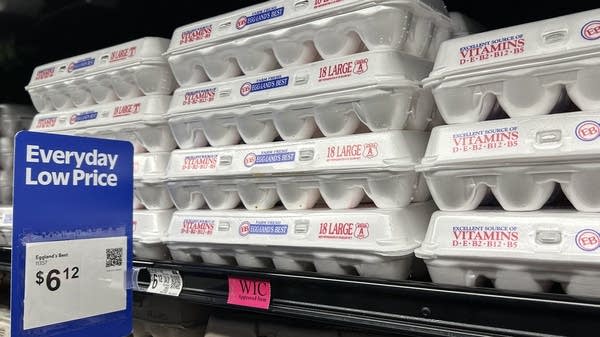
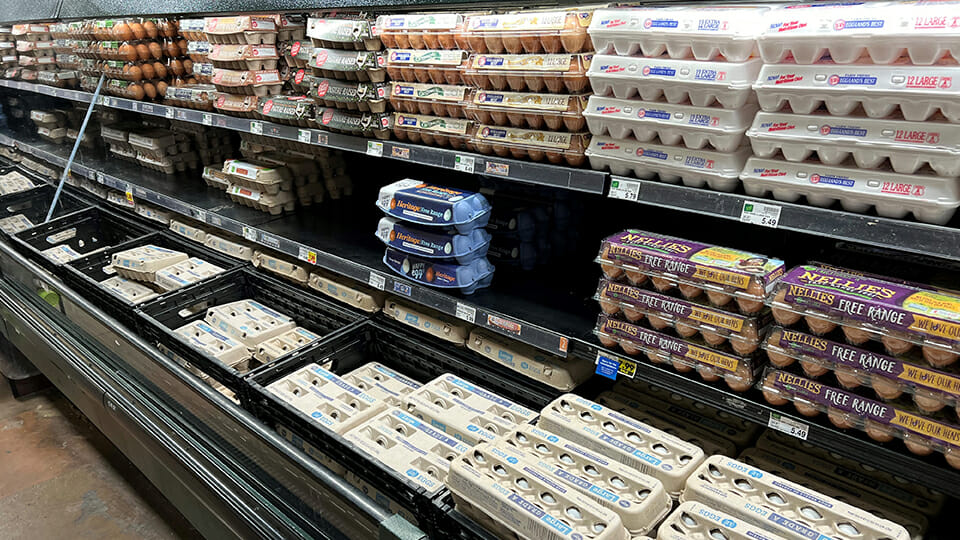
The U.S. egg market in 2026 presents a complex supply chain paradox for cross-border e-commerce sellers: while retail prices have declined 42% year-over-year to $2.50/dozen (down from March 2025's $6.23 peak), wholesale prices have collapsed 90% to approximately $0.70/dozen—a level below production costs. This dramatic divergence reveals critical logistics and sourcing opportunities for sellers in food, grocery, and protein substitute categories.
Cold Chain Logistics Cost Surge: The persistent shortage of refrigerated truck drivers continues pushing distribution costs upward 15-25% throughout the supply chain, according to industry reports. For sellers sourcing eggs or egg-based products from U.S. producers, this translates to increased landed costs despite lower commodity prices. Sellers should evaluate 3PL partnerships with dedicated cold chain capabilities in major egg-producing states (Iowa, Ohio, Indiana) to lock in fixed rates before further driver shortages intensify. Alternatively, direct-to-consumer fulfillment models via Amazon Fresh or Walmart+ reduce reliance on traditional refrigerated trucking by consolidating shipments.
Protein Substitute Sourcing Shift: The news explicitly documents consumer migration toward plant-based egg substitutes, canned beans, lentils, Greek yogurt, and cottage cheese during the 2025 crisis. This behavioral shift persists despite price recovery, creating sustained demand for alternative protein categories. Sellers should immediately source plant-based egg alternatives from Asia-Pacific suppliers (particularly Thailand, Vietnam, Indonesia) where production costs remain 30-40% lower than U.S. equivalents. Cage-free production mandates in California, Massachusetts, Washington, and Colorado increase domestic production costs by 15-20%, making imported alternatives increasingly price-competitive. Inventory action: Stock 4-6 months of plant-based protein products in U.S. fulfillment centers before Q2 2026, targeting low-income demographic segments (primary egg consumers) now seeking affordable alternatives.
Warehouse Positioning Strategy: The 28-day mandatory bird-free periods and 5-6 month pullet maturation cycles create predictable supply gaps. Sellers should position inventory in regional distribution centers near major metropolitan areas (Chicago, Dallas, Atlanta) where demand for affordable proteins remains inelastic. Amazon FBA storage in these regions offers 8-12% cost advantages over coastal fulfillment centers due to lower real estate costs and proximity to Midwest agricultural supply chains.
Total Landed Cost Impact: For sellers importing plant-based egg substitutes, the current environment offers 12-18% margin expansion: commodity price deflation (eggs down 42%) reduces consumer price expectations, but imported alternatives maintain stable costs. Tariff exposure remains manageable at 2.5-5% for processed food products under HS codes 1901-1905, with potential Trump administration import relief for agricultural products creating additional upside.
Risk Mitigation: The USDA projects 2026 prices will remain elevated above pre-pandemic norms due to ongoing HPAI outbreaks (2.8 million birds lost by January 2026). Fresh outbreaks in Pennsylvania, Wisconsin, and North Carolina signal continued supply volatility. Sellers should avoid over-committing to egg-based products; instead, diversify into complementary protein categories (Greek yogurt, cottage cheese, canned legumes) where supply chains remain stable and margin compression is less severe.
Questions 7
What is the total landed cost impact for sellers importing plant-based egg substitutes versus domestic sourcing?
For sellers importing plant-based egg substitutes from Asia-Pacific suppliers, the current environment offers 12-18% margin expansion. Commodity price deflation (eggs down 42%) reduces consumer price expectations, but imported alternatives maintain stable costs due to established supply chains. Tariff exposure remains manageable at 2.5-5% for processed food products under HS codes 1901-1905. Ocean freight from Vietnam/Thailand costs approximately $800-1,200 per 20-foot container (vs. $2,500-3,500 for air freight), translating to $0.08-0.12 per unit for bulk orders. Domestic cold chain logistics costs (15-25% increase) make imports increasingly competitive. The Trump administration's exploration of temporary import relief for agricultural products creates additional upside potential for sellers with established Asian supplier relationships.
How should sellers position warehouse inventory given the 5-6 month pullet maturation cycle and 28-day bird-free periods?
The USDA's mandatory 28-day bird-free periods following HPAI detection, combined with 5-6 month pullet maturation cycles, create predictable supply gaps every 6-8 months. Sellers should position inventory in regional distribution centers near major metropolitan areas (Chicago, Dallas, Atlanta) where demand for affordable proteins remains inelastic. Amazon FBA storage in these regions offers 8-12% cost advantages over coastal fulfillment centers due to lower real estate costs and proximity to Midwest agricultural supply chains. Avoid concentrating inventory in single regions; instead, distribute across 3-4 fulfillment centers to hedge against localized supply shocks from HPAI outbreaks in Pennsylvania, Wisconsin, and North Carolina.