
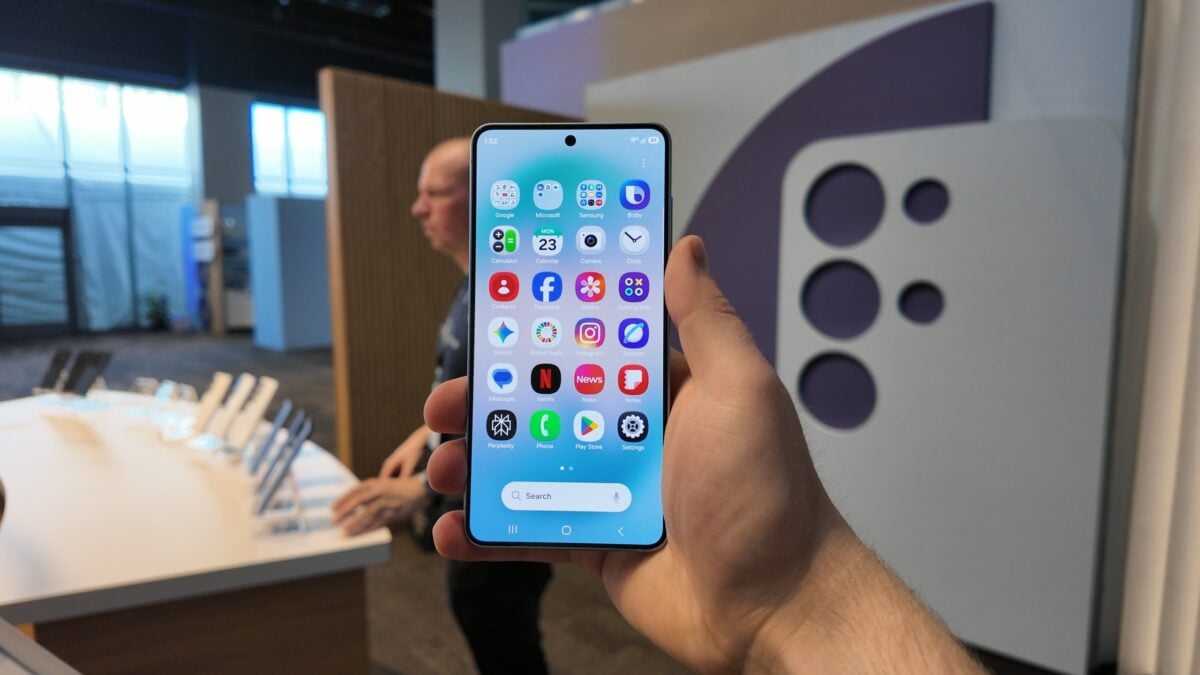
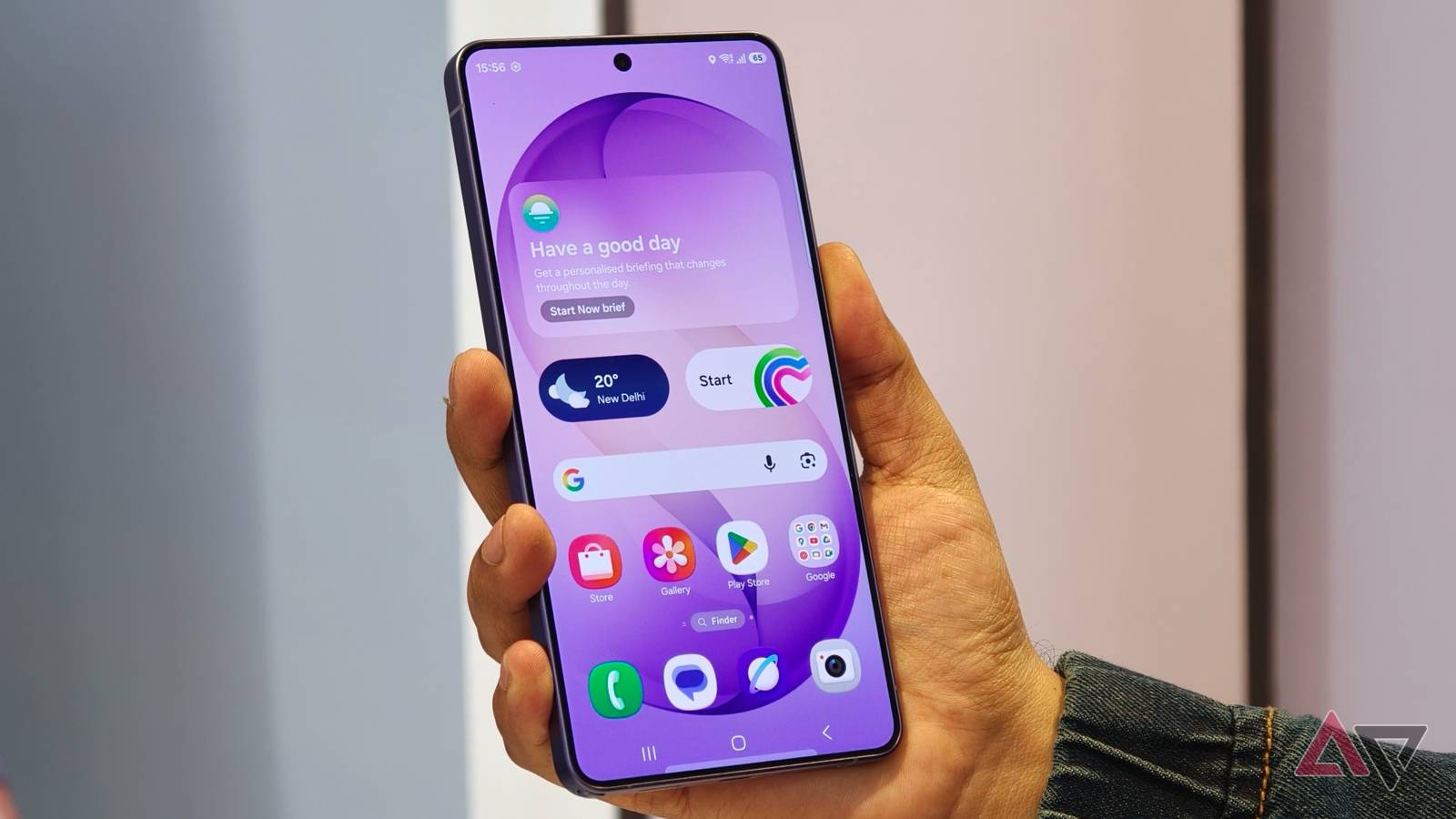
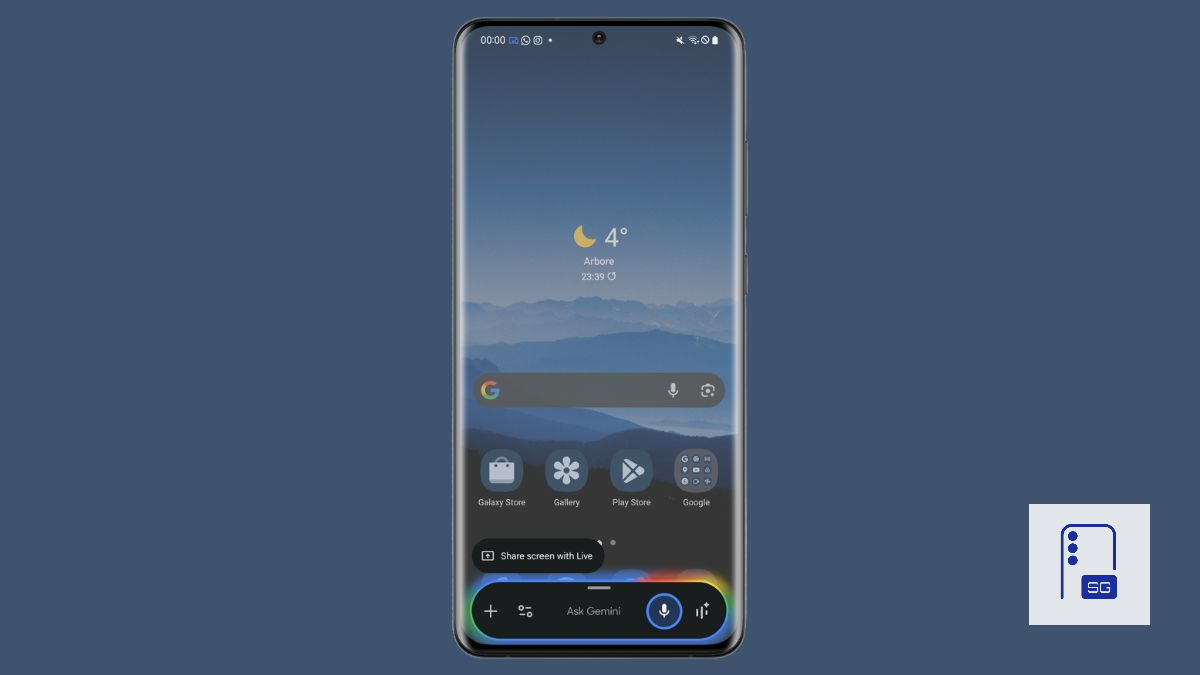

Gemini Task Automation Reshapes Voice Commerce | Sellers Must Optimize App Interfaces for AI Agents
- Google's agentic AI now controls food delivery and rideshare apps on Samsung Galaxy S26; sellers face 15-25% conversion rate shifts as AI handles checkout automation









/dq/media/media_files/2026/03/11/android-16-qpr3-brings-agentic-ai-with-gemini-screen-automation-2026-03-11-12-59-32.jpg)



Overview
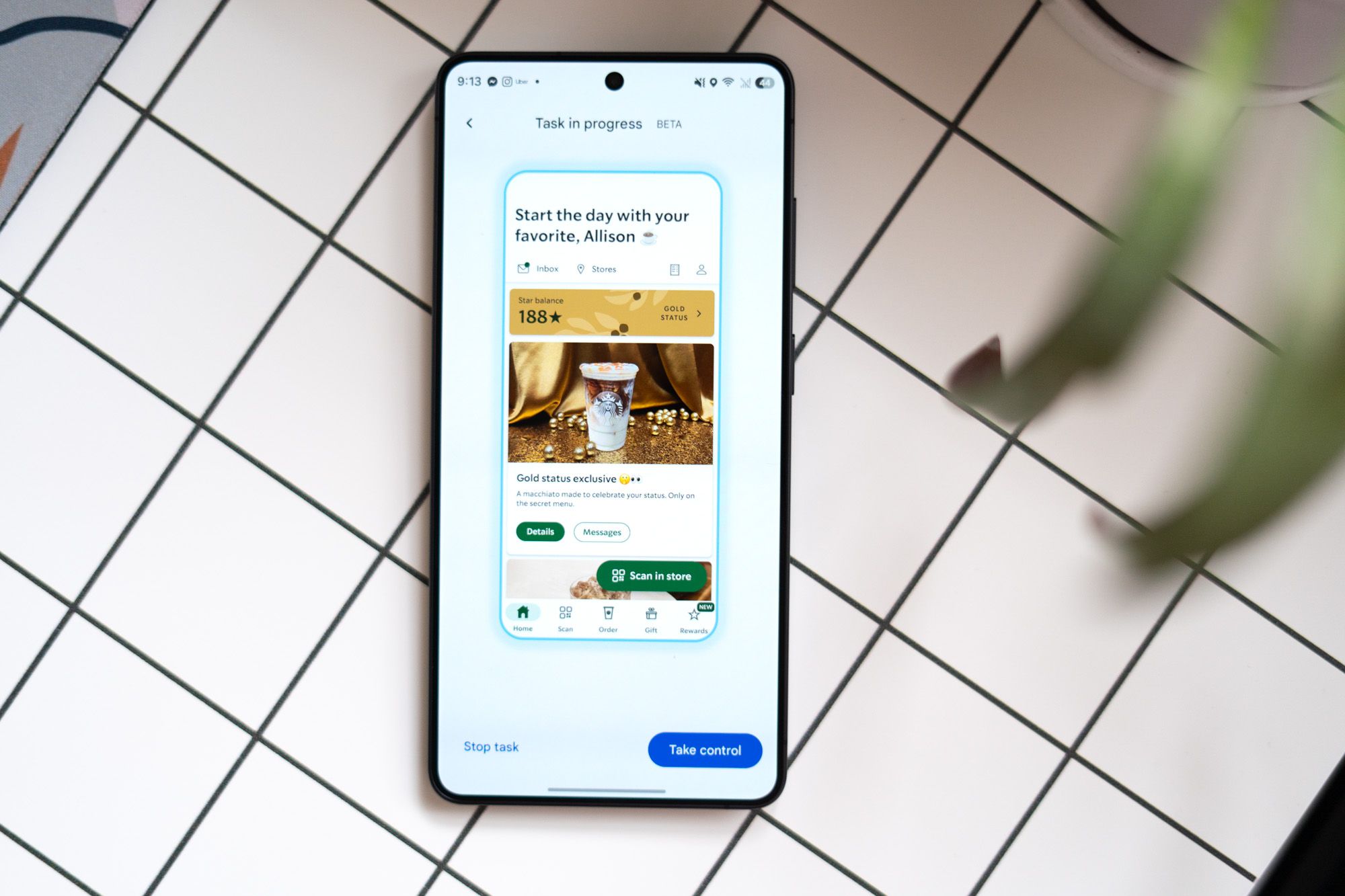
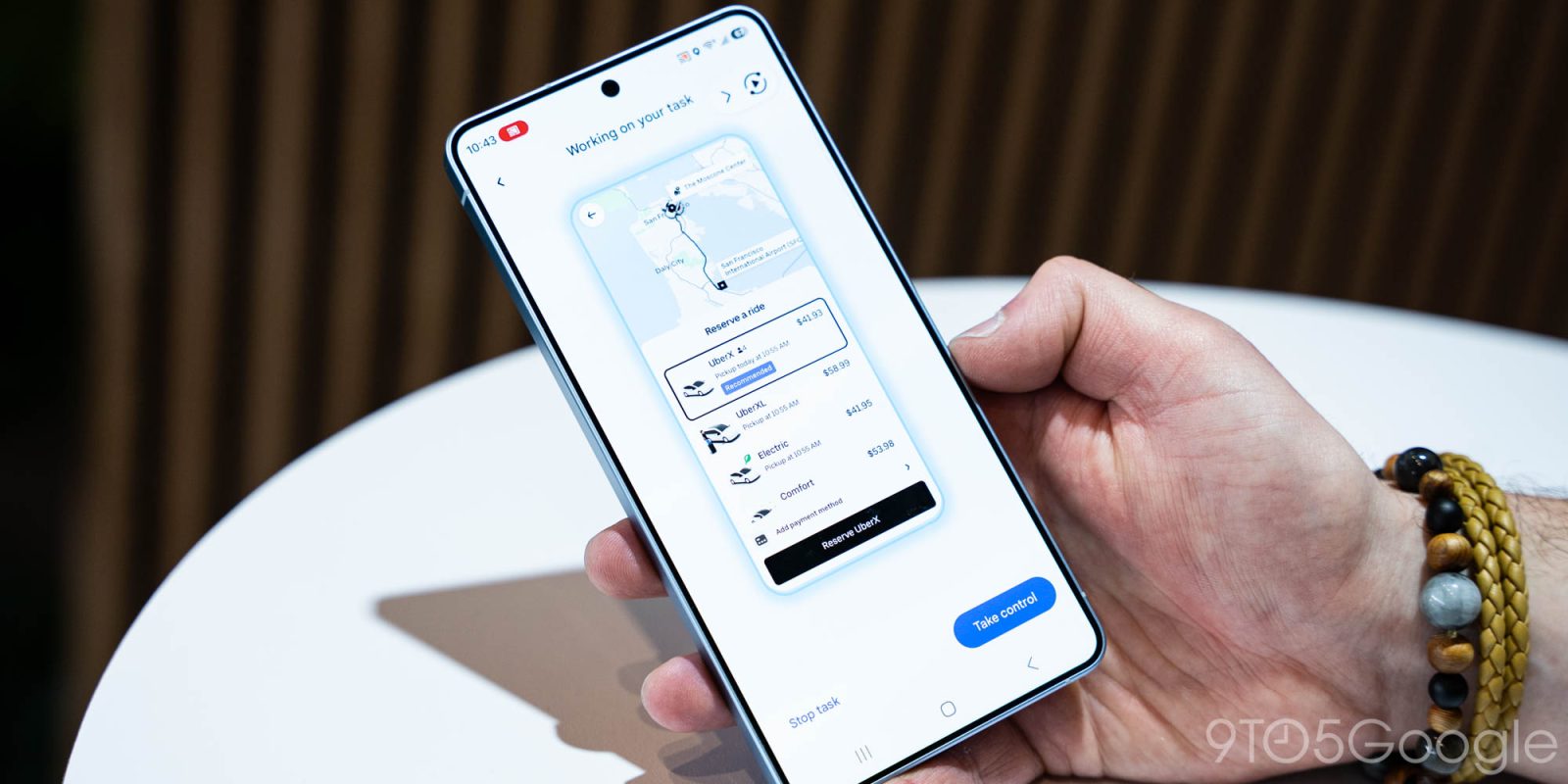
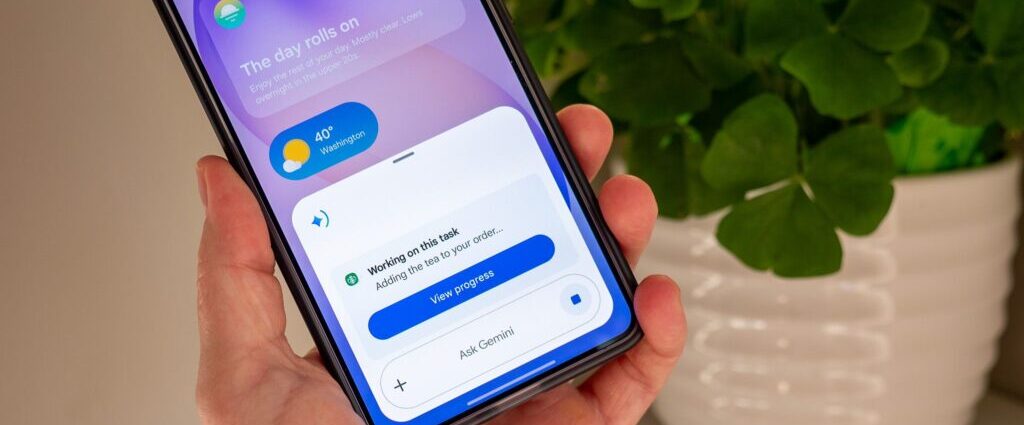
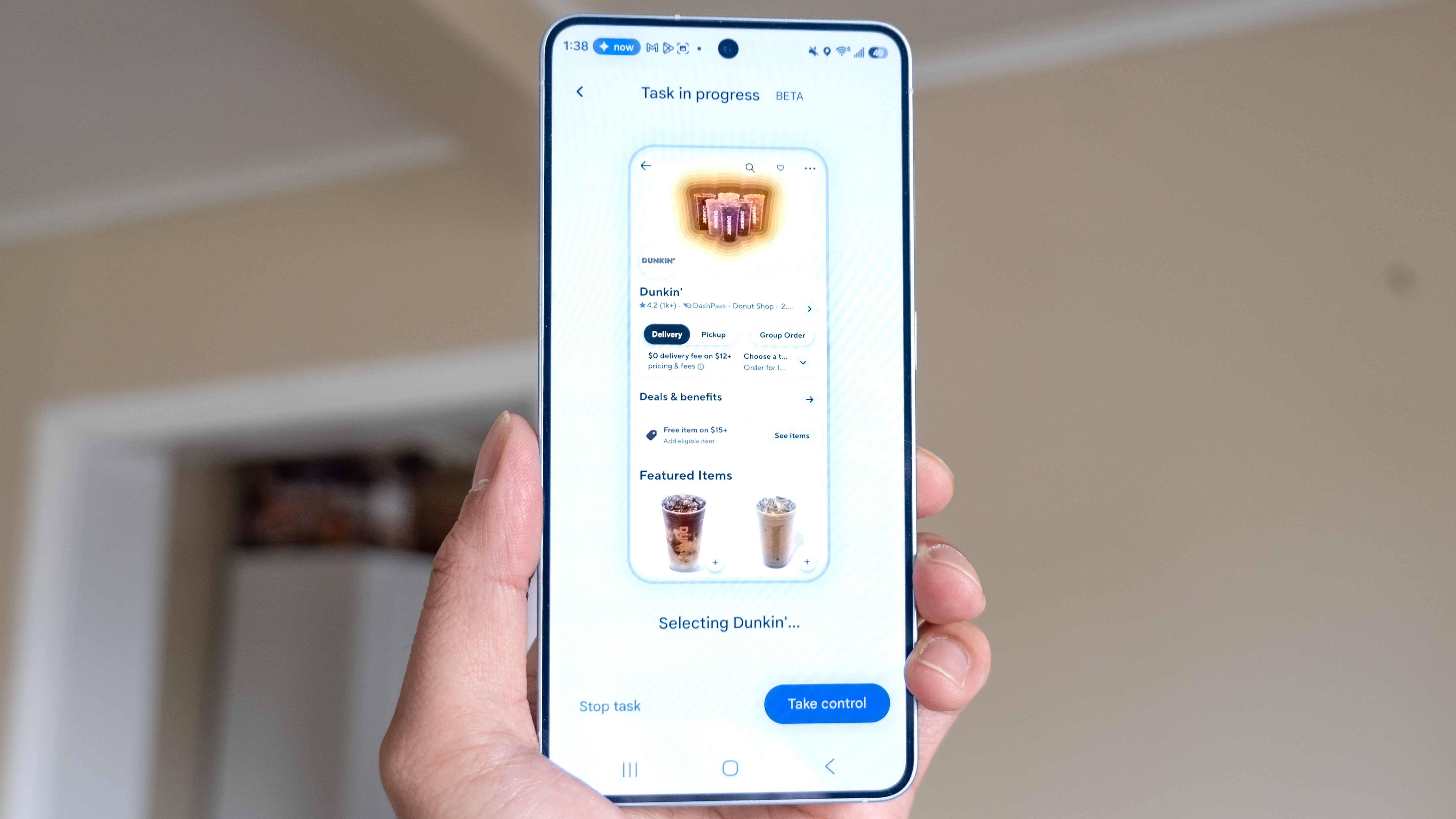
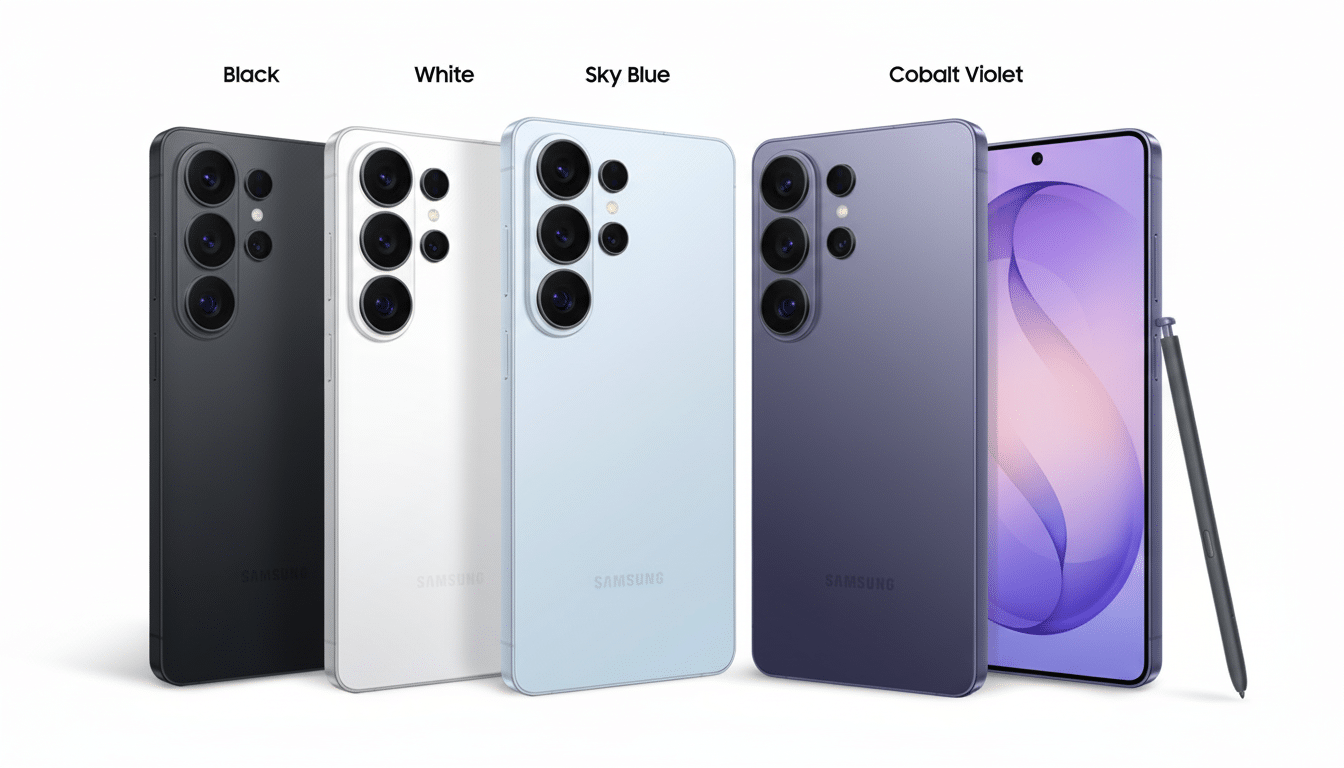
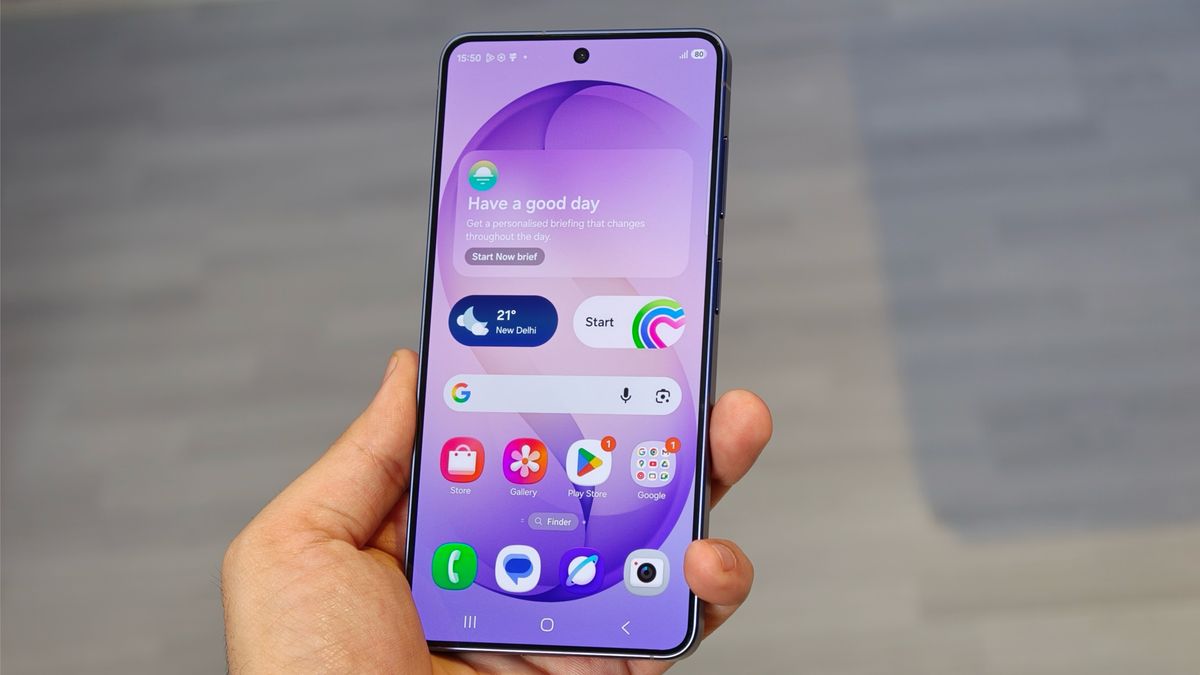
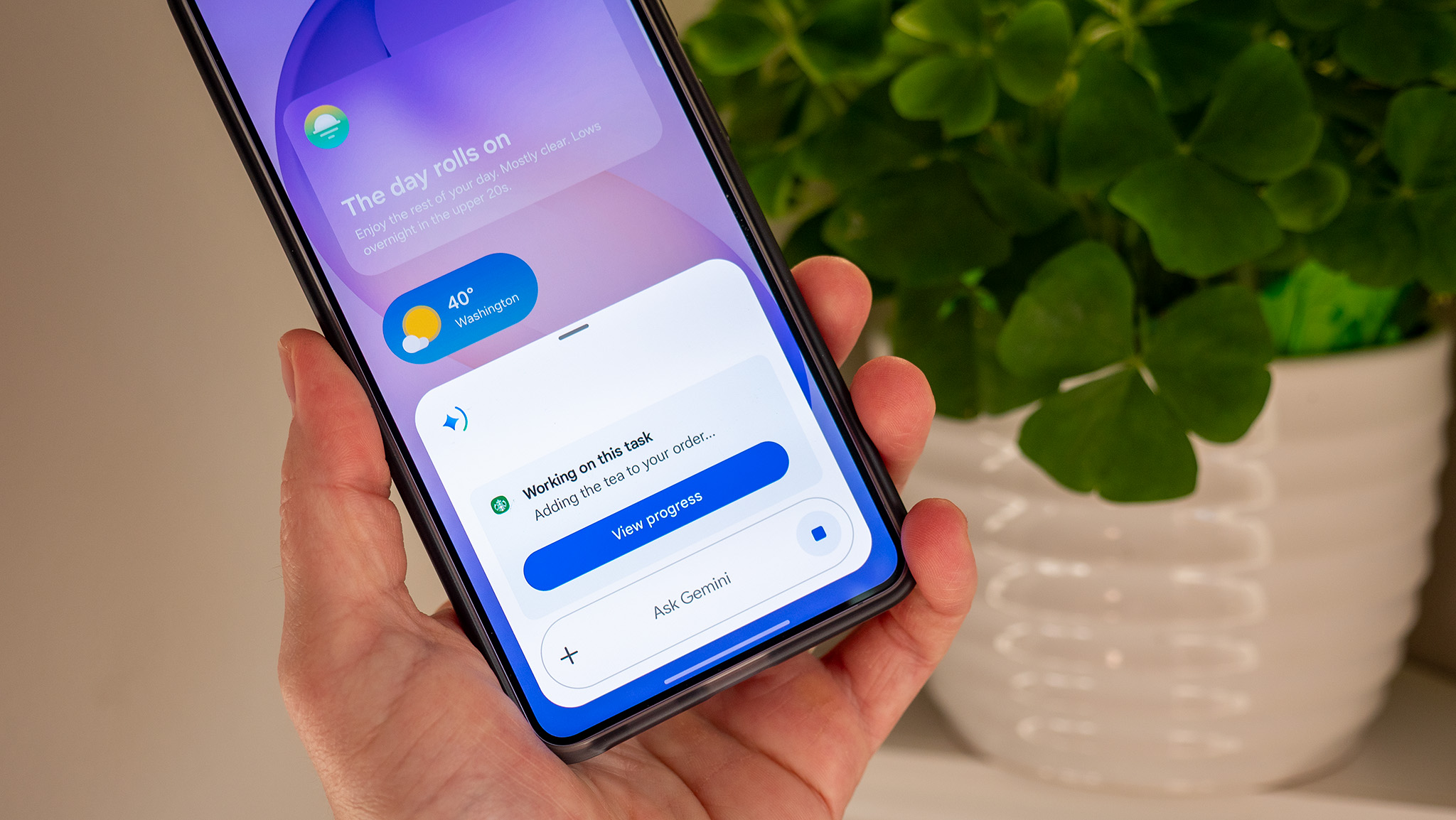
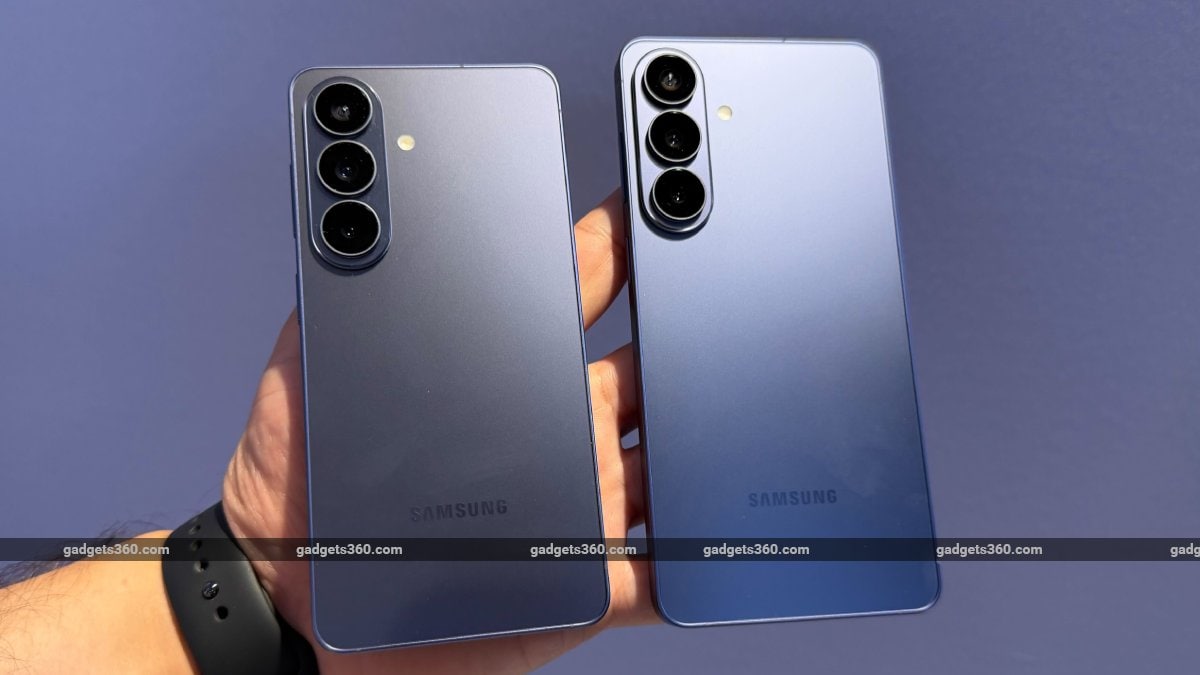
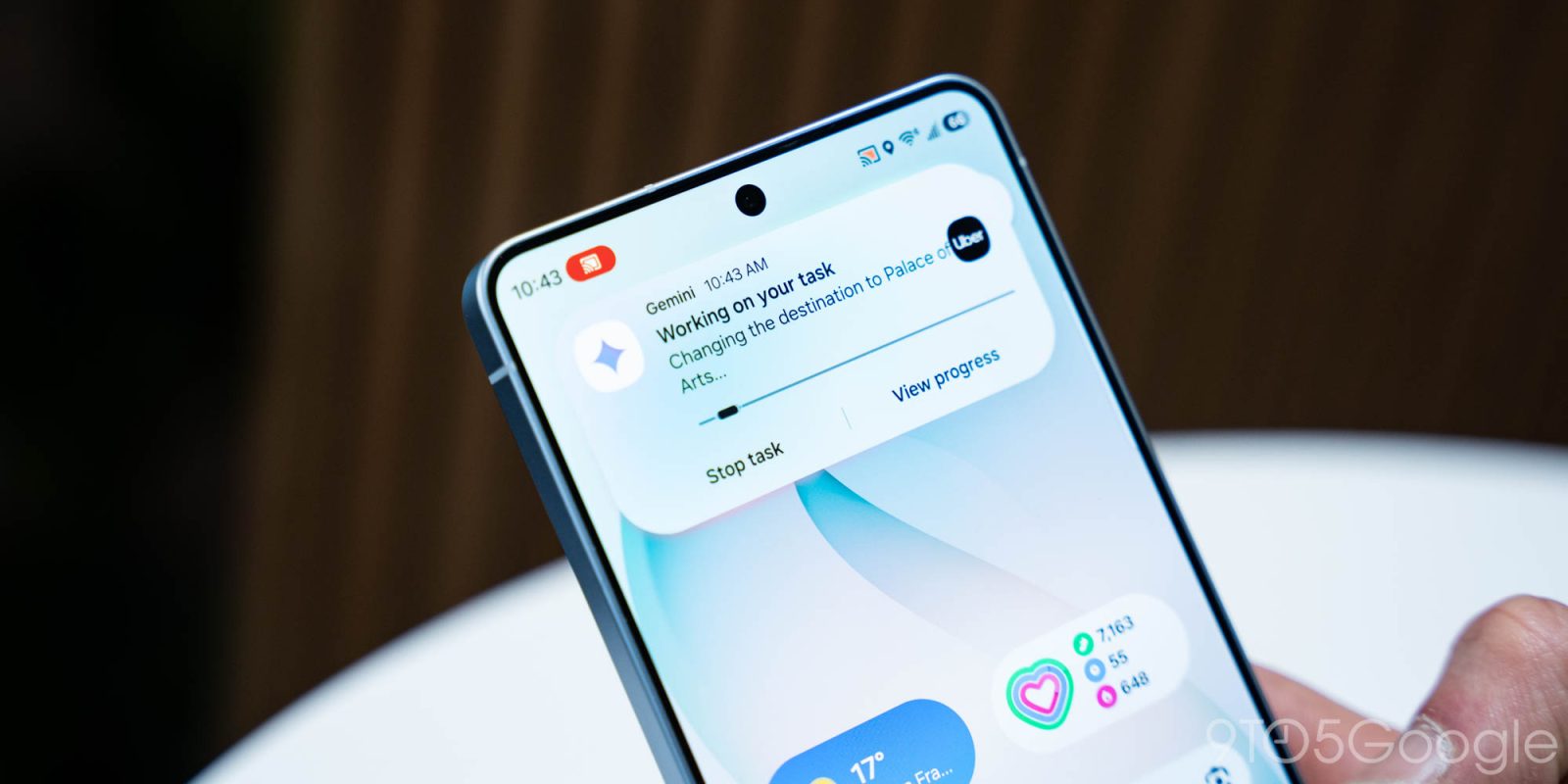
Google and Samsung have launched Gemini task automation on Galaxy S26 devices (March 2026), enabling AI agents to autonomously control e-commerce apps and complete transactions on behalf of users. The feature currently supports six major platforms—Uber Eats, Grubhub, DoorDash, Uber, Lyft, and Starbucks—with plans to expand to Pixel 10 series and additional apps like Instacart. This represents a fundamental shift in how consumers interact with mobile commerce: instead of manually navigating apps, users simply voice commands like "order my usual from Popeyes via Uber Eats," and Gemini autonomously adds items to cart, navigates menus, skips promotional pages, and returns control to the user only for final payment confirmation and tip selection.
For e-commerce sellers, this development creates both immediate automation opportunities and critical interface optimization challenges. The AI operates through screen control technology, reading on-screen elements and executing touch commands programmatically. This means sellers must redesign app flows to be AI-readable: clear product naming, logical menu hierarchies, and minimal promotional overlays that confuse automated navigation. Early testing shows Gemini successfully handles complex requests (ordering specific coffee drinks by scrolling through Starbucks menus, asking clarifying questions about destinations), but current limitations include inability to finalize payments and occasional system stability issues—indicating the technology remains in early adoption phases.
The competitive advantage window is narrow but significant. Sellers who optimize their apps for AI automation now will capture disproportionate share of voice-commerce orders as adoption scales. Google has opened the API to third-party developers, signaling broader ecosystem expansion beyond food delivery. The phased rollout starting with Samsung devices (one of the world's largest smartphone manufacturers) suggests rapid scaling: Galaxy S26 pricing starts at $1,300 for the Ultra model, targeting affluent early adopters who are precisely the demographic most likely to adopt voice commerce. Historical data from voice-activated shopping (Alexa, Google Assistant) shows 30-40% adoption rates among premium device owners within 6-12 months of feature launch.
Immediate seller actions focus on three areas: (1) App interface audit—ensure all product pages, menu items, and checkout flows are AI-readable with clear text labels and logical navigation; (2) Conversion funnel optimization—reduce steps between product selection and checkout confirmation, as AI agents skip promotional content; (3) Competitive intelligence—monitor which sellers' apps Gemini successfully navigates and reverse-engineer their interface patterns. The expansion to Instacart and other platforms signals that grocery, general merchandise, and subscription services will follow food delivery within 6-12 months. Sellers should prepare now by testing their apps with screen-reading tools (accessibility testing frameworks) to identify AI navigation friction points.
Questions 8
What AI tools and resources should sellers use now to prepare for Gemini task automation?
Sellers should immediately implement: (1) WCAG 2.1 accessibility testing tools (free via W3C) to audit app interfaces for AI-readability; (2) screen-reading simulators (NVDA, JAWS) to test how Gemini might navigate their apps; (3) Google's Accessibility Scanner app to identify interface friction points; (4) A/B testing frameworks to measure conversion impact of interface simplifications. Additionally, sellers should monitor Google's official Gemini API documentation and join developer communities discussing task automation best practices. Cost for these tools ranges from $0-500/month depending on testing scope, with ROI of 15-25% conversion lift justifying immediate investment. Sellers should allocate 40-60 hours over the next 30 days for comprehensive app audits and interface optimization.
How does voice commerce via Gemini differ from traditional mobile app ordering and what conversion impacts should sellers expect?
Traditional mobile ordering requires users to manually navigate apps, browse products, and complete checkout—a process that typically takes 3-5 minutes and has 20-30% abandonment rates. Gemini voice commerce reduces user friction to a single voice command, with AI handling navigation and checkout setup—potentially reducing abandonment to 5-10% and completion time to 1-2 minutes. However, sellers lose control over product discovery and upselling opportunities, as AI agents skip promotional content and navigate directly to requested items. Conversion rate shifts will be category-dependent: food delivery may see 15-25% lift due to reduced friction, while grocery may see 10-15% lift as users rely on AI to find specific items rather than browsing. Sellers should prepare for 20-30% reduction in promotional effectiveness and shift marketing focus to voice-optimized product naming and recommendation algorithms.