



AI-Powered Dating Apps Drive $2.8B Merchandise Opportunity | Gen Z Consumer Behavior Shift
- 26% of U.S. singles use AI for dating profiles (333% YoY growth); sellers can capitalize on lifestyle, fashion, and event-driven product categories targeting Gen Z dating culture














Overview
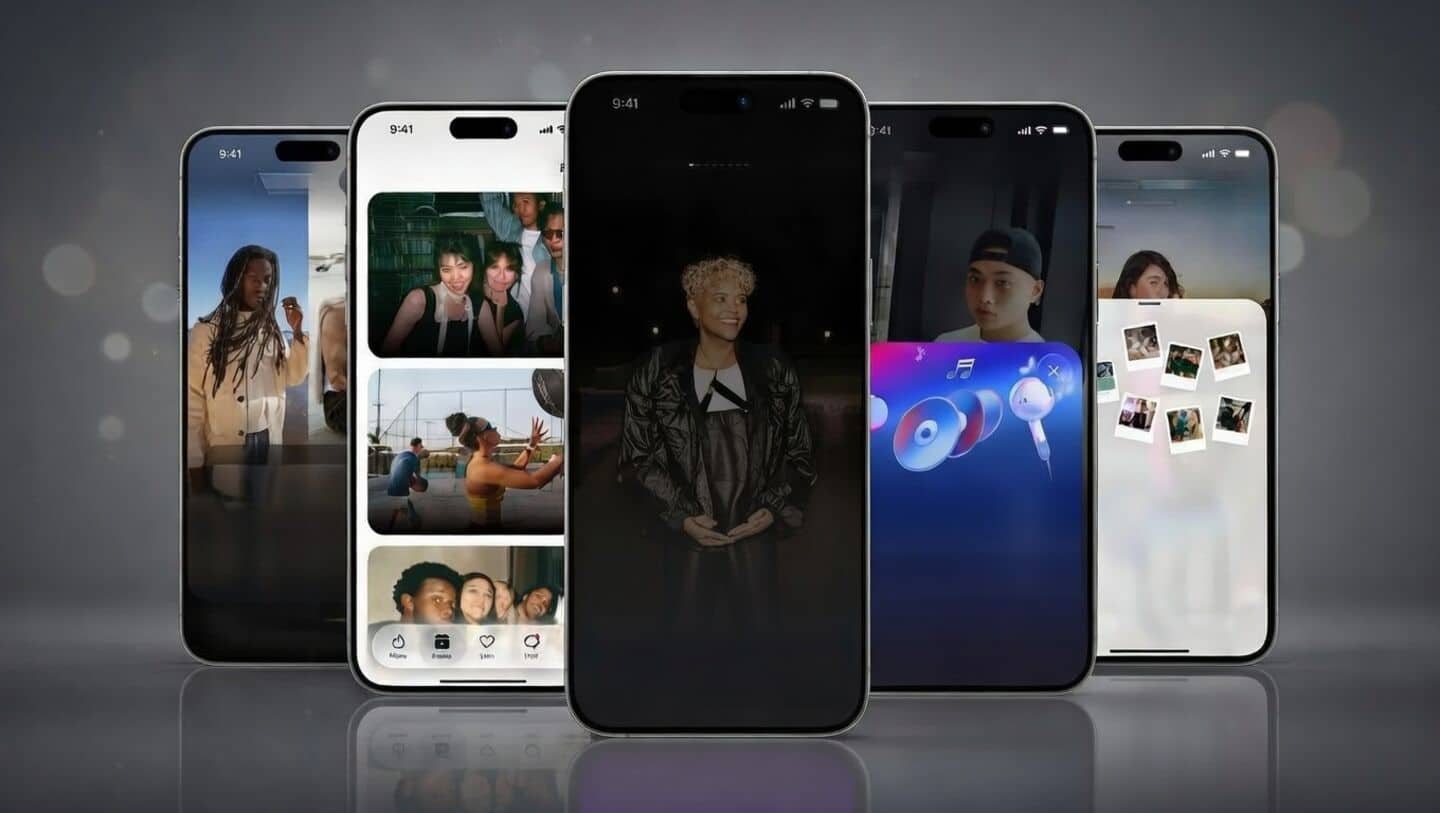
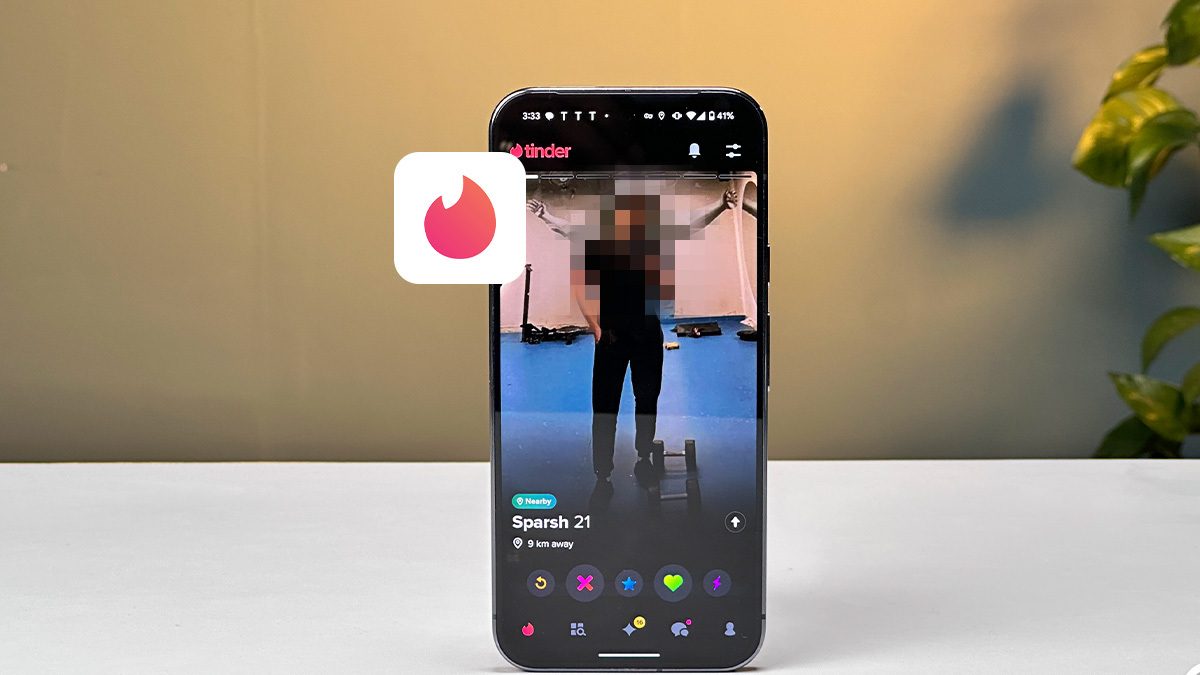
Tinder's launch of AI-powered matching features and spring 2025 virtual speed dating events signals a fundamental shift in how Gen Z (over 50% of Tinder's user base) approaches dating and self-presentation. The platform's AI chemistry assessment—already deployed in Australia and New Zealand—analyzes user personality through questionnaires and Camera Roll Scan technology to provide daily curated recommendations. This mirrors a broader industry trend: Bumble, Grindr, and Match Group properties are all investing heavily in AI to combat declining user engagement. The critical insight for e-commerce sellers: 26% of U.S. singles reported using AI to enhance dating profiles in 2024, representing a 333% year-over-year increase from 2023. This explosive growth reveals a massive consumer behavior shift with direct product implications.
The AI-Enhanced Dating Profile Merchandise Opportunity: Users deploying AI tools to generate bios, alter photos, and create pickup lines are simultaneously investing in the physical products that support this digital self-presentation. This creates cascading demand across multiple e-commerce categories: premium fashion (dating outfit upgrades), grooming products (skincare, haircare for profile photos), photography equipment (ring lights, tripods for better selfies), and lifestyle accessories (travel gear for in-person meetups). The spring 2025 speed dating events launching on Tinder will drive seasonal demand for event-appropriate clothing, accessories, and grooming products—similar to how Valentine's Day drives 15-20% category spikes in apparel and beauty.
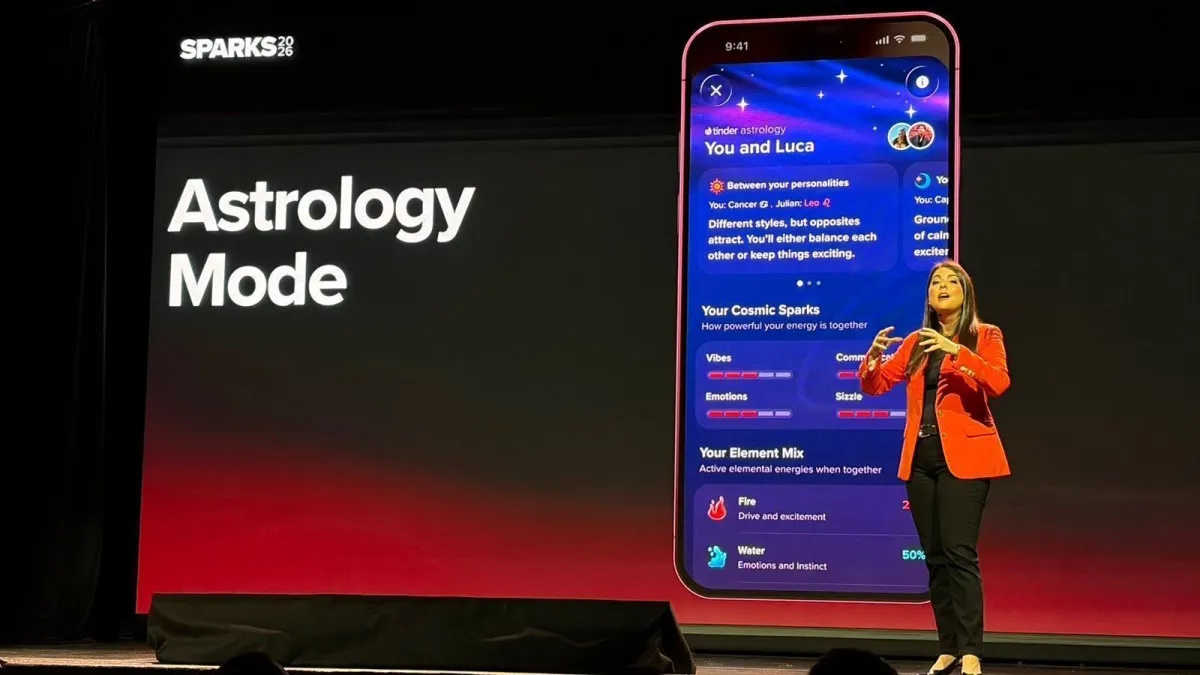
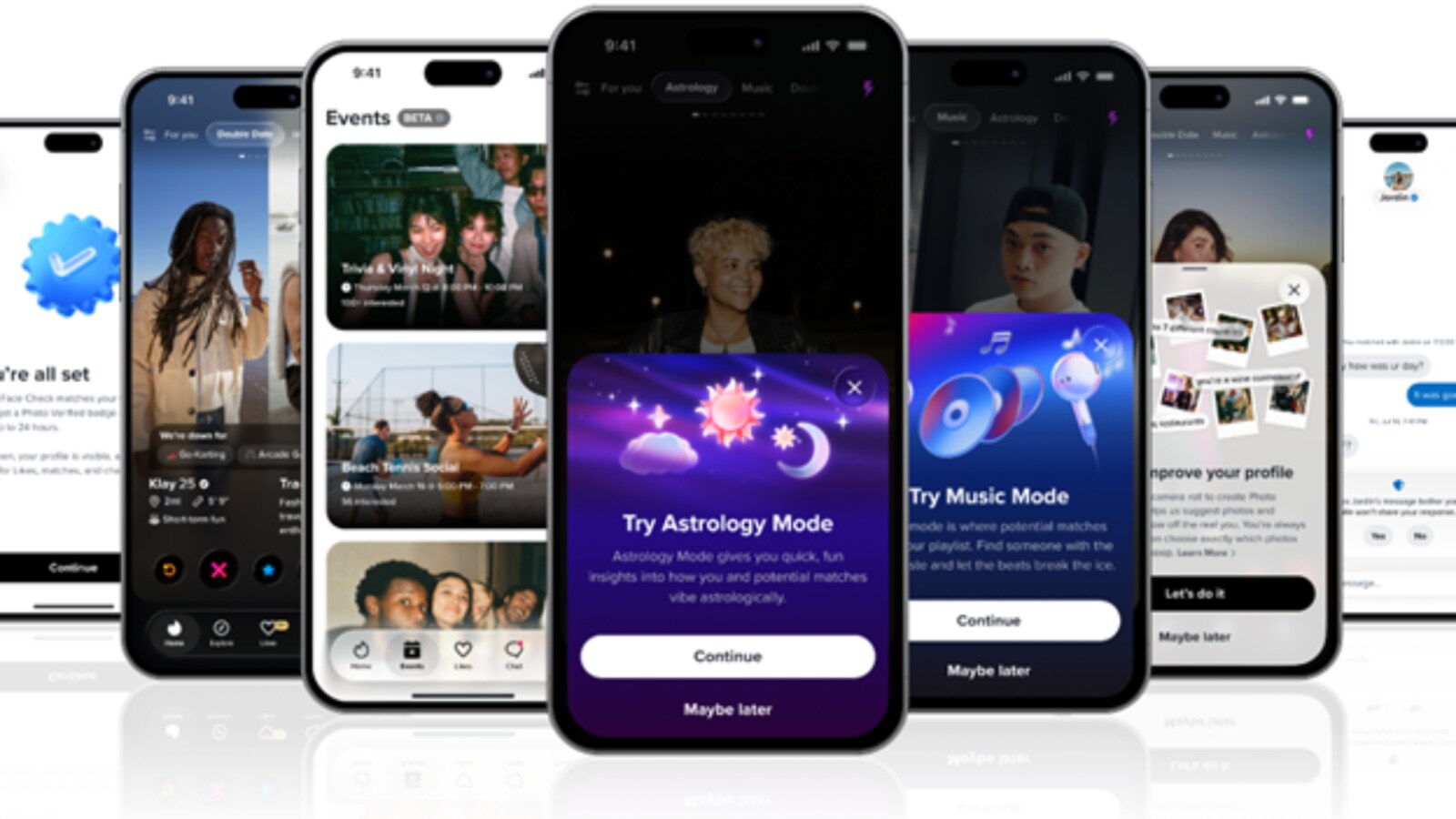
AI Safety Features Create Trust-Building Product Demand: Tinder's "are you sure?" alert system flagging harmful language addresses a critical pain point: 60% of dating app users report encountering AI-generated conversations (Norton study). This safety focus signals platform-wide emphasis on authenticity, which paradoxically increases demand for products that enhance genuine self-presentation. Sellers should expect increased interest in premium grooming, fashion, and photography products as users invest in "authentic" profile presentation. The astrology mode integration and events discovery features further expand product opportunities in niche lifestyle categories (astrology merchandise, event-appropriate apparel).
Competitive Intelligence for Sellers: The 333% growth in AI profile enhancement adoption indicates Gen Z consumers are highly receptive to technology-enabled self-improvement. Sellers can leverage this trend through AI-powered product recommendations on their own platforms, dynamic pricing based on dating event calendars, and targeted marketing campaigns around Tinder's spring 2025 launch. Cross-border sellers targeting Gen Z demographics should prioritize inventory in fashion, beauty, and lifestyle categories, with particular focus on products supporting "authentic" digital self-presentation.
Questions 8
How should sellers price products targeting dating app users?
Implement dynamic pricing strategies that align with dating event calendars and seasonal peaks. Historical data shows Valentine's Day drives 15-20% category spikes in apparel and beauty. Tinder's spring 2025 speed dating events will likely create similar seasonal demand. Price premium products (high-end grooming, designer fashion) 10-15% higher during peak dating seasons, while offering bundle discounts on complementary items (outfit + grooming + photography gear). Monitor competitor pricing on Amazon and Shopify, but emphasize product quality and authenticity messaging to justify premium positioning. Consider subscription models for grooming products, capitalizing on the recurring nature of dating app usage and profile updates.
What regional opportunities exist for cross-border sellers in dating app merchandise?
Tinder's AI chemistry assessment is already deployed in Australia and New Zealand, with spring 2025 expansion planned globally. Cross-border sellers should prioritize inventory in these regions first, then expand to North America and Europe as features roll out. Gen Z demographics vary by region: U.S. singles show 26% AI profile enhancement adoption, but adoption rates in Asia-Pacific and Europe may differ. Research regional fashion preferences, grooming standards, and lifestyle trends to customize product selection. The global rollout of Tinder's features creates a 12-18 month window for sellers to establish market position in each region before competition intensifies.