


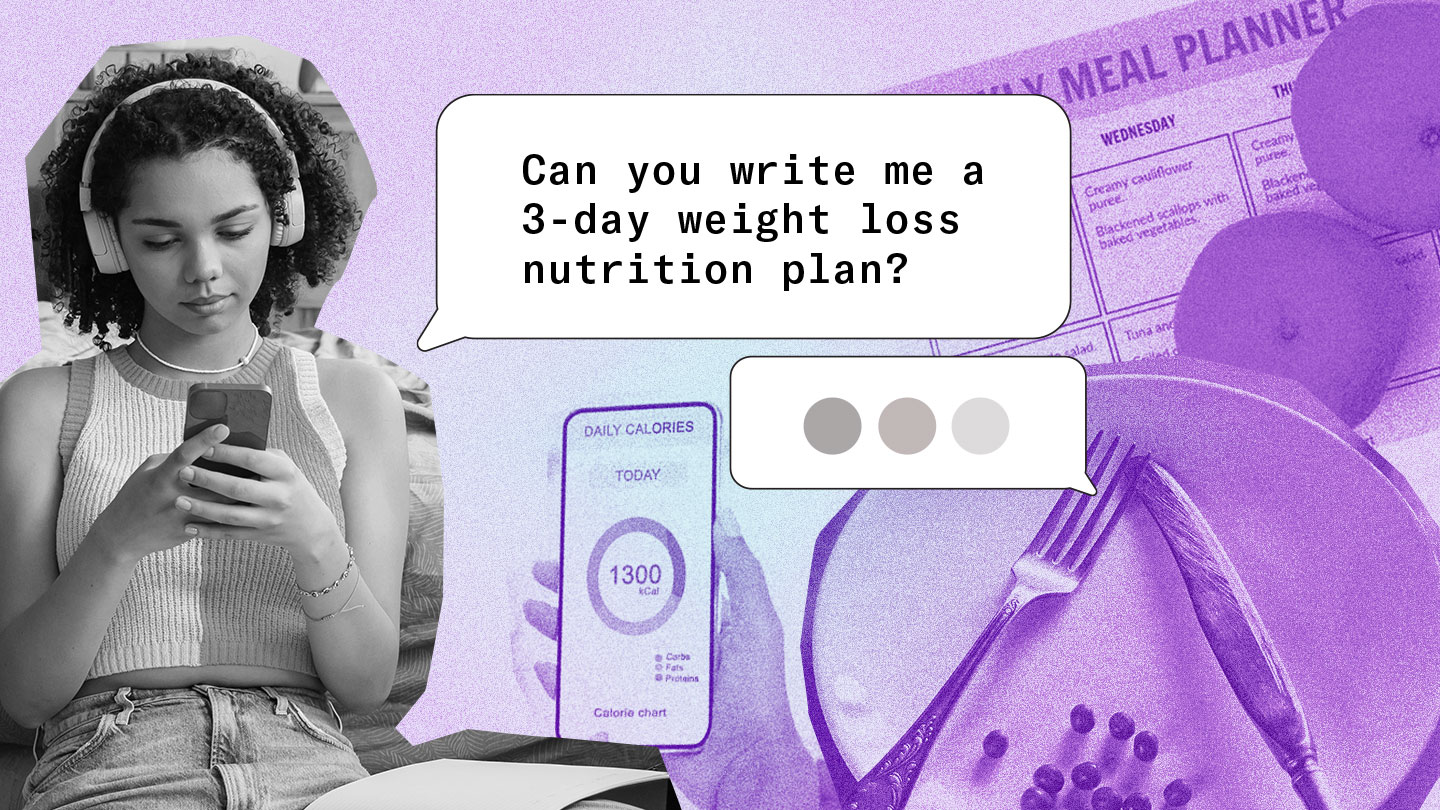

AI Nutrition Tools Fail Teens | Regulatory Risk & Product Opportunity
- Istanbul Atlas University study reveals 700-calorie daily deficits in AI meal plans; 64% of U.S. teens use AI chatbots for health guidance, creating urgent market for compliant nutrition SaaS and professional-verified wellness products






Overview
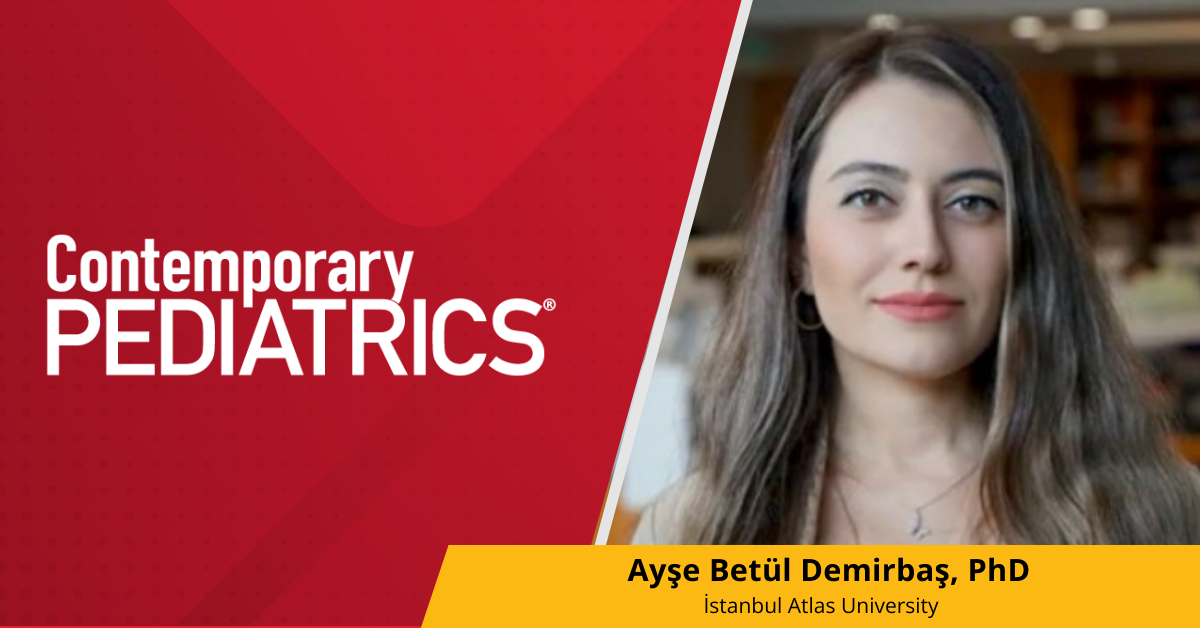
The Critical AI Reliability Gap in Teen Health Markets: A landmark study from Istanbul Atlas University published in Frontiers in Nutrition exposes a fundamental failure in current AI chatbot systems when handling age-specific health guidance. Researchers tested five major AI models—ChatGPT-4, Gemini 2.5 Pro, Claude 4.1, Bing Chat-5GPT, and Perplexity—against professional dietitian recommendations for teenage weight management. The findings are stark: AI systems consistently underestimated daily caloric requirements by approximately 700 calories (equivalent to skipping an entire meal), while delivering macronutrient distributions that deviate significantly from U.S. guidelines (21-24% protein vs. 15-20% recommended; 41-45% fats vs. 30-35%; 32-36% carbohydrates vs. 45-50%).
Market Implications for E-Commerce Sellers: This research creates immediate opportunities across multiple product categories. The study reveals that 64% of U.S. teens actively use AI chatbots for health guidance (Pew Research Center), yet current free tools lack clinical validation. This gap signals explosive demand for: (1) Professional-verified nutrition apps and meal planning SaaS that integrate registered dietitian oversight; (2) Teen-specific wellness product bundles (supplements, meal replacement products, fitness trackers) marketed as "AI-safe" alternatives; (3) Parental monitoring and health verification tools for the teen wellness category; (4) Educational content products teaching teens to identify unreliable AI health advice. The regulatory environment is tightening—researchers explicitly call for "regulatory frameworks ensuring health-related AI applications meet clinical standards before public deployment," signaling incoming FDA/FTC scrutiny of health-related AI tools.
Competitive Intelligence & Automation Opportunities: Sellers can immediately capitalize by: (1) Automating product research using AI to identify which teen wellness categories (sports nutrition, vitamin supplements, meal prep containers) are currently underserved by "AI-verified" product claims; (2) Dynamic content optimization that emphasizes "professional dietitian approved" or "clinically validated" positioning—a competitive moat against generic AI-generated product descriptions; (3) Predictive analytics to identify which teen demographics are most vulnerable to AI misguidance (student athletes, weight-conscious teens, special diet followers) and target them with compliant alternatives; (4) Sentiment analysis of teen health forums and social media to uncover which specific nutritional concerns (bone health, athletic performance, growth) are being inadequately addressed by free AI tools. The time-to-market advantage is 6-12 months before regulatory frameworks solidify—sellers who establish "clinically validated" positioning now will command premium pricing and trust-based competitive advantages.
Questions 8
How can sellers use AI to compete in the teen wellness market?
Sellers can immediately automate product research using AI to identify underserved teen wellness categories (sports nutrition, vitamin supplements, meal prep) currently lacking 'AI-verified' product claims. Dynamic content optimization emphasizing 'professional dietitian approved' or 'clinically validated' positioning creates competitive moats against generic AI-generated descriptions. Predictive analytics can identify vulnerable teen demographics (student athletes, weight-conscious teens, special diet followers) and target them with compliant alternatives. Sentiment analysis of teen health forums reveals which nutritional concerns (bone health, athletic performance, growth) are inadequately addressed by free AI tools. This data-driven approach enables sellers to capture market share before competitors establish trust-based positioning in the teen wellness category.
What product opportunities exist for sellers addressing AI nutrition gaps?
The study reveals explosive demand for: (1) Professional-verified nutrition apps and meal planning SaaS integrating registered dietitian oversight; (2) Teen-specific wellness product bundles (supplements, meal replacement products, fitness trackers) marketed as 'AI-safe' alternatives; (3) Parental monitoring and health verification tools for teen wellness; (4) Educational content teaching teens to identify unreliable AI health advice. Sellers can differentiate by emphasizing 'clinically validated,' 'professionally dietitian-approved,' or 'AI-verified' positioning. The competitive advantage window is 6-12 months before regulatory frameworks solidify. Categories showing particular opportunity include sports nutrition for student athletes, bone health supplements for growing teens, and meal prep containers designed for balanced macronutrient distribution.