



Measles Outbreak Surge 2026 | Health Product Demand & Supply Chain Opportunities for E-Commerce Sellers
- 1,300 confirmed cases in Q1 2026 across 30 US states drives demand for health/wellness products, protective equipment, and telehealth services; sellers in medical supplies, vitamins, and home healthcare categories face inventory planning challenges

Overview
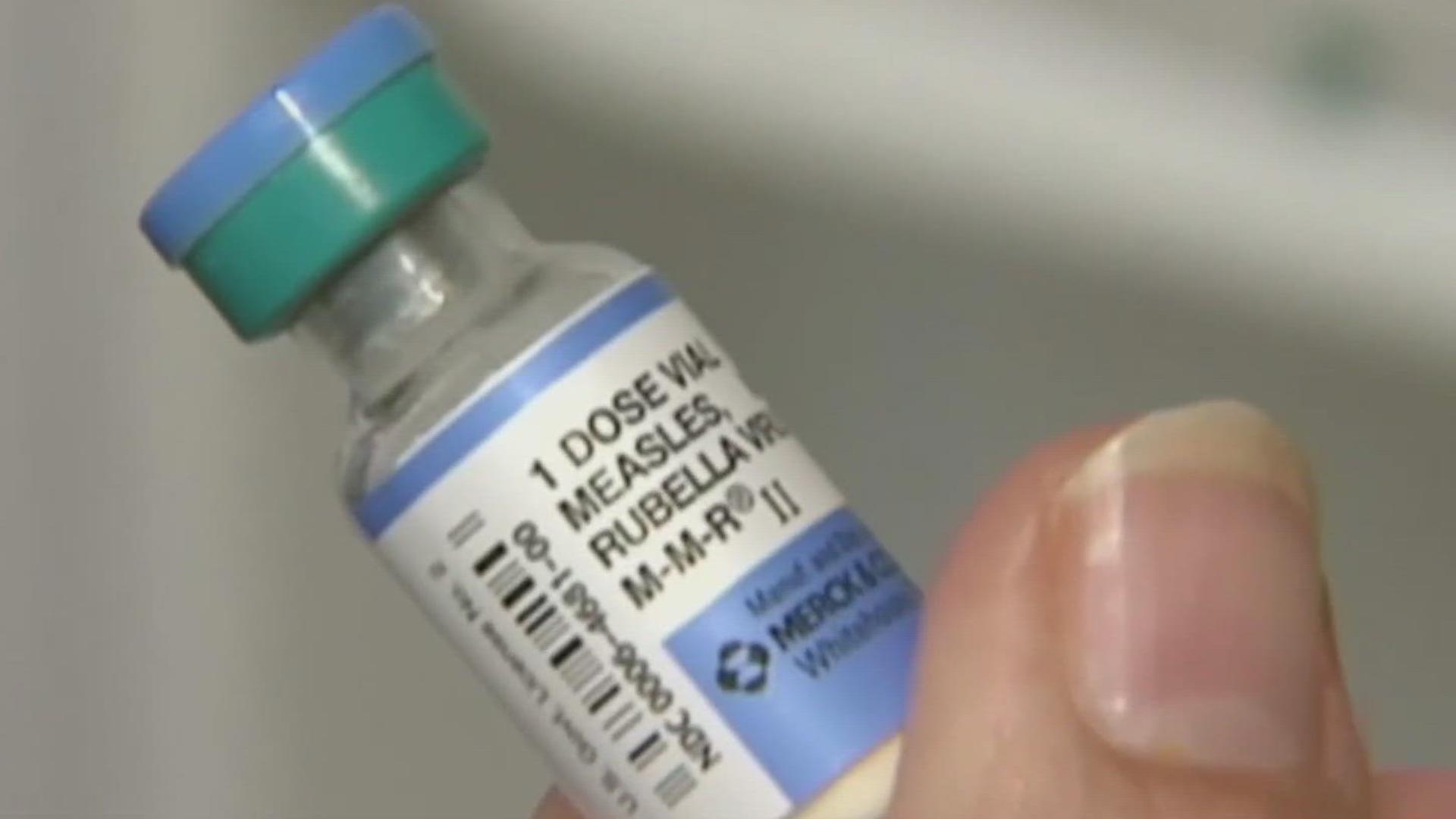
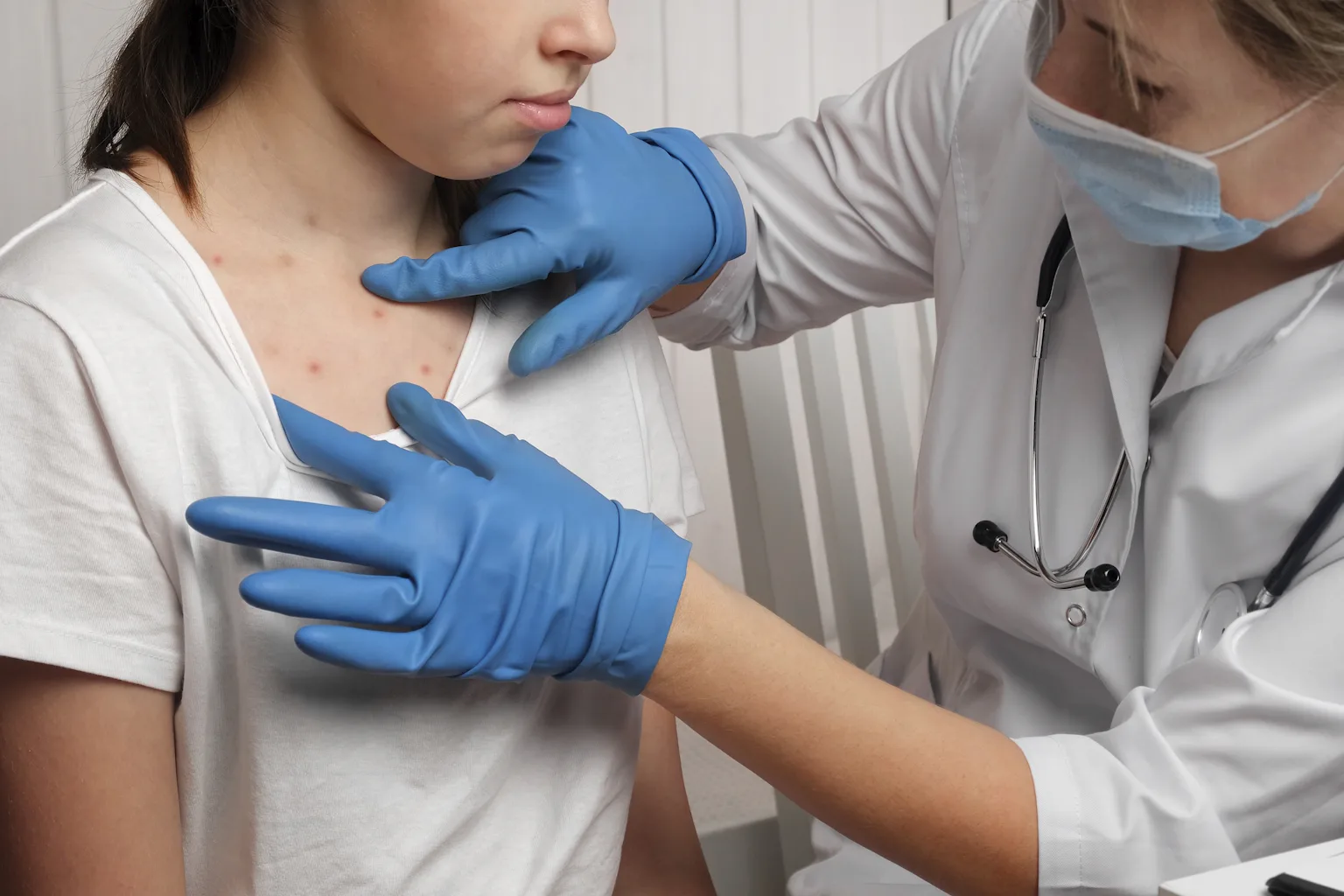
The measles resurgence across the United States represents a significant public health crisis with direct implications for e-commerce sellers operating in health, wellness, and protective equipment categories. As of March 2026, 30 states reported measles cases with 1,300 infections confirmed in Q1 alone—the highest numbers in 35 years—following vaccination rate declines below the critical 95% herd immunity threshold since 2019-2020. This outbreak creates a multi-layered opportunity for cross-border sellers: immediate demand surge for health-related products, shifting consumer purchasing behavior toward preventive wellness, and supply chain disruptions affecting medical supply availability.
Product Category Opportunities: The measles crisis directly impacts e-commerce demand across multiple seller categories. Health and wellness sellers should anticipate increased orders for immune-support supplements (vitamin C, D, zinc), protective equipment (N95 masks, hand sanitizers), and fever management products (thermometers, pain relievers). Industry data suggests disease outbreak events typically drive 40-60% temporary increases in health product category sales. Sellers on Amazon, eBay, and Shopify in the Health & Household category (currently valued at $15B+ in cross-border sales) should optimize inventory for Q2-Q3 2026 demand peaks. Lancaster County's 8 confirmed cases—the highest in Pennsylvania—signals regional demand concentration that sellers can target through geo-specific advertising and inventory positioning.
Supply Chain & Logistics Implications: The economic impact quantified in the news—$3.2 million for a 72-case Washington state outbreak in 2018-2019—indicates healthcare system strain that cascades to e-commerce logistics. Sellers should monitor fulfillment delays in affected states (particularly those with 30+ confirmed cases) as healthcare facilities prioritize medical supply procurement through B2B channels, potentially creating temporary shortages in 3PL warehouses. The Pan American Health Organization's November 2026 decision on whether the U.S. loses measles-eliminated status will likely trigger additional regulatory scrutiny on health product imports and cross-border shipments, particularly for items marketed with health claims. Sellers should review product listings for compliance with FDA regulations on health claims and consider diversifying fulfillment networks to avoid regional bottlenecks.
Consumer Behavior & Marketing Angles: The measles crisis reveals consumer anxiety about infectious disease and vaccine hesitancy—creating opportunities for educational content marketing. Sellers can leverage this trend by developing content around preventive health, immune system support, and family wellness without making direct disease claims. The Lancaster County Health Advisory Council's recommendation for "trust your health care provider" messaging suggests consumers are actively seeking health information, making this an ideal time for sellers to position products through trusted influencer partnerships with healthcare professionals and wellness educators. Telehealth-adjacent products (home diagnostic tools, wellness tracking devices) should see increased interest as consumers seek remote health consultations.
Questions 7
How does the measles outbreak impact e-commerce demand for health products in 2026?
The measles resurgence with 1,300 confirmed cases across 30 states in Q1 2026 drives significant demand increases in health and wellness categories. Sellers in immune-support supplements, protective equipment, and fever management products typically see 40-60% sales increases during disease outbreak periods. Amazon's Health & Household category and eBay's wellness sections are experiencing elevated search volume for vitamin D, C, zinc supplements, and N95 masks. Sellers should increase inventory by 30-50% for Q2-Q3 2026 and optimize product listings with keywords like 'immune support,' 'protective equipment,' and 'wellness prevention' to capture surge demand.
What supply chain risks should sellers monitor given the measles outbreak?
The $3.2 million cost of the 2018-2019 Washington state outbreak (72 cases) demonstrates healthcare system strain that affects e-commerce logistics. Sellers should expect potential fulfillment delays in the 30 affected states as healthcare facilities prioritize medical supply procurement, creating temporary shortages in 3PL warehouses. The Pan American Health Organization's November 2026 decision on U.S. measles-eliminated status may trigger stricter FDA regulations on health product imports and cross-border shipments. Sellers should diversify fulfillment networks across multiple regions, monitor state-level case counts, and review product listings for FDA compliance on health claims to avoid suspension during regulatory scrutiny.