




China's $1 Trillion Trade Surplus: A Strategic Masterclass in Global Economic Navigation
- Geopolitical resilience transforms trade tensions into unprecedented economic opportunity











Overview
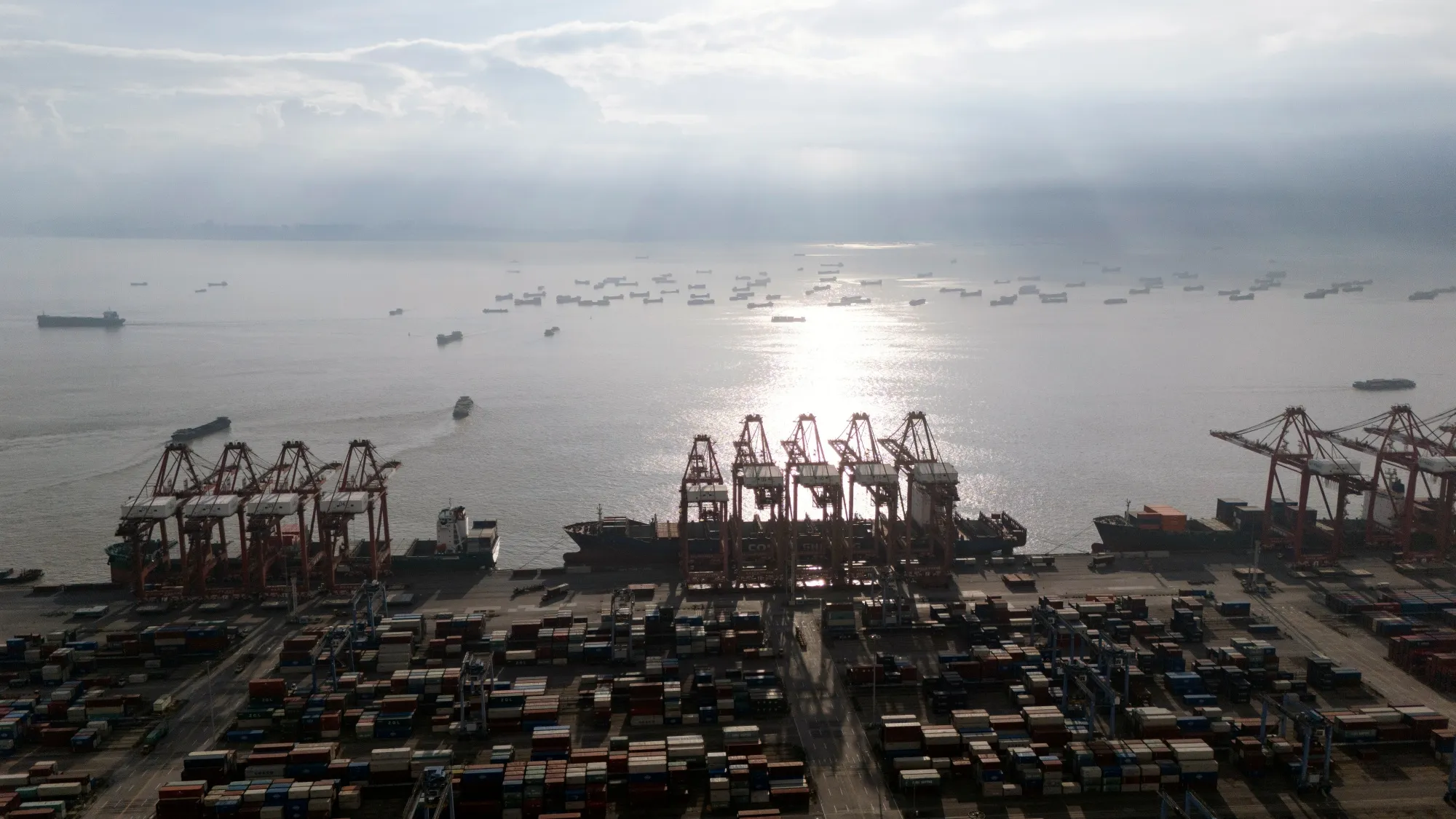
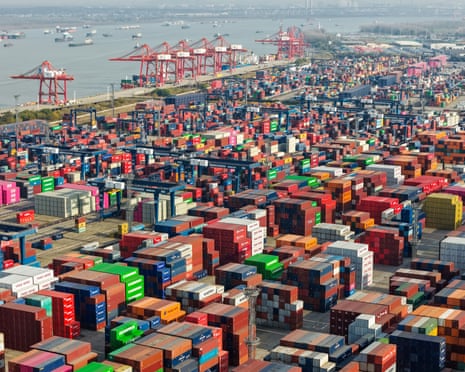
China's economic strategy has emerged as a remarkable testament to strategic adaptation, transforming potential trade challenges into a $1 trillion surplus that redefines global economic dynamics. The unprecedented achievement represents more than a financial milestone—it's a sophisticated geopolitical chess move that demonstrates China's ability to navigate complex international trade landscapes.
Tariff circumvention has become a core pillar of China's economic resilience. By strategically rerouting exports through Southeast Asian countries like Vietnam and Indonesia, Chinese companies have effectively neutralized the average 37% US import duties. This approach goes beyond mere economic tactics; it represents a systematic reimagining of global supply chains that turns potential restrictions into opportunities for market expansion.
The surplus is powered by high-tech export diversification, with remarkable growth in strategic sectors. Chinese auto exports surged over 6.5 million units, semiconductor exports increased by 24.7%, and shipbuilding exports rose 26.8%. These aren't just numbers—they signal a fundamental transformation of China's industrial capabilities. By focusing on advanced manufacturing and technological innovation, China is shifting from a low-cost production hub to a high-value global economic leader.
Currency management further amplifies this strategic approach. By maintaining a deliberately weak renminbi, China makes its exports cheaper while making imports more expensive—a nuanced monetary policy that acts as an additional export subsidy. This isn't economic manipulation, but a sophisticated lever of national economic strategy that compounds the competitive advantages of Chinese manufacturers.
The international response reveals the effectiveness of China's approach. While the EU considers stronger measures and French President Macron warns of potential tariffs, China continues to expand its global economic footprint. The $3.4 trillion export volume against $2.3 trillion in imports demonstrates a level of economic engineering that transforms potential geopolitical constraints into opportunities for growth and market penetration.
Questions 3
What role does currency management play in China's trade strategy?
By maintaining a weak renminbi, China creates a de facto export subsidy, making Chinese goods cheaper internationally while simultaneously making imports more expensive. This nuanced monetary policy acts as a powerful tool to enhance the competitiveness of Chinese manufacturers and support the country's export-driven economic model.
How has China managed to achieve a $1 trillion trade surplus despite US trade tensions?
China has strategically rerouted exports through Southeast Asian countries, effectively bypassing high US tariffs. By diversifying export destinations and focusing on high-tech sectors like electric vehicles and semiconductors, China has transformed potential trade barriers into opportunities for market expansion and technological leadership.