


Nvidia's Strategic Chip Diplomacy Reshapes US-China Tech Boundaries
- A nuanced geopolitical chess move revealing the complex dynamics of technological competition








Overview
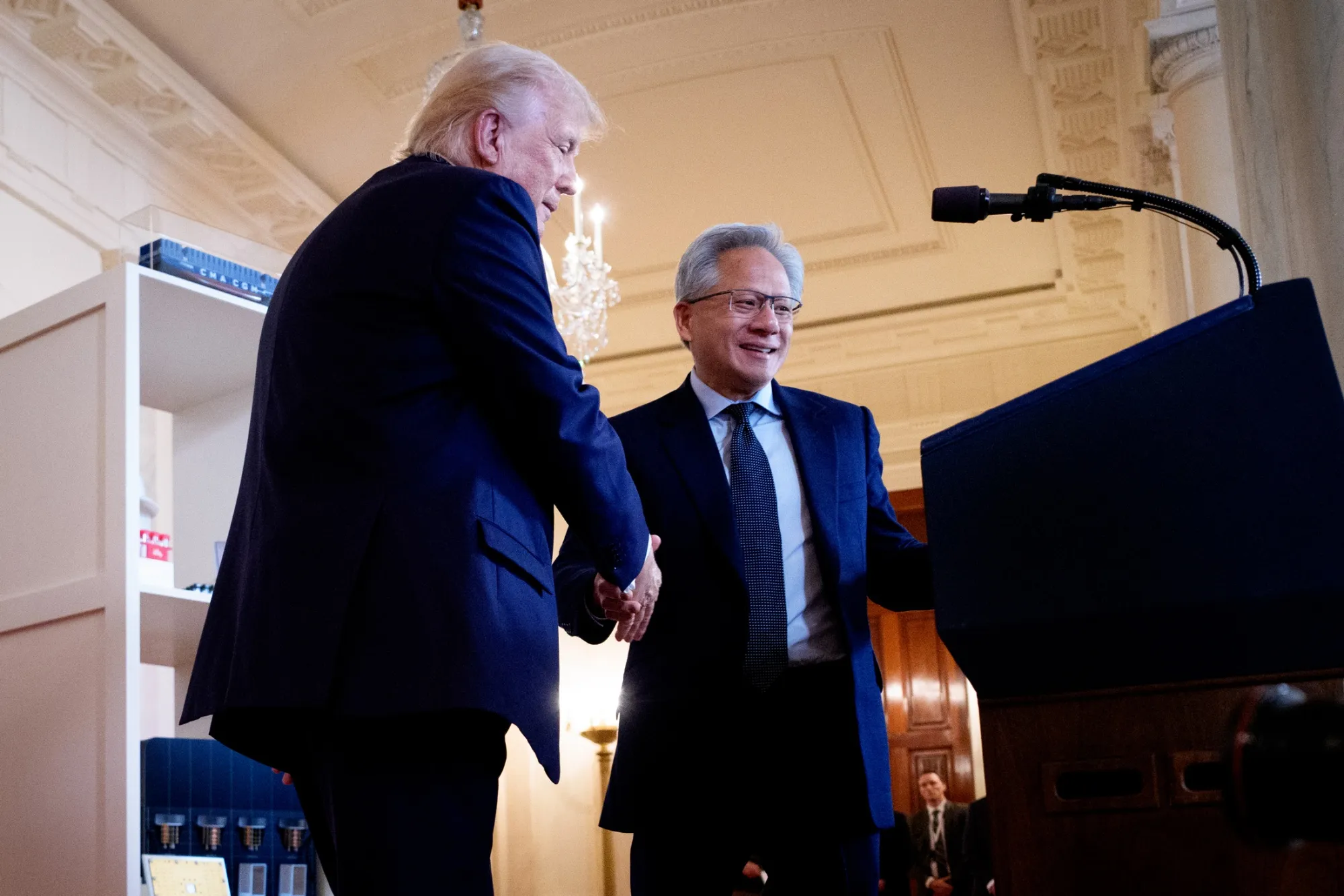
In a remarkable demonstration of technological diplomacy, the United States has engineered a sophisticated approach to managing semiconductor exports to China through Nvidia's H200 AI chip approval. This decision represents far more than a simple trade transaction—it's a calculated geopolitical maneuver that balances national security, technological leadership, and strategic market access.
The approval comes with intricate conditions that reveal the depth of strategic thinking. By allowing Nvidia to export H200 chips with a 25% surcharge and strict customer approval requirements, the US is creating a controlled mechanism for technological engagement. This isn't just about selling chips; it's about maintaining technological standards and preventing uncontrolled knowledge transfer.
The strategic landscape is particularly complex. Chinese tech giants like Huawei, Alibaba, and Baidu have been aggressively developing domestic semiconductor capabilities, driven by a national strategy of technological self-sufficiency. The H200 chip represents both an opportunity and a challenge—technologically superior yet politically fraught. Chinese firms must now navigate a delicate decision: accept these chips and potentially accelerate their AI capabilities, or reject them to protect domestic innovation.
For the United States, this move is a masterful balancing act. By permitting chip exports with significant restrictions, the administration demonstrates diplomatic flexibility while preserving core technological advantages. The 25% government revenue share introduces an unprecedented financial dimension to technology export controls, transforming a national security issue into a potential revenue stream.
The broader implications are profound. This approach signals a shift from blanket export restrictions to a more nuanced, strategically managed technology transfer model. It suggests that future technological competition will be characterized not by complete isolation, but by carefully calibrated engagement with embedded control mechanisms.
Sellers and technology strategists must recognize that geopolitical negotiations now directly shape market access. The semiconductor industry has become a critical arena where technological innovation, national security, and economic strategy intersect in increasingly sophisticated ways.
Questions 4
What are the potential risks for Nvidia in this export scenario?
Nvidia risks potential retaliation or market resistance from Chinese firms. There's uncertainty about whether approved customers will actually purchase the chips, and the company must navigate complex geopolitical tensions while maintaining its technological competitive edge.
What does this chip export policy reveal about future US-China technology relations?
The policy signals a shift from complete technological isolation to a more sophisticated, controlled engagement model. Future technology competition will likely involve carefully managed transfer mechanisms that balance national security, economic interests, and strategic technological leadership.