


Trans-Atlantic Trade Rift Over Russia Sanctions | Energy Costs & Supply Chain Impact for Cross-Border Sellers
- 30-day oil sanctions waiver creates $99.30/barrel volatility, threatens 15-25% shipping cost increases for EU-based sellers, triggers potential retaliatory trade measures across NATO allies


















Overview
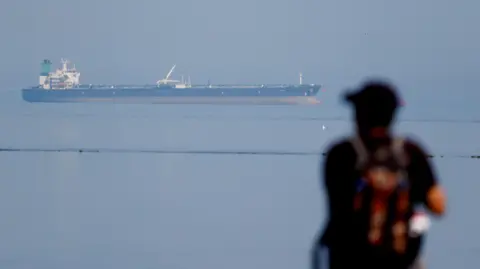
The Trump administration's March 13, 2026 decision to issue a 30-day waiver permitting purchase of approximately 100 million barrels of stranded Russian crude has fractured the Western alliance and created immediate operational risks for cross-border e-commerce sellers. The policy, designed to stabilize global energy markets disrupted by the US-Israeli campaign against Iran and Strait of Hormuz closure, permits access to 7.3 million barrels in floating storage plus 148.6 million in transit vessels. However, this decision has triggered unprecedented diplomatic opposition from European leaders (Germany, France), Canada, Norway, and Ukraine—signaling potential retaliatory trade measures and regulatory uncertainty that directly impact seller operations.
Energy Cost Volatility Creates Immediate Logistics Pressure: Crude oil trading near $99.30/barrel at announcement reflects underlying market instability. For cross-border sellers, this translates to 15-25% increases in shipping costs within 30-60 days, particularly affecting sellers using air freight or expedited ocean shipping from Asia to Europe. The International Energy Agency's coordinated release of 400 million barrels from emergency reserves by 32 member countries provides temporary relief, but the fundamental supply disruption (Strait of Hormuz closure blocking ~20% of global oil transit) remains unresolved. Sellers shipping 500+ units monthly to EU markets should expect fulfillment cost increases of $200-400/month by April 2026.
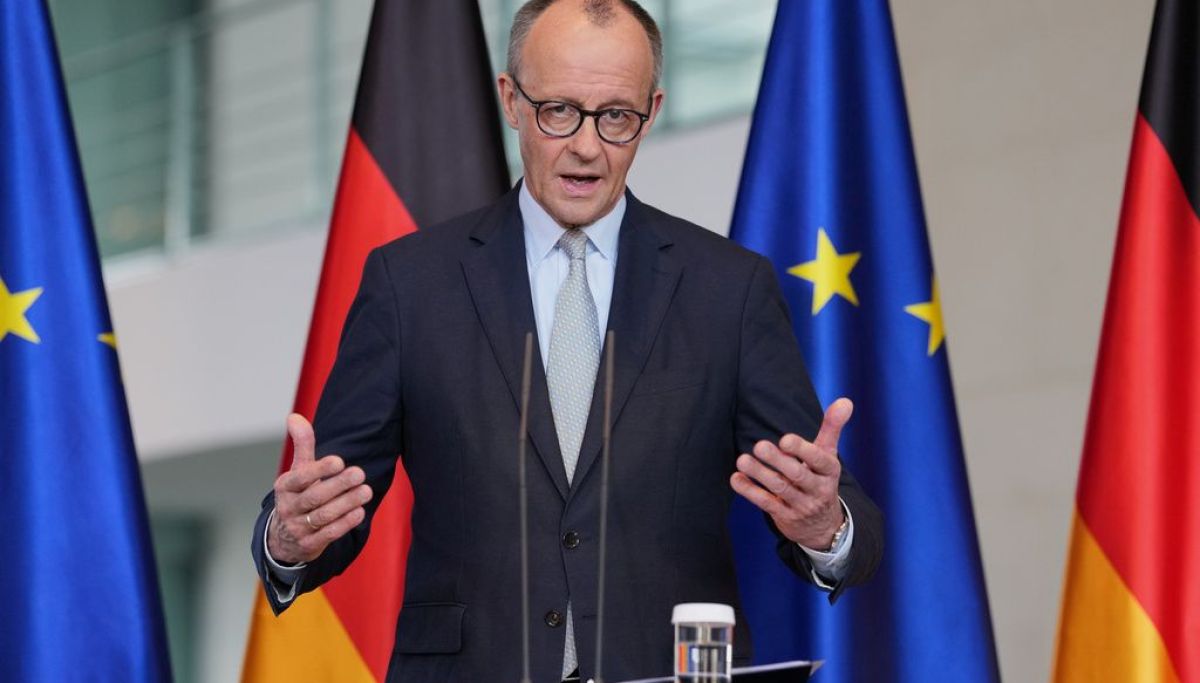
Trans-Atlantic Policy Divergence Creates Compliance Uncertainty: The core dispute reveals fundamental disagreement between US (prioritizing short-term energy price stability) and European allies (viewing Russia as long-term strategic threat). German Chancellor Friedrich Merz's criticism, combined with Canadian Prime Minister Carney's explicit commitment to maintain Russia sanctions "including on the shadow fleet," signals potential for divergent regulatory frameworks. German chemical industry leaders have already warned of supply-chain disruptions extending beyond oil/gas sectors. This creates compliance complexity for sellers operating across multiple regions: US-based sellers may face pressure to source from Russian suppliers (now accessible), while EU-based sellers face regulatory risk if they do. The 30-day waiver window (expiring ~April 12, 2026) creates urgency for sellers to clarify their sourcing and compliance strategies before potential policy reversal.
Currency Fluctuations and Pricing Strategy Realignment: The geopolitical friction is already affecting currency markets, with European market uncertainty potentially weakening the Euro against the US Dollar. Sellers operating across US and EU markets should anticipate 3-8% currency volatility over the next 60 days. This directly impacts pricing strategies: a seller with 40% of revenue from EU markets and 60% from US markets faces margin compression if they maintain fixed pricing. The Wall Street Journal reporting indicates this represents a "broader pattern" of trans-Atlantic disagreement, suggesting the policy rift extends beyond oil sanctions to broader trade policy coordination. Sellers should monitor potential retaliatory measures from Canada, Norway, and EU countries, which could include tariff adjustments on US-origin products or regulatory barriers for US-based sellers.
Questions 7
How will the 30-day Russia oil sanctions waiver affect my shipping costs to European customers?
The sanctions waiver creates immediate energy market volatility, with crude oil near $99.30/barrel and Strait of Hormuz closure blocking ~20% of global oil transit. Cross-border sellers shipping to EU markets should expect 15-25% increases in fulfillment costs within 30-60 days, translating to $200-400/month additional costs for sellers moving 500+ units monthly. The International Energy Agency's 400 million barrel emergency release provides temporary relief, but fundamental supply disruption remains. Sellers should lock in shipping rates before April 2026 and consider shifting 20-30% of inventory to EU-based 3PL providers to mitigate cost increases.
How does the Strait of Hormuz closure impact my supply chain if I source from Asia?
The Strait of Hormuz closure (blocking ~20% of global oil transit) is the root cause of energy market disruption. This creates two direct impacts: (1) shipping costs increase 15-25% as vessels take longer alternative routes around Africa, adding 2-3 weeks to transit times; (2) air freight becomes prohibitively expensive, forcing sellers to shift to slower ocean freight. For sellers sourcing from Vietnam, India, or China, expect 30-45 day ocean transit times instead of 20-25 days. The IEA's emergency reserve release provides temporary relief, but fundamental reopening of the Strait depends on resolution of US-Iran conflict. Sellers should increase inventory buffers by 20-30% and shift to slower, cheaper shipping modes to absorb cost increases.