


Media Titans Clash: Paramount's Hostile Bid Shatters Warner Bros Negotiation Landscape
- Unprecedented $108.4B Takeover Attempt Signals Massive Streaming Industry Transformation







Overview
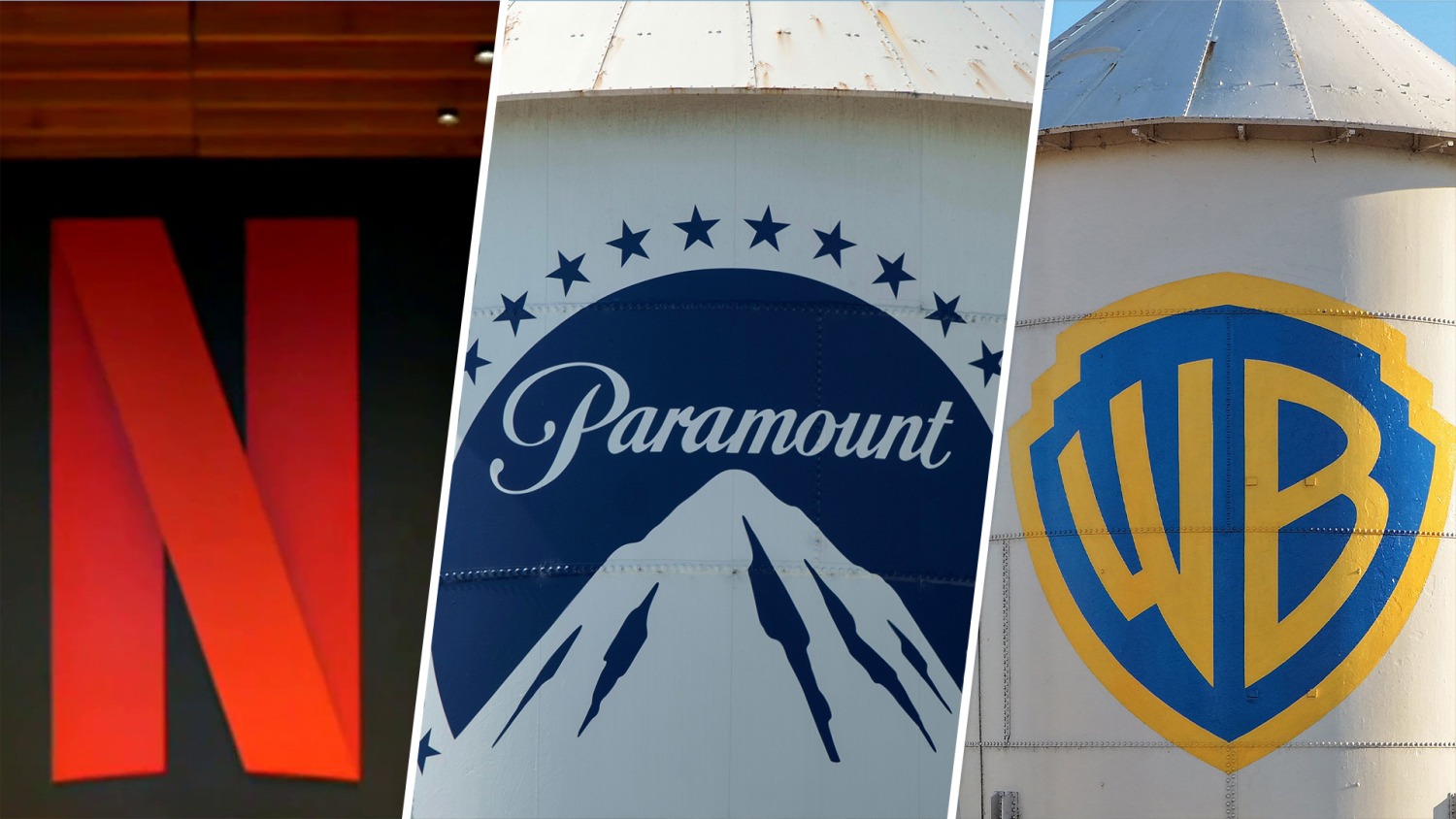
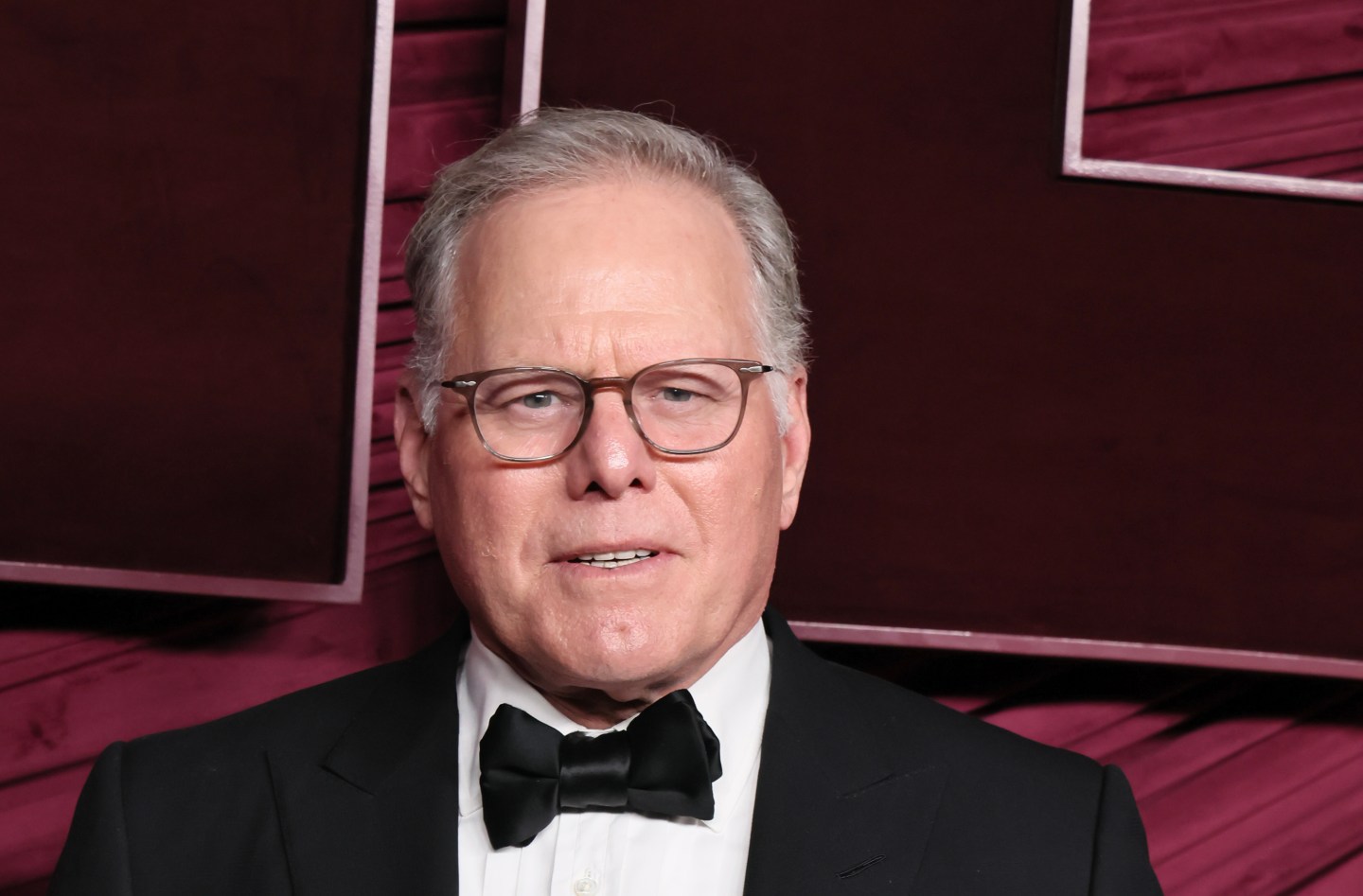
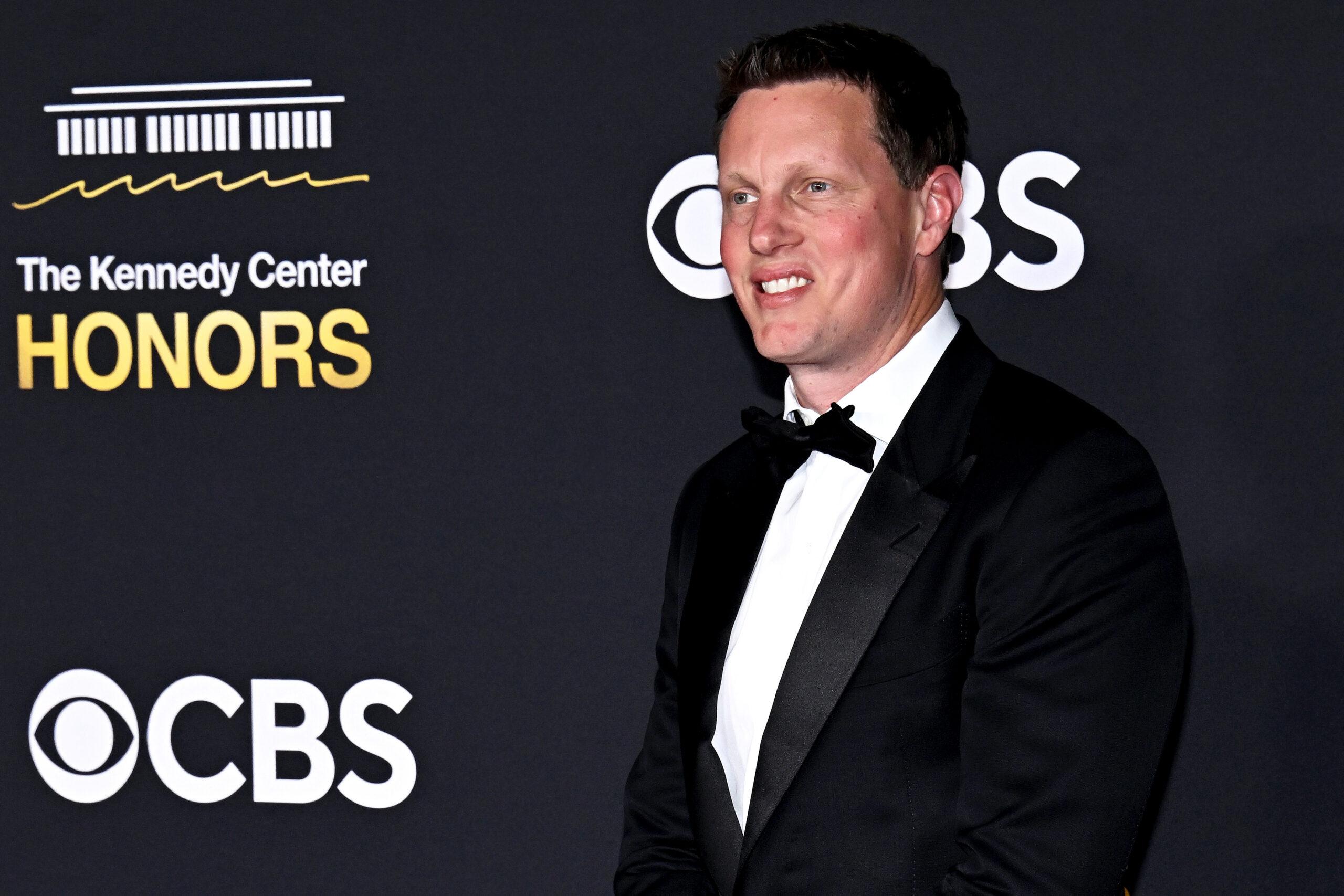
The media landscape is experiencing a seismic strategic shift as Paramount Skydance launches an audacious hostile takeover bid for Warner Bros Discovery, exposing critical vulnerabilities in traditional corporate communication and negotiation strategies. At the heart of this $108.4 billion power play is a fundamental breakdown in executive dialogue between David Ellison and David Zaslav, which has escalated from private text exchanges to a full-blown public acquisition challenge.
Strategic Communication Breakdown: Paramount's aggressive move emerged directly from Warner Bros' alleged unresponsiveness, transforming what could have been a collaborative discussion into a high-stakes corporate confrontation. By taking the offer directly to shareholders, Ellison has weaponized communication silence, turning Warner Bros' negotiation passivity into a strategic liability. The bid comes after Warner Bros seemingly entered exclusive negotiations with Netflix for an $82.7 billion deal, suggesting a complex multi-party strategic chess match.
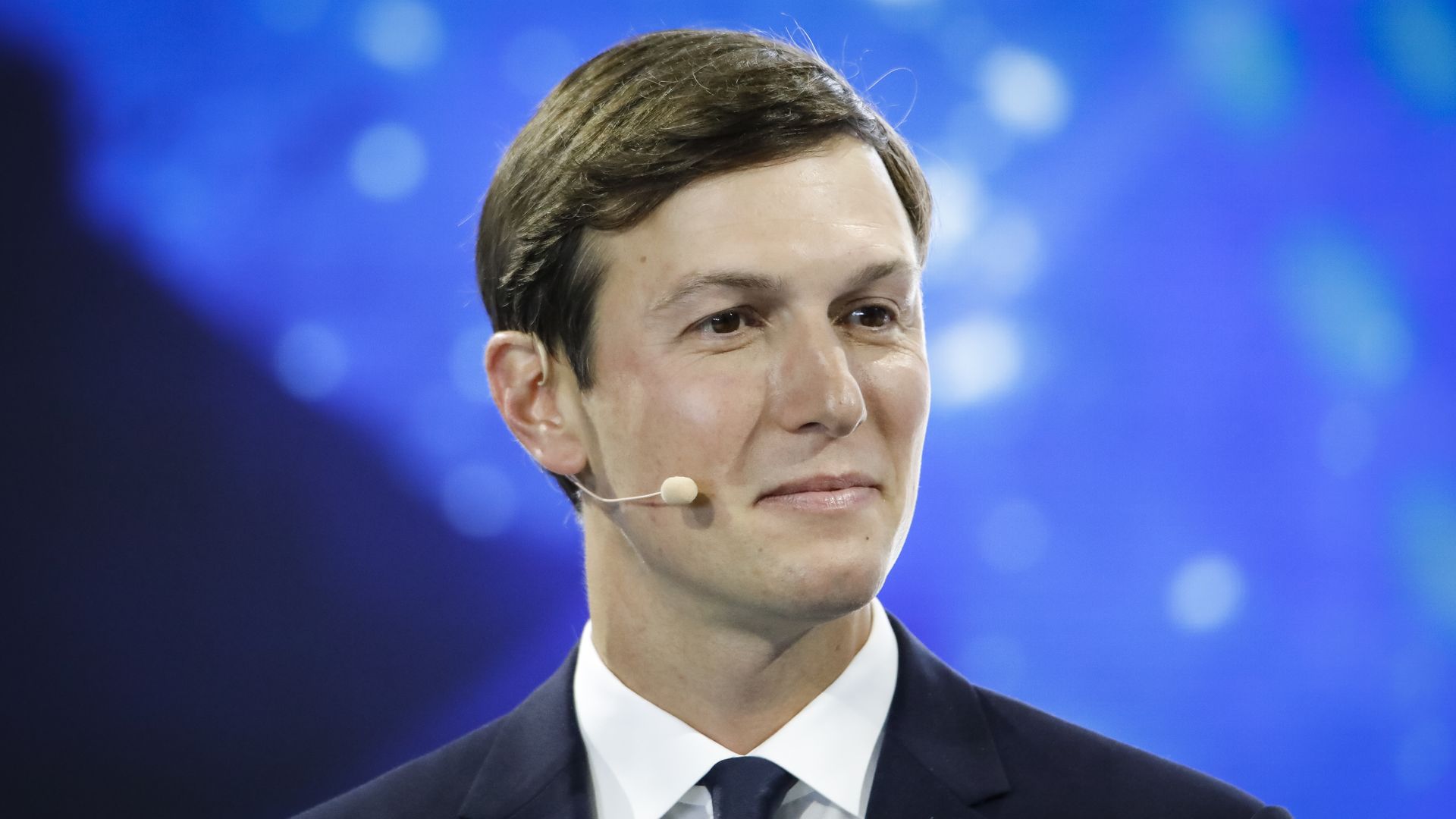
Geopolitical and Financial Engineering: The bid's investor composition is particularly noteworthy. Backed by the Ellison family (Oracle co-founder's son), Affinity Partners (led by Jared Kushner), and Middle Eastern government investment funds, the proposal strategically dropped Tencent to potentially ease regulatory concerns. This carefully constructed financial coalition reveals a sophisticated understanding of global investment dynamics and geopolitical sensitivities.
The proposed transaction represents more than a simple corporate acquisition—it's a potential reconfiguration of the entire streaming content ecosystem. By potentially creating co-CEO roles and designing a complex financing structure, Paramount is not just buying an asset but attempting to reshape media industry power dynamics. The 10-day response window and 20-day tender offer create a pressure-cooker environment that could dramatically transform content production, distribution, and market competition strategies.
Ultimately, this bid signals a critical inflection point: in an era of media consolidation, communication, strategic positioning, and rapid adaptation are becoming more important than ever. Companies that cannot quickly and effectively respond to strategic opportunities risk being dramatically restructured by more agile competitors.
Questions 3
What makes this takeover bid unique in its approach?
Unlike traditional acquisitions, Paramount's approach involves a carefully constructed investor group, strategic geopolitical considerations (like dropping Tencent), and a direct appeal to shareholders. The potential for co-CEO roles also suggests a more collaborative integration strategy.
How might this takeover attempt impact the streaming market?
The bid could dramatically transform the streaming ecosystem by potentially creating a more competitive content production and distribution platform. It signals a trend of consolidation where media companies are aggressively seeking scale and strategic positioning to compete with giants like Netflix.