

Media Titans Clash: The $100 Billion Battle for Content Supremacy
- Streaming Wars Escalate with Unprecedented Corporate Acquisition Strategy












Overview
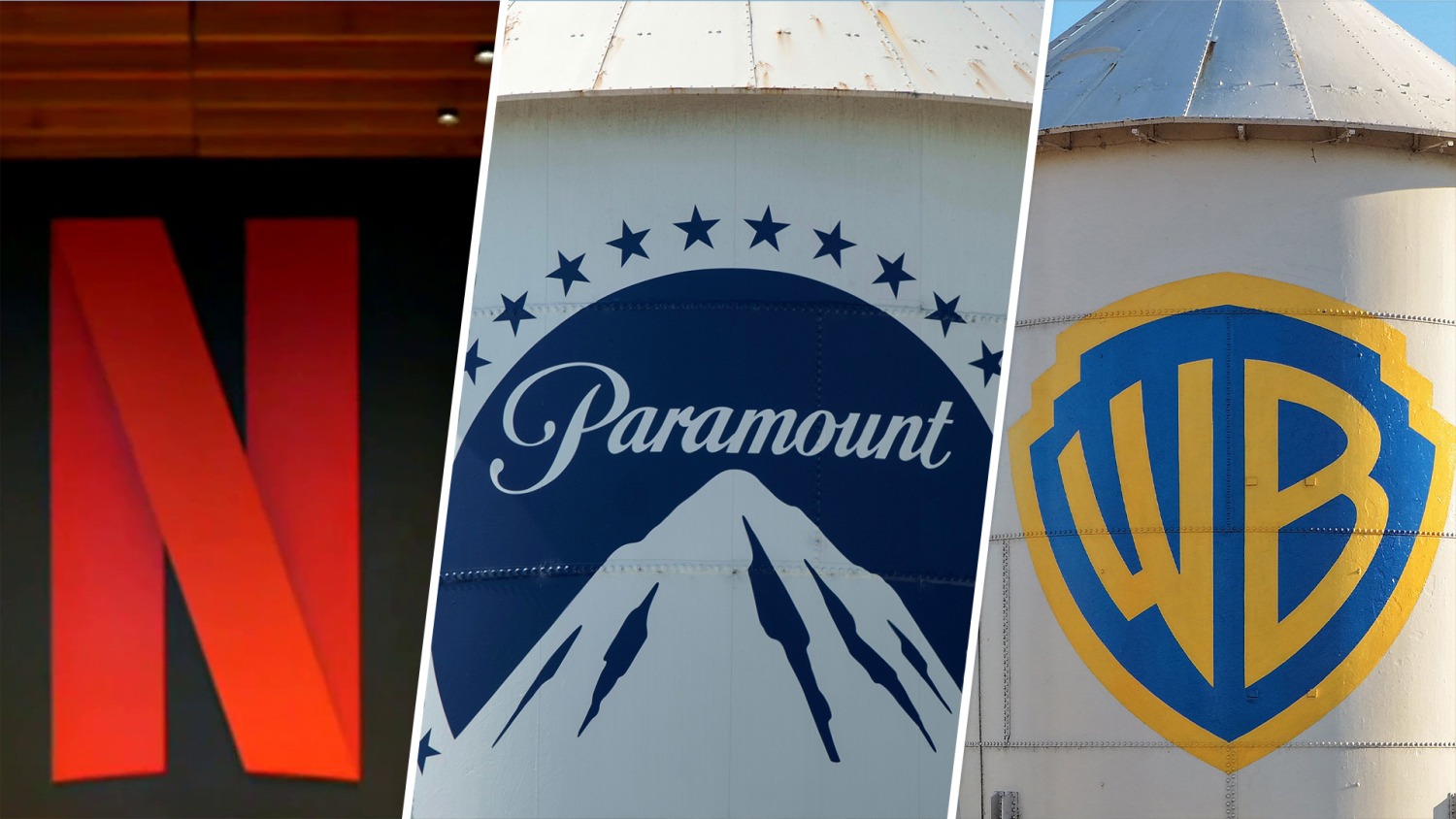
The media landscape is experiencing a seismic strategic shift as Netflix and Paramount engage in a high-stakes battle for Warner Bros Discovery, revealing the intense consolidation happening in entertainment technology. This isn't just an acquisition—it's a fundamental reimagining of content distribution and strategic positioning in the digital media ecosystem.
Strategic Positioning Redefined: The competition highlights a critical transformation where streaming platforms are no longer just content distributors, but comprehensive media powerhouses. Netflix's initial $83 billion offer, quickly countered by Paramount's $108 billion proposal, demonstrates the astronomical value placed on content libraries and production capabilities. By directly appealing to shareholders and bypassing traditional management negotiations, Paramount has signaled an aggressive new approach to corporate strategy.
Digital Ecosystem Dynamics: This battle underscores a broader trend of strategic repositioning in media technology. Both companies are revealing their ambitions to transcend traditional streaming models, viewing content as a critical strategic asset. The negotiations suggest a complex interplay of corporate vision, where ownership of content libraries becomes as important as the technological infrastructure for delivering them.
For digital marketers and cross-border sellers, this development offers a critical insight: platform value is increasingly determined by content depth, strategic positioning, and the ability to rapidly adapt to changing media consumption patterns. The Warner Bros Discovery acquisition represents more than a corporate transaction—it's a blueprint for how media companies will compete in the next decade.
The implications extend far beyond entertainment, signaling a fundamental shift in how digital platforms create value. Companies are no longer just competing for audience attention, but for comprehensive media ecosystem control, with content serving as the primary strategic lever.
Questions 4
What makes this acquisition battle unique?
Paramount's direct appeal to shareholders, bypassing traditional management negotiations, represents an unprecedented aggressive corporate strategy. The $108 billion offer demonstrates the astronomical value placed on content libraries in the digital media ecosystem.
Why are Netflix and Paramount competing for Warner Bros Discovery?
Both companies are seeking to expand their content libraries, production capabilities, and market positioning. By acquiring Warner Bros Discovery, they aim to transform from mere streaming platforms into comprehensive media powerhouses with diverse content portfolios and strategic market control.