


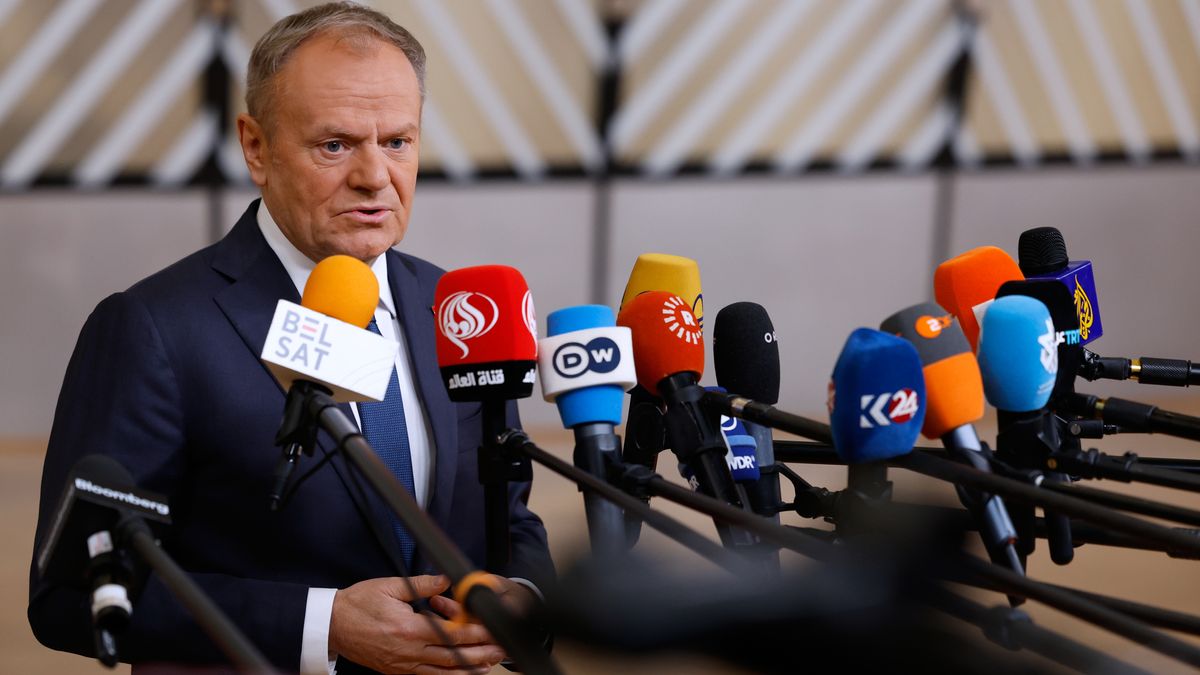


EU Defence Spending Surge | €43.7B Poland Investment Opens Supply Chain Opportunities for Cross-Border Sellers
- Poland's €43.7 billion defence modernization drives demand for industrial equipment, electronics, and logistics services across Eastern European supply chains; sellers targeting government procurement and B2B channels gain 18-24 month competitive window



Overview
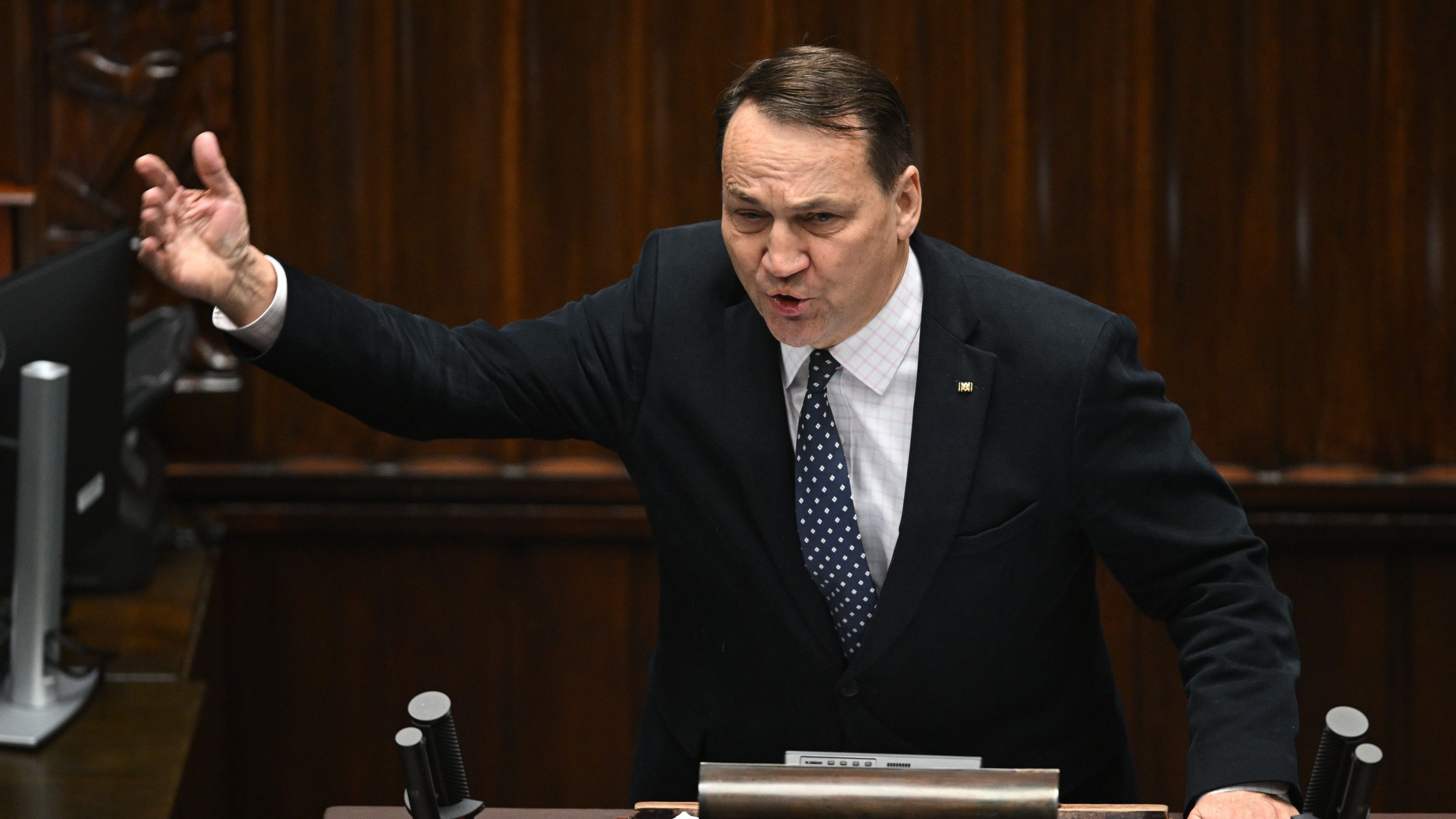
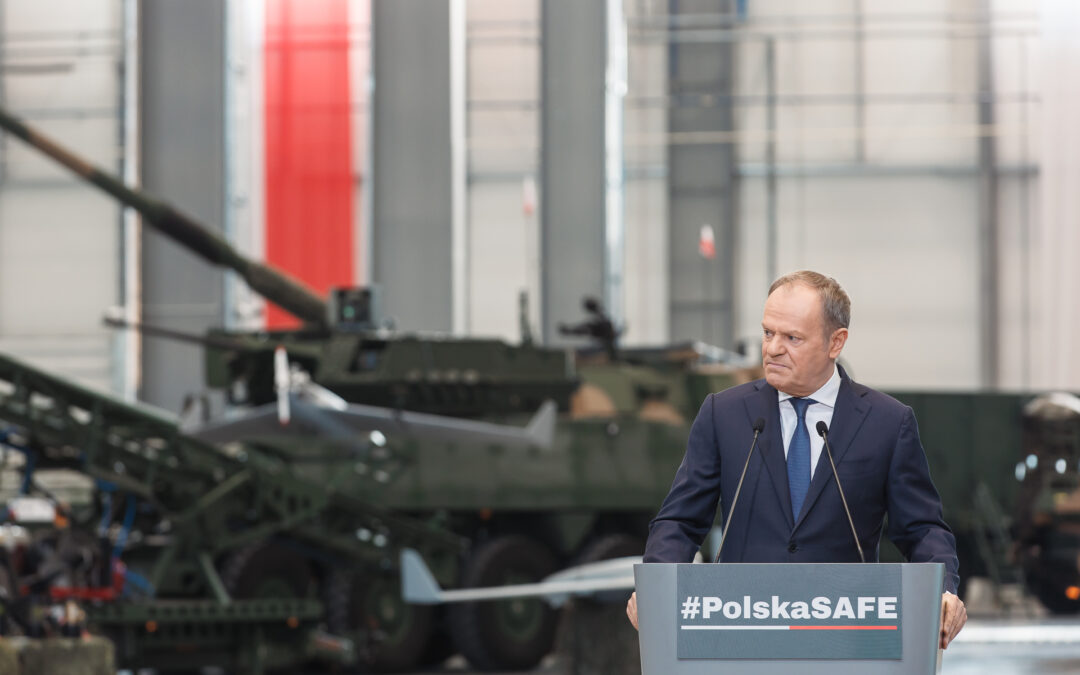
Poland's €43.7 billion EU defence loan approval marks a critical inflection point for cross-border sellers targeting government procurement and industrial supply chains across Eastern Europe. Prime Minister Tusk's override of the presidential veto signals unwavering commitment to defence modernization, creating a sustained 18-24 month procurement cycle for equipment, electronics, and logistics infrastructure. This represents one of the largest coordinated defence spending initiatives in the EU, with Poland positioned as a strategic hub for NATO-aligned military modernization.
The procurement opportunity spans multiple seller categories: Industrial electronics (HS codes 8504-8543), telecommunications equipment (HS 8517-8525), mechanical components (HS 8483-8487), and specialized logistics services. Poland's defence modernization typically follows NATO standardization protocols, creating predictable demand patterns for suppliers meeting EU/NATO certification requirements. Sellers with existing certifications (ISO 9001, IEC standards) gain 6-12 month first-mover advantages before competitors establish compliance frameworks.
Market access dynamics shift significantly for Eastern European sellers. The €43.7 billion commitment signals Poland's elevation as a primary procurement hub, with government contracts flowing through established defence contractors and their supply chains. Mid-market sellers (€2-50M annual revenue) can penetrate this market through: (1) B2B marketplace positioning on platforms like Alibaba Trade Assurance and Global Sources, (2) direct government tender participation via EU procurement portals, and (3) strategic partnerships with existing NATO suppliers. The political resolution of the Tusk-president dispute removes regulatory uncertainty, enabling sellers to commit capital to compliance infrastructure and inventory positioning.
Tariff and trade policy implications favour EU-based sourcing. The defence loan's EU-first procurement mandate creates tariff advantages for sellers within the EU27 (0% internal tariffs) versus third-country suppliers facing 5-15% import duties on industrial equipment. This shifts competitive advantage toward Poland-based, Czech, and Hungarian suppliers who can service the broader Eastern European defence corridor. Sellers from Vietnam, India, and Taiwan face 8-12 month delays in establishing EU certification pathways, creating a temporary but significant market access barrier.
Timing urgency is critical: Defence procurement typically follows 6-9 month planning cycles from budget approval to RFQ issuance. Sellers should position inventory and certifications by Q2 2025 to capture initial tender waves. The political confirmation removes implementation risk, enabling sellers to confidently allocate working capital to Eastern European logistics hubs and compliance documentation.
Questions 7
When should sellers begin positioning inventory for Poland's defence procurement cycle?
Defence procurement typically follows 6-9 month planning cycles from budget approval to RFQ issuance. Sellers should position inventory and complete certifications by Q2 2025 to capture initial tender waves. The political confirmation of the €43.7B loan removes implementation risk, enabling confident capital allocation. Early movers can secure 15-20% market share before competitors establish compliance frameworks. Monitor EU procurement portal (ted.europa.eu) for tender announcements starting January 2025.
How does the Tusk-president political dispute affect seller risk assessment for this market?
The presidential veto override removes regulatory uncertainty that could have delayed implementation by 6-12 months. Tusk's political victory signals unwavering commitment to defence spending, reducing policy reversal risk. Sellers can now confidently commit working capital to Eastern European logistics hubs and compliance documentation without fear of budget cancellation. This political resolution is equivalent to a 'green light' signal for B2B sellers—the €43.7B commitment is now locked in with minimal reversal probability.