




Dollar Strength & Iran Conflict Create FX Arbitrage Opportunities for Cross-Border Sellers
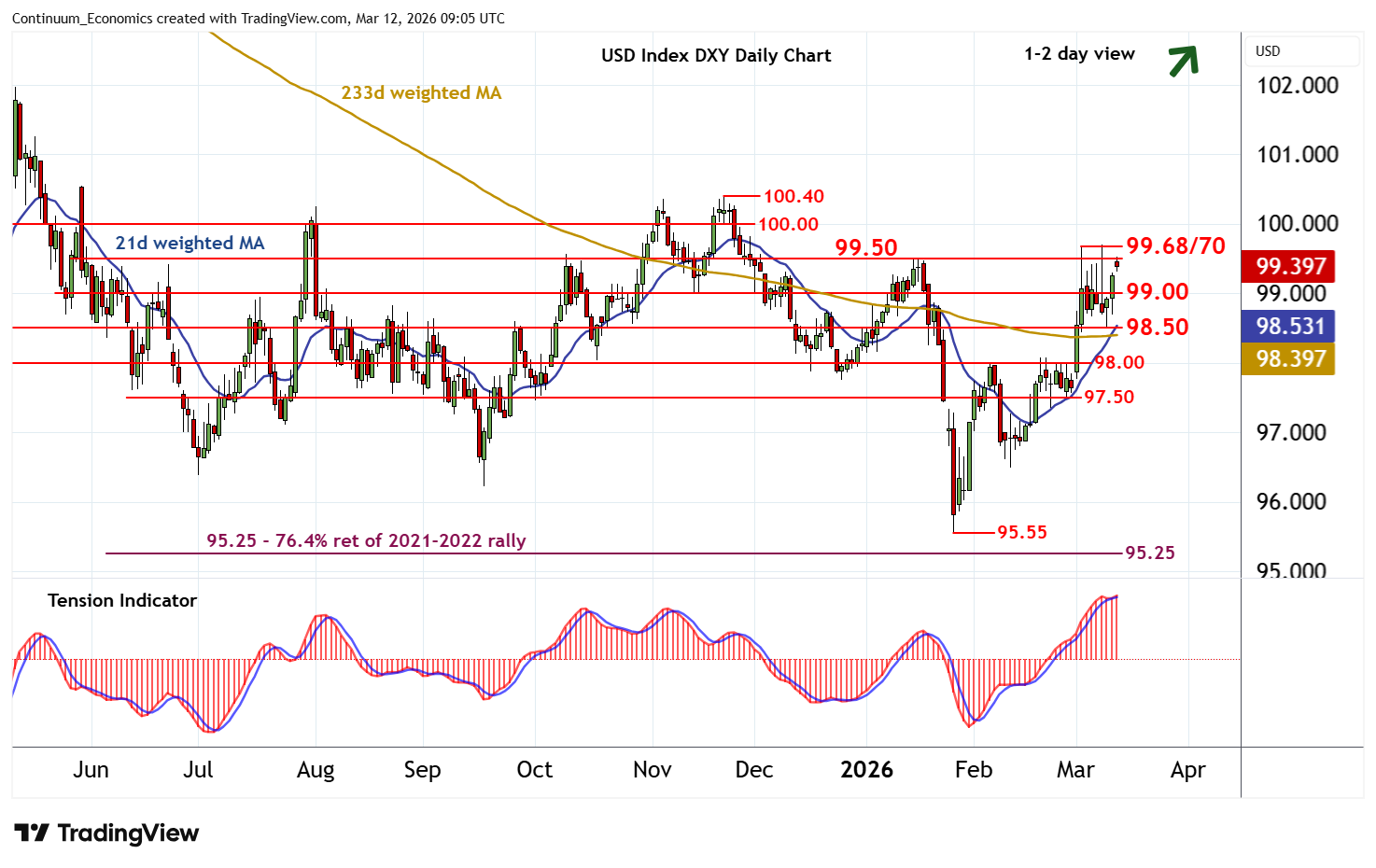
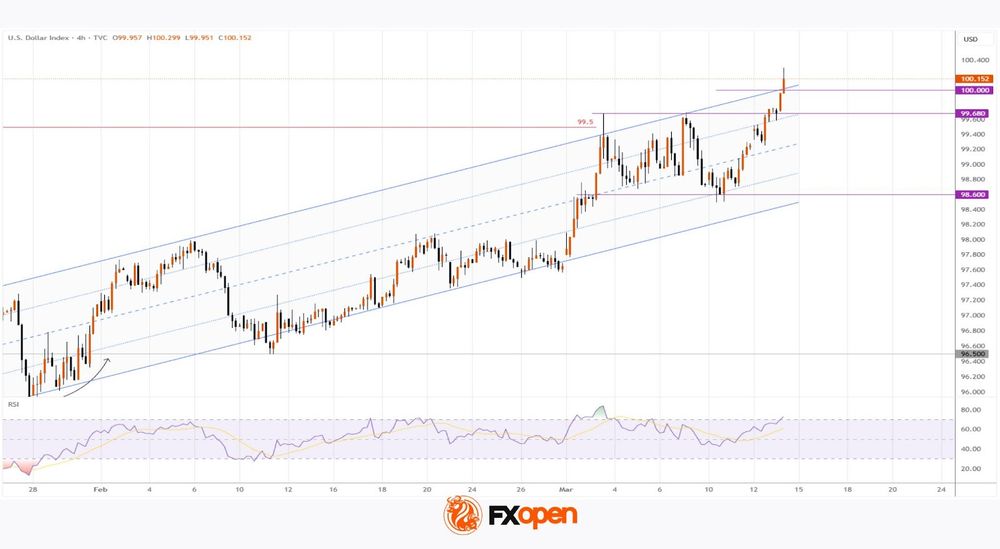
- DXY reaches 100.35 (+1.5% weekly), euro weakens to 1.14395, oil surges to $99.30/barrel; sellers face 8-15% margin compression but gain hedging arbitrage windows

































Overview
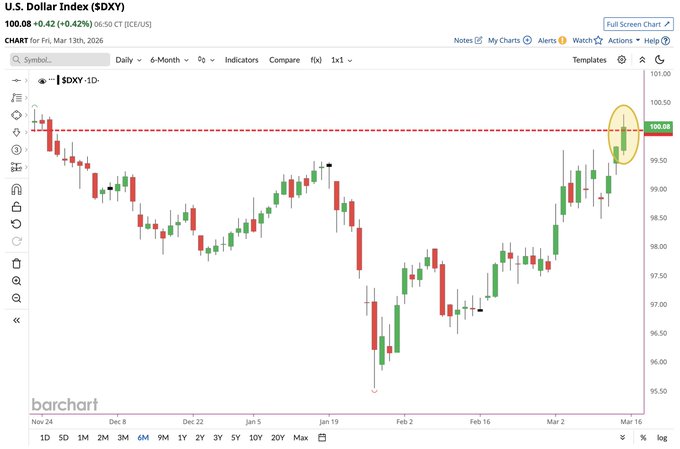
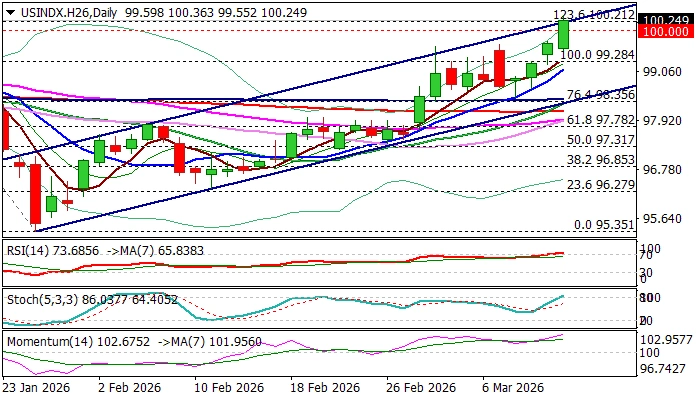
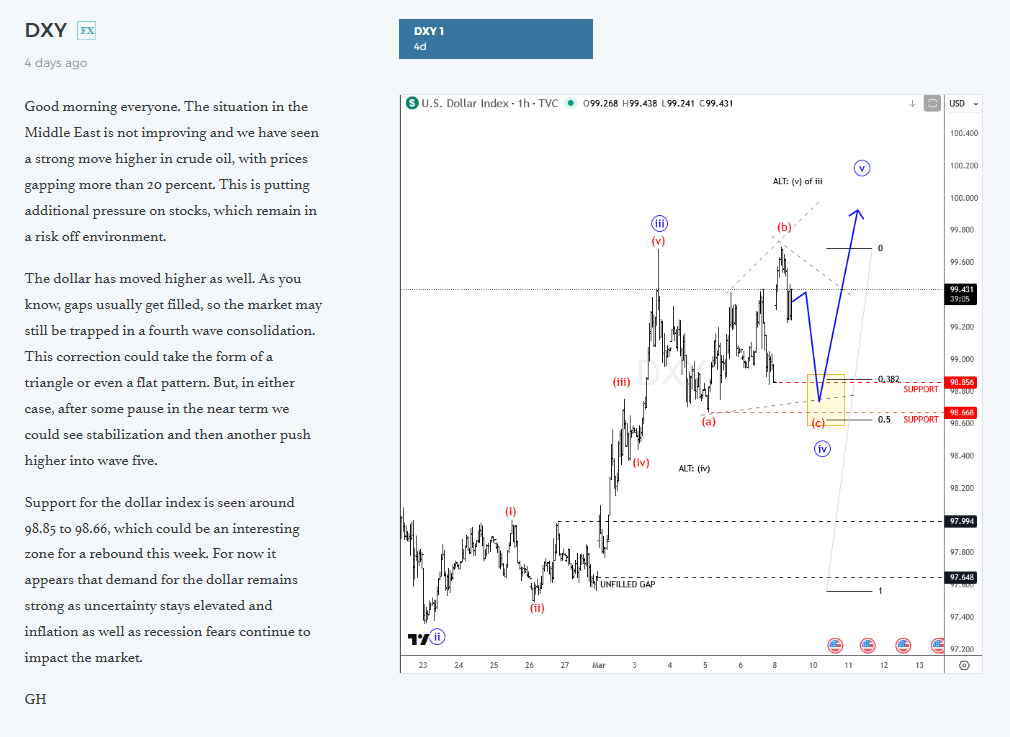
FINANCIAL OPTIMIZATION OPPORTUNITY: The March 2025 geopolitical escalation in the Middle East has triggered a significant dollar rally, with the DXY index rising 0.7% to 100.35 (1.5% weekly gain) and the euro weakening 0.6% to 1.14395. This creates a critical window for cross-border e-commerce sellers to execute immediate payment cost reductions, FX arbitrage strategies, and working capital optimization. According to Karl Schamotta (Corpay), "global investors are unwinding cross-border exposures, pushing money into safe havens," which directly impacts seller payment processing costs and currency conversion rates.
IMMEDIATE PAYMENT COST SAVINGS OPPORTUNITY: For sellers with multi-currency exposure, this volatility window presents 2-4% fee reduction opportunities through strategic payment routing. US-based sellers importing from non-dollar regions (EU, Japan, Asia) face 8-12% cost increases on inventory purchases due to dollar strength, but can offset this through forward contracts locked at current rates. Euro-zone sellers experience reduced competitiveness (0.6% immediate margin compression) but gain access to cheaper dollar-denominated inventory. The Japanese yen weakness to 159.67 per dollar (strongest since July 2024) creates immediate arbitrage for sellers with JPY-denominated suppliers—locking in current rates before potential Bank of Japan intervention saves 3-5% on sourcing costs.
FX ARBITRAGE & HEDGING STRATEGY: The Brent crude surge to $100/barrel (3.73% rise) and oil prices at $99.30 create sustained dollar strength through Q2 2025. Jane Foley (Rabobank) reduced EURUSD forecasts to 1.14 (1-month) and 1.15 (3-month), signaling 1-2% further euro depreciation. Sellers should execute: (1) Forward contracts on EUR/USD at current 1.14395 rates for 90-day supplier payments (locks 2-3% savings vs. spot rates in 30 days); (2) JPY hedging through currency options to protect against Bank of Japan intervention; (3) GBP/USD positioning as UK energy imports drive sterling weakness. The ECB policy meeting March 20 may trigger rate hikes, creating 1-2 week volatility windows for tactical FX trades.
WORKING CAPITAL UNLOCK THROUGH INVOICE FINANCING: Rising logistics costs (oil-driven shipping increases of 5-8%) compress cash cycles. Sellers should immediately: (1) Activate invoice financing on euro-denominated receivables at 2-3% discounts (cheaper than currency conversion losses); (2) Negotiate 30-day payment terms with dollar-based suppliers to capture current favorable rates before further appreciation; (3) Implement dynamic pricing on Amazon/eBay to pass 3-5% of currency headwinds to customers in weak-currency regions. US sellers exporting to EU can reduce pricing by 1-2% (due to euro weakness) while maintaining margins through hedged FX positions.
FINANCING ACCESS & SUPPLY CHAIN FINANCE: Trade finance providers (Corpay, Wise, Stripe) are offering 3-5% discounts on cross-border payment fees during volatility periods. Sellers should: (1) Lock in 90-day supply chain financing at current rates before ECB rate hikes (March 20); (2) Shift to PO financing for Asian suppliers (yen weakness makes inventory 5-8% cheaper); (3) Evaluate 3PL providers in dollar-strong regions (US, Canada) for inventory consolidation, reducing multi-currency exposure by 20-30%. The delayed Fed rate-cut timeline strengthens dollar through Q2, making now the optimal window for long-term supplier contracts in non-dollar currencies.
Questions 7
How much will shipping costs increase for sellers due to $100/barrel oil prices?
Shipping costs typically increase 5-8% for every $10/barrel oil price rise. With Brent crude at $100 and WTI at $99.30, sellers relying on air freight face immediate 8-12% cost increases. Ocean freight (slower but cheaper) sees 3-5% increases. Sellers should lock in 90-day shipping contracts NOW before further oil volatility. For a seller shipping 500 units monthly at $5/unit, this represents $200-400 monthly cost increase. Negotiate fixed-rate contracts with 3PL providers before March 20 ECB meeting, which may trigger further oil volatility.
What payment methods offer the lowest fees during this currency volatility period?
Rank by fee savings: (1) Wise (formerly TransferWise): 0.5-1.5% fees on EUR/USD, locks mid-market rates; (2) Corpay: 1-2% fees, offers forward contracts; (3) Stripe: 1.5-2% fees, dynamic pricing tools; (4) Traditional banks: 2-4% fees + hidden spreads. During volatility, Wise saves 1-2% vs. banks on €50K transfers. For a seller with €100K monthly payments, switching to Wise saves €1-2K monthly. Avoid PayPal (2.5-3.5% fees) and bank wire transfers (hidden spreads). Lock in provider rates for 90 days to avoid further volatility.