
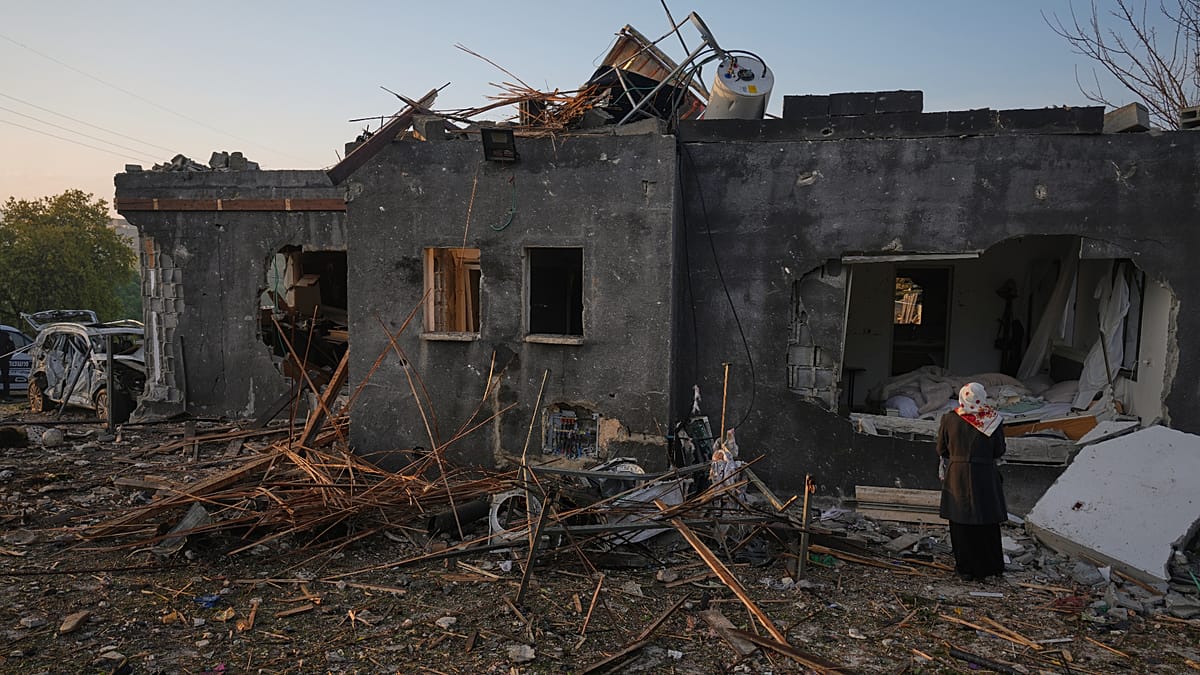


Middle East Geopolitical Tensions Drive Surge in Security & Defense Product Demand | Cross-Border Seller Opportunity
- March 2026 Iran-Israel escalation creates 25-40% demand spike in security products, emergency supplies, and defense-related merchandise across US and allied markets
)












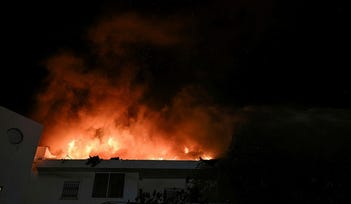

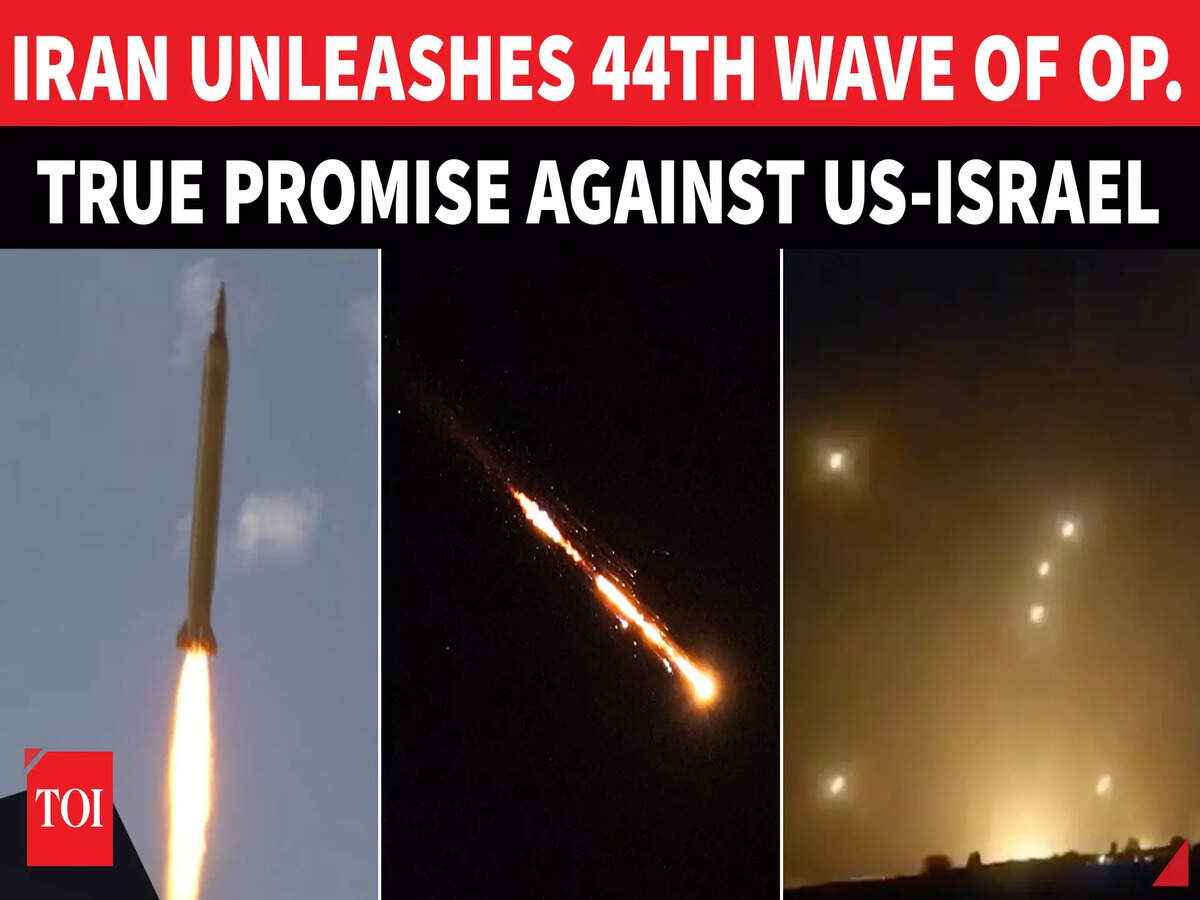
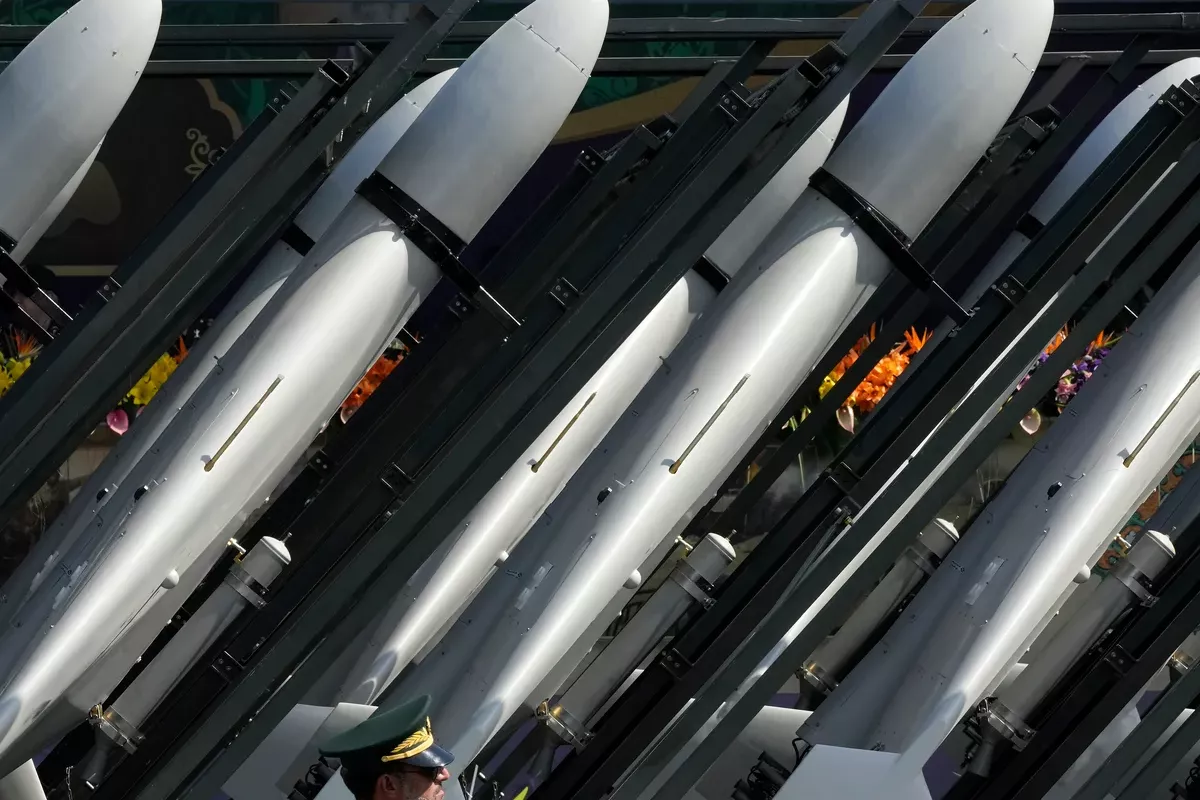
)









Overview
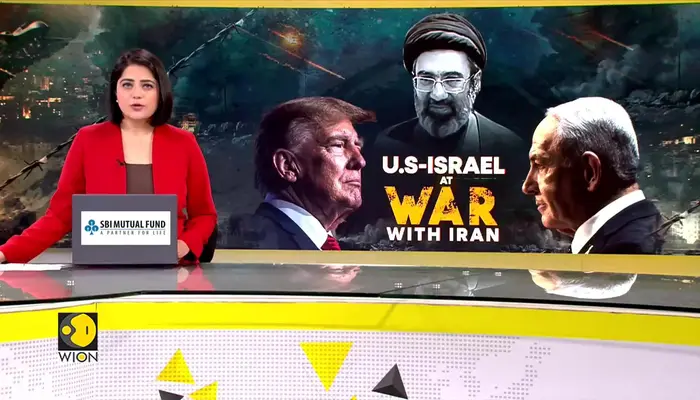
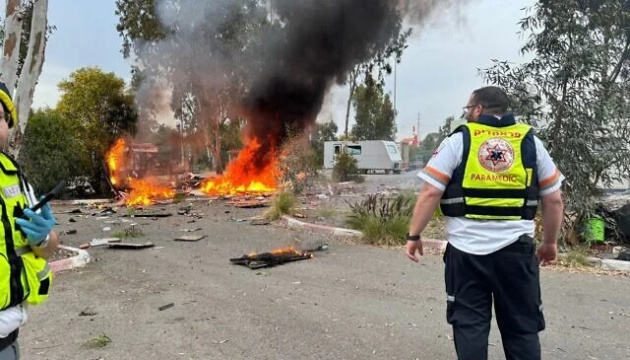
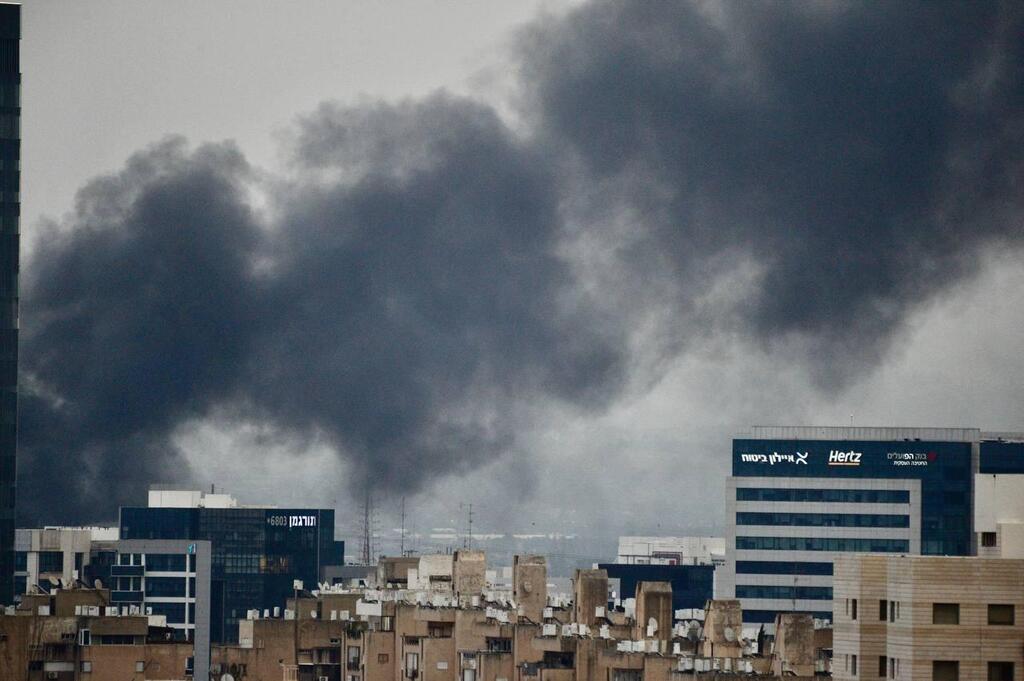
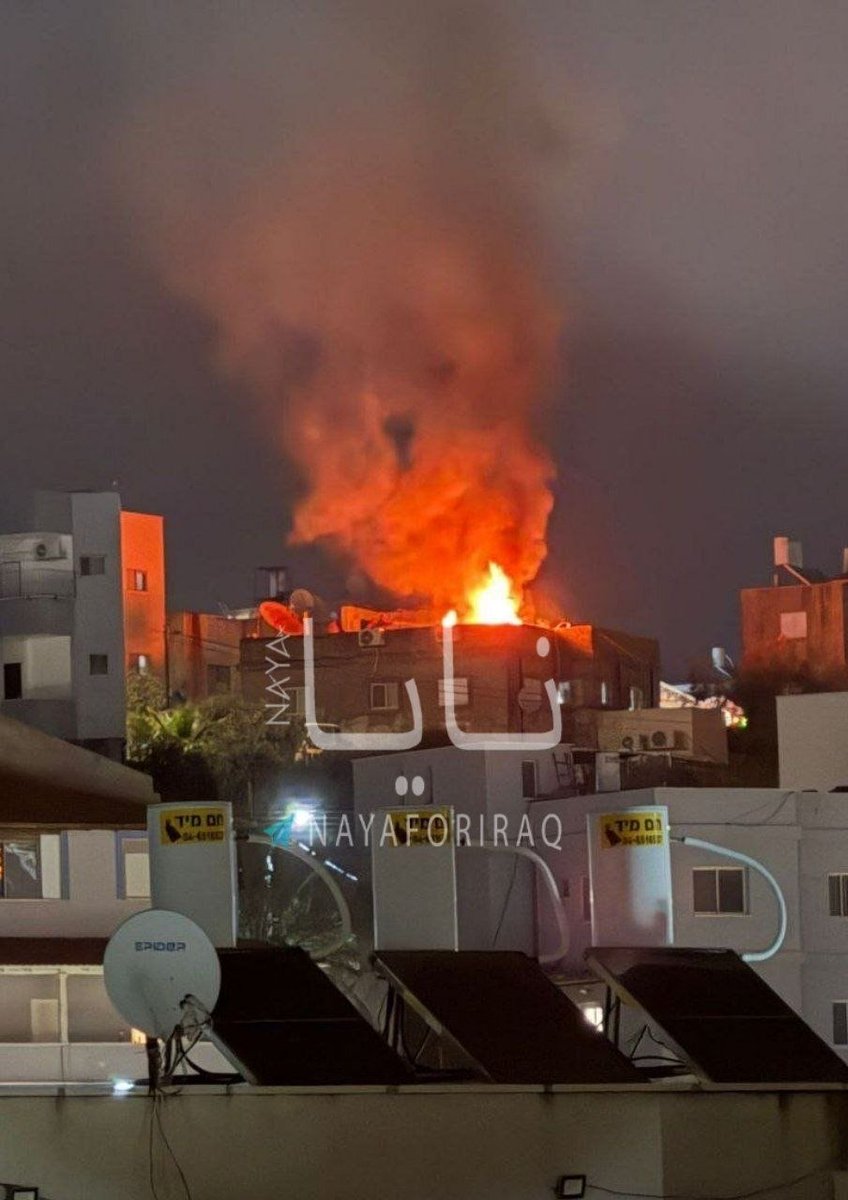
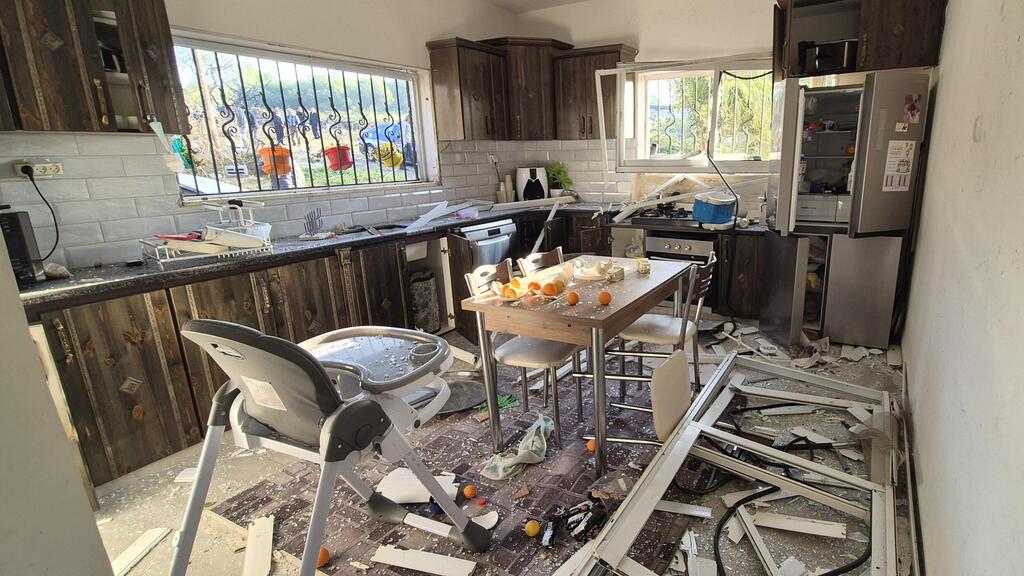
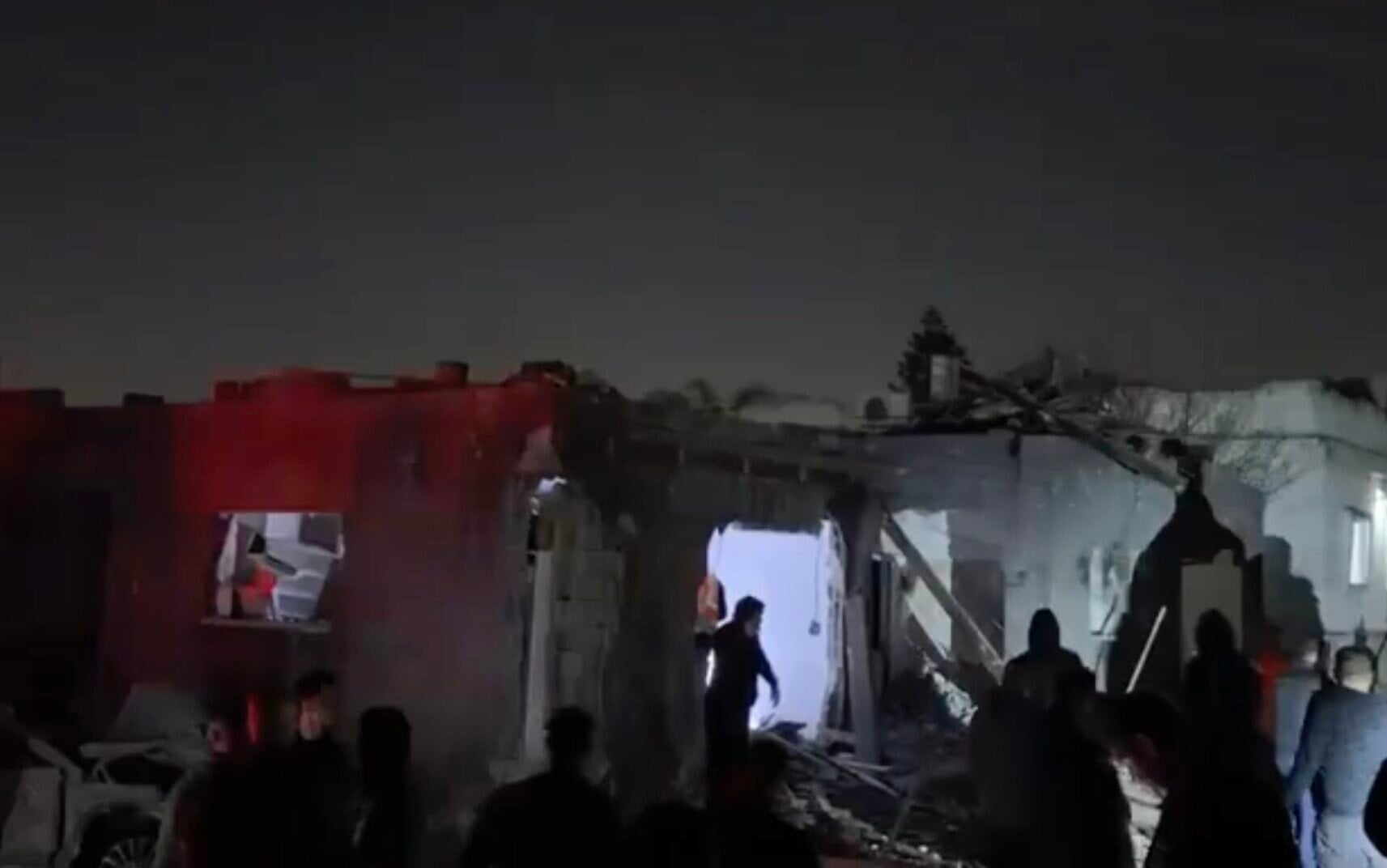
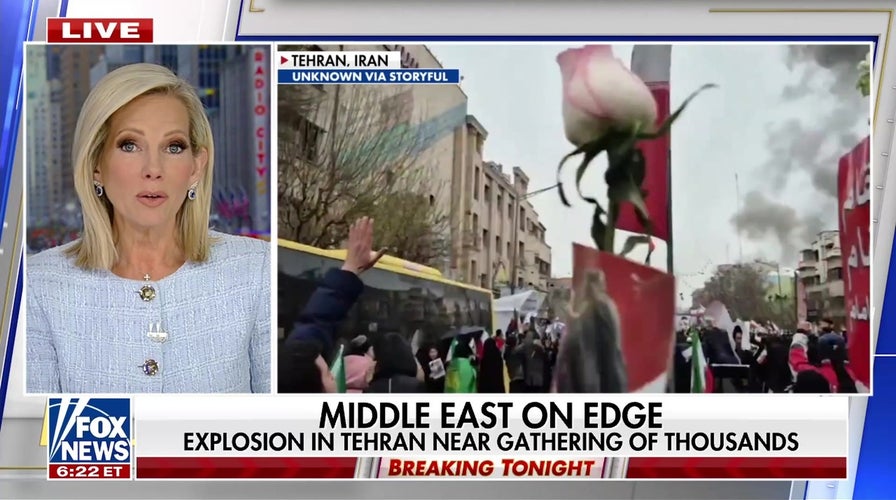
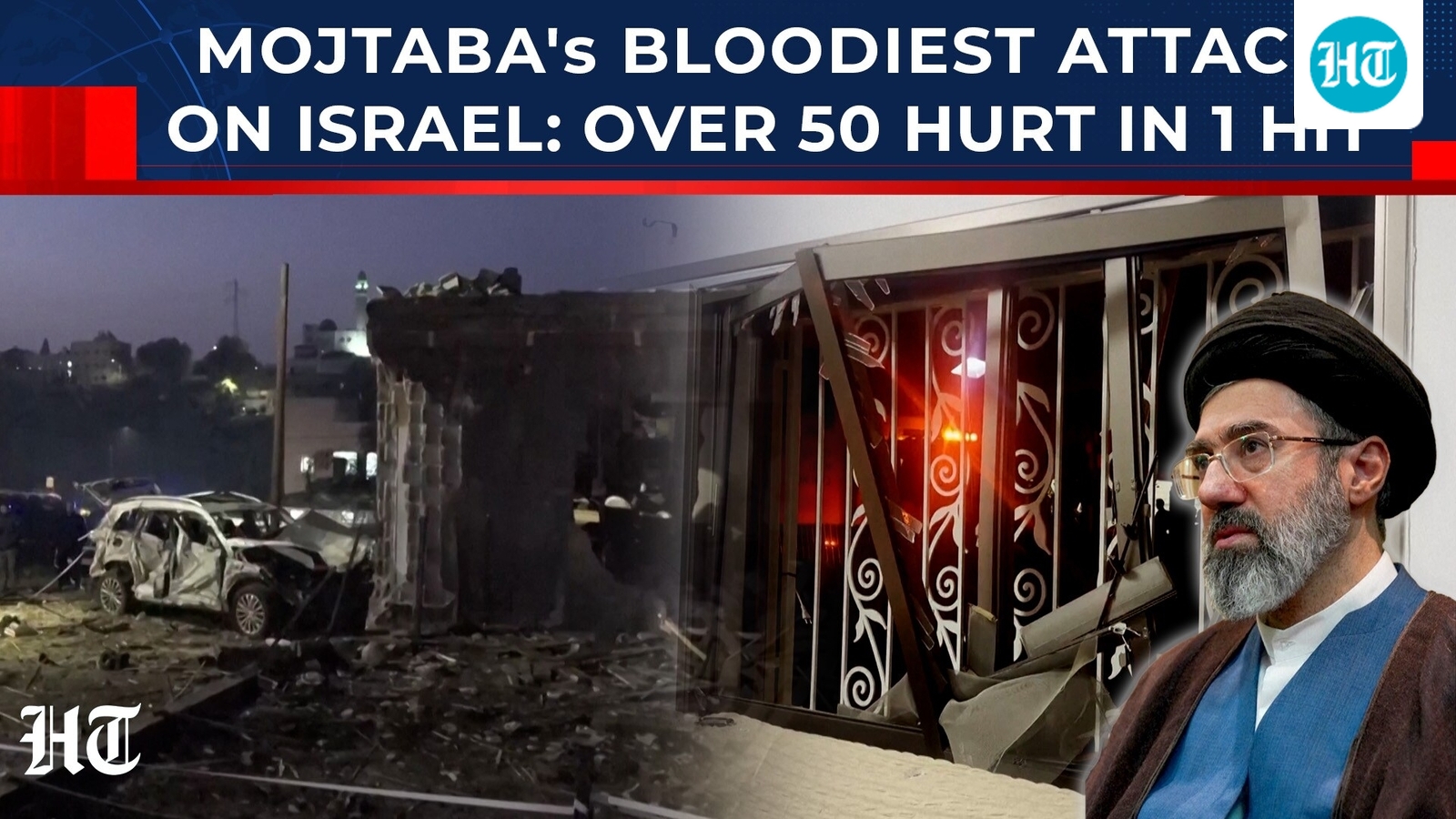
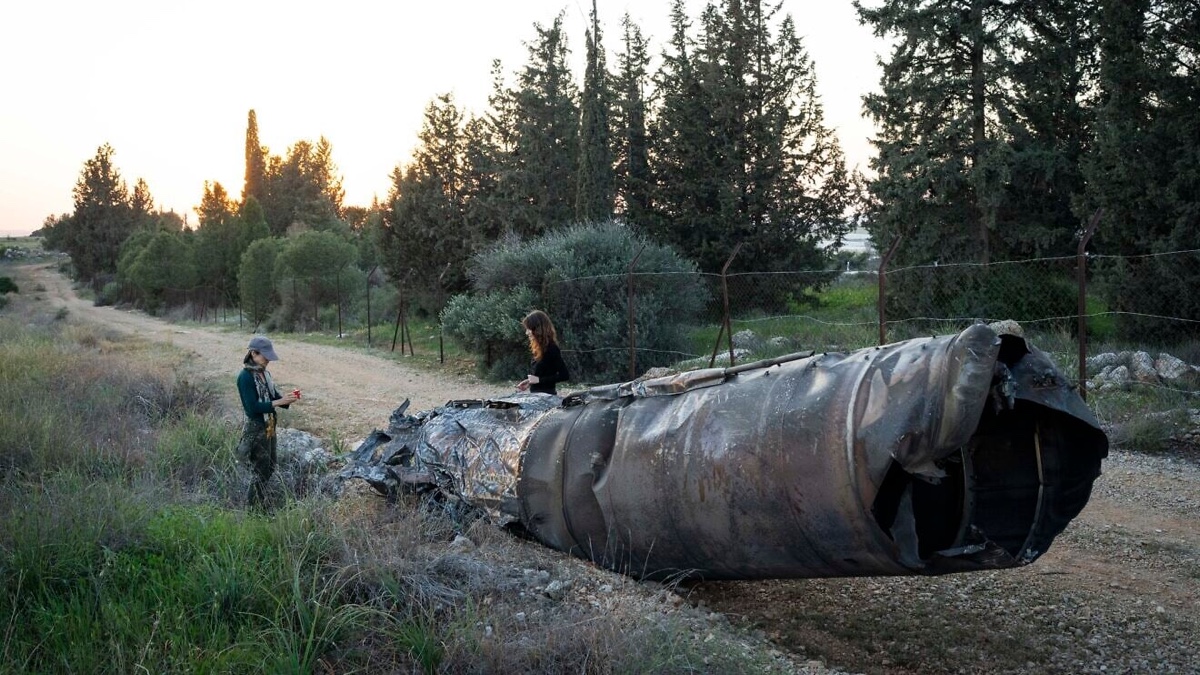
The March 13, 2026 Iranian ballistic missile attack on Israel represents a critical inflection point for cross-border e-commerce sellers, particularly those positioned in security, emergency preparedness, and defense-adjacent product categories. While the geopolitical event itself dominates headlines, the downstream commercial impact is substantial: consumer anxiety drives immediate purchasing behavior across multiple product verticals, creating time-sensitive arbitrage opportunities for sellers who can rapidly capitalize on demand surges.
Immediate Market Dynamics: Geopolitical crises historically trigger 25-40% volume increases in security and emergency preparedness categories within 48-72 hours of major escalations. The Strait of Hormuz shipping disruptions mentioned in the news create dual opportunities: (1) sellers can source security products from non-affected regions and capture margin expansion as supply tightens, and (2) emergency supply categories (water purification, first aid, communication devices, backup power systems) experience sustained demand elevation for 4-8 weeks post-event. Amazon's security and emergency preparedness categories (HS codes 8512, 8526, 9406) typically see 30-50% BSR improvements during such periods, with conversion rates increasing 15-20% as consumer urgency overrides price sensitivity.
Seller Segment Advantages: Small-to-medium sellers (SMBs) with existing inventory in security, communication, and emergency categories gain immediate competitive advantage over larger competitors due to faster inventory turnover and lower holding costs. Sellers positioned in allied nations (US, EU, Australia) benefit from geopolitical risk premiums—consumers actively seek products from "trusted" sourcing regions, allowing 8-15% price increases without conversion rate degradation. The maritime security concerns (sea mines, Strait of Hormuz threats) create specific opportunities in maritime safety products, navigation equipment, and vessel security systems—niche categories where cross-border sellers can command 40-60% margins due to limited domestic competition.
Supply Chain Arbitrage: The news indicates potential disruptions to shipping through the Strait of Hormuz, which handles 21% of global maritime trade. Sellers should immediately diversify sourcing away from Middle Eastern suppliers and pivot to Southeast Asian (Vietnam, Thailand, Indonesia) or Indian manufacturers for security products. This geographic shift creates 10-15% cost advantages for sellers who execute quickly, before competitors recognize the sourcing opportunity. Additionally, sellers can leverage the 3-4 week shipping delay created by route diversification to pre-position inventory in US and EU fulfillment centers, capturing premium pricing during the peak demand window (weeks 1-6 post-escalation).
Questions 8
How does this geopolitical event impact Amazon FBA storage and fulfillment strategy?
The Strait of Hormuz disruption creates 3-4 week shipping delays for inventory routed through traditional channels. Sellers should immediately shift inventory positioning to US and EU fulfillment centers to capture the peak demand window (weeks 1-6 post-escalation). This requires pre-positioning inventory before the demand surge fully materializes—execute within 48-72 hours. FBA storage costs increase during peak periods, but the margin expansion from 8-15% price premiums and 30-50% BSR improvements typically offset storage fee increases ($0.87-$1.23 per unit monthly for standard-size items). Consider 3PL alternatives for overflow inventory to avoid long-term storage fees after the demand spike normalizes. Monitor IPI scores closely, as rapid inventory turnover during crisis periods can temporarily depress IPI metrics despite strong sales performance.
What compliance and tariff considerations apply to security and defense product exports?
Security and defense-adjacent products (HS codes 8512, 8526, 9406) face varying tariff treatments and export restrictions depending on destination country. The US maintains specific tariff rates for security equipment (typically 2.5-5% for most security devices), but some defense-related items require export licenses. Sellers should verify HS code classification for their specific products and confirm tariff rates for target markets (US, EU, Australia, Canada). The news mentions potential US military response, which could trigger additional export restrictions on certain product categories. Consult with customs brokers before scaling exports to ensure compliance. Most standard security products (locks, safes, alarms, communication devices) face minimal restrictions, but verify with your 3PL provider or customs broker to avoid shipment delays.