
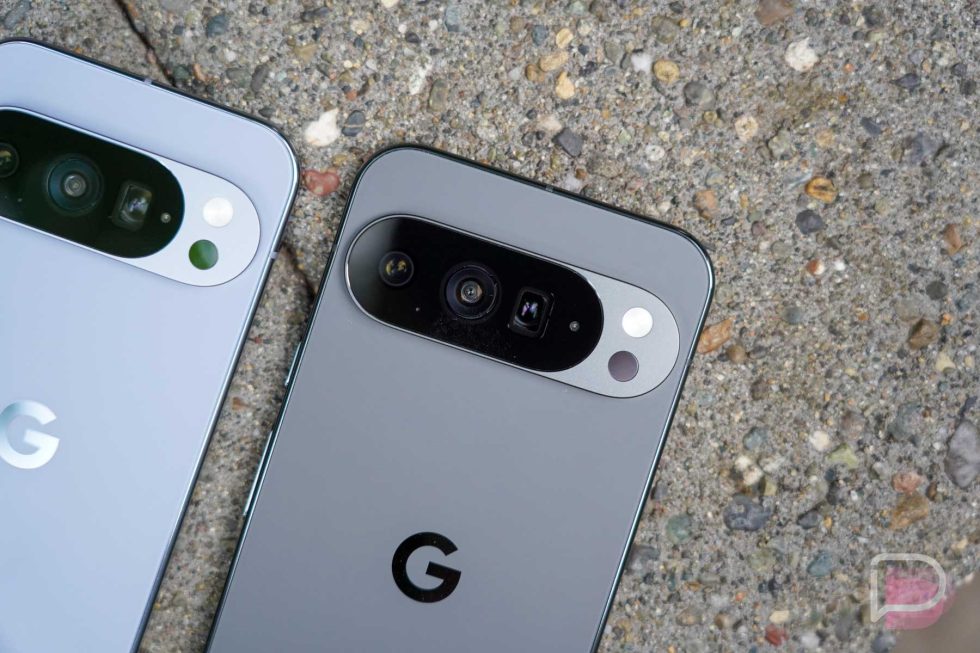
Google's Loyalty Marketing Masterstroke: How Play Points Unlock Pixel Smartphone Discounts
- Precision Marketing Strategy Transforms Loyalty Programs into Hardware Sales Accelerator
Overview
Digital marketing enters a new era of hyper-personalized customer acquisition with Google's innovative Play Points strategy targeting smartphone upgrades. The company has unveiled a groundbreaking approach that transforms loyalty programs from passive reward systems into active sales conversion engines.
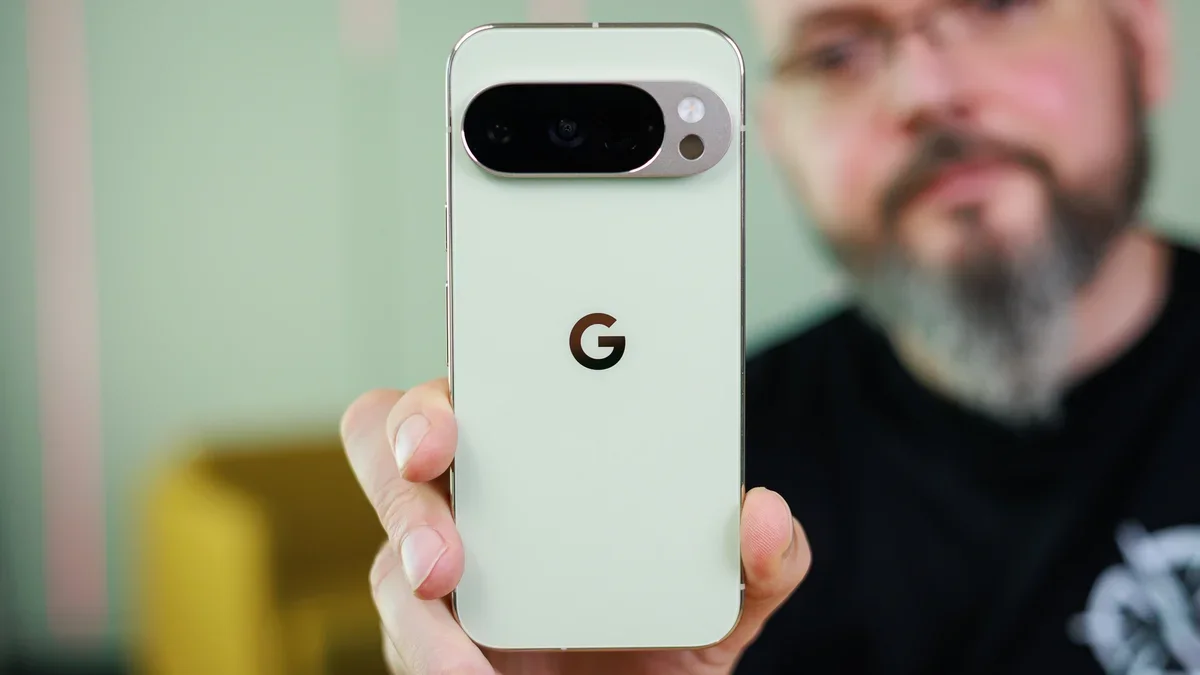
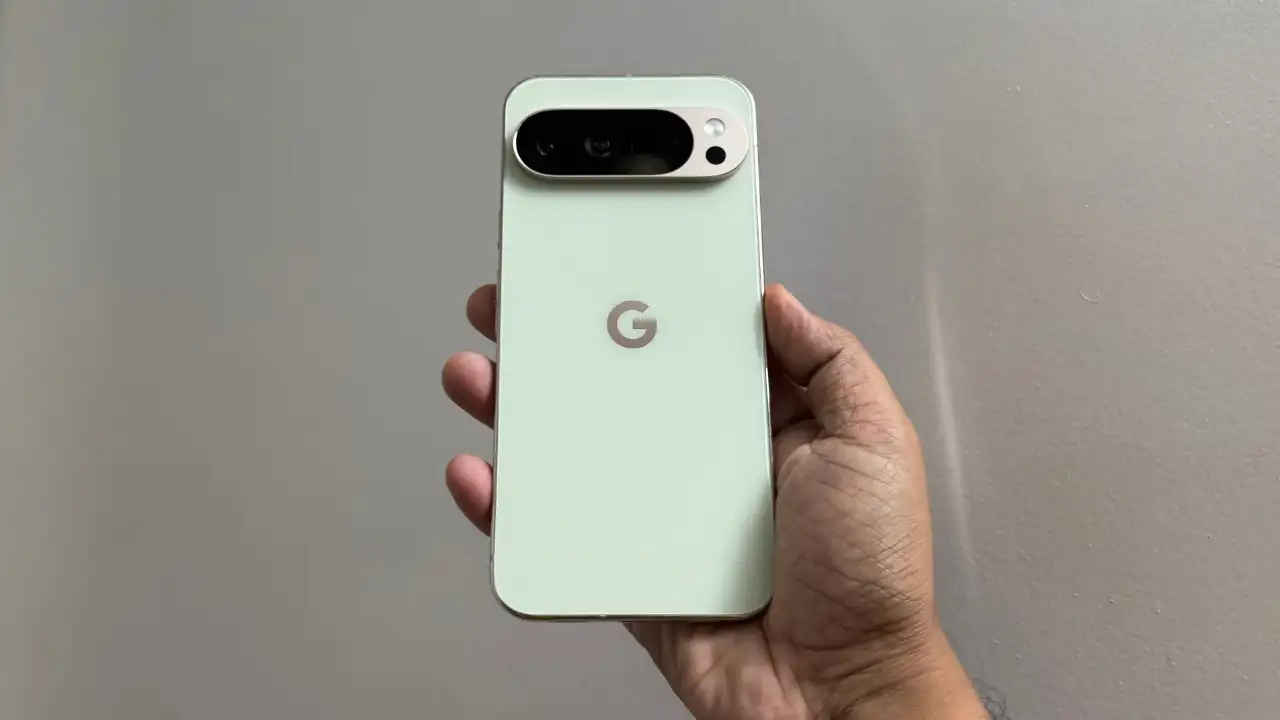
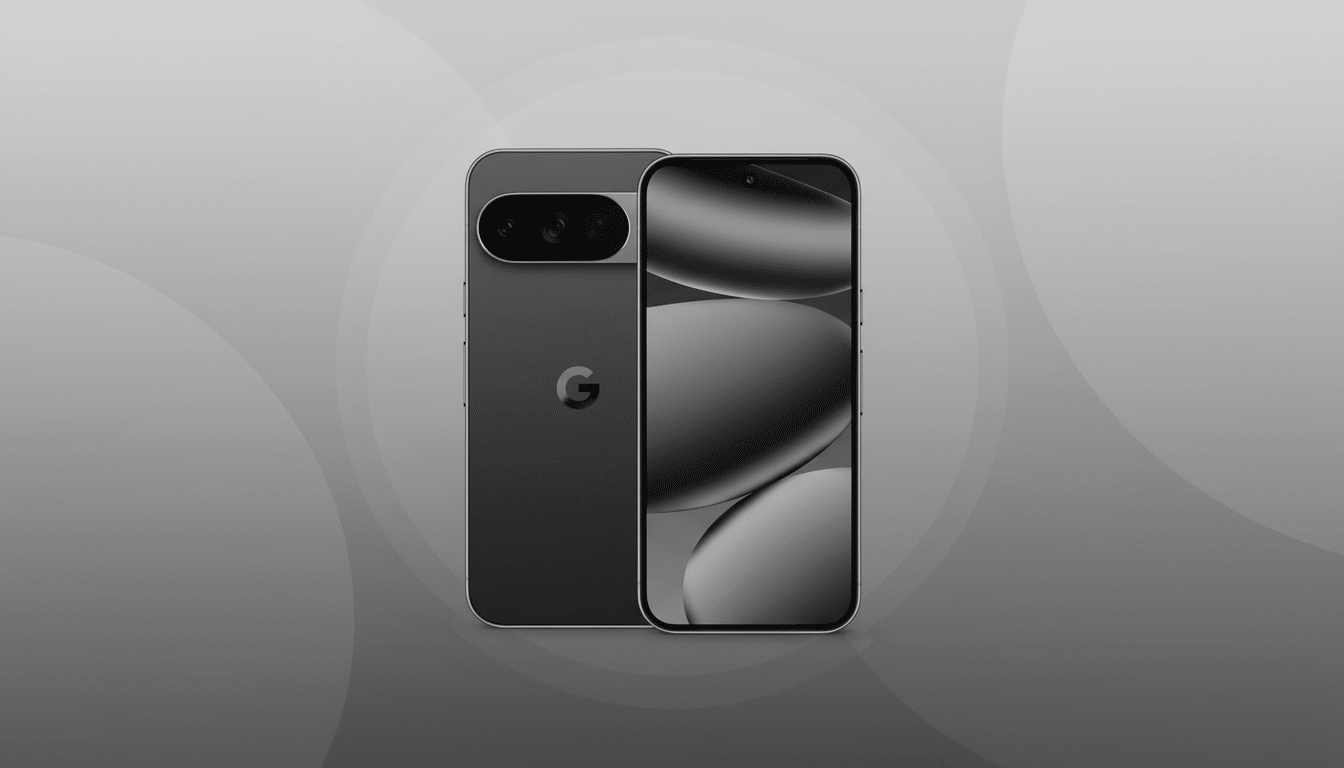
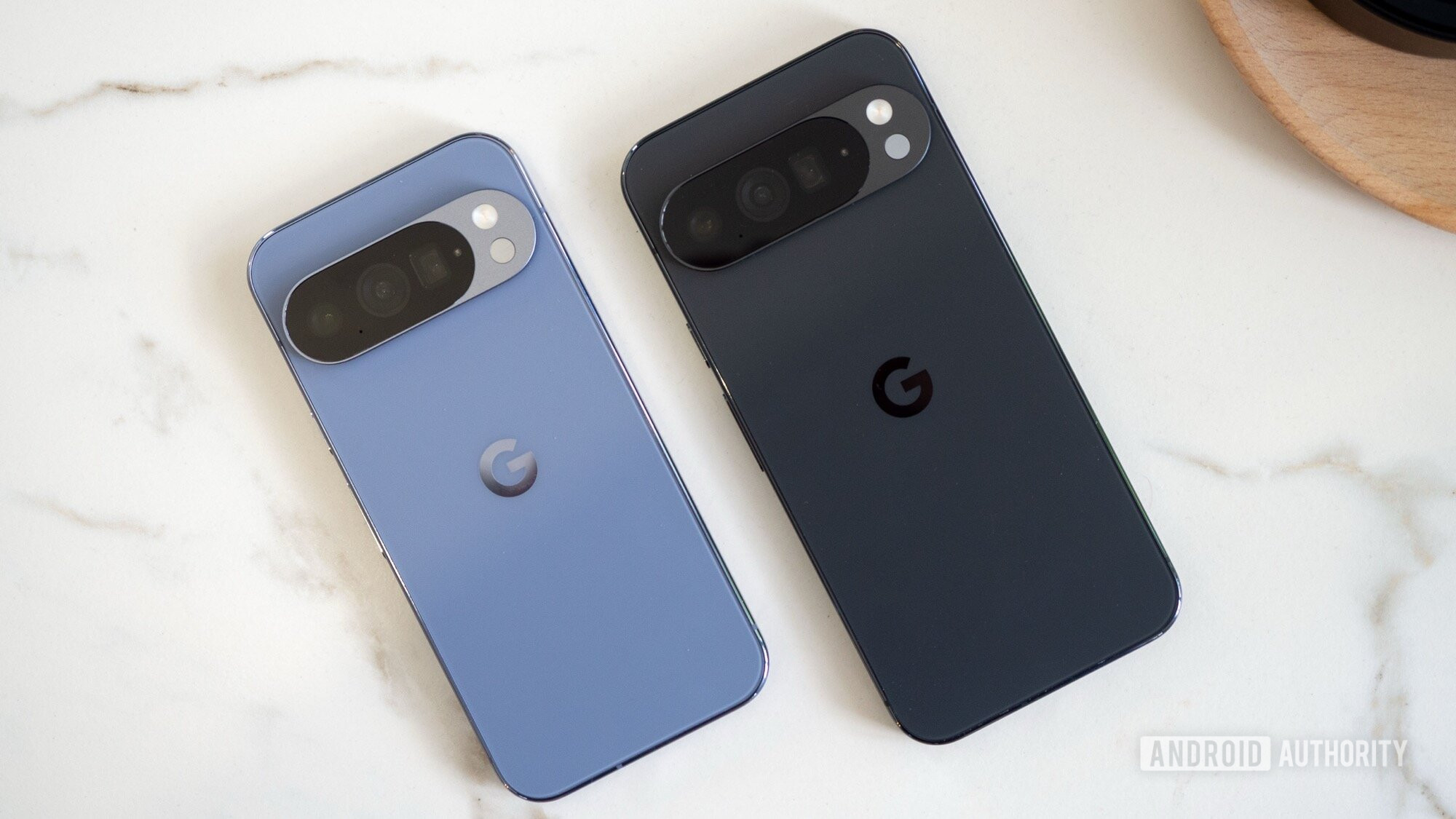
Precision targeting defines this marketing breakthrough. By offering a $200 discount exclusively to select Gold-tier Google Play Points members, the company demonstrates an unprecedented level of strategic segmentation. Some users can purchase the Pixel 10 Pro for as low as $80 after combining multiple discount layers - a move that simultaneously incentivizes ecosystem engagement and hardware adoption.
The promotion reveals three critical digital marketing trends. First, loyalty programs are evolving from point accumulation to direct revenue generation. By stackable discounts that combine Play Points, holiday pricing, and trade-in credits, Google creates a multi-dimensional incentive structure. Second, the offer's selective targeting - available only to specific US-based Gold-tier members using Chrome browser - showcases hyper-personalized marketing precision. Third, the strategy reflects a broader shift toward using first-party data to drive hardware sales in an increasingly competitive smartphone market.
Google's approach represents a sophisticated customer acquisition playbook. Rather than broad discounting, the company leverages granular user engagement data to create tailored incentives. The $200 Pixel discount isn't just a price reduction - it's a strategic tool to pull forward potential buyers, strengthen ecosystem loyalty, and increase device upgrade rates. By making the offer feel exclusive and personalized, Google transforms a traditional sales promotion into a compelling user experience.
The long-term implications are profound. As digital platforms compete for user attention and hardware market share, precision marketing becomes a critical competitive differentiator. Google demonstrates that understanding user behavior allows for creating irresistible, individualized offers that feel more like a personalized recommendation than a generic promotion.
Questions 3
How does Google's Play Points discount strategy differ from traditional promotions?
Unlike broad discounts, Google uses precise targeting based on user engagement level, browser usage, and loyalty tier. The $200 Pixel discount is selectively offered to specific Gold-tier members, transforming loyalty points from passive rewards into active sales conversion tools.
What long-term marketing trend does this promotion represent?
This strategy signals a shift toward hyper-personalized marketing, where first-party data enables companies to create individualized incentives that feel more like tailored recommendations than generic promotions. It demonstrates how digital platforms can use user behavior data to drive hardware sales and ecosystem engagement.