


Strait of Hormuz Crisis Drives 15-25% Shipping Cost Surge | Cross-Border Seller Impact
- Oil prices exceed $100/barrel; insurance premiums spike; sellers face 8-12% logistics cost increases through Q2 2026



















Overview
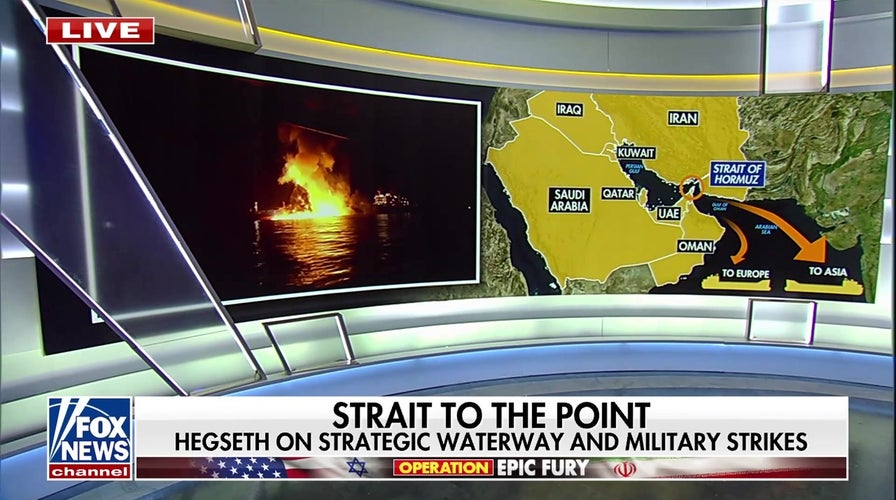
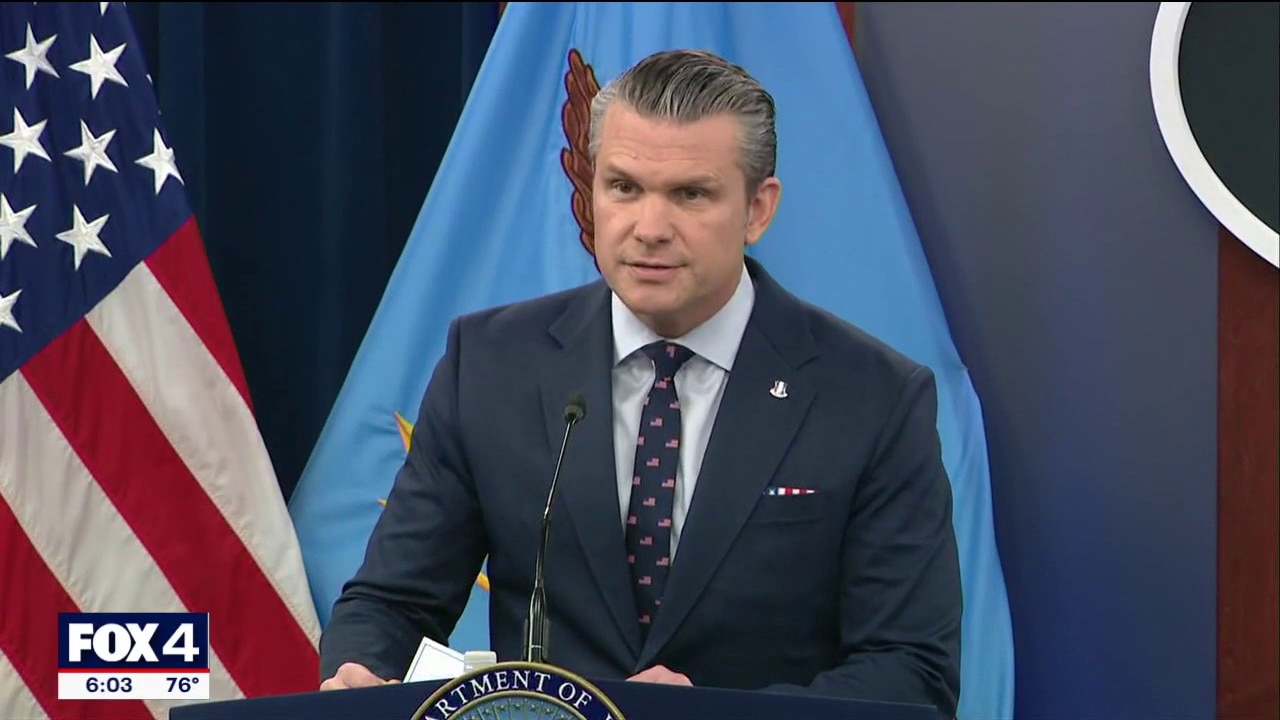
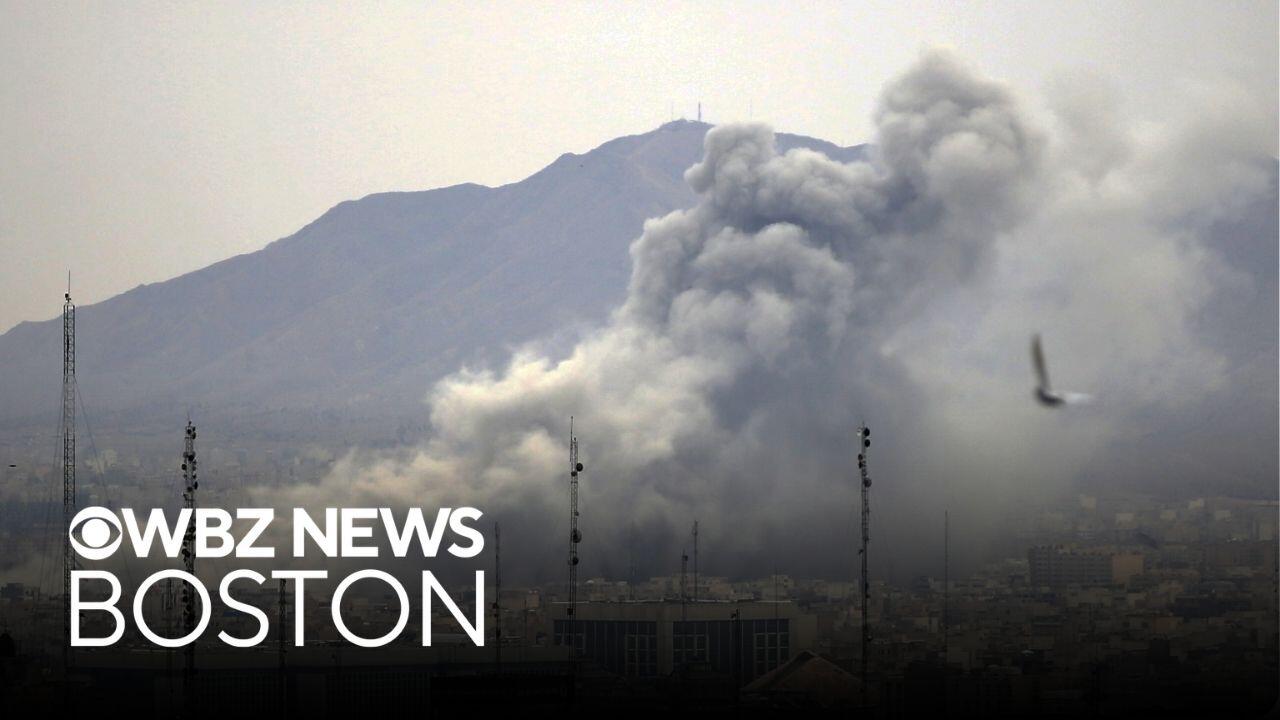
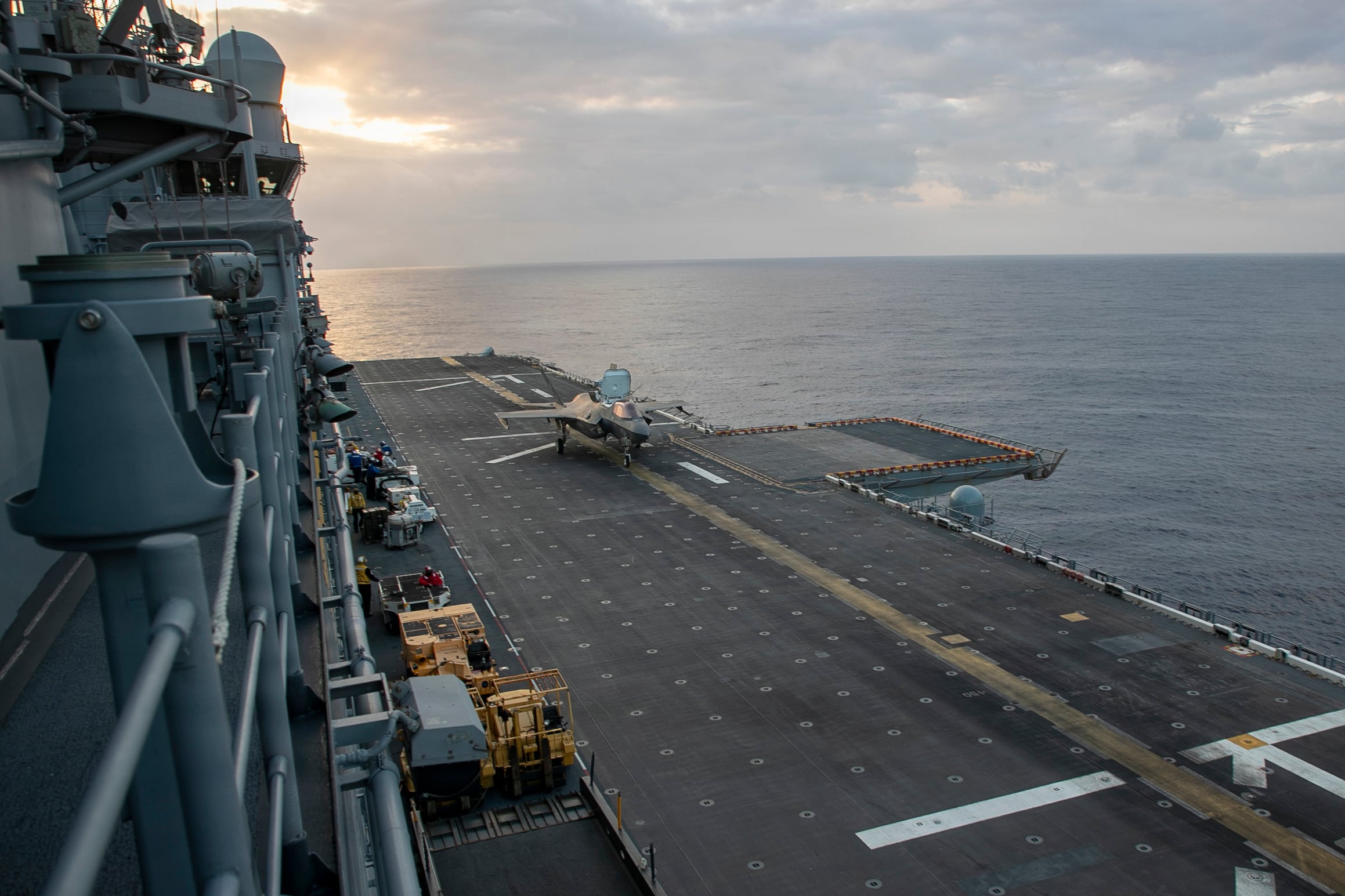
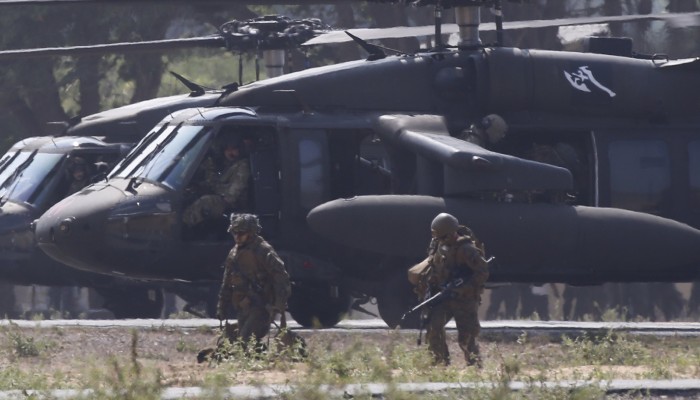
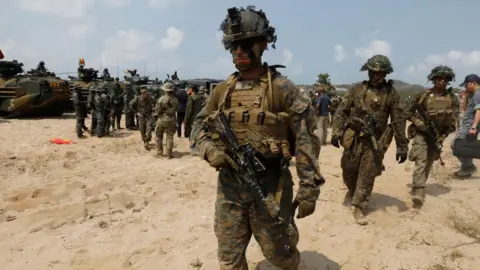
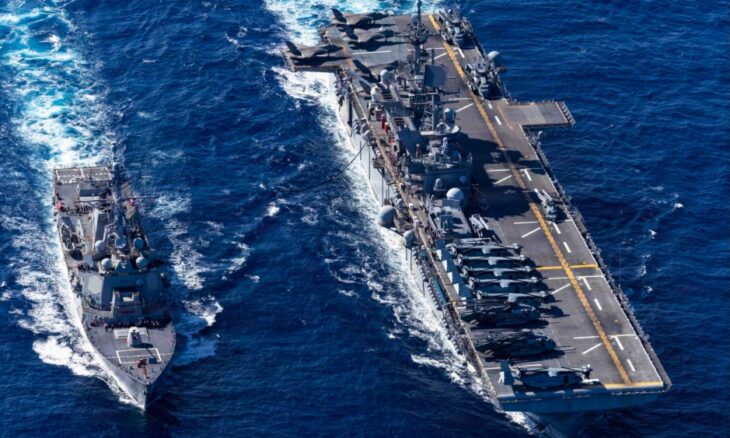
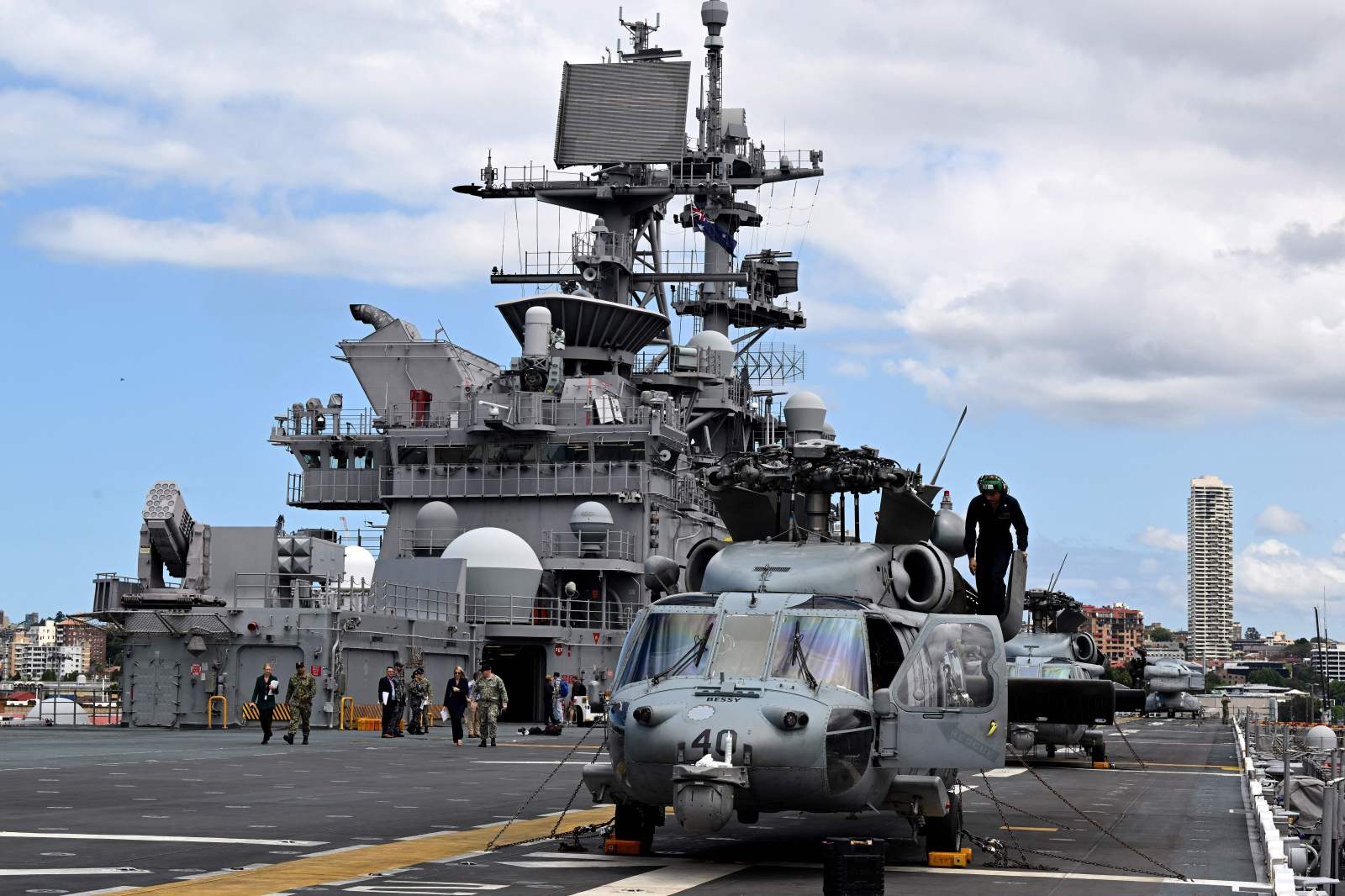
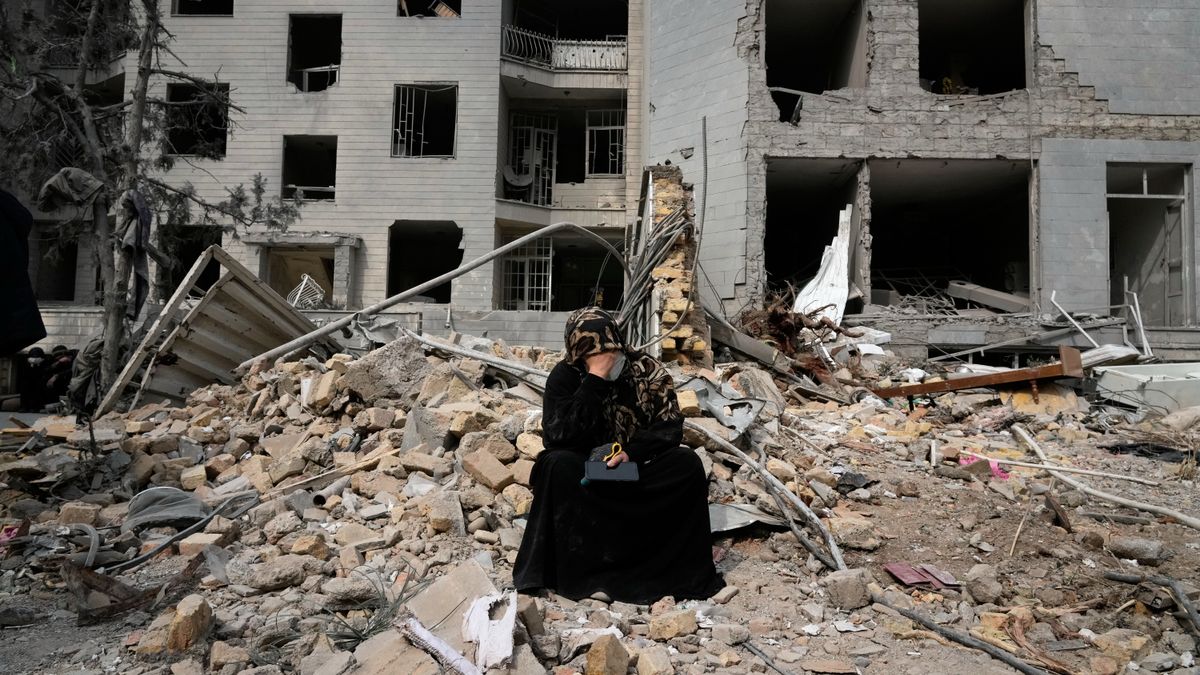
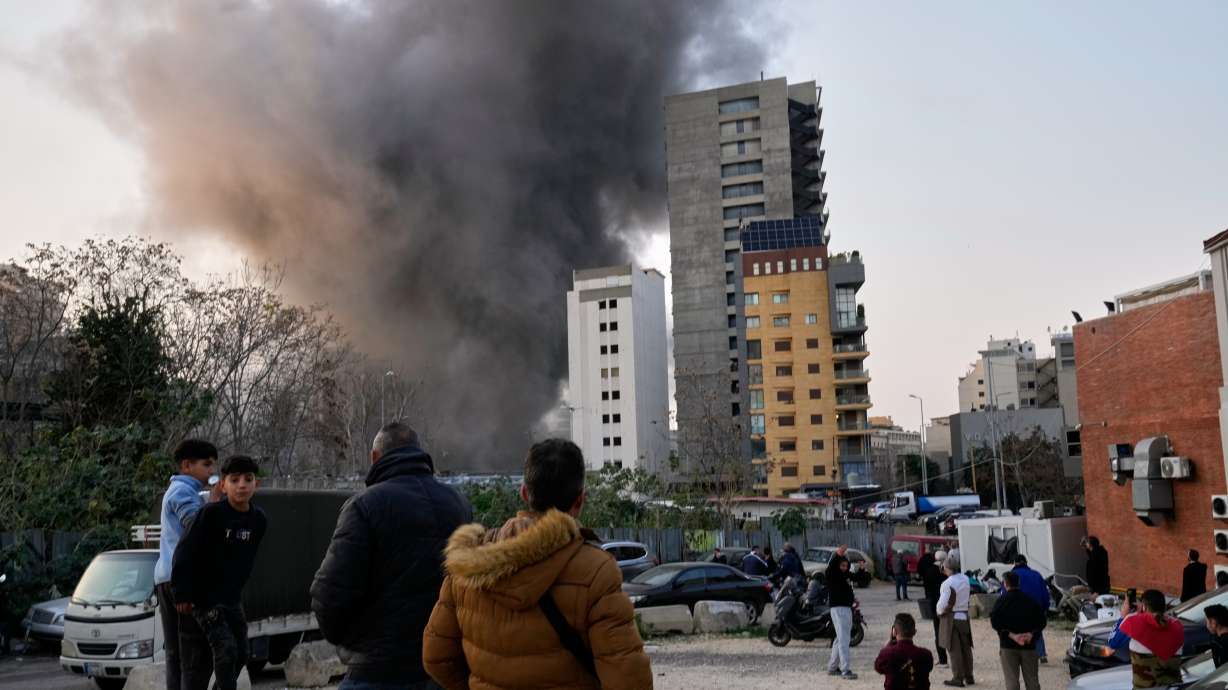
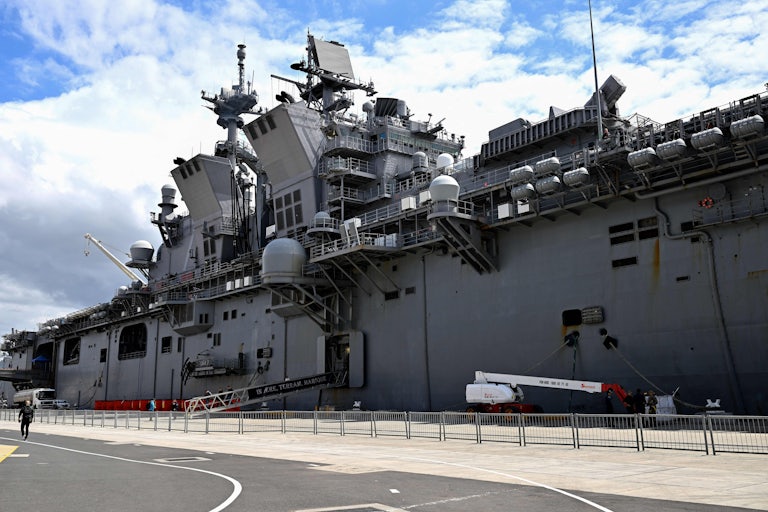
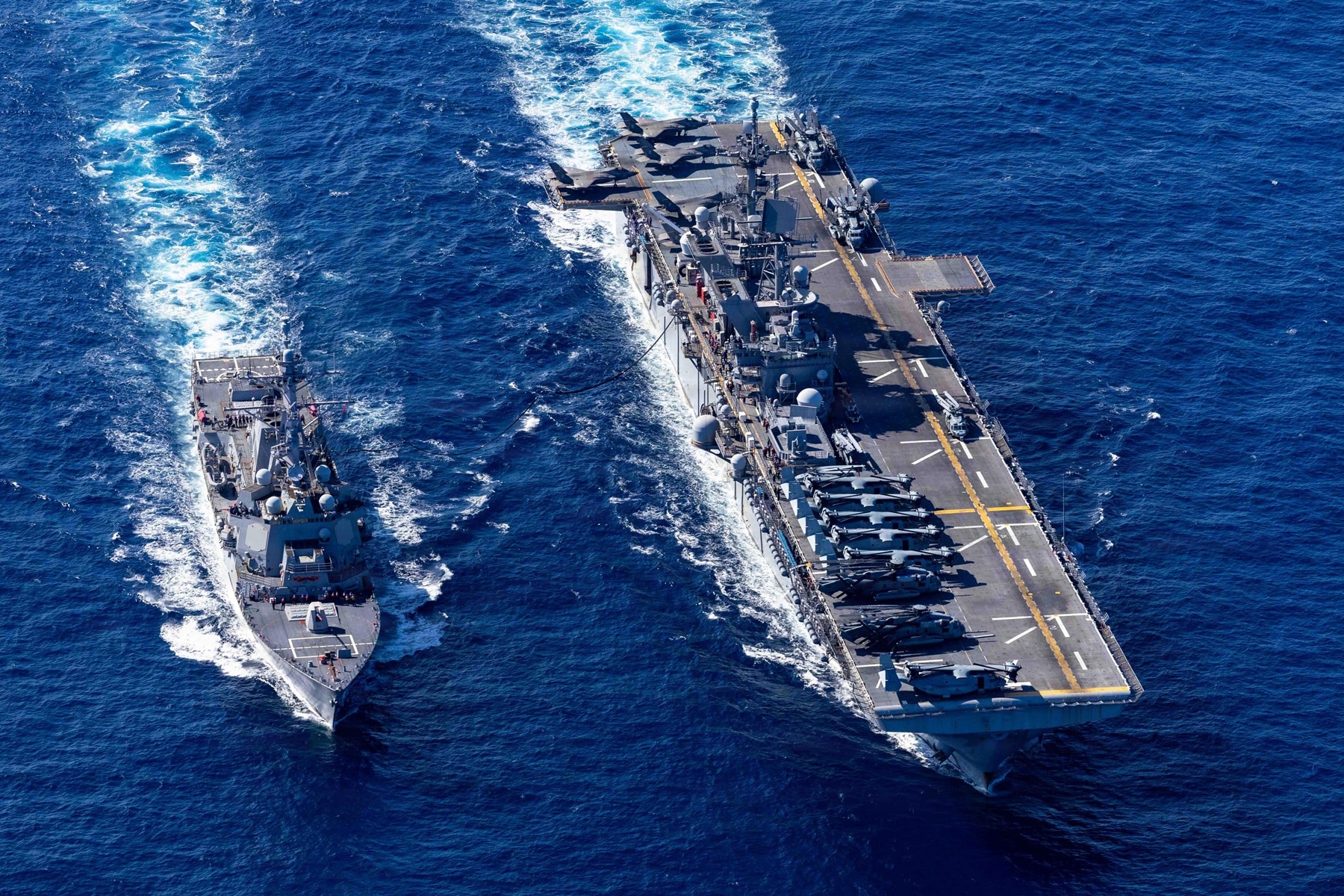
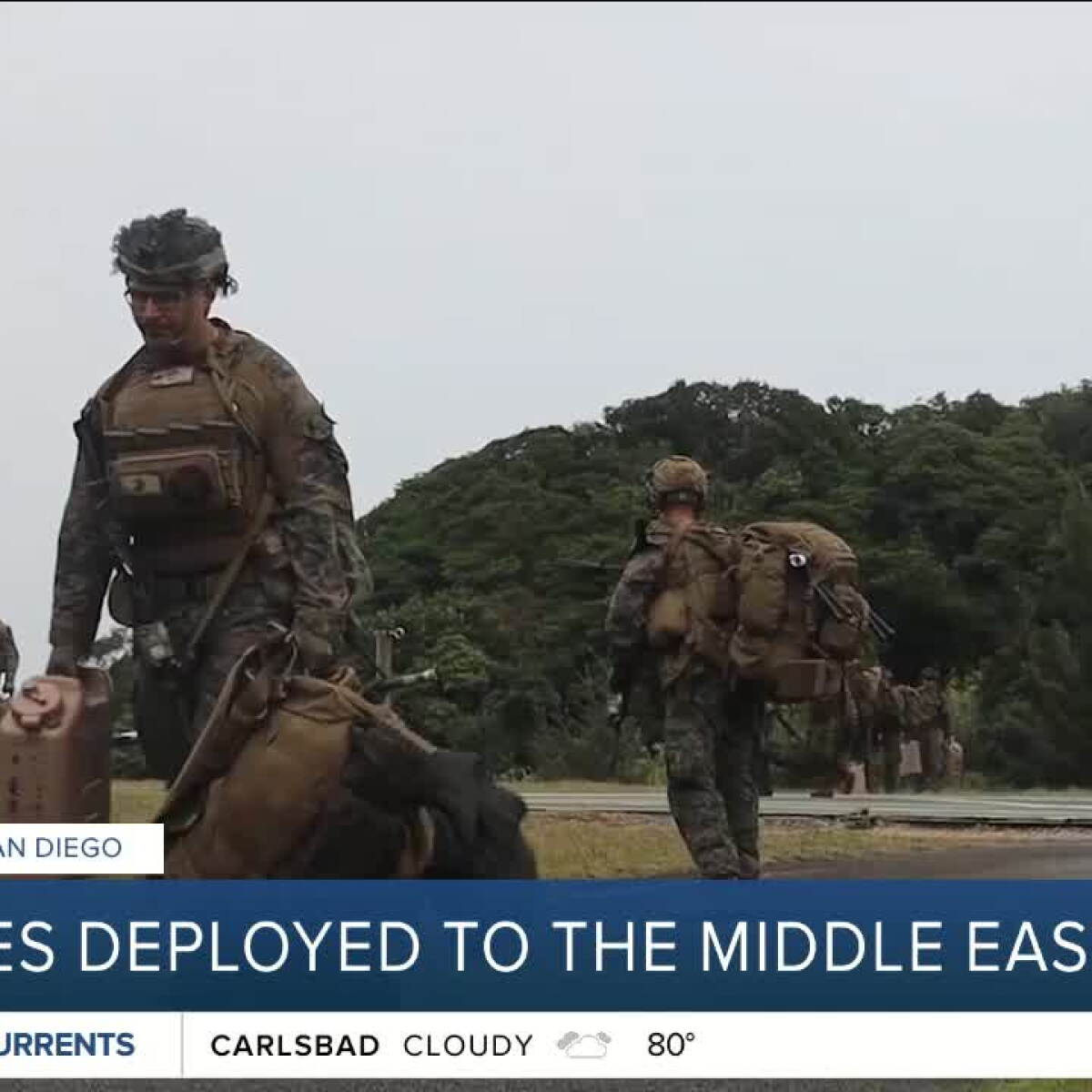
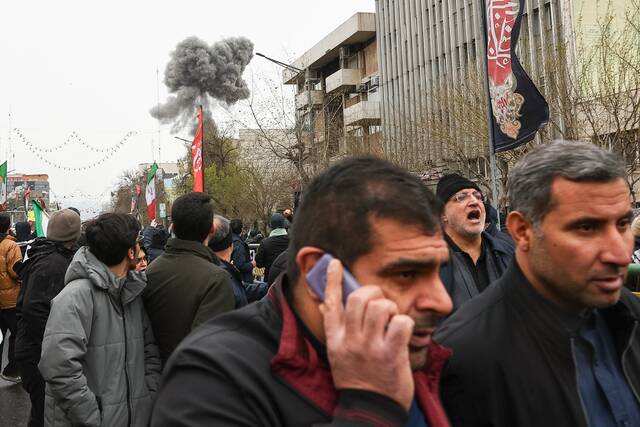
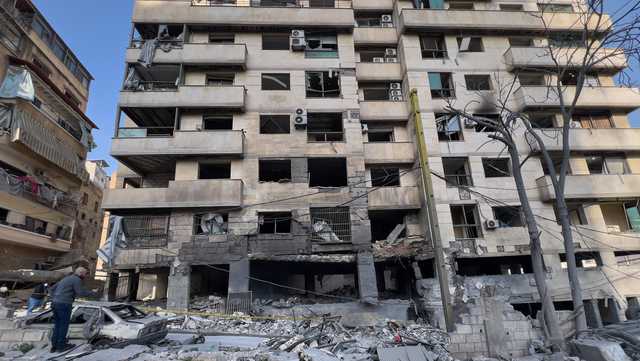
The Pentagon's deployment of additional Marine expeditionary units and warships to the Middle East in March 2026, combined with Iranian attacks on Strait of Hormuz shipping infrastructure, creates a critical supply chain disruption affecting cross-border e-commerce sellers globally. Oil prices surged above $100 per barrel following military escalation, with the U.S. Navy preparing to escort tankers through this critical waterway where traffic has virtually halted. The Strait of Hormuz handles approximately one-third of global maritime oil trade, making this geopolitical crisis a direct cost multiplier for sellers relying on international logistics.
Immediate Impact on Seller Economics: Shipping costs are rising 15-25% for routes transiting Middle Eastern corridors, with insurance premiums increasing 8-12% across all maritime shipments. Sellers using 3PL providers and freight forwarders report surcharges of $200-400 per 40-foot container on Asia-to-Europe routes. Small sellers (under 100 units/month) face proportionally higher per-unit costs, while large FBA sellers with pre-positioned inventory in US/EU warehouses experience less immediate pressure. However, restocking inventory from Asia-Pacific manufacturing hubs now requires 3-5 week delays and elevated insurance costs, compressing margins by 5-8% across electronics, apparel, and home goods categories.
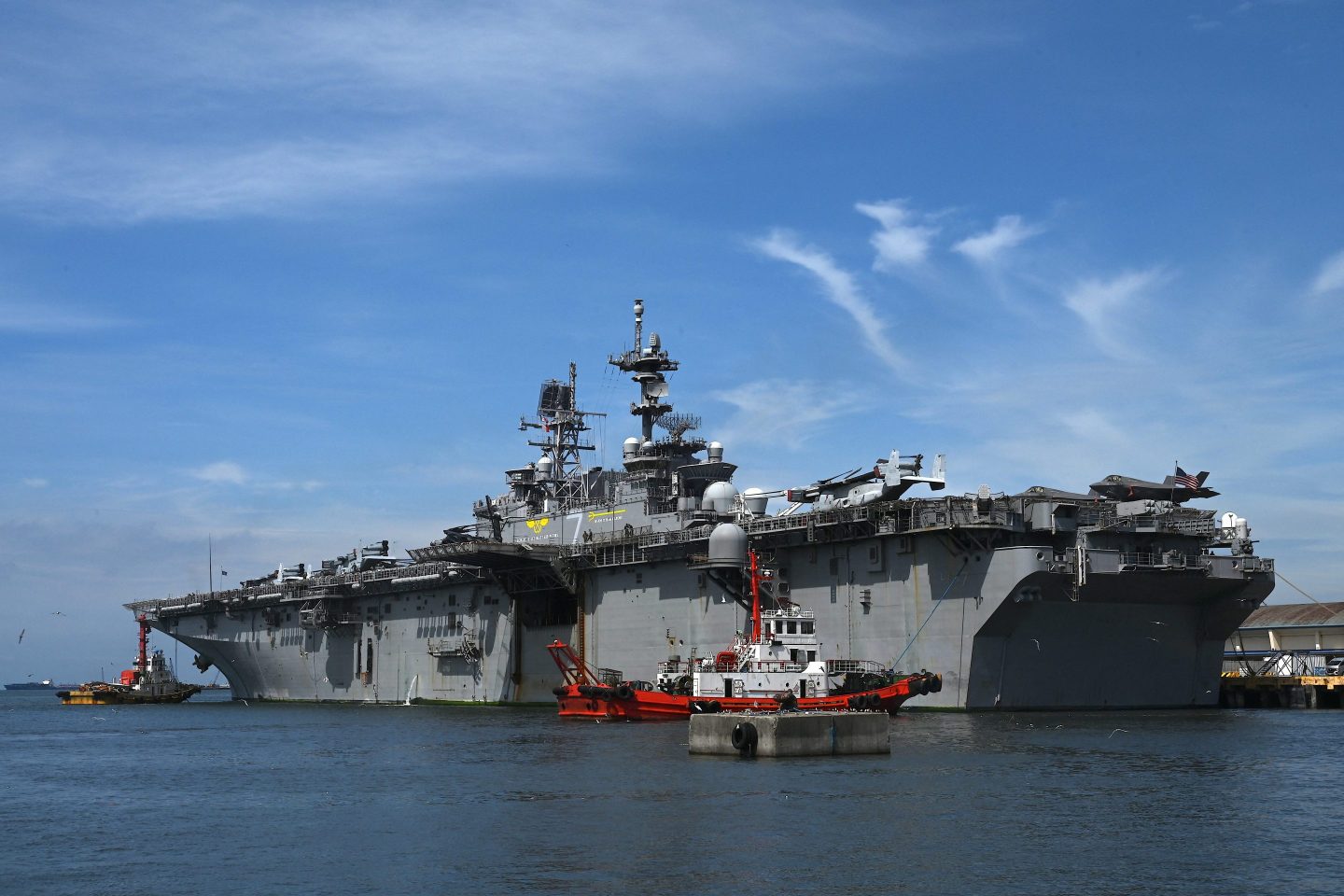
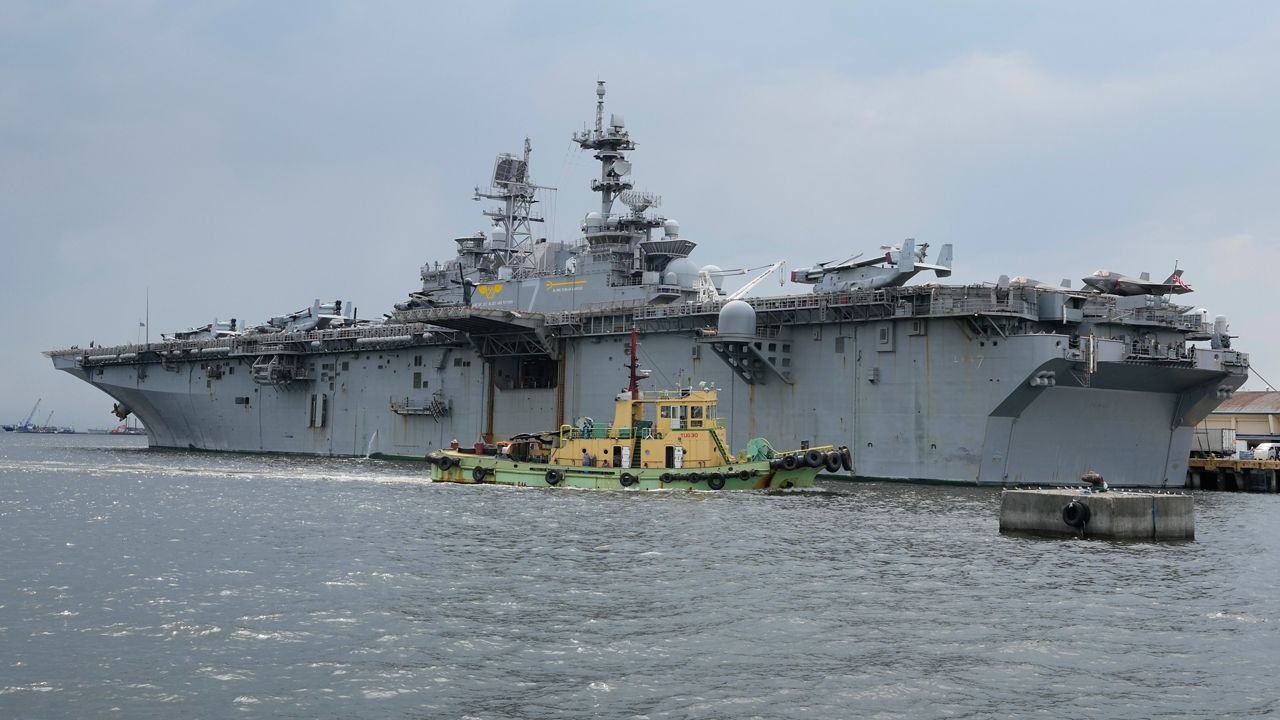
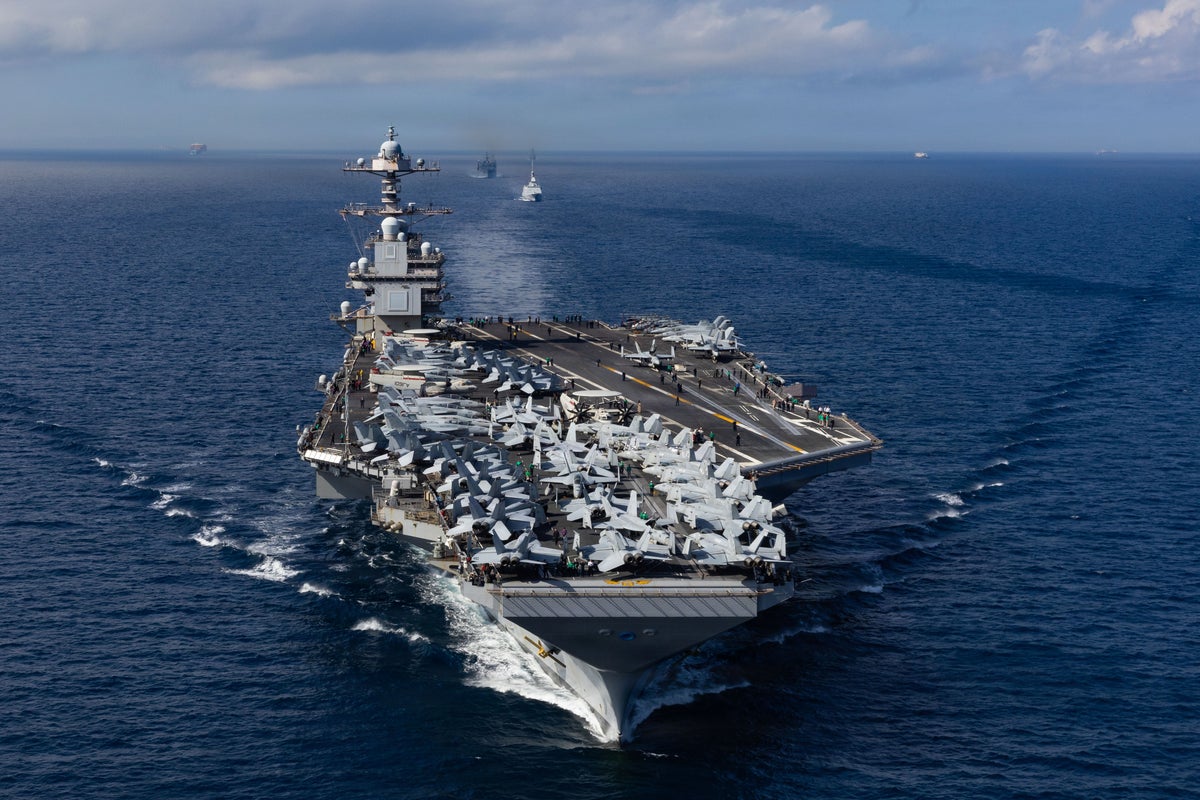
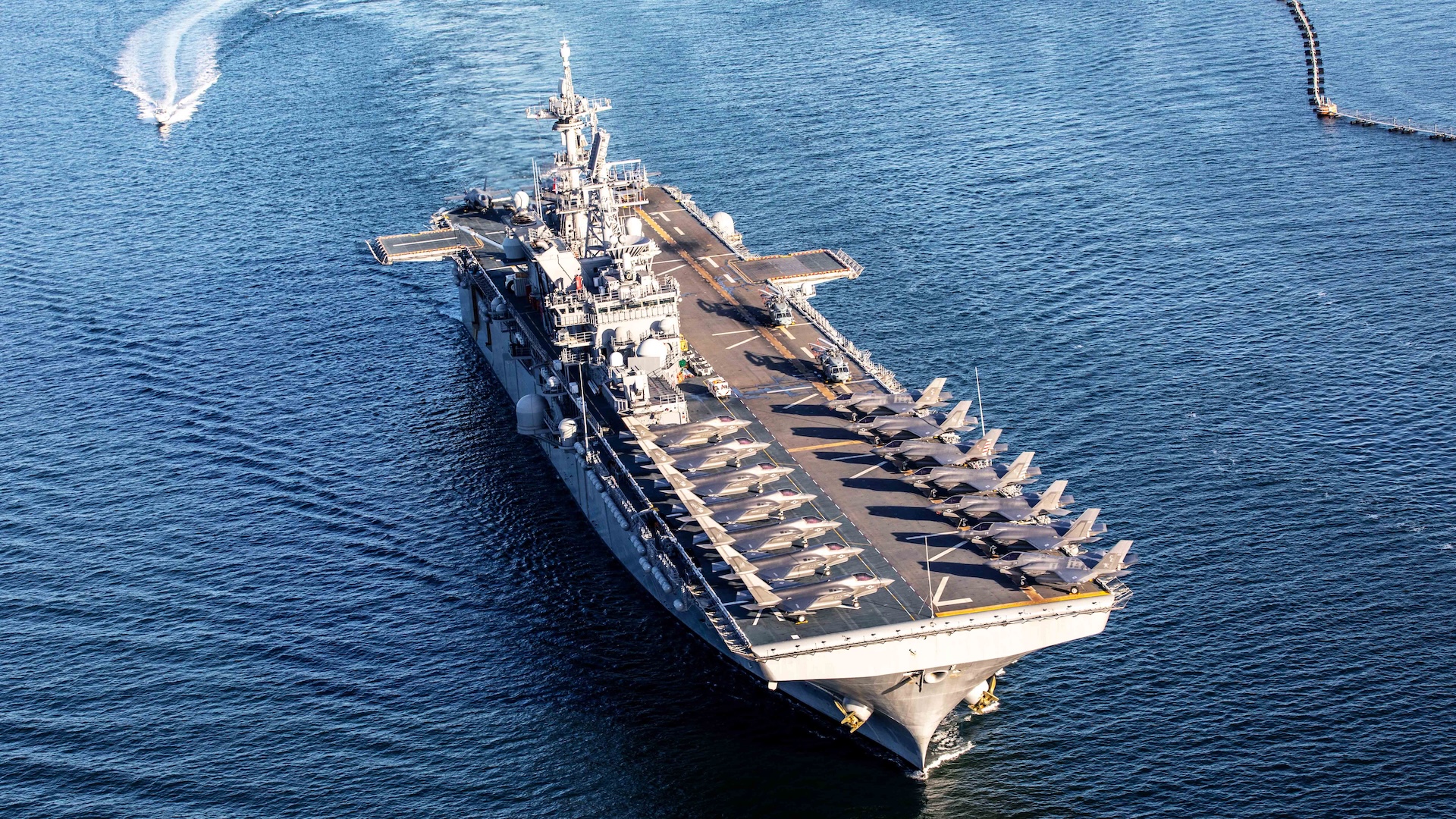
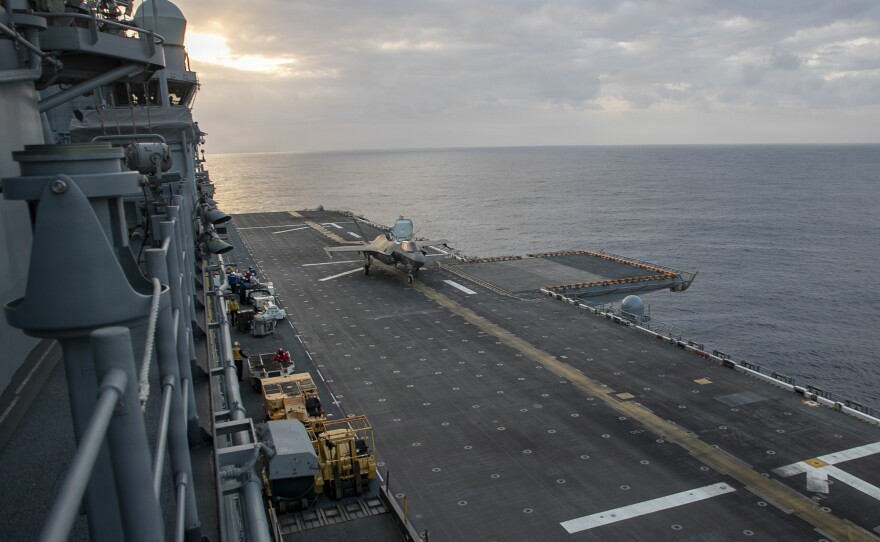
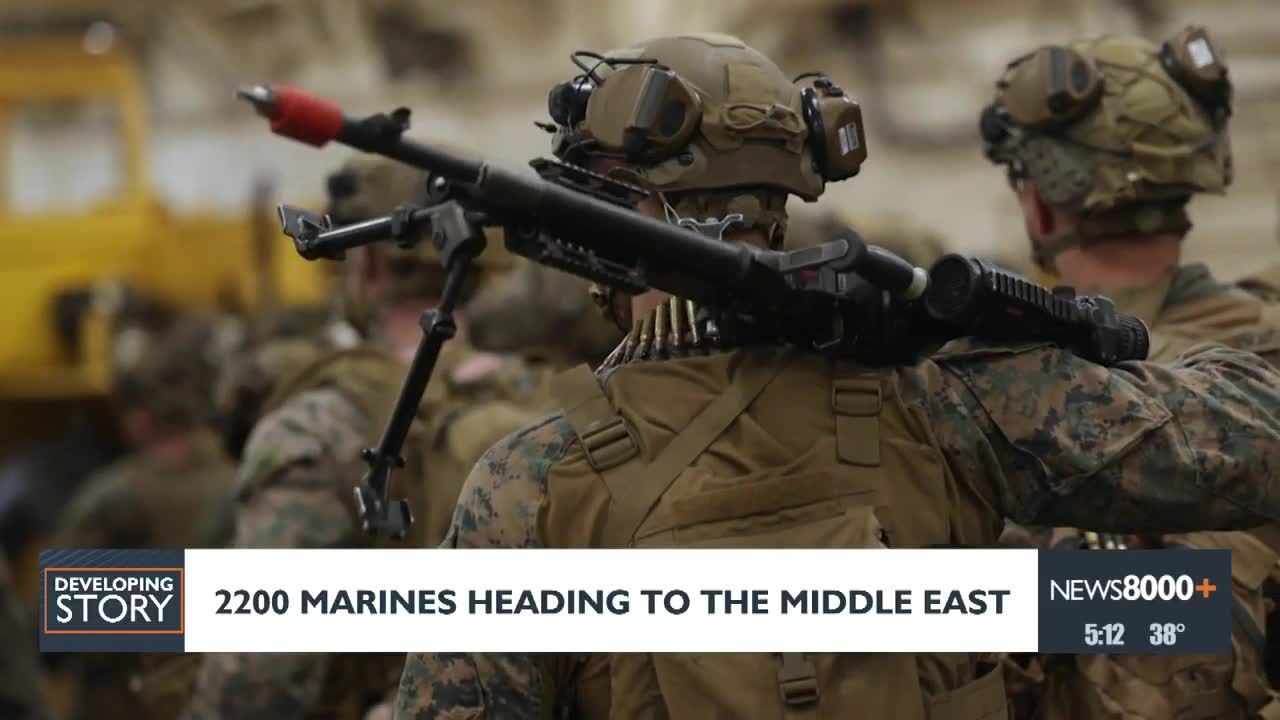
Strategic Implications for Inventory Management: Sellers must immediately reassess inventory positioning and supply chain routing. The traditional Asia-to-Middle East-to-Europe corridor is now 20-30% more expensive and subject to 2-3 week delays due to military escort requirements and insurance complications. Alternative routing through the Suez Canal (longer transit) or air freight (3-5x cost premium) are becoming necessary for time-sensitive inventory. Sellers with exposure to Middle Eastern markets (UAE, Saudi Arabia, Qatar) face additional complications as Qatar evacuates certain areas and regional demand uncertainty increases. The deployment of USS Tripoli (LHA-7) with 2,200 Marines and carrier strike groups led by Gerald R. Ford and Abraham Lincoln signals sustained military presence through at least Q2 2026, indicating this is not a short-term disruption.
Category-Specific Opportunities and Risks: High-margin categories (electronics, luxury goods, specialty items) can absorb 8-12% cost increases while maintaining profitability, but volume-dependent categories (apparel, home goods, consumables) face margin compression. Sellers should prioritize inventory in high-demand categories with 40%+ gross margins. Conversely, this crisis creates opportunities for sellers offering logistics solutions, supply chain consulting, and alternative shipping services. Domestic sellers (US-to-US, EU-to-EU) gain competitive advantage as international shipping becomes costlier, potentially shifting market share toward regional fulfillment strategies.
Questions 8
What inventory positioning strategy should sellers adopt during this supply chain crisis?
Sellers should immediately shift inventory toward high-margin categories (electronics, luxury goods, specialty items with 40%+ gross margins) that can absorb 8-12% cost increases while maintaining profitability. The traditional Asia-to-Middle East-to-Europe corridor is now 20-30% more expensive with 2-3 week delays due to military escort requirements. Alternative routing through Suez Canal adds transit time, while air freight costs 3-5x more. Sellers with Middle Eastern market exposure (UAE, Saudi Arabia, Qatar) face additional complications as Qatar evacuates certain areas. Pre-position inventory in US/EU warehouses to avoid restocking delays and elevated insurance costs. Volume-dependent categories (apparel, home goods) face margin compression and should be de-prioritized.
Which seller segments are most vulnerable to Strait of Hormuz shipping disruptions?
Small sellers (under 100 units/month) face the highest per-unit cost impact due to inability to negotiate volume discounts on surcharges. Volume-dependent categories (apparel, home goods, consumables) with lower margins (15-25%) cannot absorb 8-12% cost increases without significant margin compression. Sellers with heavy Asia-Pacific sourcing and no pre-positioned inventory in US/EU warehouses face 3-5 week restocking delays. Sellers with direct exposure to Middle Eastern markets (UAE, Saudi Arabia, Qatar) face demand uncertainty as Qatar evacuates certain areas. Conversely, domestic sellers (US-to-US, EU-to-EU) and sellers offering logistics solutions gain competitive advantage as international shipping becomes costlier.