


AI Data Center Energy Surge Threatens E-Commerce Margins | $600B Infrastructure Boom Drives Cloud Costs Up 36% by 2027
- U.S. electricity prices surge 36% since 2020; AI data centers consuming 24x faster than other sectors; cloud-dependent sellers face 8-15% operational cost increases by 2027




















Overview
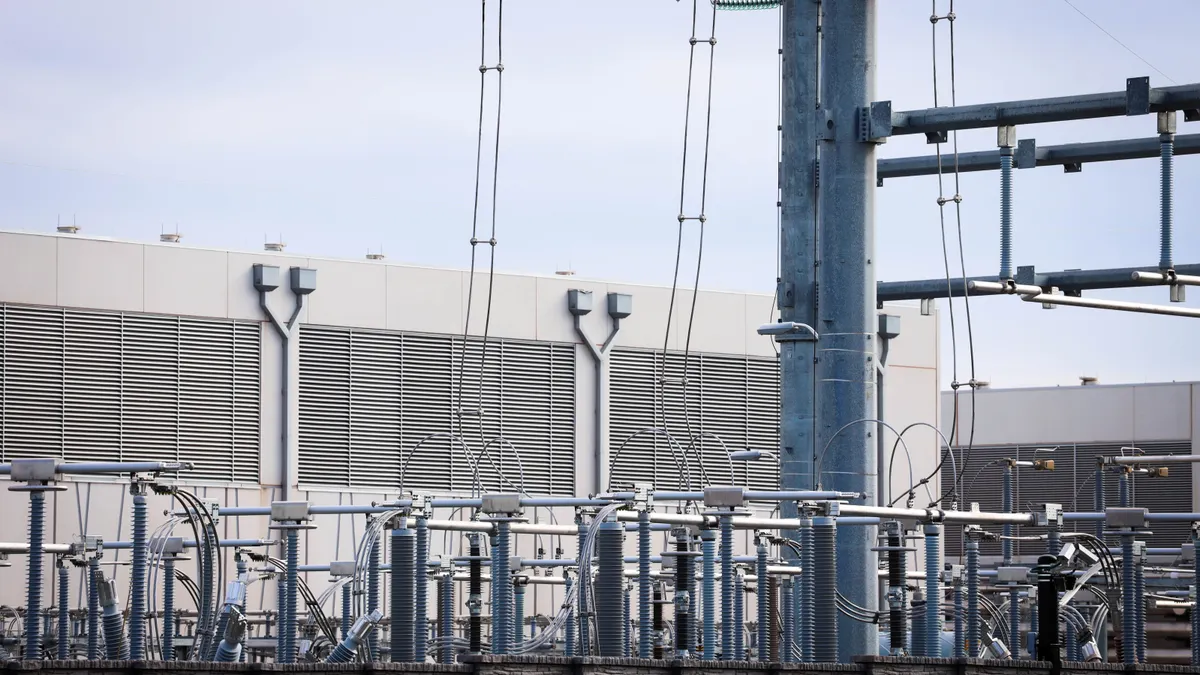
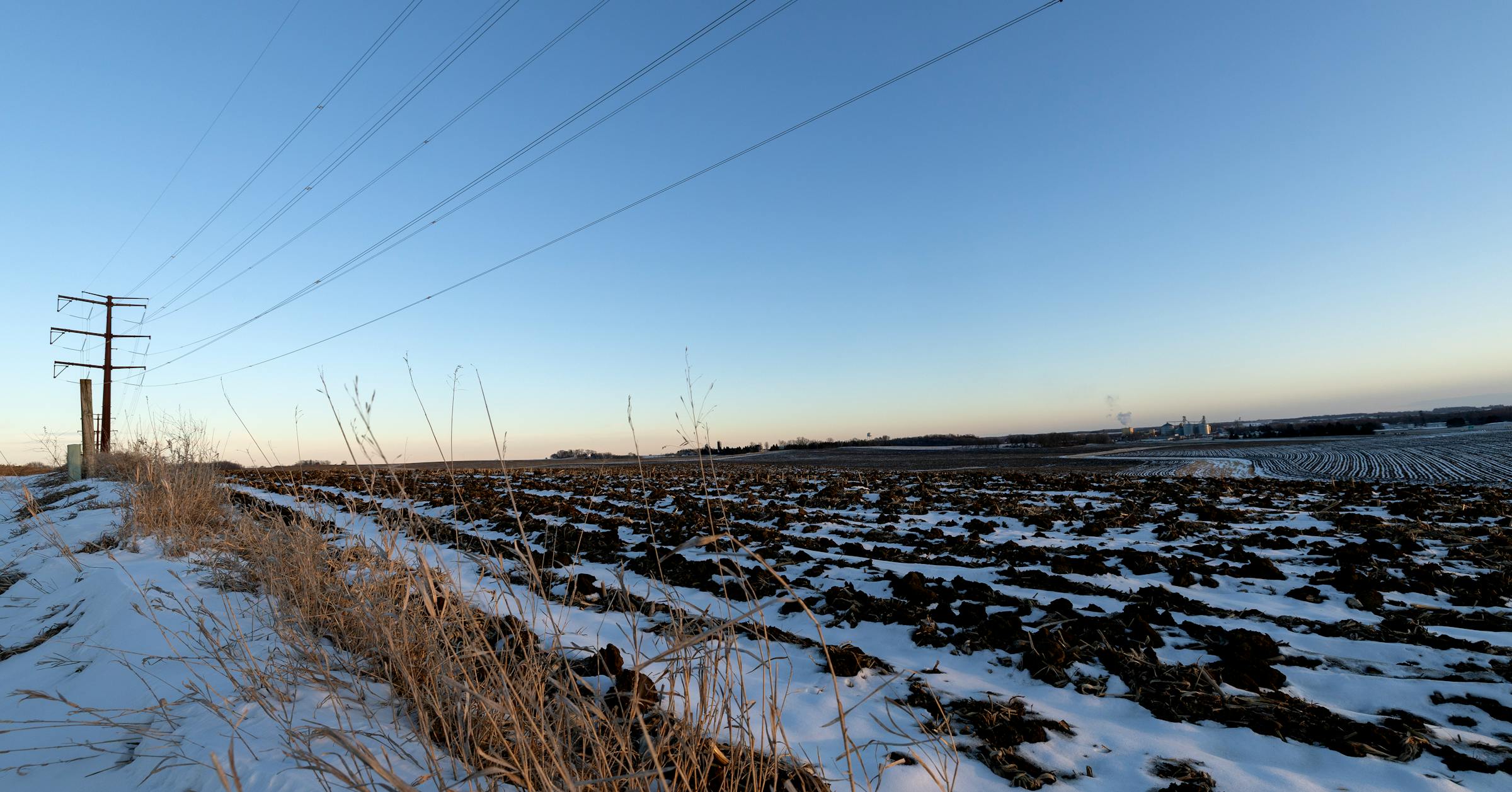
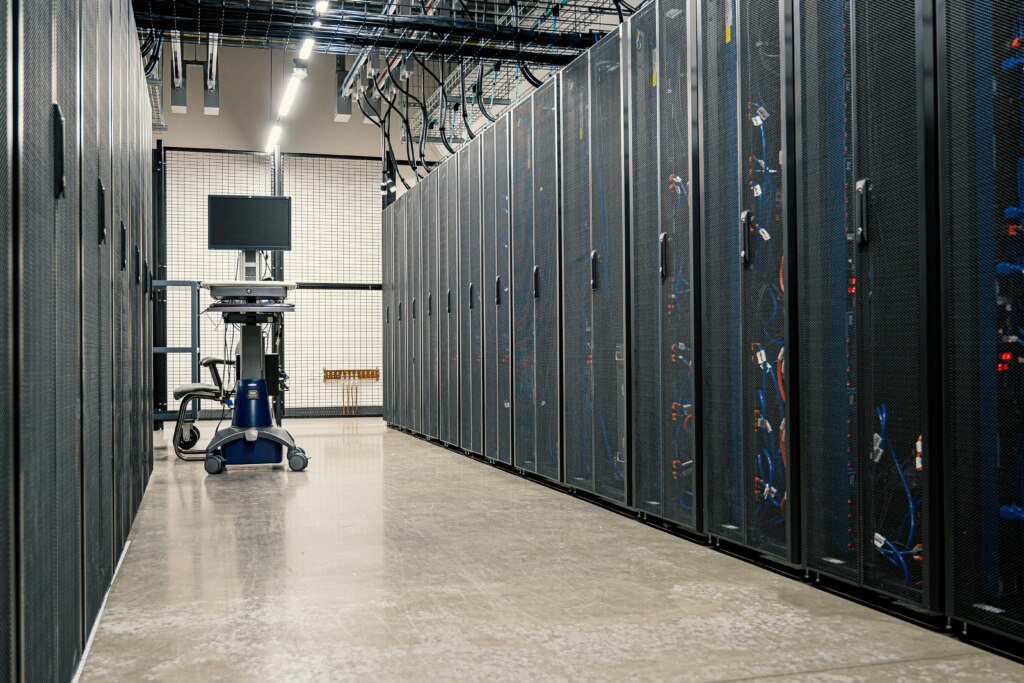
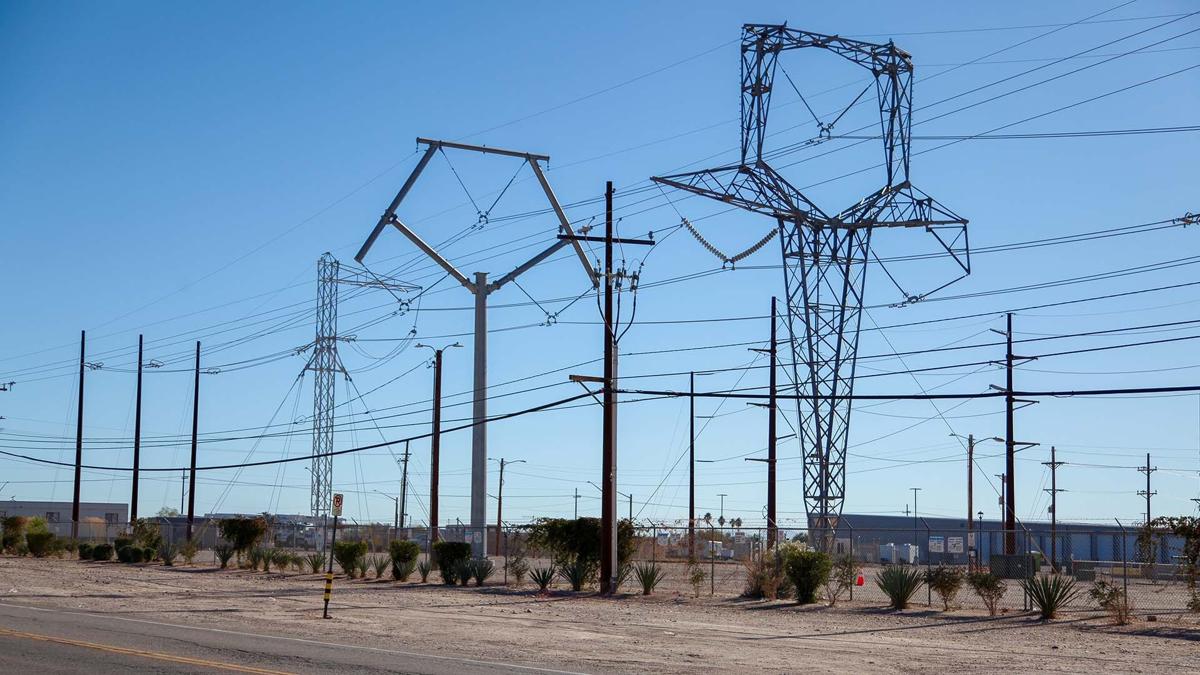
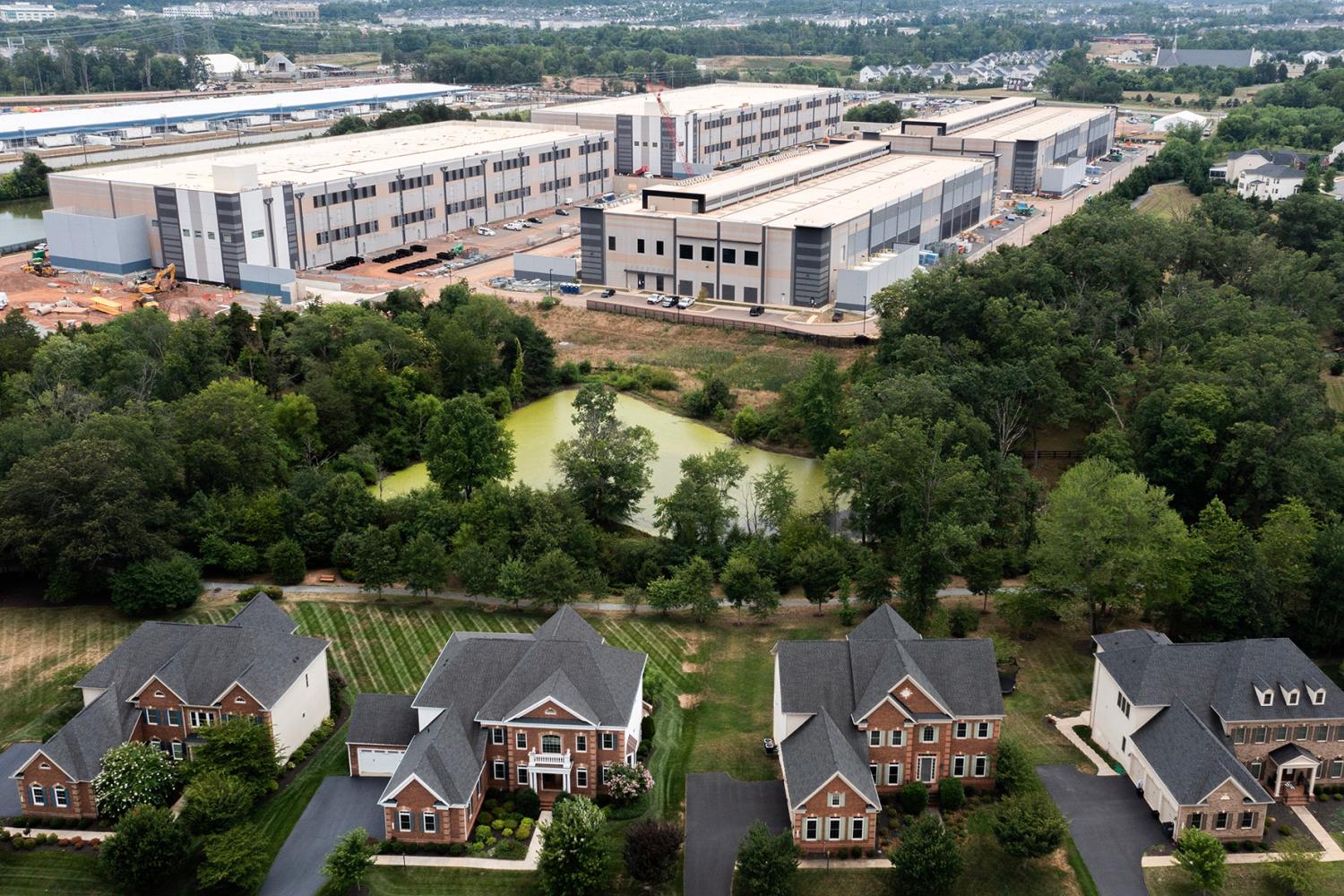
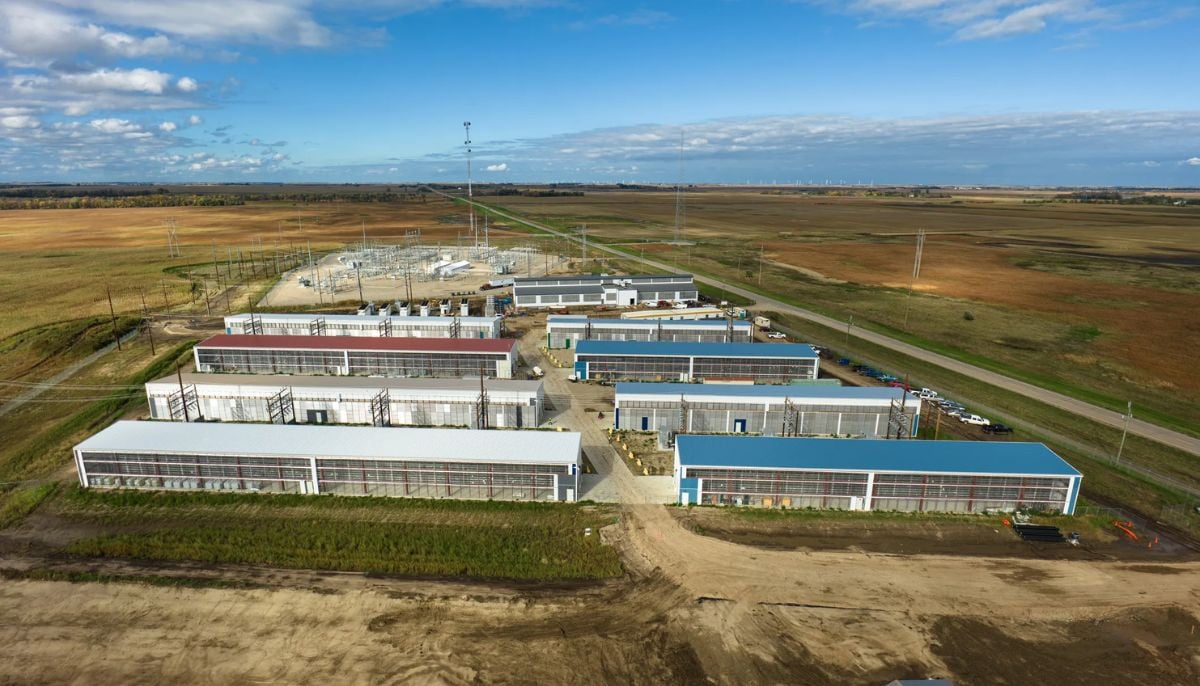
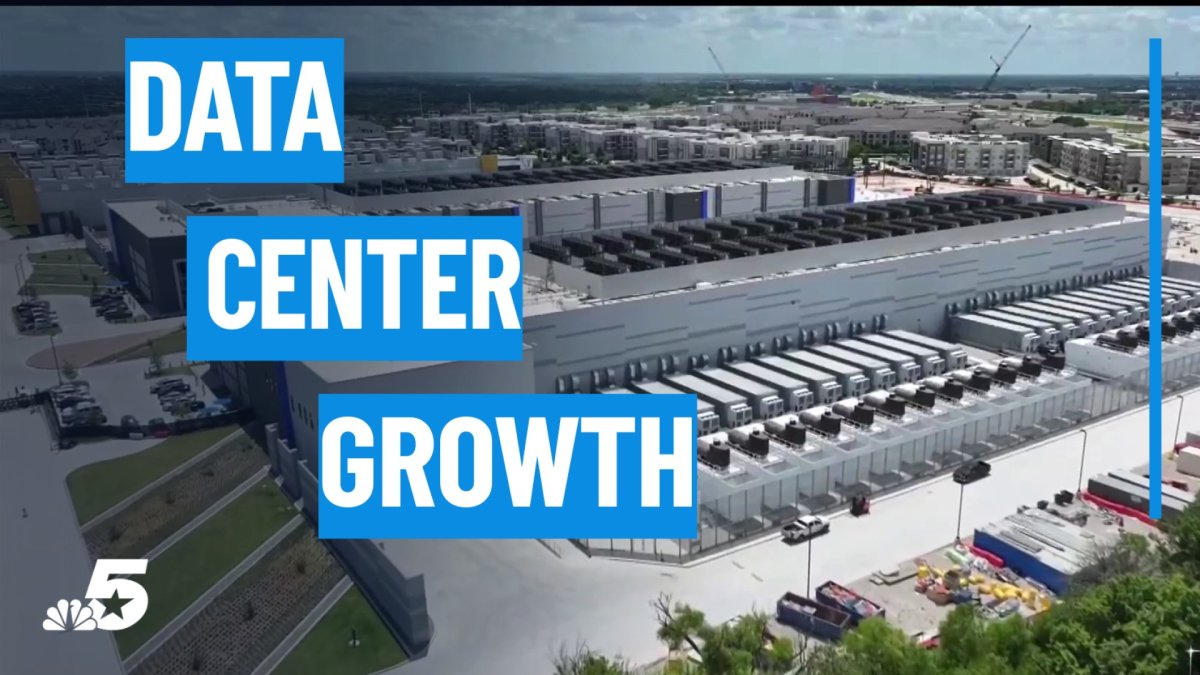
The AI infrastructure buildout is creating a hidden cost crisis for e-commerce sellers through rising cloud computing and logistics platform fees. Major tech companies including Amazon, Microsoft, Meta, Google, and OpenAI have invested over $600 billion in data center infrastructure since November 2022, with U.S. residential electricity prices surging 36% from 12.76 cents/kWh (2020) to 17.44 cents/kWh (February 2026), with forecasts predicting further increases to 19.01 cents by September 2027. The International Energy Agency reports data center power demand is growing 24 times faster than all other sectors and will exceed Japan's total electricity consumption by 2030, with roughly half dedicated to generative AI applications. This infrastructure expansion directly impacts e-commerce sellers through three critical mechanisms: (1) Platform Fee Increases: Amazon, Shopify, and other marketplace platforms embed data center costs into seller fees. As cloud infrastructure costs rise, platforms will pass these expenses to sellers through higher FBA fees, payment processing charges, and storage costs. (2) Logistics Cost Escalation: 3PL providers and fulfillment networks rely on AI-powered inventory management, routing optimization, and customer service automation—all data center-intensive operations. Rising electricity costs translate to 8-15% increases in fulfillment fees by 2027. (3) Regional Cost Disparities: The PJM Interconnection (serving 13 eastern states including major data center hubs for Google, Anthropic, and Amazon) uses a Base Residual Auction mechanism that requires consumers to pay for expected electricity costs two years in advance. This creates unpredictable cost spikes for sellers in affected regions. Conversely, ERCOT (Texas) has maintained relatively stable prices since 2022 despite similar hyperscaler development, suggesting sellers in Texas-based fulfillment networks may gain competitive advantages. Immediate AI automation opportunities exist: Sellers can deploy AI-powered pricing optimization tools to automatically adjust margins in response to rising operational costs, implement predictive inventory management to reduce storage fees by 15-20%, and use AI-driven customer service automation to reduce platform dependency on expensive cloud infrastructure. Tools like dynamic pricing engines (Repricing Central, Keepa) and inventory forecasting (Forecastly, Inventory Lab) can offset 40-60% of cost increases through efficiency gains. The regulatory landscape is also shifting—FERC's March 2026 approval of ComEd transmission security agreements establishes precedent for cost-sharing mechanisms that could eventually benefit sellers through more transparent pricing structures. However, Commissioner Judy Chang's warning about inadequate customer protections suggests future regulatory intervention may cap platform fee increases, creating a window for sellers to lock in current rates before stricter regulations emerge.
Questions 8
How can I use competitive intelligence to gain advantages from the data center cost crisis?
Most sellers are unaware of regional electricity cost disparities and their impact on fulfillment fees. Competitive advantage emerges from: (1) Shifting inventory to ERCOT regions 6-12 months before competitors recognize the cost advantage; (2) Implementing AI-powered pricing optimization before competitors adopt similar tools; (3) Locking in current fulfillment rates before FERC regulations cap increases. Sellers who act by Q2 2026 will gain 8-15% cost advantages over competitors through 2027. Use SemiAnalysis research and FERC filings to identify which 3PL providers operate in stable-cost regions. Monitor electricity price forecasts (U.S. Energy Information Administration) to predict platform fee increases 6-12 months in advance. This intelligence creates a 12-18 month competitive moat before market-wide awareness drives cost increases.
What is the timeline for when I should expect platform fee increases due to data center costs?
Expect fee increases in three waves: (1) Q3-Q4 2026: Platforms announce 5-8% increases as electricity costs hit 18+ cents/kWh; (2) Q1-Q2 2027: Second wave of 3-5% increases as FERC transmission agreements take full effect; (3) Q3-Q4 2027: Potential regulatory caps limit further increases as Commissioner Chang's warnings trigger intervention. Sellers should lock in current rates through multi-year agreements by June 2026, before Q3 announcements. Implement cost-offset strategies (dynamic pricing, inventory optimization) immediately to prepare for Q3 2026 increases. Monitor Amazon Seller Central, Shopify announcements, and 3PL rate cards monthly for early signals of fee changes. The 12-month window from now through Q2 2026 is critical for securing favorable rates before market-wide cost increases accelerate.