


Strait of Hormuz Oil Negotiations Impact Logistics Costs for EU-Based Cross-Border Sellers
- France-Italy-Iran talks signal 8-15% potential shipping cost increases for sellers shipping to European markets within 6-12 months
)












)


Overview
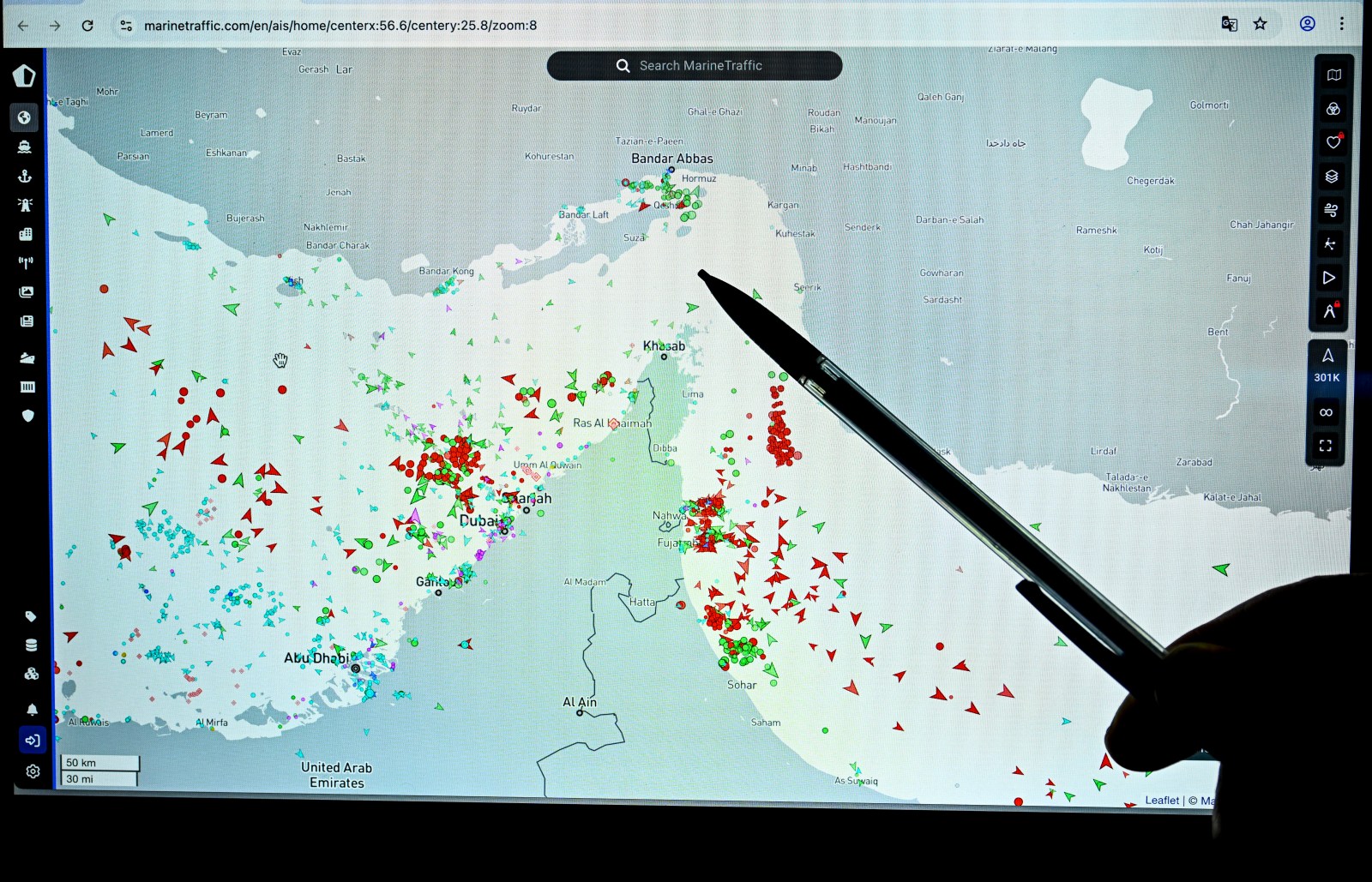
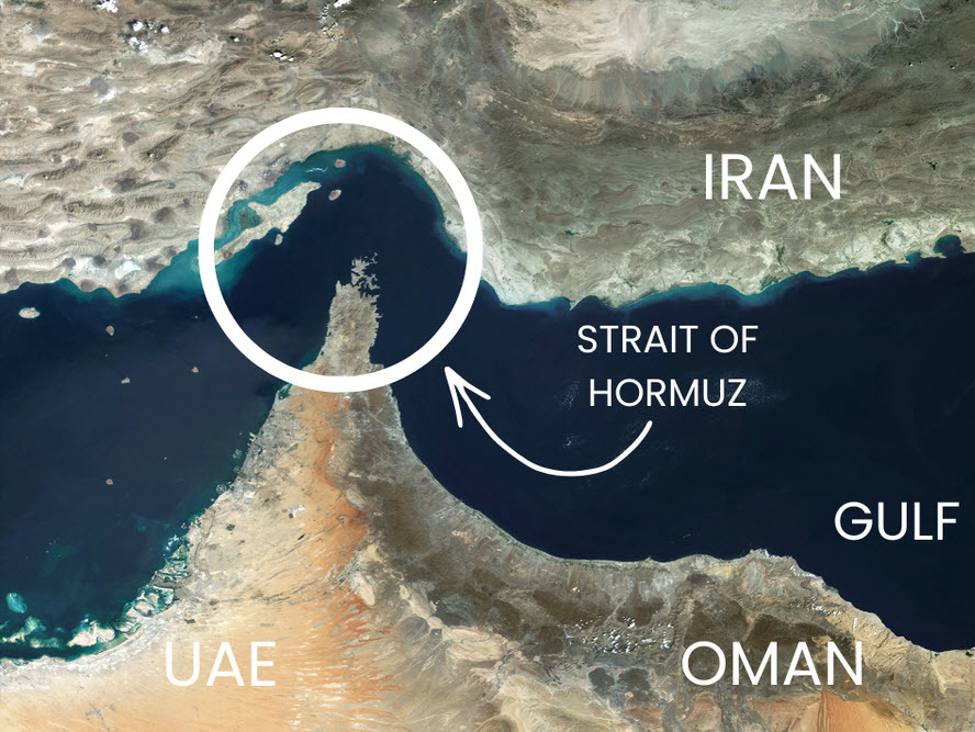
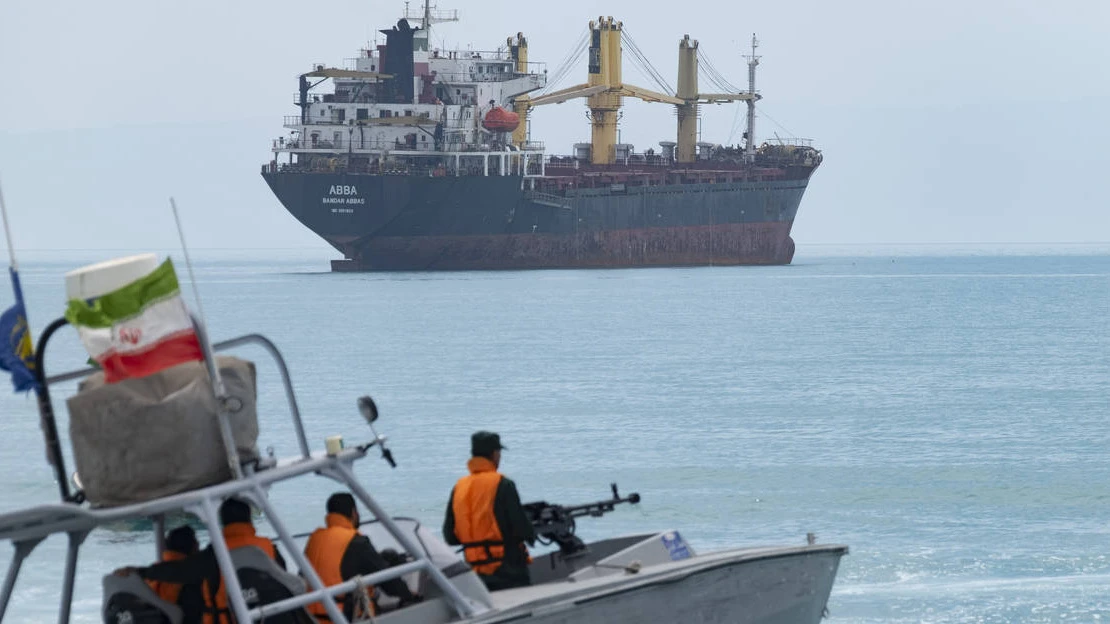
Geopolitical energy negotiations between France, Italy, and Iran over Strait of Hormuz oil supplies represent a critical supply chain risk factor for cross-border e-commerce sellers, particularly those operating in European markets or shipping internationally. The Strait of Hormuz handles approximately 20-30% of global petroleum trade, making it one of the world's most critical energy chokepoints. While the reported negotiations lack detailed public information, the strategic importance of this corridor means any shifts in oil sourcing patterns directly impact global energy prices and, consequently, logistics costs for sellers.
For cross-border sellers, energy cost fluctuations translate directly into fulfillment expenses. Shipping rates, 3PL provider costs, and Amazon FBA fees are all indexed to fuel surcharges and transportation expenses. Sellers shipping to EU markets (France, Italy, Germany, UK) face particular exposure because European logistics networks rely heavily on fuel-intensive last-mile delivery. A 10-15% increase in crude oil prices—which could result from supply chain disruptions or geopolitical tensions—typically translates to 8-12% increases in parcel shipping rates within 30-60 days. For a seller shipping 1,000 units monthly to Europe at $3-5 per unit shipping cost, this represents $240-600 in additional monthly expenses.
The timing window is critical for sellers to optimize supply chains before potential cost increases materialize. Sellers should monitor energy market indicators (WTI crude prices, shipping indices like the Cass Freight Index) and consider strategic actions: (1) negotiating fixed-rate shipping contracts with 3PL providers for 6-12 month periods before rates adjust, (2) evaluating inventory positioning to reduce shipping distances (consider EU-based fulfillment centers), (3) stress-testing margin assumptions with 10-15% fuel surcharge scenarios, and (4) reviewing product category profitability to identify which SKUs can absorb cost increases versus which require pricing adjustments.
Competitive dynamics shift based on seller preparedness. Large sellers with established 3PL relationships and negotiating power can lock in rates; small sellers relying on spot-market shipping face immediate cost pressure. Sellers in high-margin categories (electronics, beauty, supplements) have pricing flexibility; sellers in low-margin categories (apparel, home goods) face margin compression. EU-based sellers with local fulfillment networks gain competitive advantage over US-based sellers shipping internationally, as they avoid long-haul fuel surcharges.
Questions 8
How do oil price fluctuations from Strait of Hormuz negotiations affect my shipping costs?
Oil price changes directly impact fuel surcharges applied by shipping carriers and 3PL providers. The Strait of Hormuz handles 20-30% of global petroleum, so geopolitical shifts affecting this corridor influence global crude prices within 2-4 weeks. A 10% increase in WTI crude typically translates to 8-12% increases in parcel shipping rates within 30-60 days. For sellers shipping 1,000 units monthly to Europe at $4/unit, this represents $320-480 in additional monthly costs. Monitor crude prices weekly and lock in fixed-rate shipping contracts before anticipated increases.
Should I shift inventory to EU fulfillment centers to reduce shipping exposure?
Yes, EU-based fulfillment provides significant protection against fuel surcharge volatility. Sellers using Amazon FBA in Germany, UK, or France avoid long-haul transatlantic shipping costs and fuel surcharges. A seller shipping 500 units monthly from US to EU pays approximately $2,500-3,500 in fuel surcharges annually; EU-based fulfillment eliminates this exposure. Consider evaluating 3PL providers in Germany (DHL, DPD) or UK (Fulfillment by Amazon EU) for 30-40% cost savings on European shipments. The 4-6 week transition period requires planning, so initiate evaluations immediately.