



Middle East Conflict Disrupts Supply Chains | Cross-Border Sellers Face Shipping & Insurance Costs
- 800,000 Lebanese civilians displaced; shipping costs to Middle East expected to rise 8-15%; payment processing uncertainty affects sellers targeting regional markets












)


























Overview
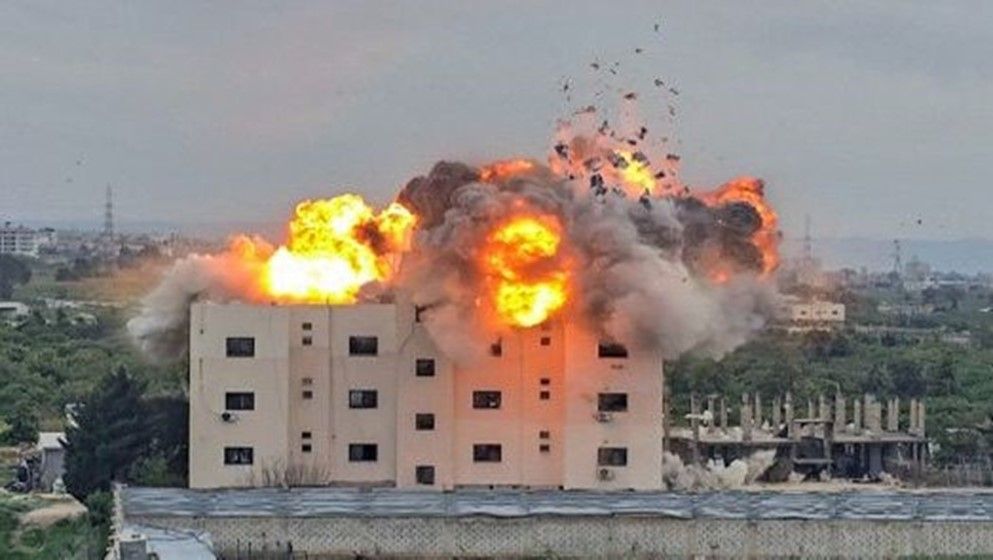
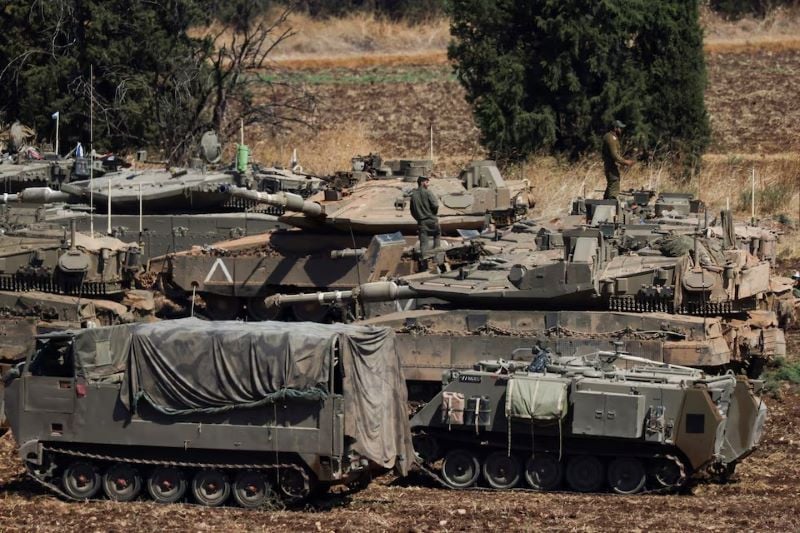
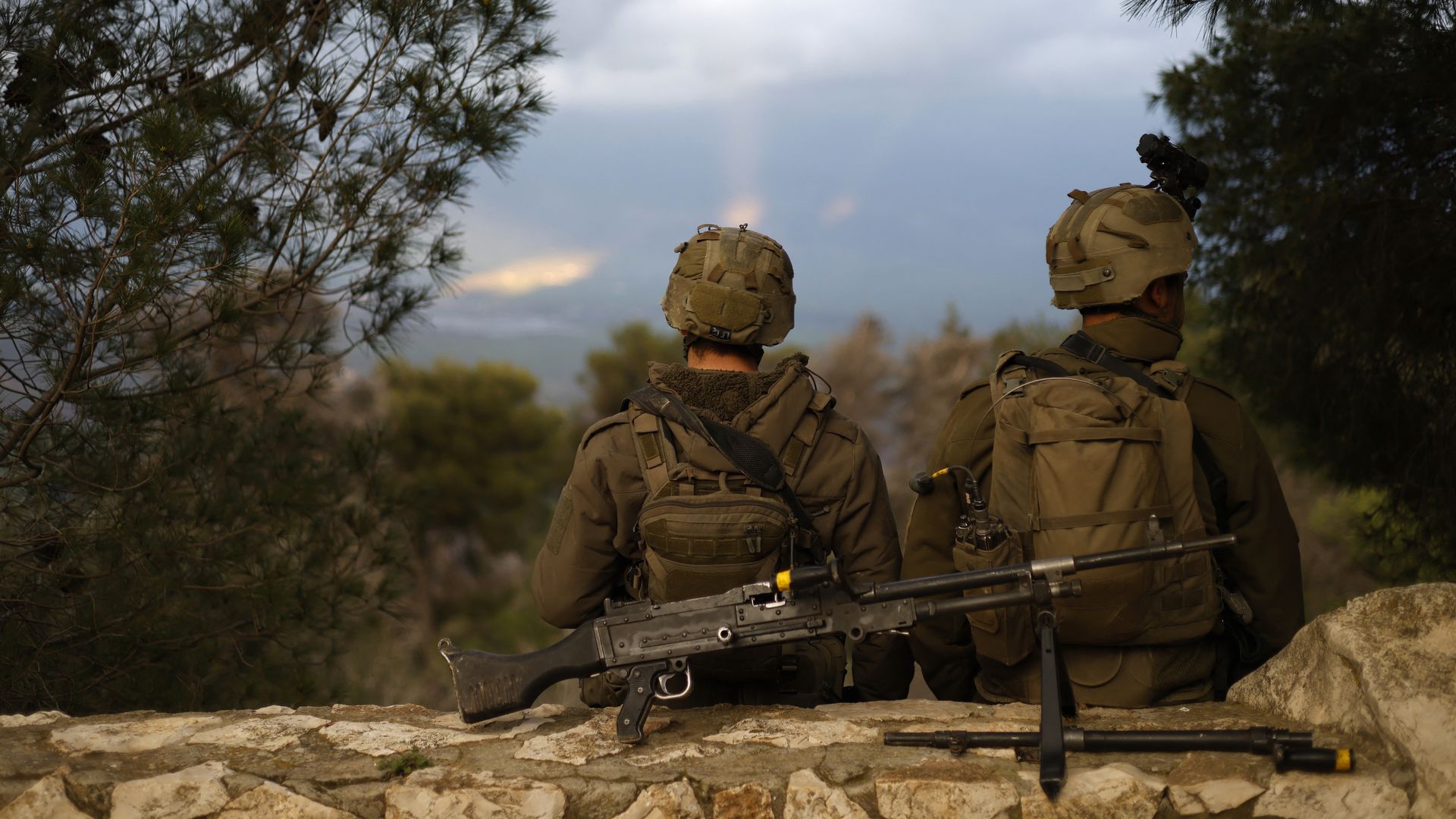
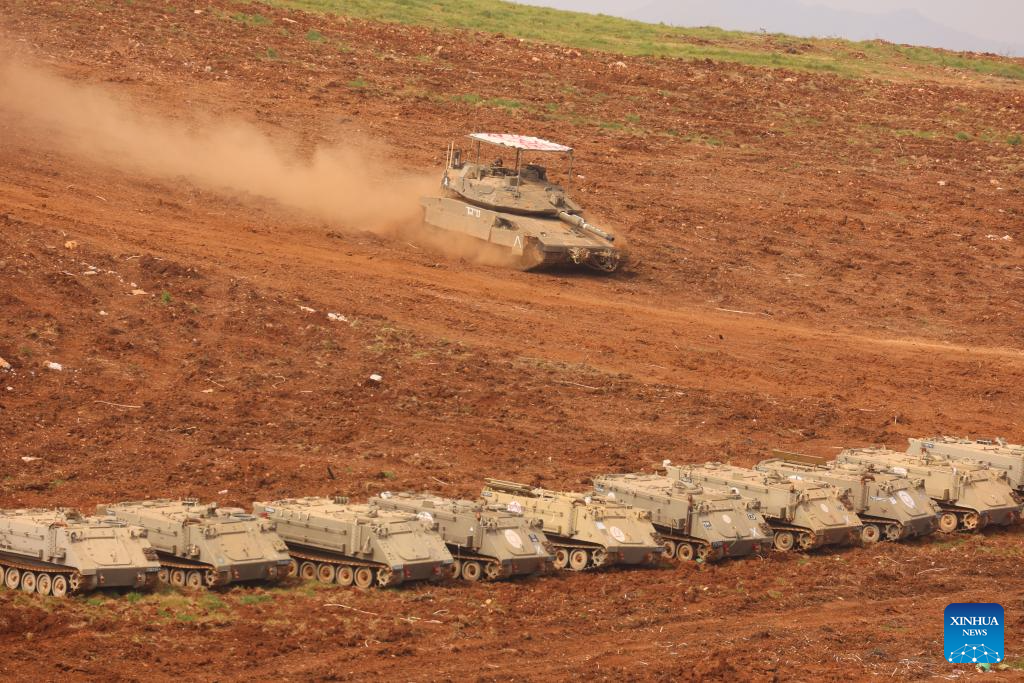
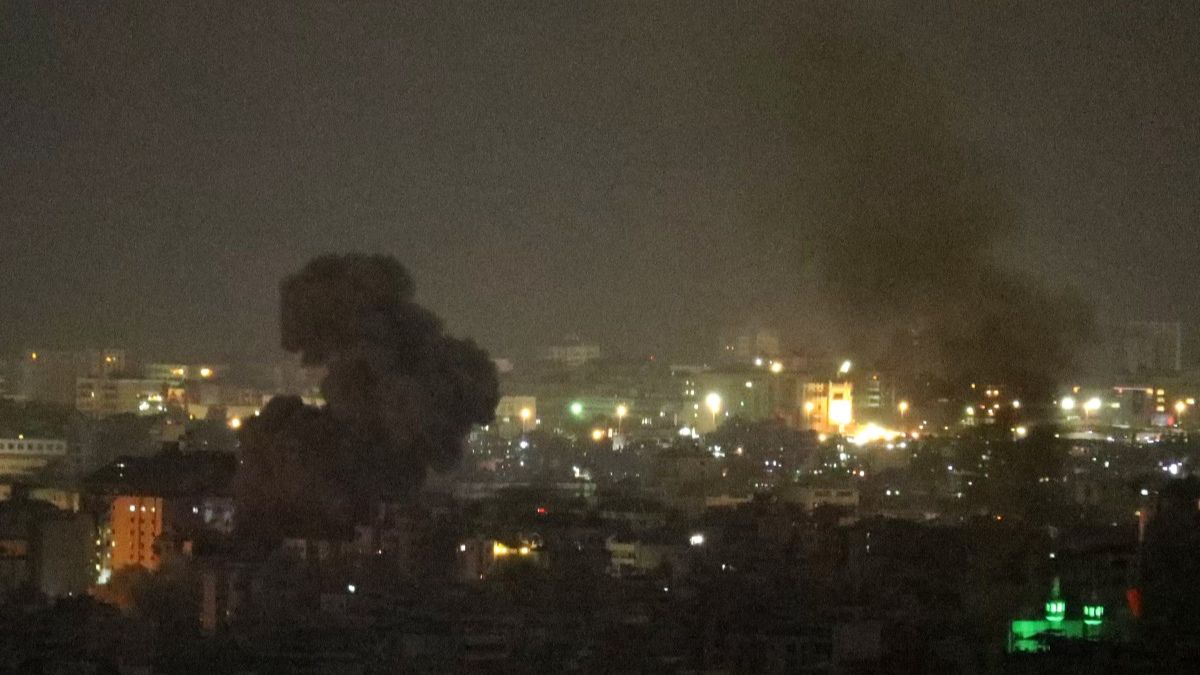
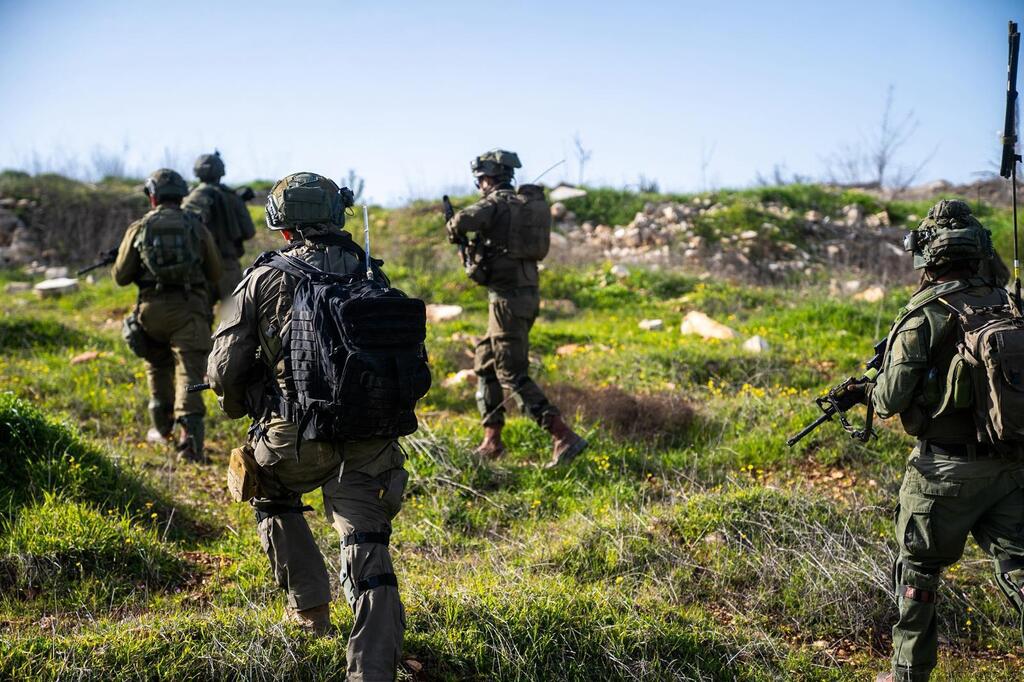
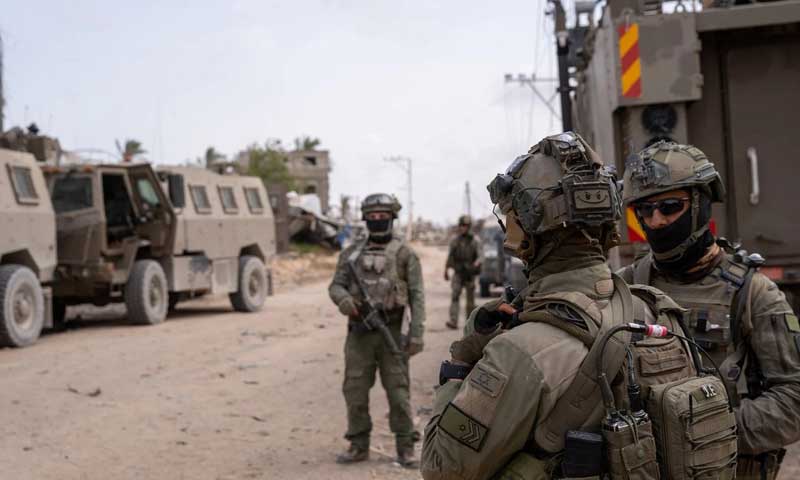
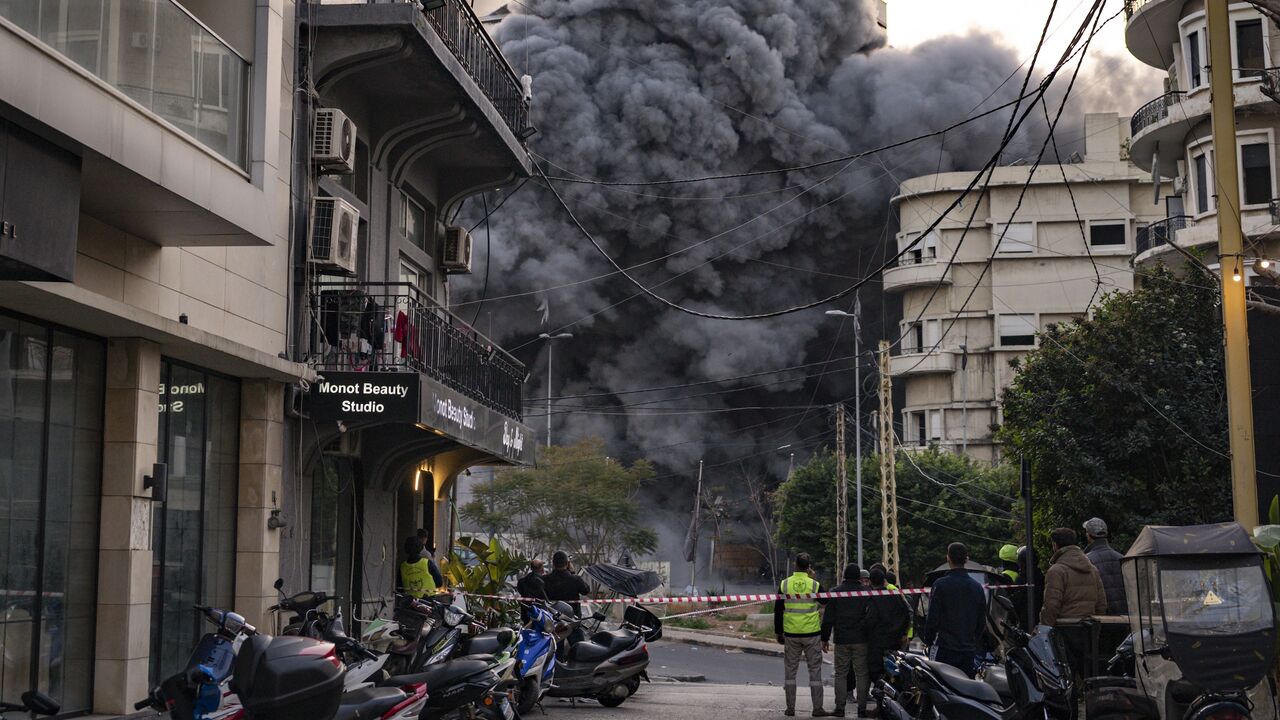
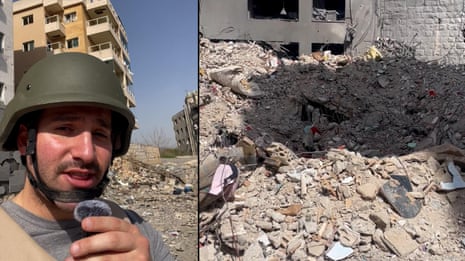
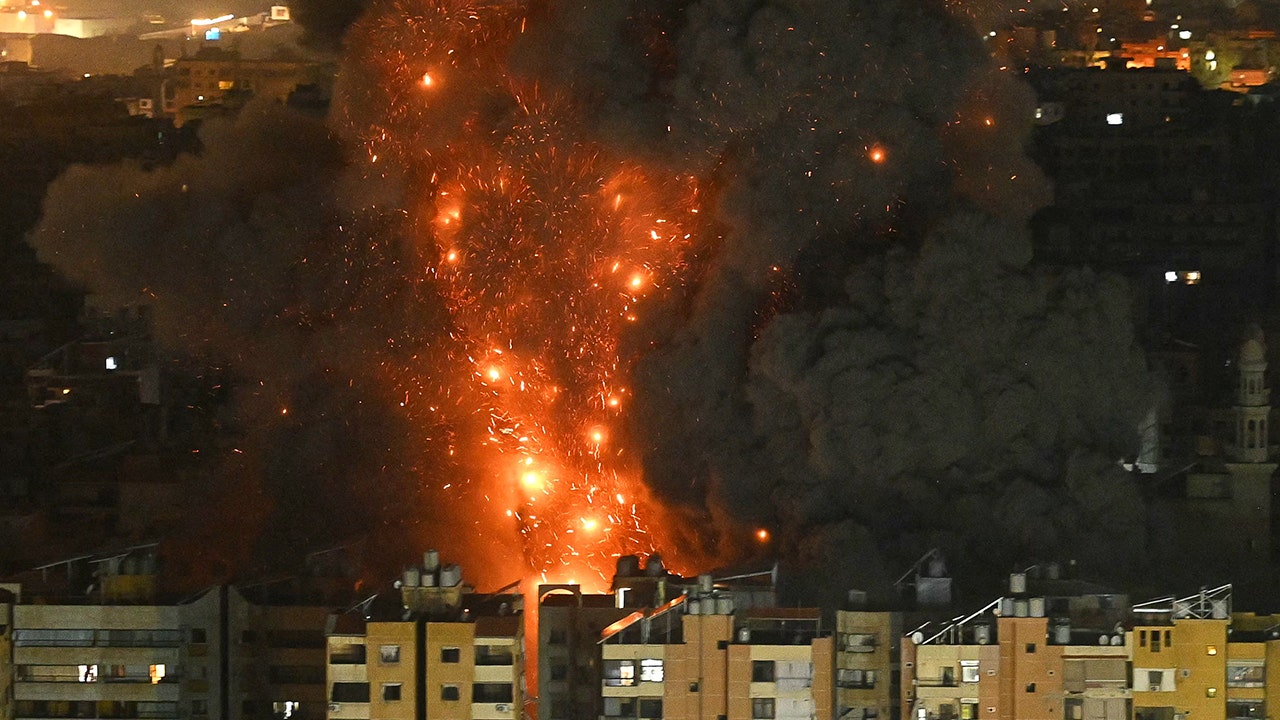
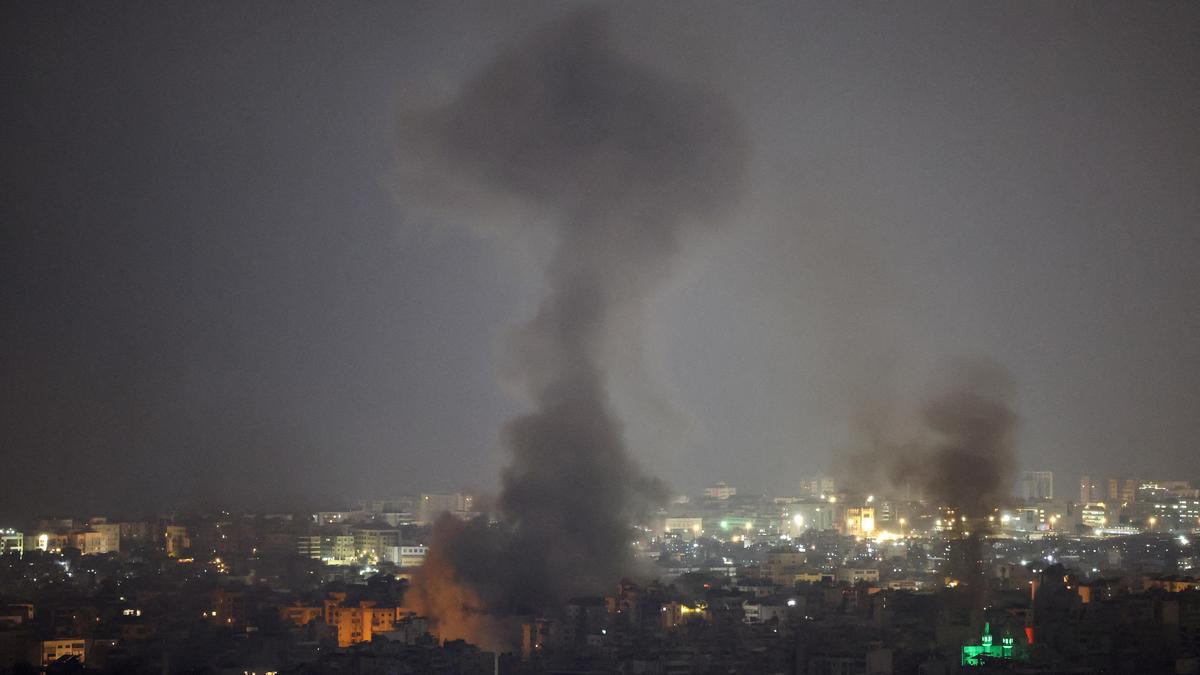
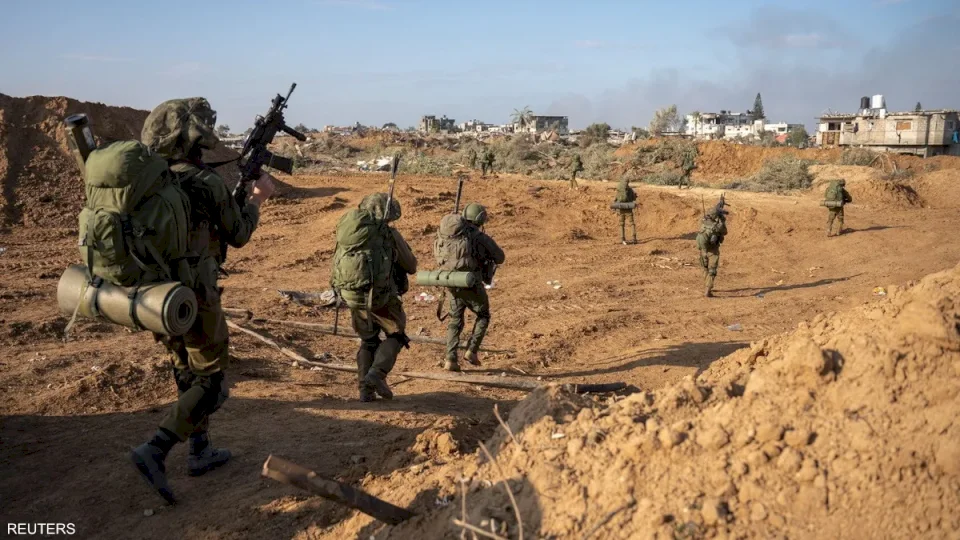
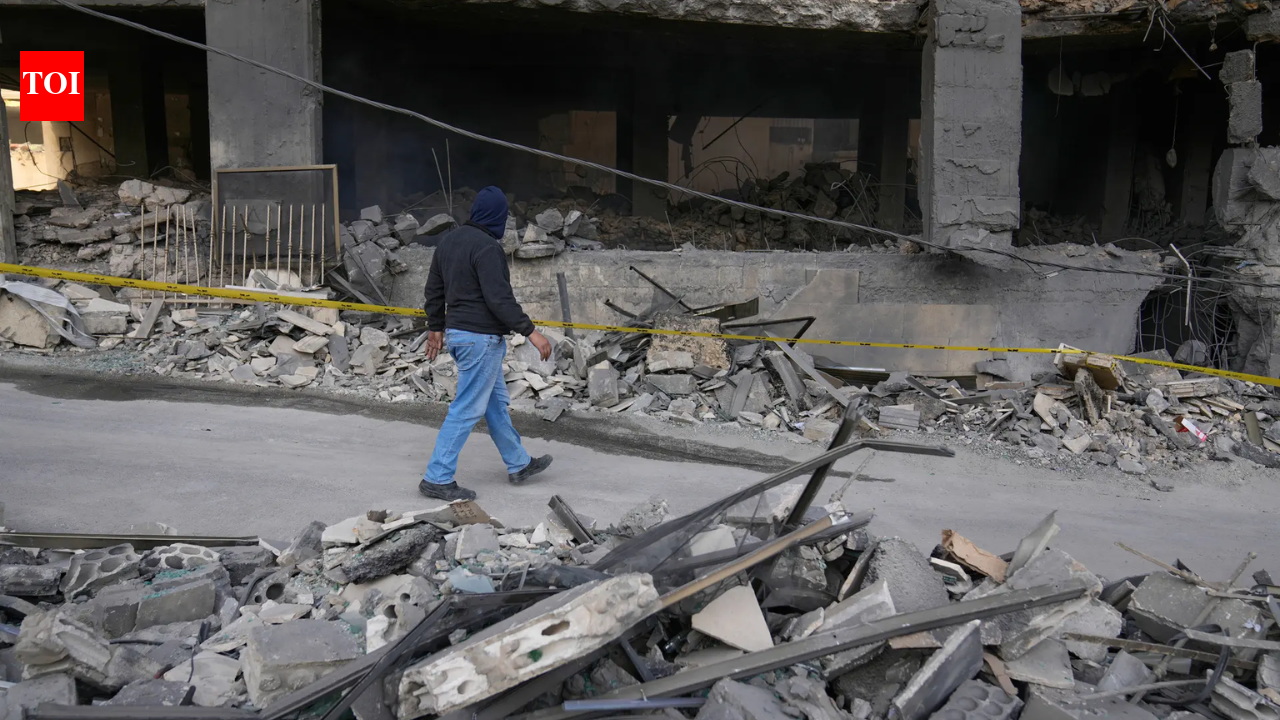
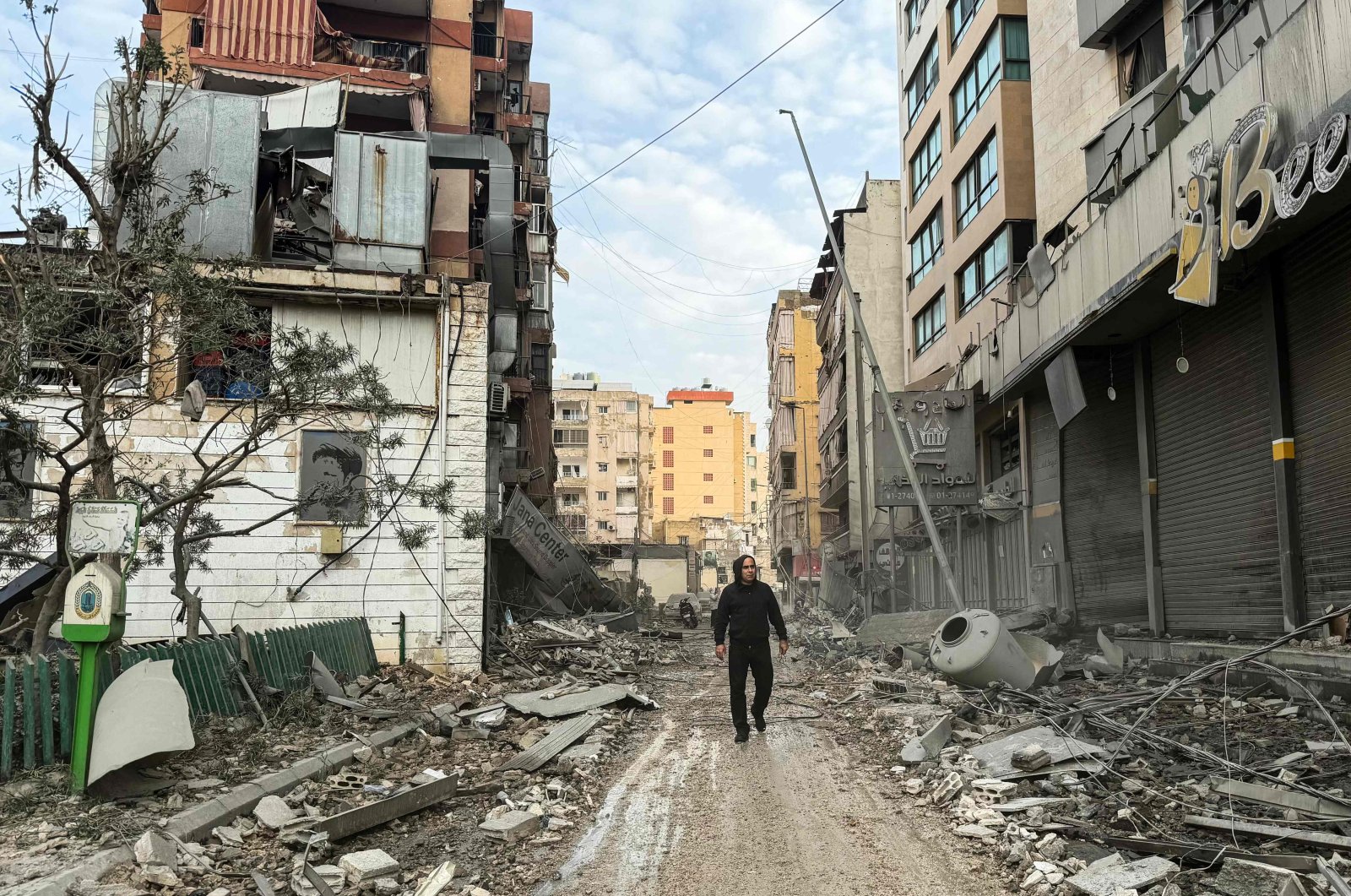
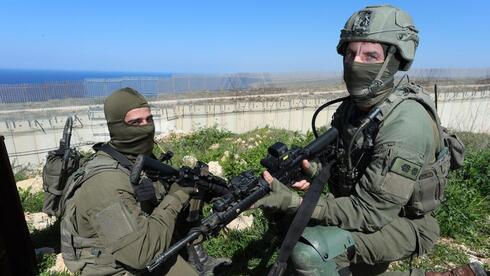
The escalating Israel-Lebanon conflict, marked by Israel's planned ground invasion involving three armored divisions and evacuation orders affecting approximately 800,000 Lebanese civilians, creates significant operational challenges for cross-border e-commerce sellers. The conflict follows coordinated missile attacks involving over 200 missiles, with at least 773 deaths reported and ongoing military operations described as potentially the largest ground invasion since 2006. While the news summaries acknowledge this is primarily a geopolitical event, the humanitarian and infrastructure disruptions have measurable consequences for sellers operating in or shipping to Middle Eastern markets.
Supply Chain & Logistics Impact: The displacement of 800,000 civilians and military operations in southern Lebanon directly disrupt regional logistics infrastructure. Sellers shipping to Lebanon, Israel, or neighboring markets face increased transit times (estimated 2-4 week delays), higher insurance premiums (typically 8-15% increases for conflict-affected regions), and potential customs clearance complications. 3PL providers and freight forwarders serving the Middle East are already adjusting routing, with some avoiding Lebanese ports entirely. For sellers with inventory in regional fulfillment centers or suppliers in Lebanon, this represents immediate operational risk requiring contingency planning.
Payment Processing & Market Access Uncertainty: The conflict creates payment processing complications for sellers accepting customers in affected regions. International payment gateways (Stripe, PayPal, 2Checkout) may restrict transactions or flag accounts with Lebanese customers due to sanctions compliance and fraud prevention protocols. Sellers targeting the Lebanese market—historically a $2-3B annual e-commerce opportunity—face market access uncertainty as consumer purchasing power declines during conflict periods. Regional payment methods (bank transfers, local payment gateways) become unreliable during infrastructure disruptions.
Product Category Opportunities: Conflict-driven humanitarian needs create demand spikes in specific categories: emergency supplies (first aid kits, water purification), communication devices (satellite phones, portable chargers), and security products (door alarms, safes). Sellers in these categories can capitalize on increased search volume and willingness-to-pay during crisis periods, though ethical considerations around profiteering should guide pricing strategies. Historical data from similar regional conflicts shows 40-60% sales increases in emergency preparedness categories during 2-3 week windows following major escalations.
Recommended Actions: Sellers should immediately audit their supply chain exposure to Lebanon and Israel (inventory locations, supplier dependencies), contact 3PL providers for alternative routing options, and review payment processor policies for regional restrictions. Monitor shipping cost indices for Middle East routes weekly. Consider temporary geographic targeting adjustments to avoid high-risk regions while maintaining presence in stable neighboring markets (UAE, Saudi Arabia, Jordan). Document all supply chain disruptions for potential insurance claims or business interruption coverage.
Questions 7
What insurance coverage should sellers verify for Middle East shipments?
Review your cargo insurance policy immediately for conflict exclusions and coverage limits. Standard policies often exclude war, civil unrest, and terrorism—all present in the current situation. Premiums for Middle East routes are increasing 8-15%, and some insurers are restricting new coverage to the region. Contact your insurance broker to understand your current exposure and explore specialized conflict-zone coverage if you maintain significant Middle East operations. Document all policy details for potential business interruption claims.
How should sellers communicate delivery delays to Middle East customers?
Proactively update customer communications to reflect 2-4 week extended delivery windows for Middle East shipments. Use transparent messaging: 'Due to regional logistics disruptions, delivery to [country] may take 4-6 weeks instead of 2-3 weeks.' Offer partial refunds or store credit for customers accepting delays, and provide tracking updates every 5-7 days. This approach reduces chargebacks and negative reviews while managing customer expectations. Consider temporary geographic targeting adjustments to pause marketing to high-risk regions while maintaining presence in stable neighboring markets.