


Strait of Hormuz Blockade Triggers 25% Shipping Cost Surge | Seller Logistics Crisis
- Oil prices exceed $100/barrel, 21% of global petroleum transit disrupted, fuel surcharges compress margins for 50K+ cross-border sellers relying on Asian suppliers


















Overview
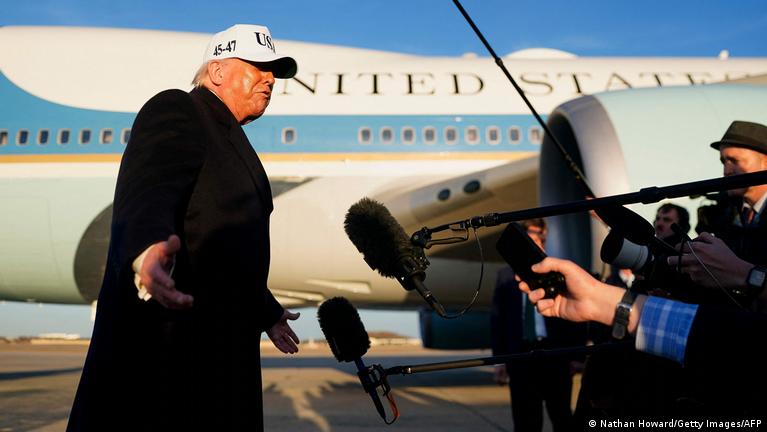
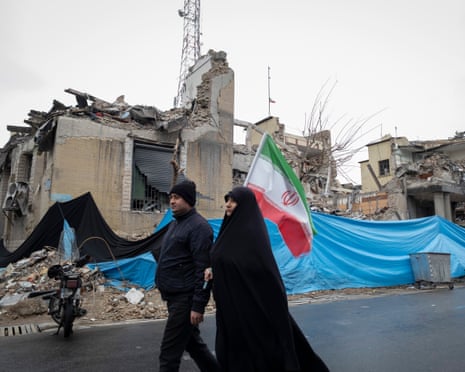
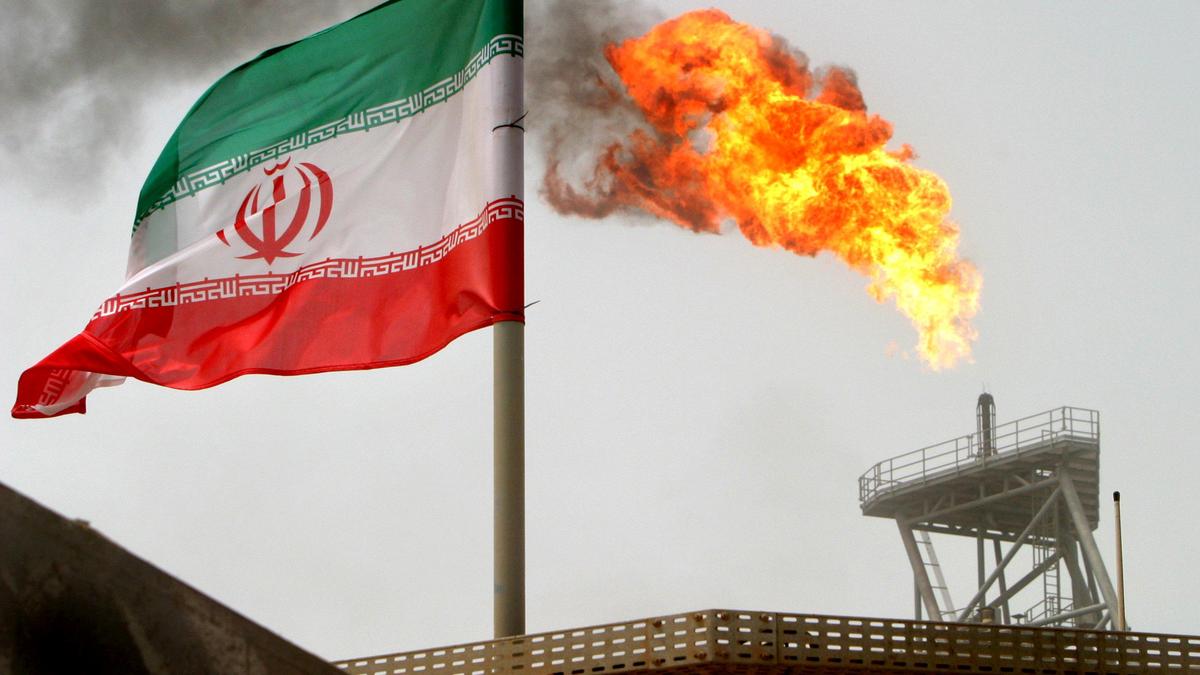
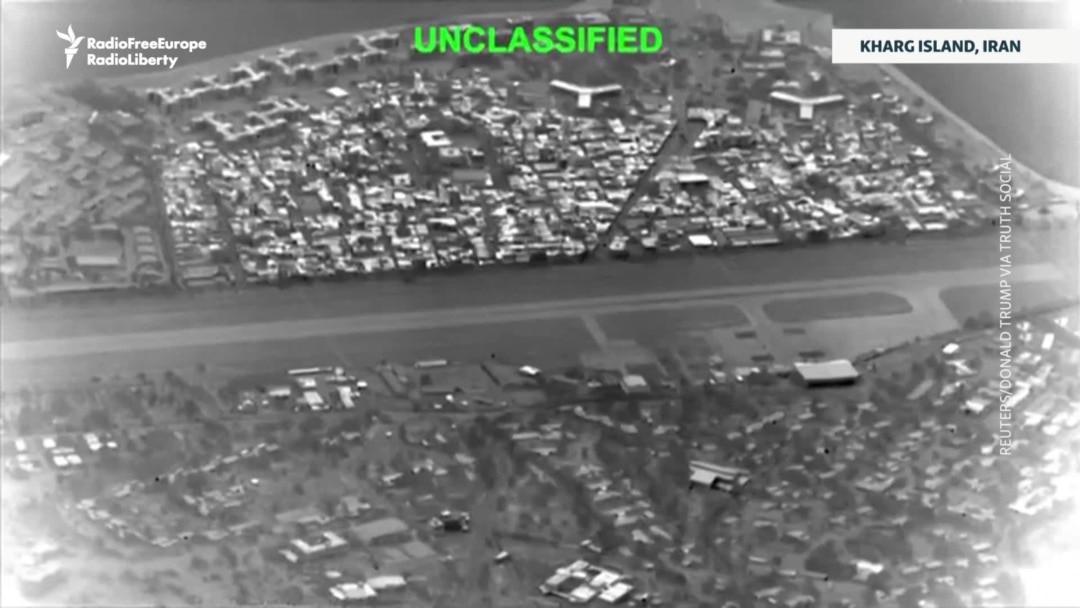
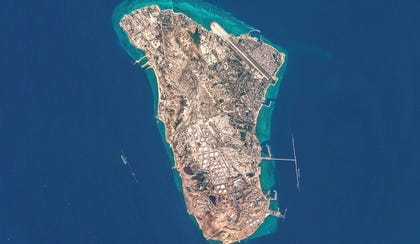
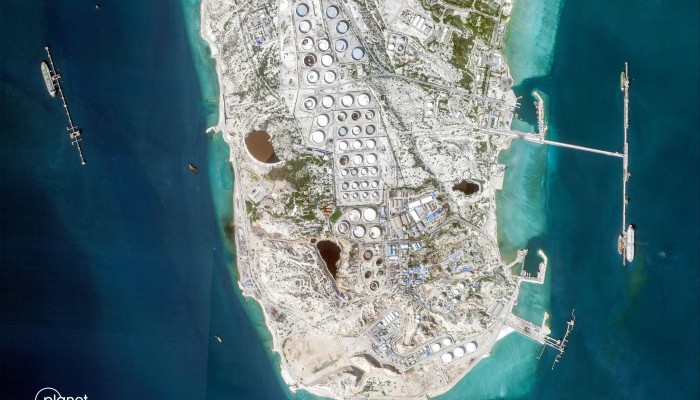
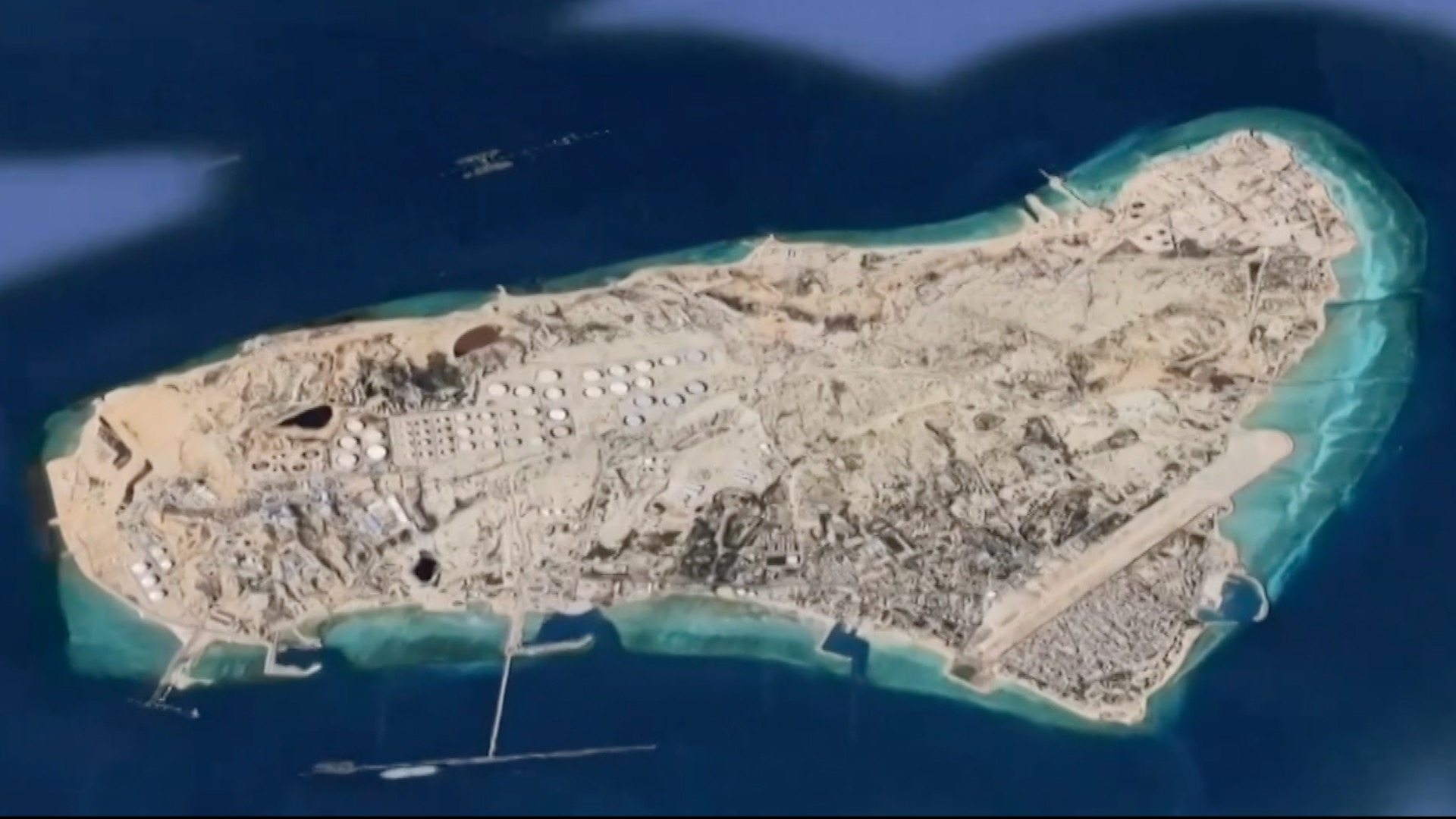
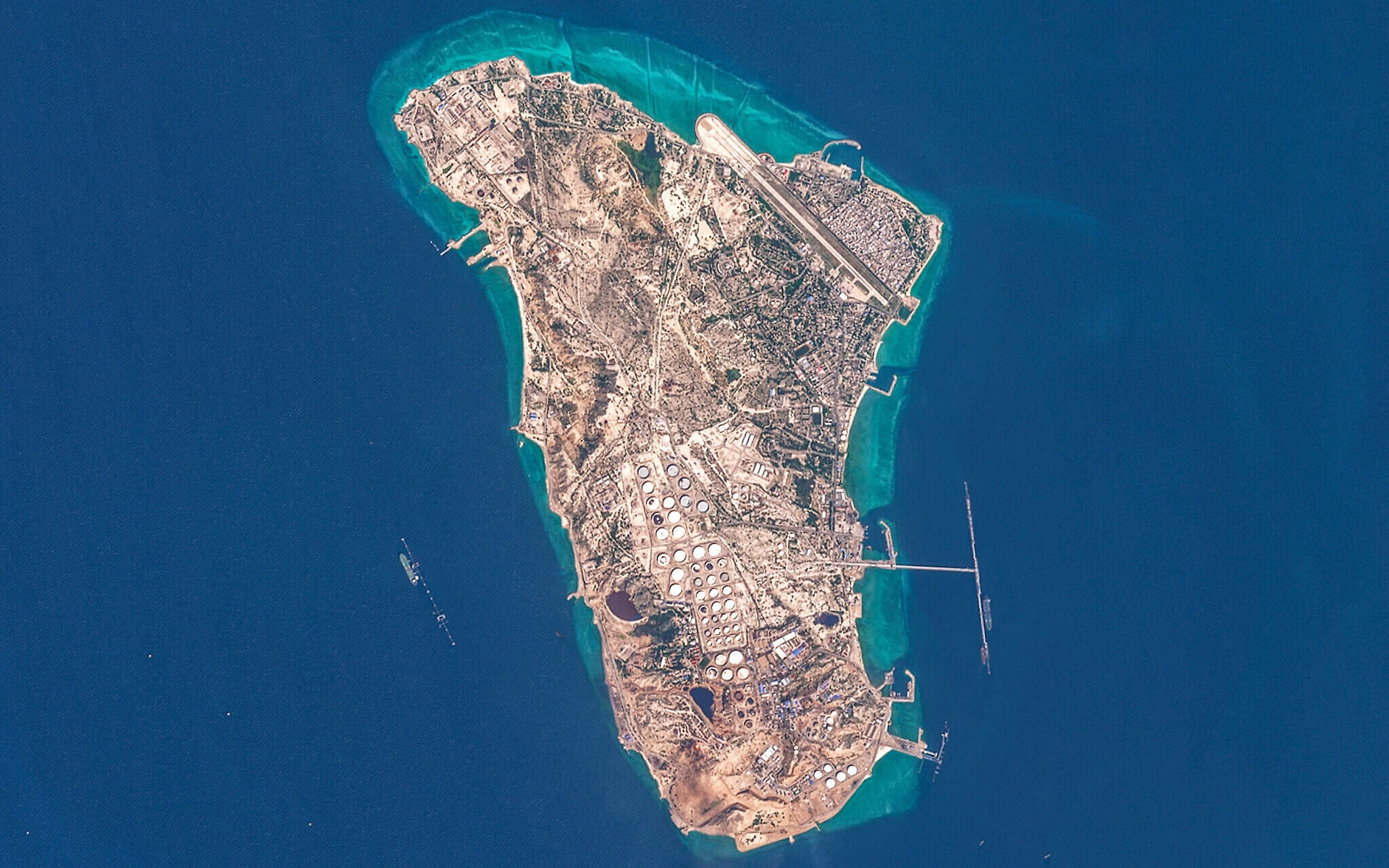
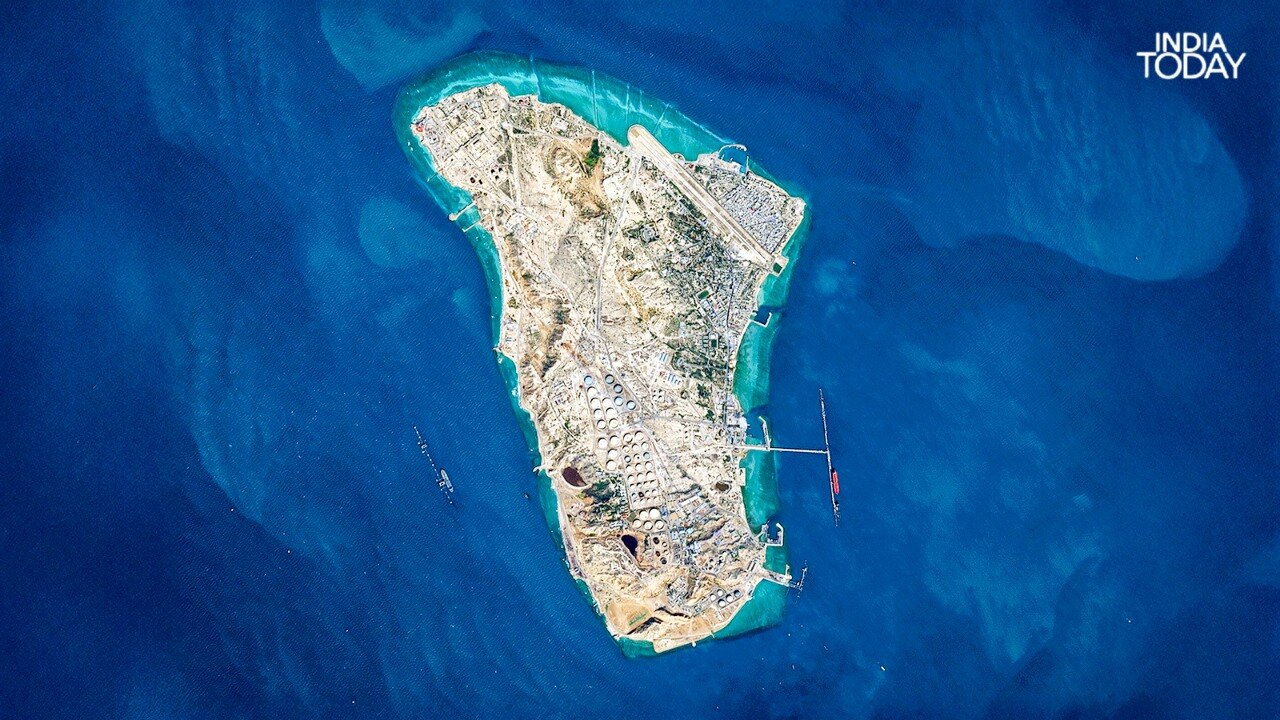
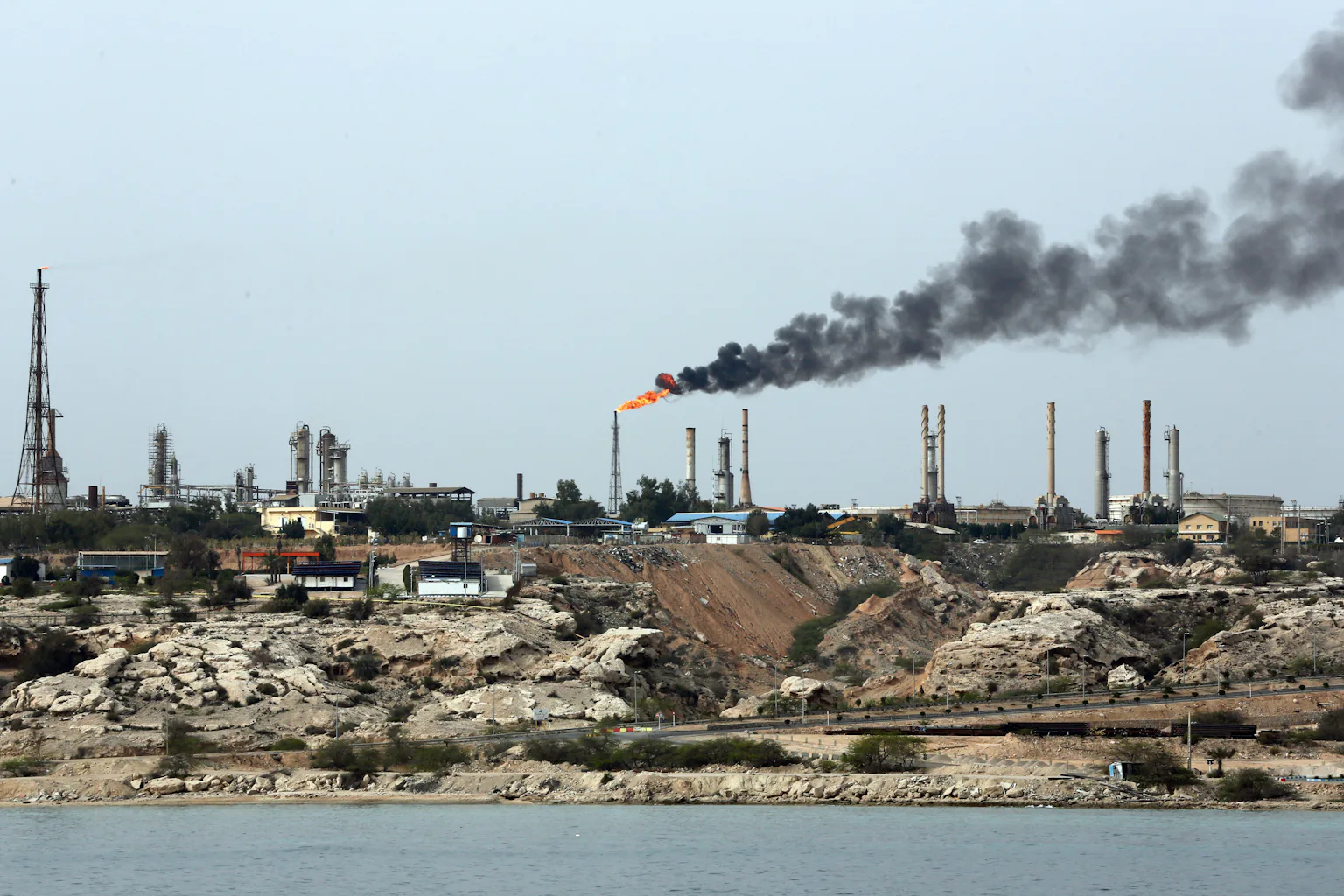
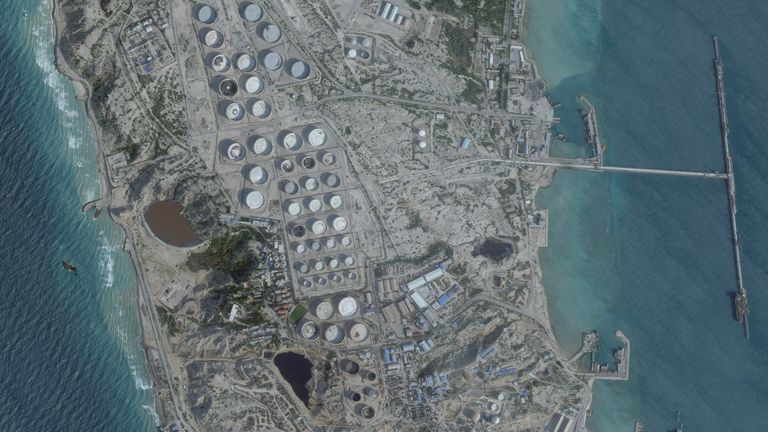
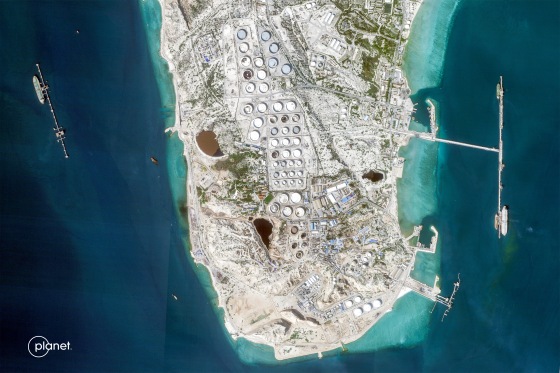
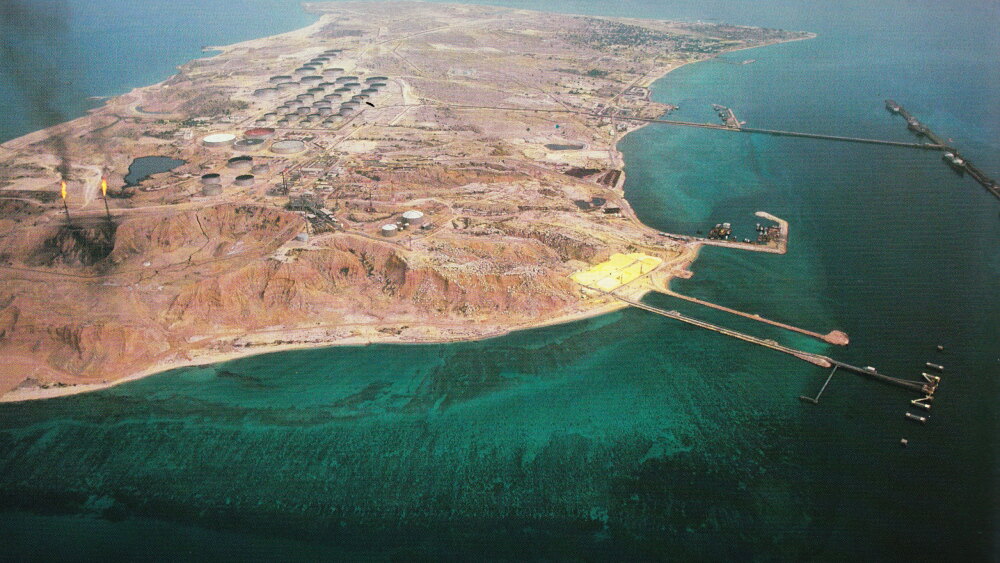
The March 14, 2026 U.S. military strikes on Iran's Kharg Island have triggered a critical supply chain crisis for cross-border e-commerce sellers globally. Following Operation Epic Fury, Iran blocked the Strait of Hormuz—the world's most vital shipping lane handling approximately 21-33% of global maritime oil trade—creating immediate logistics disruptions. Oil prices surged above $100 per barrel, with U.S. gasoline prices climbing 25% since conflict escalation began. This geopolitical crisis directly impacts e-commerce operations through multiple compounding channels: elevated fuel surcharges on shipping costs, heightened risks for logistics routes through the Suez Canal and Persian Gulf, and supply chain disruptions for goods sourced from or transiting Middle Eastern regions.
For cross-border sellers, the operational impact is immediate and quantifiable. Sellers relying on just-in-time inventory models from Asian suppliers face 2-4 week delivery delays as shipping routes divert around Africa via the Cape of Good Hope—adding 10-14 days to transit times and increasing fuel consumption by 30-40%. Oil-intensive logistics categories (electronics, appliances, furniture, automotive parts) experience margin compression of 8-15% from elevated fuel surcharges. A typical seller shipping 1,000+ units monthly via FBA can expect additional logistics costs of $2,400-4,800 monthly ($0.30-0.50 per unit surcharge). The Pentagon's deployment of additional Marine expeditionary units and Navy escort operations suggests prolonged blockade conditions, indicating this is not a short-term disruption but a sustained geopolitical risk lasting weeks to months.
Strategic sourcing shifts are already underway in response to Hormuz closure. Sellers previously dependent on China-to-Middle East-to-Europe supply chains are evaluating alternative sourcing from Vietnam, India, and Southeast Asia to bypass Persian Gulf transit entirely. The Iranian official's statement about accepting cargo traded in Chinese yuan signals potential currency arbitrage opportunities for sellers with yuan-denominated supplier relationships. However, the broader competitive advantage shifts toward sellers with: (1) diversified supplier networks outside Asia-Pacific, (2) pre-positioned inventory in regional fulfillment centers, (3) air freight capacity for high-margin products, and (4) established relationships with 3PL providers offering alternative routing. Small and medium sellers without inventory buffers face the greatest risk, while large sellers with multiple sourcing countries and regional warehousing can absorb the disruption and potentially gain market share from competitors facing fulfillment delays.
Questions 7
How long will the Strait of Hormuz blockade likely persist and impact shipping?
The Pentagon's deployment of additional Marine expeditionary units and Navy escort operations indicates sustained blockade conditions lasting weeks to months, not days. The U.S. Navy's stated plan to escort oil tankers through Hormuz suggests a prolonged military presence. Sellers should model supply chain disruptions for 60-90 days minimum. The blockade threatens 21% of global petroleum transit, creating structural shipping cost increases even if military operations resolve. Sellers relying on just-in-time inventory face 2-4 week delivery delays; those with pre-positioned inventory in regional fulfillment centers gain competitive advantage during this period.
What alternative shipping routes should sellers use to avoid Middle East transit?
The primary alternative is the Cape of Good Hope route around Africa, adding 10-14 days to transit time and increasing fuel consumption 30-40%. This diverts shipping from the Suez Canal and Persian Gulf entirely but increases logistics costs significantly. Sellers should work with 3PL providers to evaluate: (1) air freight for high-margin products, (2) regional warehousing in Europe/Middle East/Asia to pre-position inventory, (3) alternative suppliers in Vietnam/India/Southeast Asia. The Iranian official's statement about accepting Chinese yuan-denominated cargo suggests potential currency arbitrage for sellers with yuan-based supplier relationships, though this remains speculative.