

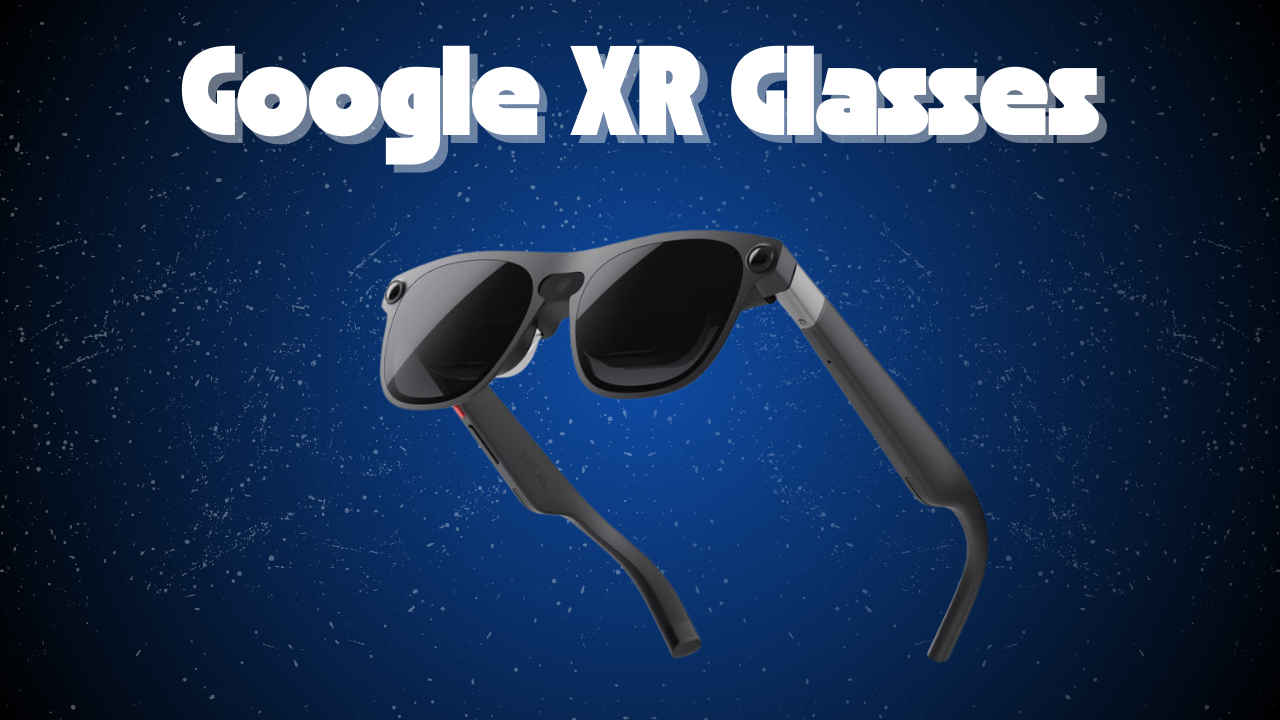
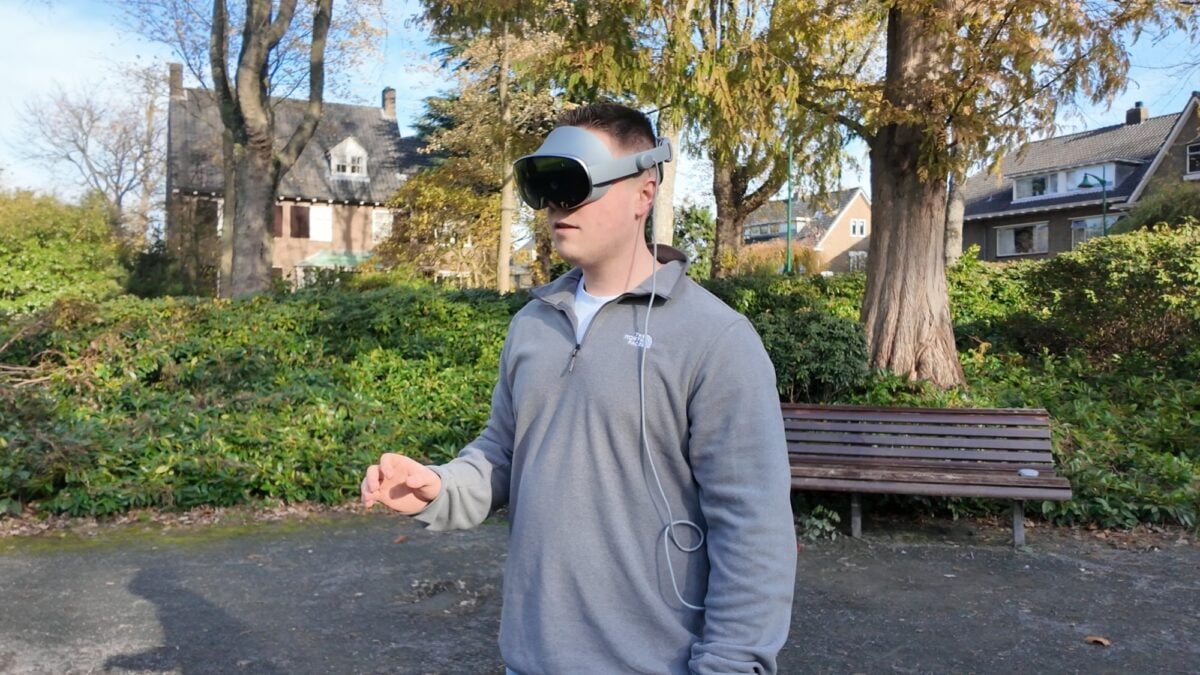



Google's XR Revolution: Redefining Spatial Computing Through Intelligent Wearable Ecosystems
- Strategic platform expansion signals a transformative approach to immersive digital experiences for developers and enterprises





















Overview
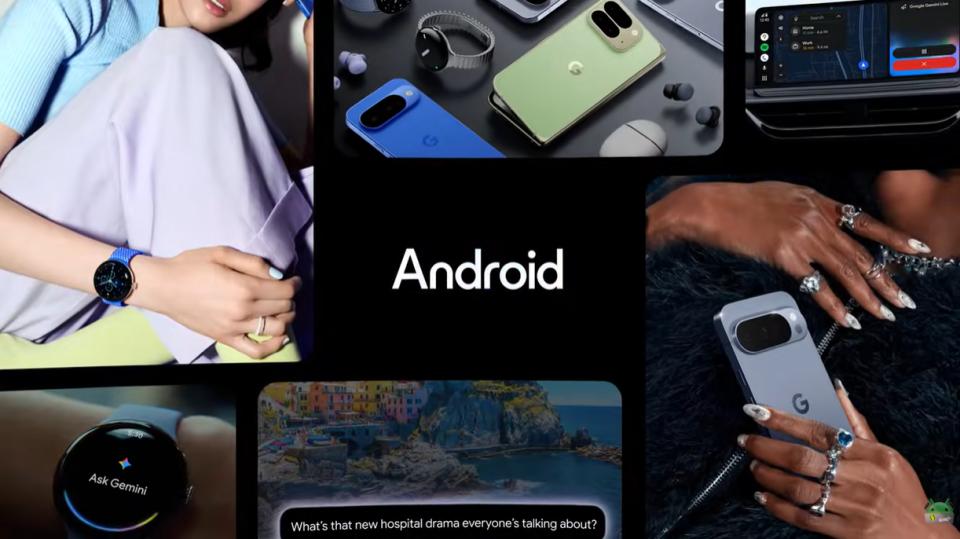
Spatial computing is undergoing a radical transformation as Google strategically repositions itself at the forefront of wearable technology and augmented reality innovation. The company's recent announcements around Android XR represent more than incremental updates—they signal a comprehensive reimagining of how digital interfaces will integrate with human experiences.
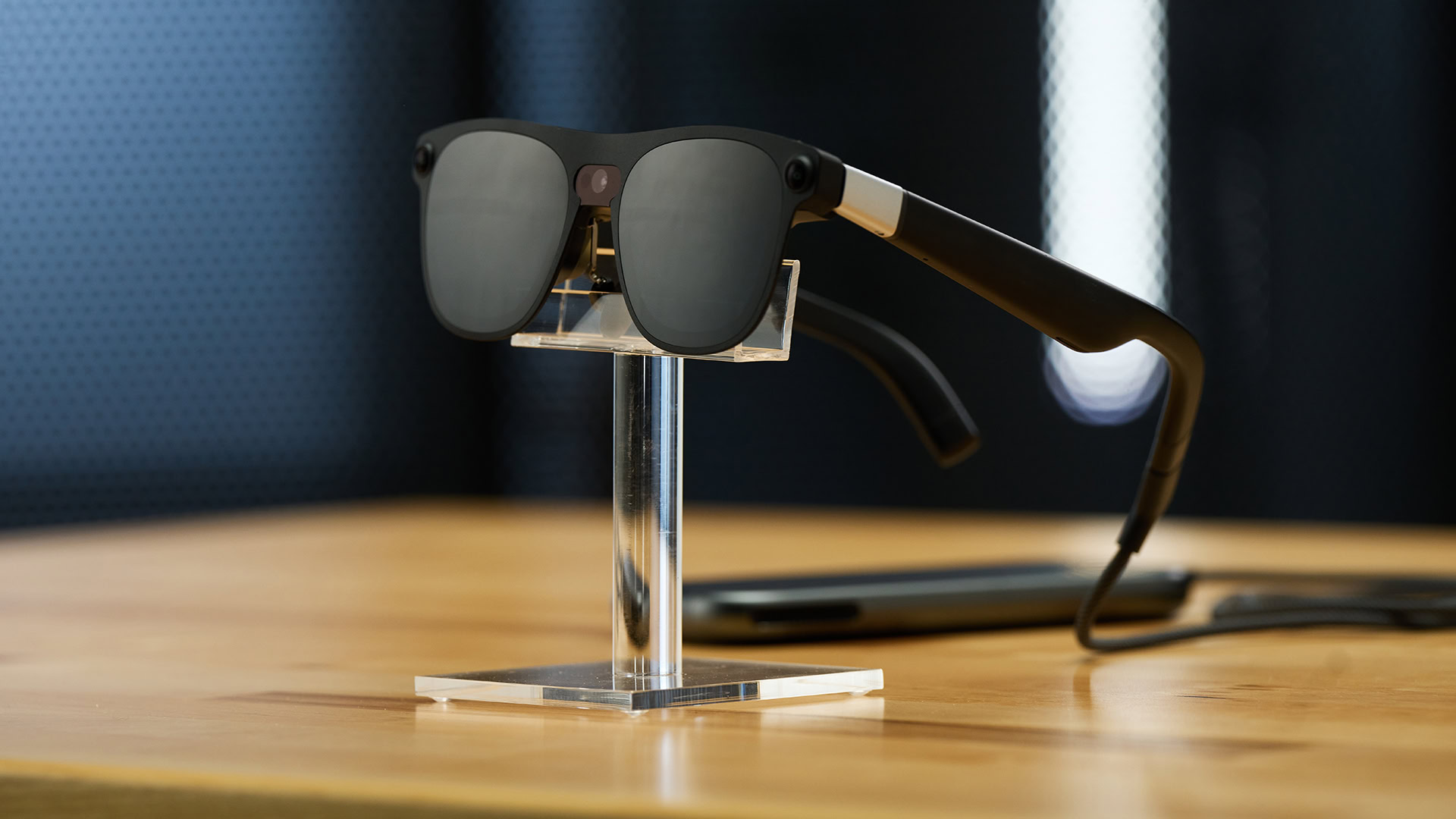
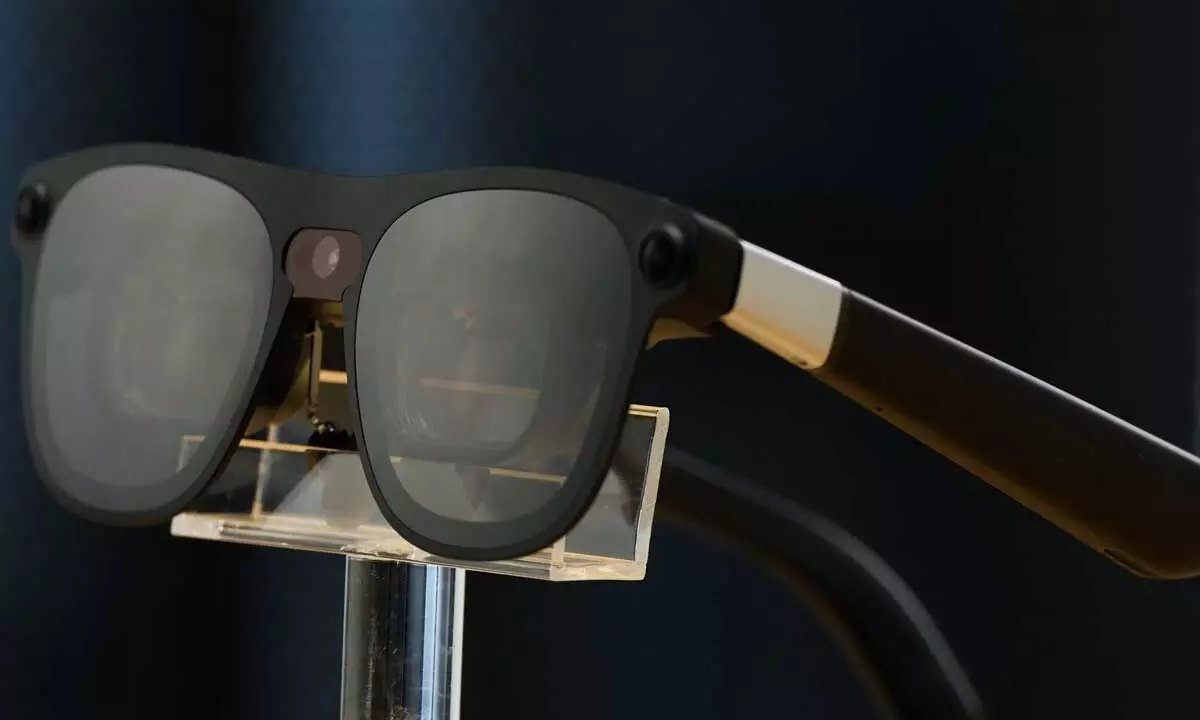
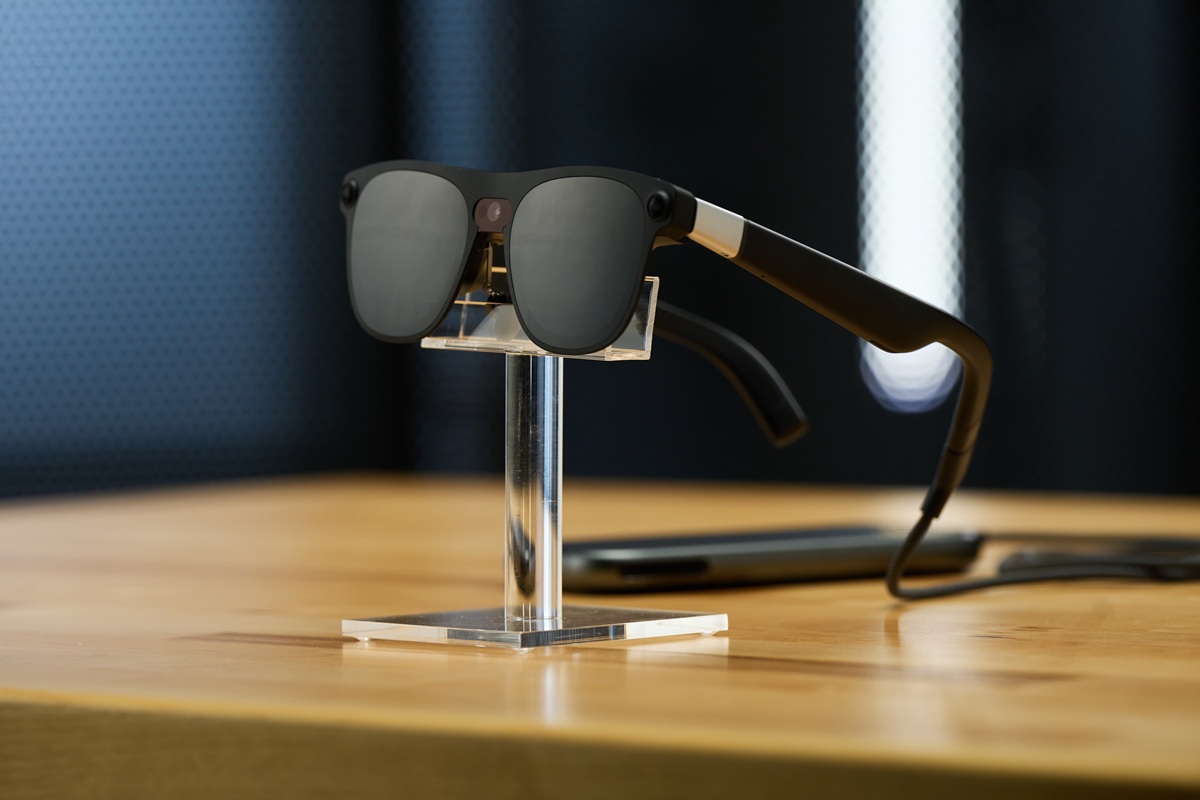
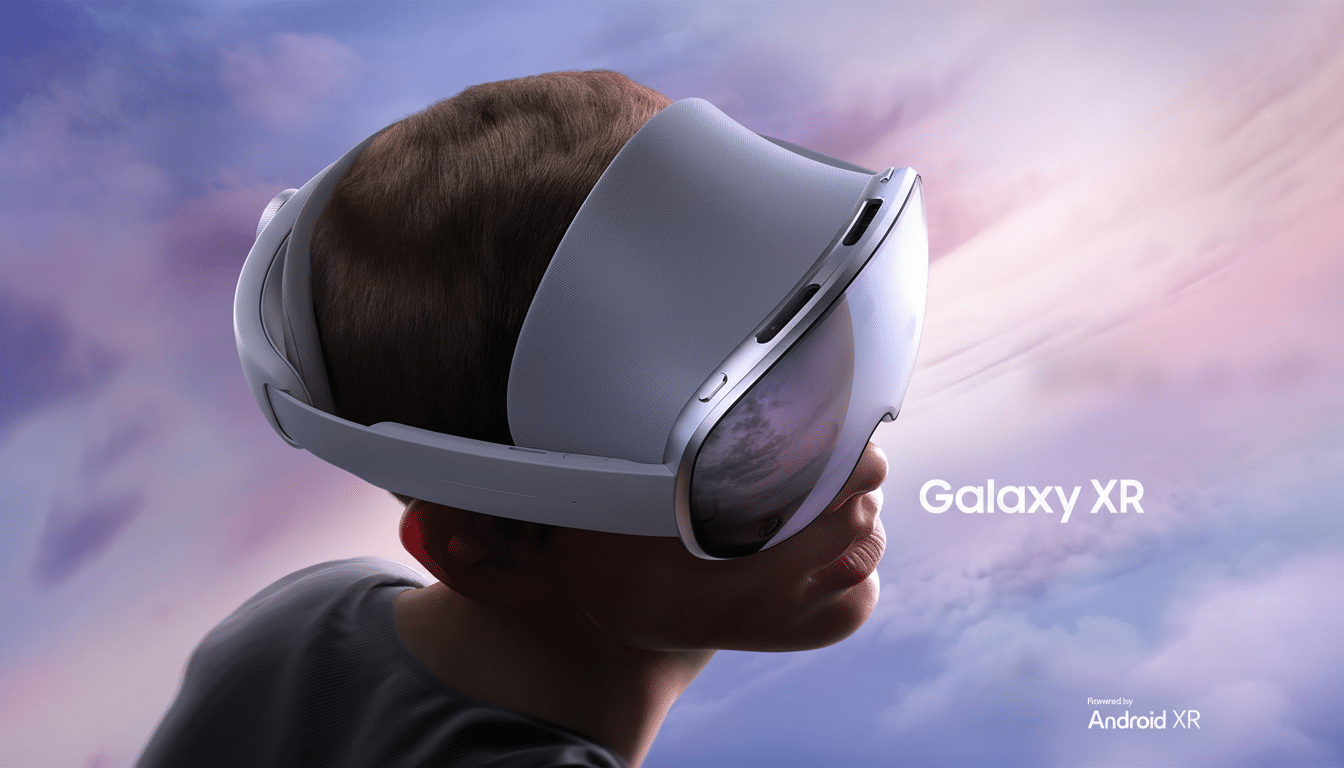
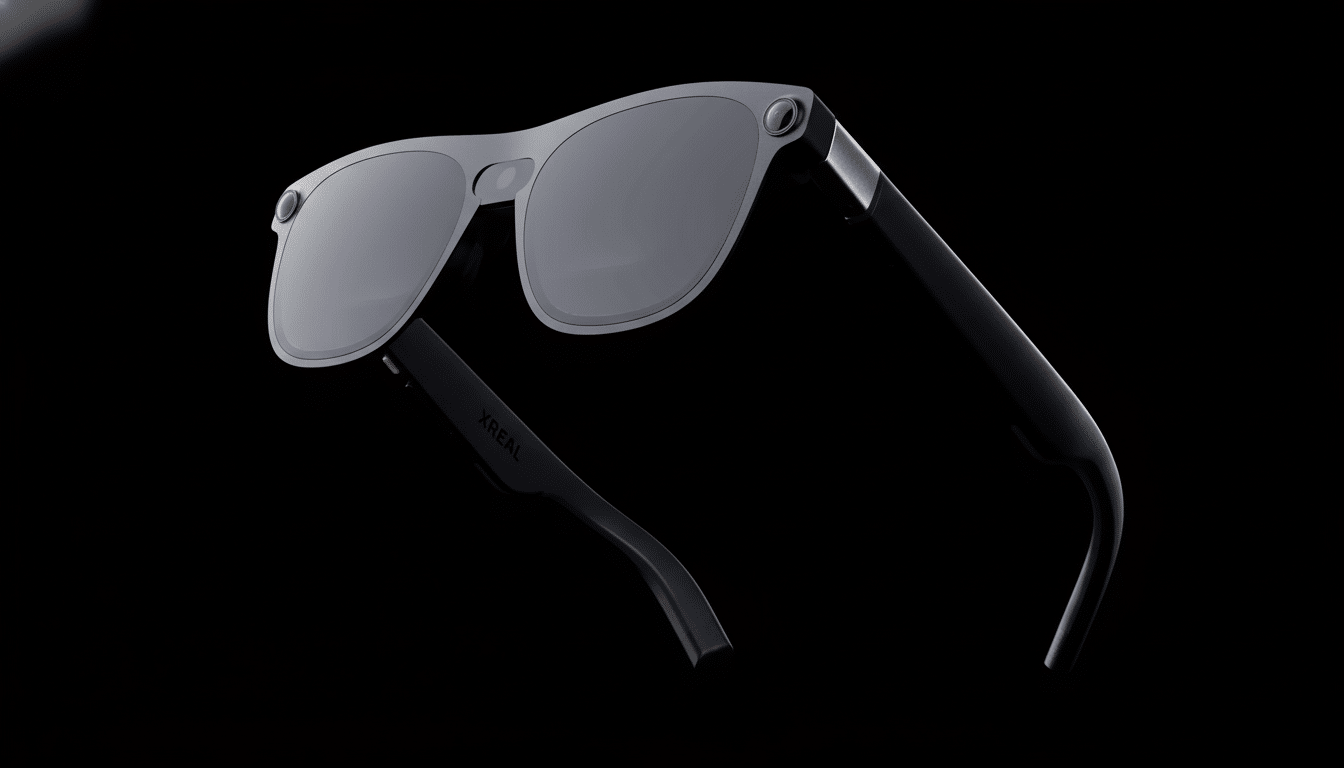
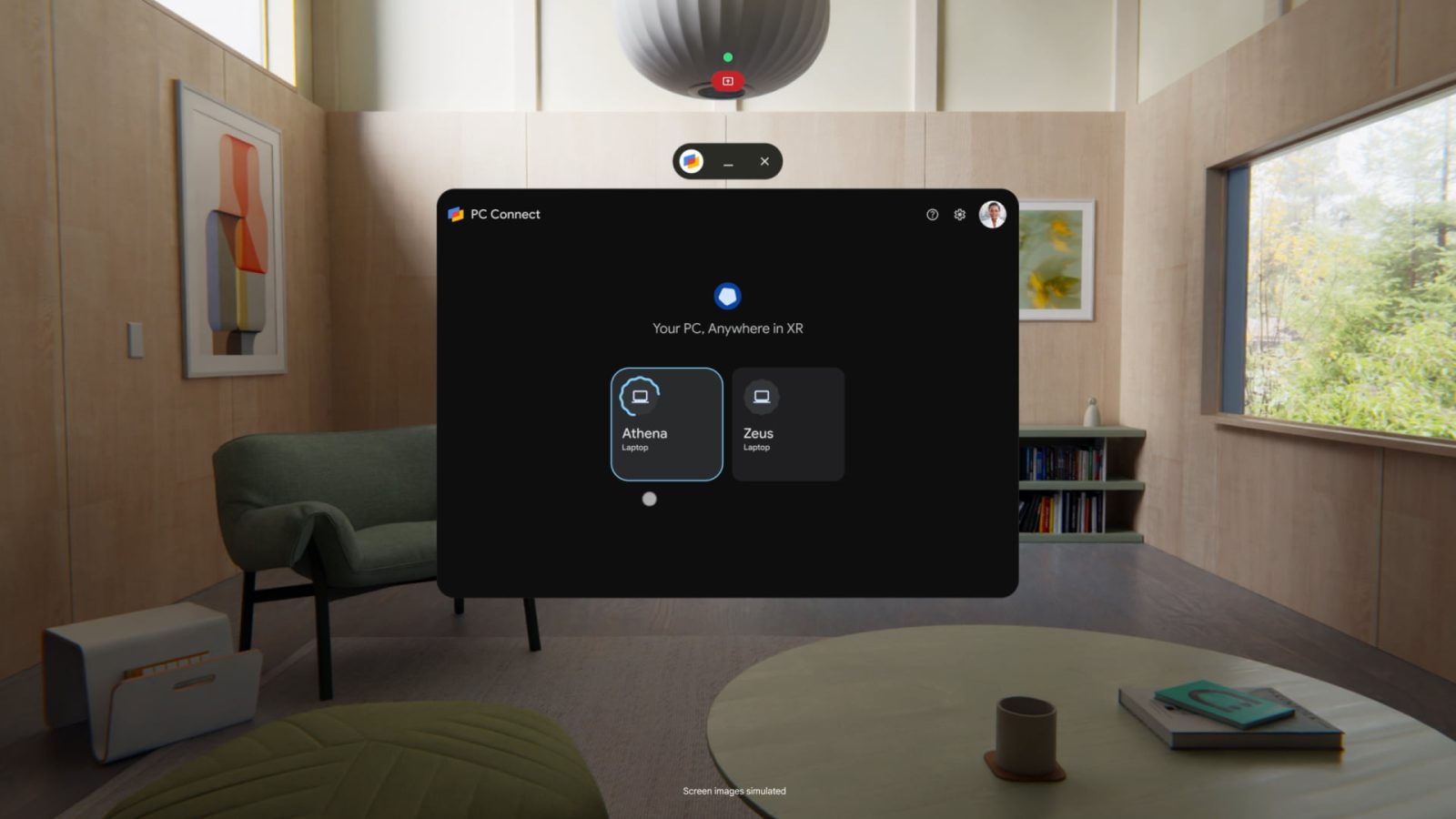
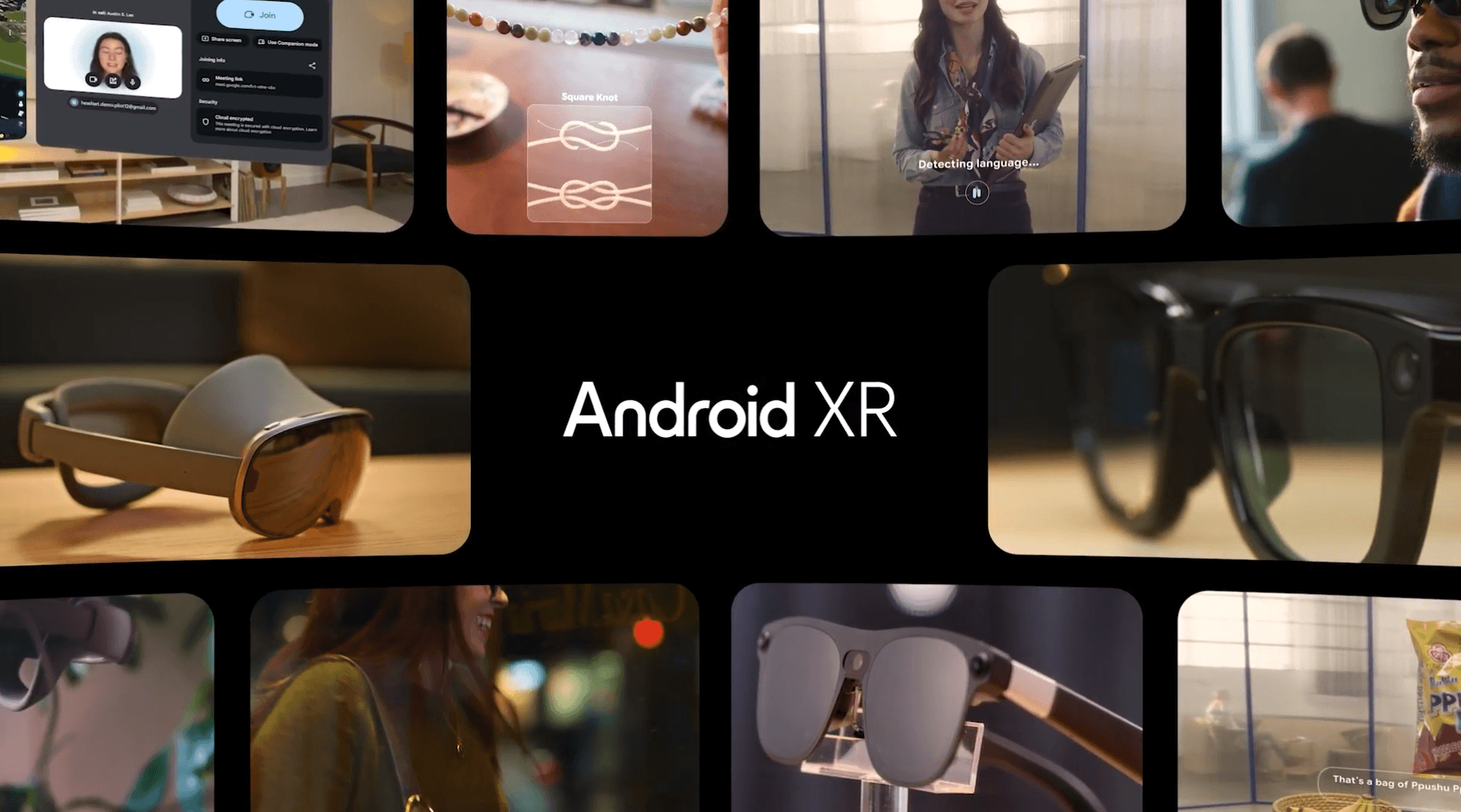
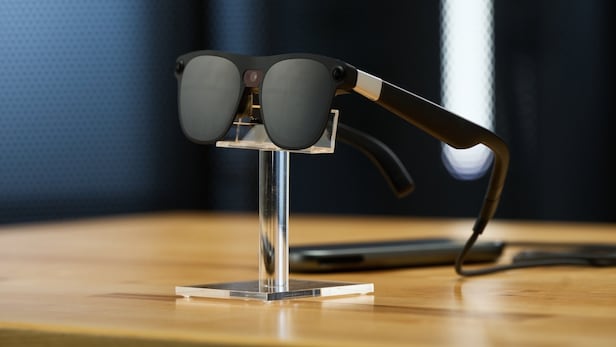
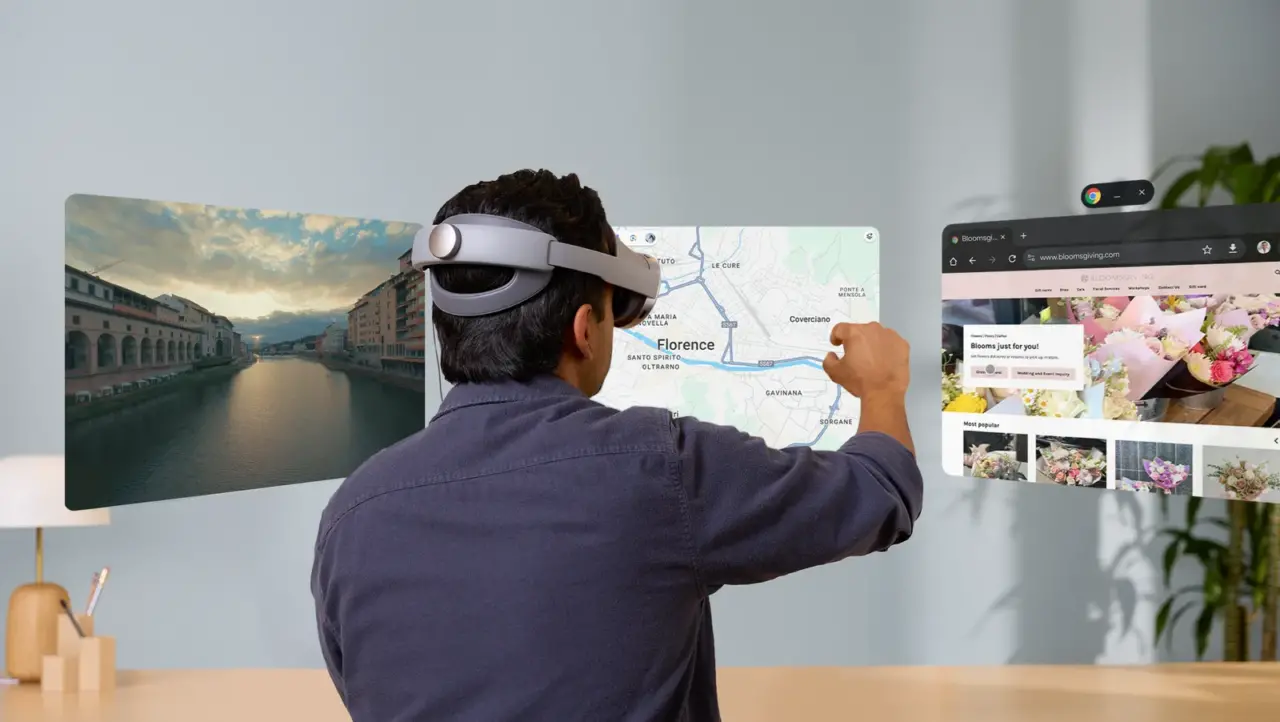
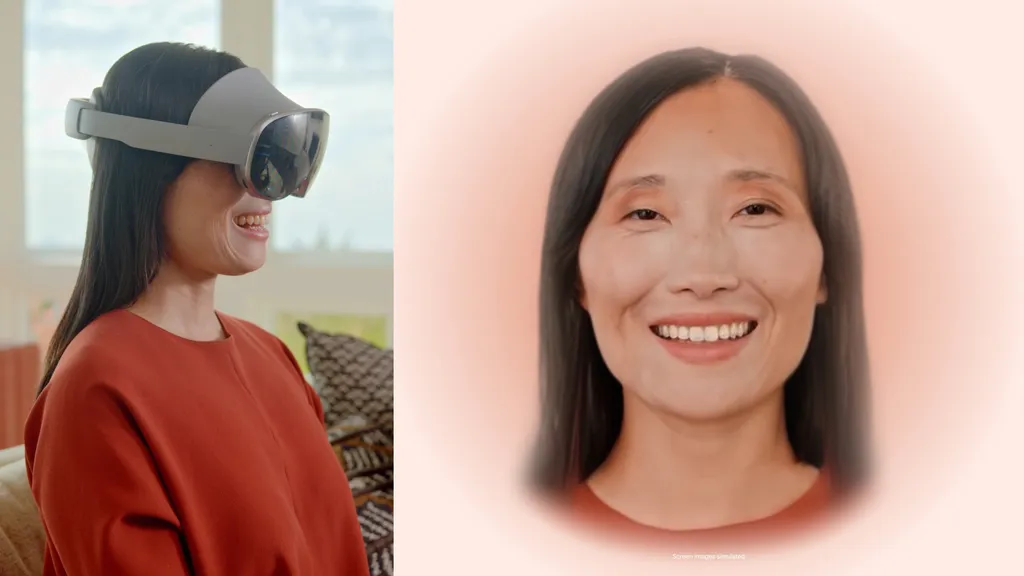
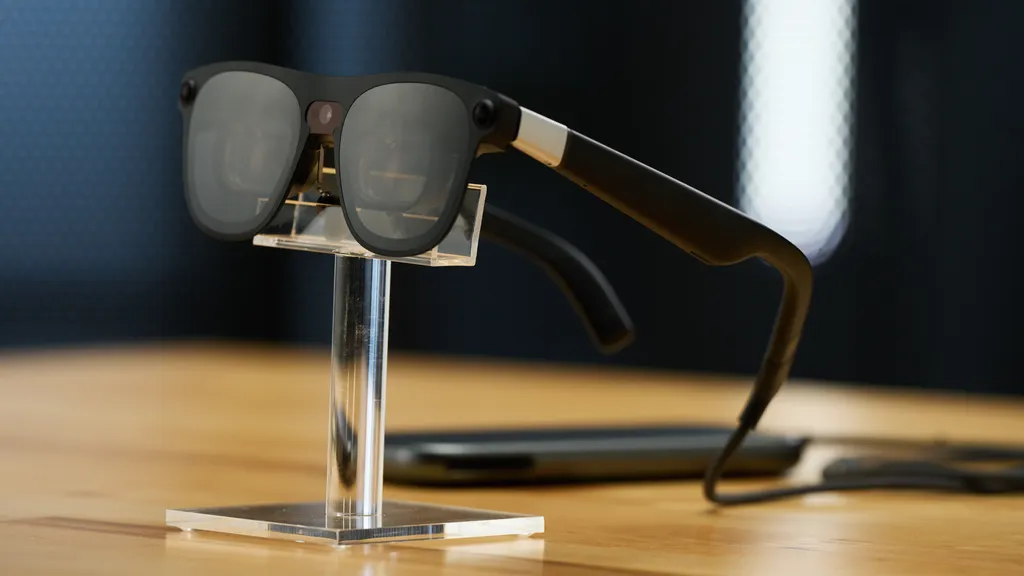
Strategic Platform Development emerges as the core narrative, with Google deliberately constructing an open, flexible ecosystem that challenges traditional hardware boundaries. By collaborating with partners like Samsung, Xreal, Gentle Monster, and Warby Parker, Google is creating a multi-modal XR platform that transcends single-device limitations. The Galaxy XR headset and Project Aura glasses demonstrate this approach, offering features like PC Connect, which enables seamless desktop integration, and Likeness digital avatar technology that creates realistic representations for remote interactions.
The most compelling aspect of Google's strategy is its developer-centric approach. By launching Developer Preview 3 of the Android XR SDK, the company is inviting global innovation, allowing developers to create augmented experiences across multiple form factors. This open ecosystem strategy represents a significant departure from closed, proprietary models pursued by competitors like Meta and Apple. The platform's ability to support existing Android apps without modification, and even extend experiences to iOS, creates a uniquely flexible development environment.
Privacy and user experience remain paramount in Google's XR vision. The Project Aura prototype includes innovative safeguards like bright, pulsing recording indicators and clear on/off switches—addressing historical concerns about wearable technology's invasiveness. With capabilities ranging from live translations to 3D gaming and professional video calls, these devices are positioned not as niche gadgets, but as mainstream productivity and entertainment tools.
The broader implications are profound: Google is not just developing hardware, but constructing an intelligent wearable ecosystem that could fundamentally reshape how we interact with digital information. By 2026, we can expect a landscape where spatial computing becomes as natural and ubiquitous as smartphone interactions are today.
Questions 3
What are the key privacy innovations in Google's XR devices?
Project Aura introduces advanced privacy features like bright, pulsing recording indicators and clear on/off switches. These design choices directly address historical concerns about wearable technology's potential for unauthorized surveillance, demonstrating a user-first approach to XR device development.
How does Google's XR strategy differ from competitors like Meta and Apple?
Google is pursuing an open, multi-partner ecosystem with flexible hardware form factors, unlike the more closed approaches of Meta and Apple. By supporting cross-platform experiences and inviting widespread developer participation through an accessible SDK, Google aims to create a more inclusive and innovative XR development environment.